
Posted on

LMU 44 – Enhancing Breast Cancer Outcomes: The Impact of Nutrition and Lifestyle Practices

Nutrition and Lifestyle Practices Shown to Reduce Breast Cancer

LMU 44 – Enhancing Breast Cancer Outcomes: The Impact of Nutrition and Lifestyle Practices

Source: Candian Medical Association Journal (February 21, 2017)

Lifestyle Medicine Update (March 1, 2017)

Introduction

In the realm of medical advancements, the role of nutrition and lifestyle modifications in improving breast cancer outcomes has gained substantial attention. A study published in the Canadian Medical Association Journal on February 21, 2017, delves into the impact of lifestyle changes on breast cancer recurrence, metastasis, and overall survival rates. This article sheds light on the compelling findings of this research, highlighting the crucial link between nutrition, lifestyle practices, and breast cancer outcomes.

Empowering Insights

The research review embarked on a critical inquiry: Can lifestyle modifications influence the recurrence of breast cancer and the survival rates of treated women? The outcomes of this investigation offer encouraging insights that align closely with the principles advocated within the Meschino Wellness Program.

Context and Motivation

While more than 90% of breast cancer patients are diagnosed with early-stage disease, an alarming 25% eventually succumb to distant metastasis. This staggering statistic underscores the urgency of exploring measures that could prevent recurrence and metastasis. Patients, driven by the desire to actively contribute to their well-being, seek strategies that encompass nutrition and lifestyle interventions.

Key Findings

The research brings to light several pivotal observations that underscore the substantial impact of lifestyle modifications on breast cancer outcomes:

  1. Weight Management: Weight gain during or post-breast cancer treatment is significantly linked to a higher risk of breast cancer-related mortality. Moreover, individuals who are overweight or obese at diagnosis experience poorer prognoses. This correlation is attributed to the elevation of insulin, insulin-like growth factors, estrogen levels, and pro-inflammatory cytokines associated with excess weight, which exacerbate breast cancer cell proliferation. Maintaining an ideal weight is, therefore, of paramount importance.
  2. Physical Activity: Physical activity emerges as a potent factor in reducing breast cancer recurrence. The effects of exercise on hormone levels, inflammation reduction, and insulin resistance reversal contribute to its robust impact. The Canadian Cancer Society and the American Cancer Society endorse a regimen of at least 30 minutes of moderate-intensity physical activity for at least five days a week, accompanied by two to three strength training sessions targeting major muscle groups.
  3. Dietary Choices: Observational studies indicate that high consumption of saturated fats and high-fat dairy products might be associated with increased breast cancer mortality. On the contrary, recent research suggests that soy products are safe for consumption, debunking concerns about their estrogen content. Although randomized trials are necessary to validate soy’s role in reducing breast cancer recurrence, existing evidence supports its inclusion in the diet.
  4. Smoking and Alcohol: Smoking among women with breast cancer elevates the risk of mortality. Similarly, alcohol consumption is linked to an increased risk of recurrence, particularly in estrogen-receptor-positive breast cancer cases.
  5. Supplements: Emerging data indicate the potential benefits of supplemental vitamin C intake in reducing breast cancer mortality. Vitamin D showcases advantages in maintaining a blood level within the range of 75–200 nmol/L.

Future Directions and Conclusions

While more clinical trials are warranted to validate the protective effects of certain lifestyle practices, the evidence underscores the substantial potential for improving breast cancer prognosis through dietary and lifestyle modifications. Adopting the strategies outlined in this research can significantly enhance long-term outcomes and overall health for breast cancer patients. Importantly, these practices are also relevant in the prevention of breast cancer development itself.

Reference

Hamer, J., and Warner, E., Lifestyle modifications for patients with breast cancer to improve prognosis and optimize overall health. CMAJ. February 21, 2017, vol. 189, no. 7.

http://www.cmaj.ca/content/189/7/E268

Dr. James Meschino

Dr. James Meschino

ABOUT THE AUTHOR

Dr. James Meschino, DC, MS, ROHP, is an educator, author, and researcher having lectured to thousands of healthcare professionals across North America. He holds a Master’s Degree in Science with specialties in human nutrition and biology and is recognized as an expert in the field of nutrition, anti-aging, fitness, and wellness as well as the author of numerous books.

Posted on

LMU 43 – Addressing Mortality Rates through Lifestyle Medicine: An Analysis of Current Health Trends

What is Killing Us, and What Can We Do About It?

LMU 43 – Addressing Mortality Rates through Lifestyle Medicine: An Analysis of Current Health Trends

Source: Medscape – February 15, 2017

Lifestyle Medicine Update (February 25, 2017)

Introduction

In the realm of public health, understanding the factors influencing mortality rates is paramount. The National Center for Health Statistics (NCHS) regularly publishes data briefs, offering insights into pressing public health issues. A significant data brief delves into the mortality data for the year 2015 in the United States. This article explores the implications of this data, particularly in the context of lifestyle medicine, and underscores the need for proactive measures to combat prevalent health challenges.

The Landscape of Mortality

The data brief for 2015 reveals a total of 2,712,630 deaths registered in the United States. Notably, the 10 leading causes of death, encompassing heart disease, cancer, chronic lower respiratory diseases, unintended injuries, stroke, Alzheimer’s disease, diabetes, influenza and pneumonia, kidney disease, and suicide, accounted for 74.2% of all deaths. Although a minor reduction of 0.1 years in life expectancy was observed, the report highlights a concerning 1.2% increase in the total age-adjusted mortality rate over 2014.

A Call to Action

The concerning trends in mortality rates lead to a pertinent question: What could be contributing to these adverse health outcomes? Alarmingly, data from 2014 indicate that 70% of US adults are overweight or obese. Moreover, approximately 38% of young individuals under the age of 20 fall within the same category. These statistics raise the possibility of a decline in average lifespan in the coming decades, as health conditions linked to lifestyle choices take their toll.

Addressing Root Causes

Many of the diseases responsible for these mortality rates are intrinsically linked to faulty dietary and lifestyle practices. Consider colon cancer, which claimed 50,000 lives in 2015. Breast cancer remains a substantial threat, affecting one out of every eight women who live to age 80. Additionally, prostate cancer ranks as the second leading cause of cancer-related deaths in men. To address this issue, the Centers for Disease Control and Prevention advocate a shift in focus towards preventive measures. While screening and early detection play crucial roles, the true impact on health comes from preventing these diseases at their roots. Lifestyle changes, including avoiding tobacco, increasing physical activity, and adopting healthier dietary habits, could potentially avert around one-third of all annual deaths in the US, translating to approximately 900,000 lives.

Empowering Lifestyle Changes

While medical interventions and screenings are essential components of healthcare, the real transformation occurs when patients recognize the profound role that lifestyle plays in their well-being. Healthcare practitioners are now encouraged not only to advocate for preventive actions but also to model these behaviors in their own lives. As the experts emphasize, prudent dietary choices, regular physical activity (120-150 minutes of endurance exercise weekly), maintaining healthy body fat levels (waist circumference under 36 inches for males and under 34 inches for females), refraining from smoking, and practicing judicious alcohol consumption are pivotal in determining one’s health and longevity.

The Power of Lifestyle Medicine

A consensus among experts is emerging — Lifestyle Medicine wields substantial influence over health outcomes. This domain empowers individuals with the tools to take charge of their health and well-being. The current trajectory highlights the imperative for a collective shift towards proactive lifestyle choices.

Conclusion

The insights from the NCHS data brief for 2015 underscore a pressing need for change. Rising mortality rates, largely attributed to preventable lifestyle-related factors, emphasize the urgency of prioritizing lifestyle medicine. Acknowledging the significant role that personal choices play in health outcomes is pivotal. As the saying goes, “prevention is better than cure.” The onus is on individuals to embrace lifestyle modifications that promise healthier, disease-free lives. In this endeavor, Lifestyle Medicine stands as a potent catalyst for positive change, offering a pathway towards a brighter and healthier future.

References

  • Xu, J., Murphy, S.L., Kochanek, K.G., Arias, E., Mortality in the United States, 2015. NCHS Data Brief, No. 267. Hyattsville, MD: National Center for Health Statistics; 2016.
  • Kochanek, K.G., Murphy, S.L., Xu, J., Arias, E., Mortality in the United States, 2013. NCHS Data Brief No. 178, December 2014. Hyattsville, MD: National Center for Health Statistics, 2014.
  • National Cancer Institute: Surveillance, Epidemiology and End Results (SEER) Program. Cancer Stat Facts: Colon and Rectum Cancer.
  • National Cancer Institute: Surveillance, Epidemiology and End Results (SEER) Program. Cancer Stat Facts: Female Breast Cancer.
  • National Cancer Institute: Surveillance, Epidemiology and End Results (SEER) Program. Cancer Stat Facts: Prostate Cancer.
  • Centers for Disease Control and Prevention. Up to 40% of annual deaths from each of five leading US causes are preventable.
Dr. James Meschino

Dr. James Meschino

ABOUT THE AUTHOR

Dr. James Meschino, DC, MS, ROHP, is an educator, author, and researcher having lectured to thousands of healthcare professionals across North America. He holds a Master’s Degree in Science with specialties in human nutrition and biology and is recognized as an expert in the field of nutrition, anti-aging, fitness, and wellness as well as the author of numerous books.

Posted on

LMU 42 – Importance of Waist Circumference in Health Assessment: Insights from Leading Health and Exercise Experts

Waist Circumference: A Key Health Risk Indicator

LMU 42 – Importance of Waist Circumference in Health Assessment: Insights from Leading Health and Exercise Experts

Source: Sports and Exercise Nutrition 4th Edition (Textbook), Pages 450 and 487: (W. McKardle, F. Katch, V. Katch)

Lifestyle Medicine Update (February 19, 2017)

Introduction

In the realm of Health, Nutrition, and Exercise Physiology, a trio of distinguished individuals has made indelible contributions. These experts, William McArdle, Frank Katch, and Victor Katch are acclaimed for their authorship of industry-standard textbooks that have become cornerstones of medical, exercise physiology, and nutrition education. This article sheds light on their impactful work and delves into a critical aspect of health assessment — waist circumference.

Profiles of Leading Experts

  1. William McArdle: A recognized authority in exercise physiology, William McArdle has co-authored seminal textbooks that have shaped the field’s understanding of exercise and its effects on the human body.
  2. Frank Katch: Another luminary in exercise physiology, Frank Katch’s co-authored works have illuminated the intricate relationship between exercise, nutrition, and optimal health.
  3. Victor Katch: A distinguished name in health and exercise, Victor Katch’s scholarly contributions have been instrumental in shaping the discourse around health assessment and fitness.

Waist Circumference: A Key Health Indicator

A notable contribution by these experts is the book “Waist Circumference – A Key Health Risk Indicator,” which stands as an essential reference for health professionals guiding athletes and individuals seeking nutrition advice. This publication underscores the pivotal connections between diet, exercise, training, exercise performance, and the assessment of vital health parameters.

In particular, the experts highlight the pivotal role of waist circumference as a potent health risk indicator. Notably, the book emphasizes findings on page 450 that underscore the significance of a person’s waist circumference in assessing risks for various conditions. The research affirms that individuals with a waist circumference equal to or exceeding 35.4 inches for men and 32.7 inches for women face elevated risks of heart and cardiovascular diseases, type 2 diabetes, gallstones, certain cancers (including breast, endometrial, prostate, and colon cancers), macular degeneration of the eye, and all-cause mortality. The correlation between waist circumference and risk intensity is compelling, with higher waist measurements correlating to greater health risks. Moreover, when a man’s waist circumference surpasses 40.2 inches or a woman’s exceeds 36.6 inches, the risk of developing the mentioned diseases and all-cause mortality becomes notably elevated.

Waist Circumference as a Robust Indicator

The experts underline the remarkable reliability of waist circumference as a health risk predictor. They assert that, in situations where precision assessments are unfeasible, waist circumference emerges as the measurement of choice for evaluating health risks. Its robust predictive power renders it an invaluable tool in gauging individual health.

Practical Application: Taking Action

The practicality of waist circumference assessment cannot be overstated. Individuals can easily measure their waist by using a tape measure at the level of the belly button. For men, a measurement equal to or exceeding 35.4 inches, and for women, a measurement equal to or exceeding 32.7 inches, signifies an imperative need to address health risks associated with these conditions.

A noteworthy point highlighted by the experts is the feasibility of positively impacting health outcomes through minor adjustments. By reducing daily calorie intake by just 100 calories and increasing calorie expenditure through physical activities like stationary cycling or power walking by an additional 100 calories, individuals can shed approximately 21 pounds of body fat within a year. This weight loss can significantly contribute to restoring a healthier waist circumference.

Empowerment Through Awareness

The experts encourage consistent monitoring of waist circumference as an individual accountability tool. Checking it every six months provides a tangible metric to assess adherence to health-promoting dietary and exercise practices. This simple practice empowers individuals to track their progress and make informed lifestyle adjustments.

Conclusion

The enduring contributions of William McArdle, Frank Katch, and Victor Katch to the fields of Health, Nutrition, and Exercise Physiology have left an indelible mark. Their emphasis on the significance of waist circumference as a health risk marker reverberates as a transformative insight. This simple yet impactful metric offers individuals a tangible way to gauge and address their susceptibility to prevalent health conditions. By monitoring waist circumference, individuals can align their dietary and exercise practices with health objectives, promoting lifelong well-being.

Reference

“Waist Circumference – A Key Health Risk Indicator” by William McArdle, Frank Katch, and Victor Katch.

Eat Smart, Live Well, Look Great!

Dr. Meschino

Dr. James Meschino

Dr. James Meschino

ABOUT THE AUTHOR

Dr. James Meschino, DC, MS, ROHP, is an educator, author, and researcher having lectured to thousands of healthcare professionals across North America. He holds a Master’s Degree in Science with specialties in human nutrition and biology and is recognized as an expert in the field of nutrition, anti-aging, fitness, and wellness as well as the author of numerous books.

Posted on

LMU 41 – The Impact of Vitamin D on Lung Function in Smokers: Insights from a 20-Year Study

Vitamin D May Protect Lung Function in Smokers

LMU 41 – The Impact of Vitamin D on Lung Function in Smokers: Insights from a 20-Year Study

Source: American Thoracic Society (July 20, 2012)

Lifestyle Medicine Update (February 8, 2017)

Introduction

In a study published by the American Thoracic Society on July 20, 2012, the relationship between vitamin D blood levels and lung function among smokers was examined. This study, conducted as part of the Normative Aging Study, shed light on the potential protective effects of vitamin D against the decline in lung function over a 20-year period in smokers. This article delves into the methodology, findings, and implications of the study, highlighting the significance of maintaining optimal vitamin D levels for smokers.

Methodology

The study involved 626 Caucasian male smokers as participants, with the objective of investigating the connection between serum vitamin D levels and the rate of lung function decline over two decades. Researchers defined vitamin D sufficiency as serum levels greater than 20 ng/ml (approximately 50 nmol/L). To assess this relationship, vitamin D levels were measured at three different intervals between 1984 and 2003. Concurrently, lung function was evaluated through spirometry testing.

Findings

The study revealed a compelling association between vitamin D sufficiency and improved lung function among smokers. Participants with higher vitamin D blood levels exhibited better lung function over the 20-year observation period compared to those with lower vitamin D levels. The research emphasized that maintaining adequate vitamin D levels might exert a protective effect on lung function and mitigate the rate of decline.

According to the researchers, these outcomes could be attributed to vitamin D’s anti-inflammatory and antioxidant properties. While the study did not explore vitamin D’s potential in reducing lung cancer risk, it underscored the value of sufficient vitamin D status in decelerating the decline in lung function associated with smoking. This has significant implications for preventing smoking-related conditions such as emphysema and chronic obstructive pulmonary diseases.

Practical Implications

The findings of this study have direct implications for clinical practice and public health. Smokers especially are advised to undergo evaluation of their blood vitamin D levels. Should their levels fall below the recommended threshold of 20 ng/ml (50 nmol/L), supplementation with vitamin D is recommended to elevate levels to the optimal range. However, it is crucial to note that smoking cessation remains the most effective approach in preventing smoking-related health risks, including lung cancer. Given that a substantial portion of lung cancer cases—approximately 87%—is attributable to cigarette smoking, quitting smoking remains the primary focus.

Considerations for Optimal Vitamin D Levels

While the study highlights the role of vitamin D in mitigating the decline in lung function for smokers, it’s important to extend the discussion to the broader context of overall health. Numerous studies have indicated that maintaining a blood vitamin D level (25-hydroxycholecalciferol) of 85 nmol/L (35 ng/ml) or above is beneficial for various health aspects, including cancer prevention, osteoporosis, and certain degenerative diseases.

Conclusion

In summary, the study published by the American Thoracic Society in 2012 underscores the potential benefits of adequate vitamin D levels in attenuating the decline in lung function among smokers. The research conducted as part of the Normative Aging Study provides valuable insights into the interplay between vitamin D and lung health over a prolonged timeframe. Although the study offers significant implications for smokers’ health, it is essential to recognize that smoking cessation remains the most crucial factor in preventing smoking-related health complications. For smokers, maintaining optimal vitamin D levels, along with quitting smoking, could contribute to better lung health and overall well-being.

Reference

American Thoracic Society (ATS) (2012, July 20). Vitamin D may protect lung function in smokers. Retrieved from: https://www.sciencedaily.com/releases/2012/07/120720081843.htm

Eat Smart, Live Well, Look Great,

Dr. Meschino

Dr. James Meschino

Dr. James Meschino

ABOUT THE AUTHOR

Dr. James Meschino, DC, MS, ROHP, is an educator, author, and researcher having lectured to thousands of healthcare professionals across North America. He holds a Master’s Degree in Science with specialties in human nutrition and biology and is recognized as an expert in the field of nutrition, anti-aging, fitness, and wellness as well as the author of numerous books.
Posted on

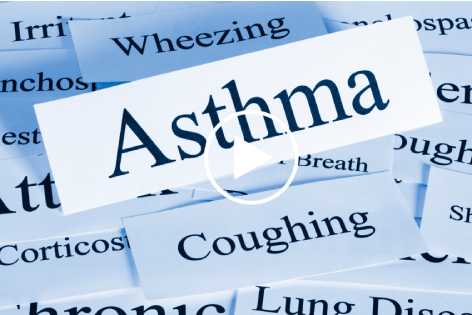
LMU 40 – Enhancing Asthma Management with Vitamin D: A Noteworthy Revelation

Vitamin D Supplementation Reduces Asthma Attack

LMU 40 – Enhancing Asthma Management with Vitamin D: A Noteworthy Revelation

Source: European Respiratory Society International Congress, 2016

Lifestyle Medicine Update (February 2, 2017)

Introduction:

In this edition of the Lifestyle Medicine Update, we delve into a September 2016 review paper that has spotlighted a compelling aspect of asthma management. The study explored the potential benefits of supplementing standard asthma medication with vitamin D, revealing a promising avenue for reducing severe asthma attacks in patients with mild to moderate asthma.

Asthma and Vitamin D: A Review of the Research

The review paper scrutinized the synergy between vitamin D supplementation and conventional asthma treatment, particularly in curbing the severity and frequency of asthma exacerbations. A total of nine double-blind, placebo-controlled trials were scrutinized, encompassing 435 children and 658 adults predominantly dealing with mild to moderate asthma. The study yielded an intriguing finding: vitamin D supplementation demonstrated a substantial reduction in the rate of asthma exacerbations necessitating systemic steroid treatments.

A Clear Benefit: Reduction in Asthma Attacks

In the group supplemented with vitamin D, the annual average of asthma attacks plummeted from 0.44 to 0.22 per individual. This translated to a noteworthy 50% reduction in asthma attacks. Notably, vitamin D supplementation also exhibited a similar effect on the risk of severe asthma attacks leading to hospitalization or emergency department visits. The occurrence rate dropped from six to around three cases per 100 patients, once again marking a 50% reduction. However, it’s important to note that these findings were primarily observed in adults. The impact of vitamin D supplementation on children and pediatric asthma management remains a subject of ongoing exploration.

Personalized Approach: Vitamin D Assessment for Asthma Control

For adults grappling with asthma or those acquainted with someone who is, it’s recommended to consider a vitamin D assessment. Individuals with vitamin D blood levels below 75 nmol/L appear to be prime candidates for reaping the benefits of vitamin D supplementation in terms of asthma control. Remarkably, a considerable proportion of the population falls within this category. As a researcher pointed out, it’s reasonable for healthcare practitioners, including general practitioners, pediatricians, and pulmonologists overseeing asthma patients, to consider prescribing daily doses of 500 to 1000 IU of vitamin D. Moreover, for adults experiencing persistent exacerbations, measuring vitamin D levels could guide further intervention—increasing vitamin D intake when levels are low.

Unveiling the Mechanism: Vitamin D’s Role in Asthma Management

The mechanism behind vitamin D’s potential influence on asthma control is rooted in its anti-inflammatory properties targeting the lungs. Additionally, vitamin D triggers innate antimicrobial responses, impeding the proliferation of bacteria, viruses, and other microorganisms commonly present in the respiratory secretions of individuals with asthma.

A Widespread Concern: Asthma Prevalence

The significance of this study resonates when considering the escalating prevalence of asthma. Over the last two decades, Canada has witnessed a surge in asthma cases, with estimates suggesting that more than 3 million Canadians are afflicted. In the United States, the scale of the issue is even more pronounced, with approximately 25 million individuals, constituting 8% of the population, grappling with asthma.

Embracing New Possibilities: Implications for Asthma Management

Considering these findings, it’s prudent to explore the potential benefits of optimizing vitamin D levels in mitigating the frequency and severity of asthma attacks. This approach holds promise, offering an alternative dimension to asthma management that complements existing treatment strategies.

References:

European Respiratory Society (ERS) International Congress, 2016: Abstract PA4112. Presented on September 6, 2016.

http://paleolivingmag.com/vitamin-d3/

http://www.medscape.com/viewarticle/868575

Dr. James Meschino

Dr. James Meschino

ABOUT THE AUTHOR

Dr. James Meschino, DC, MS, ROHP, is an educator, author, and researcher having lectured to thousands of healthcare professionals across North America. He holds a Master’s Degree in Science with specialties in human nutrition and biology and is recognized as an expert in the field of nutrition, anti-aging, fitness, and wellness as well as the author of numerous books.

Posted on

LMU 39 – The Link Between Meat and Cancer: Insights from Research

Meat Consumption and Cancer Risk

LMU 39 – The Link Between Meat and Cancer: Insights from Research

Source: Website – Physicians’ Committee for Responsible Medicine Website

Lifestyle Medicine Update (January 26, 2017)

Introduction:

Today, we’re delving into research that shines a spotlight on the relationship between meat consumption and cancer risk. This investigation by The Physicians Committee for Responsible Medicine offers valuable insights into how our dietary choices can influence our susceptibility to cancer.

Understanding The Physicians Committee for Responsible Medicine’s Role

The Physicians Committee for Responsible Medicine, a group of medical experts, is leading the charge in changing how we view healthcare. Comprising over 12,000 physicians and supported by 150,000 members globally, they are altering the landscape by emphasizing prevention over treatment. Their focus on chronic diseases like diabetes, heart issues, obesity, and cancer marks a shift toward patient empowerment.

Examining the Link Between Meat and Cancer

One major finding in their research is the connection between eating meat and the risk of developing cancer. Let’s dive into their findings to understand this link better.

Meat Consumption and Cancer Risk: What the Research Reveals

Studies have shown that people who avoid meat tend to have a lower risk of cancer. These studies, conducted in England, Germany, and the United States, indicate that vegetarians have a 40% lower risk of cancer compared to avid meat eaters.

Unveiling the Role of Meat in Cancer Development

Taking a closer look at specific types of cancer, a concerning trend emerges. Daily meat consumption is linked to a threefold increase in colon cancer risk. Several factors contribute to this correlation. Meat lacks essential nutrients and contains elements like animal protein and saturated fat. Cooking meat at high temperatures also forms harmful compounds like heterocyclic amines (HCA) and polycyclic aromatic hydrocarbons (PAH), which can raise the risk of cancer.

Empowering Choices for Cancer Prevention

What this research underlines is the importance of making informed dietary choices to reduce cancer risk. The Physicians Committee for Responsible Medicine’s findings don’t just highlight the dangers of meat consumption; they also guide us toward healthier alternatives.

Choosing Wisely: Opting for Healthier Alternatives

The takeaway here is to consider leaner alternatives that bypass red meat, pork, and lamb. Opting for options like fish, white meat poultry, beans, peas, soy products, and nuts can help shield against the threat of cancer.

Providing Essential Information: A Valuable Resource

The significance of this research extends beyond awareness. By exploring the link below, you can gain access to valuable knowledge that informs your choices. It’s not just about cancer risk—it also touches on broader health aspects like cholesterol, weight management, and diabetes prevention.

References:

Physicians Committee for Responsible Medicine: Meat Consumption and Cancer Risk

http://www.pcrm.org/health/cancer-resources/diet-cancer/facts/meat-consumption-and-cancer-risk

Dr. James Meschino

Dr. James Meschino

ABOUT THE AUTHOR

Dr. James Meschino, DC, MS, ROHP, is an educator, author, and researcher having lectured to thousands of healthcare professionals across North America. He holds a Master’s Degree in Science with specialties in human nutrition and biology and is recognized as an expert in the field of nutrition, anti-aging, fitness, and wellness as well as the author of numerous books.
Posted on

LMU 38 – Unravelling the Potential of Omega-3 Fats and Antioxidants in Alzheimer’s Prevention: Insights from Groundbreaking Research

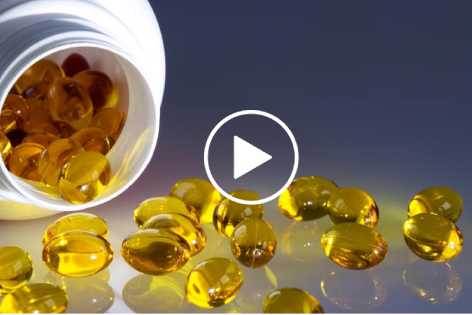
Omega-3 fats and antioxidant supplements prompt

LMU 38 – Unravelling the Potential of Omega-3 Fats and Antioxidants in Alzheimer's Prevention: Insights from Groundbreaking Research

Source: FASEB journal July 2015.

Lifestyle Medicine Update (January 18, 2017)

Introduction:

In the intricate realm of Alzheimer’s disease prevention, today’s spotlight rests on a research paper that graced the pages of the Federation of American Societies for Experimental Biology (FASEB) journal in July of 2015. The study, a groundbreaking human endeavor, sheds light on the profound impact of specific supplements in thwarting critical elements of Alzheimer’s disease progression. Within the current medical landscape, devoid of a definitive Alzheimer’s cure, the focus has shifted to proactive prevention as a primary line of defence against this pernicious cognitive affliction.

Deciphering Alzheimer’s Hallmarks: The Battle Against Beta-Amyloid Plaque

Central to the Alzheimer’s narrative lies the ominous presence of beta-amyloid plaque accumulation within the brain. Beyond its emblematic status, beta-amyloid plaque’s role extends to generating free radicals, hastening the disease’s march by inflicting destruction upon vital brain cells.

Omega-3 Fats and Alzheimer’s: Forging a Connection

The investigative journey traces its origins to prior evidence, which points towards certain omega-3 fats, notably DHA sourced from fish and fish oil. This compellingly suggests their role in mitigating beta-amyloid plaque production within the brain. Population studies further illuminate the panorama, spotlighting individuals who consistently embrace omega-3 fat consumption (approximately 500 mg daily) across their lifespan. Their resilience against Alzheimer’s disease as they age serves as a testament to these fats’ potential prowess.

The Vitamin E Factor: A Promising Shield

Vitamin E has also etched its mark in the Alzheimer’s defence realm. Noteworthy studies illustrate that Vitamin E supplementation, at the dose of 2,000 IU per day, has orchestrated a deceleration in Alzheimer’s disease progression. Whether administered singularly or synergistically with conventional Alzheimer’s medications, Vitamin E emerges as a potential ally in the battle against cognitive deterioration.

Venturing into Unchartered Territory: The FASEB Study

The cornerstone of our discourse rests within a pivotal study, gracing the pages of The FASEB journal, meticulously orchestrated by Milan Fiala and colleagues from the University of California/Los Angeles. The study’s focus hinged on 12 participants beset by minor cognitive impairment, two harboring pre-mild cognitive impairment, and seven grappling with full-fledged Alzheimer’s disease. Over a span of 4 to 17 months, these individuals embarked on a journey of supplementation, embracing omega-3 fatty acids and antioxidants.

Unveiling Immune Response: A Triumph in Alzheimer’s Prevention

The study’s orchestration heralded a triumph that echoed throughout the scientific community. Omega-3 fats and antioxidants not only elicited an immune response, but they also catalyzed a dynamic shift within the body’s immune cells. Monocytes, a subset of white blood cells, surged in their consumption of beta-amyloid plaque within the brain, mirroring a marked increase in response to omega-3 and antioxidant stimulus. The culmination materialized as a palpable reduction in beta-amyloid plaque levels, a resounding victory against Alzheimer’s pathogenesis.

Deciphering the Clinical Landscape: From Minor Cognitive Impairment to Alzheimer’s Disease

Looking more closely at the study, it becomes evident that the efficacy’s realm rests on a spectrum. The impact was most potent for those teetering on the precipice of cognitive decline, poised at the crossroads between minor cognitive impairment and the full embodiment of Alzheimer’s disease. The results cast a promising light on early memory loss and mild cognitive impairment, signifying a beacon of hope in Alzheimer’s prevention.

Translating Science into Practice: A Nutritional Arsenal

Embracing a tangible facet of this study involves a smart drink infusion, encompassing a synergistic blend:

  • 1000 mg DHA
  • 1000 mg EPA
  • Antioxidants hailing from pomegranate, chokeberry, and resveratrol
  • 400 IU of Vitamin D

Conclusions: A Glimmer of Promise in Alzheimer’s Prevention

The symphony of research underscores the formidable role of nutrition in forging a defence against Alzheimer’s disease. The convergence of omega-3 fats and antioxidants, as exhibited in the FASEB study, echoes the potential to deter beta-amyloid plaque buildup. This promising trajectory holds significance for us all as we chart a course towards Alzheimer’s prevention, particularly in the realm of early memory loss and mild cognitive impairment.

References:

Omega-3 supplementation increases amyloid-beta phagocytosis and resolving d1 in patients with minor cognitive impairment. July 25, 2015. The FASEB journal vol 29 no.7:2681-2689.

http://www.fasebj.org/content/29/7/2681.full.pdf+html

Dr. James Meschino

Dr. James Meschino

ABOUT THE AUTHOR

Dr. James Meschino, DC, MS, ROHP, is an educator, author, and researcher having lectured to thousands of healthcare professionals across North America. He holds a Master’s Degree in Science with specialties in human nutrition and biology and is recognized as an expert in the field of nutrition, anti-aging, fitness, and wellness as well as the author of numerous books.

Posted on

LMU 37 – Optimizing Zinc Status to Counter Cancer Risk: Insights from Recent Research

LMU-37

LMU 37 – Optimizing Zinc Status to Counter Cancer Risk: Insights from Recent Research

Source: American Journal of Clinical Nutrition (December 2016)

Lifestyle Medicine Update (January 14, 2017)

Introduction:

The focal point of this research update revolves around a published paper in the American Journal of Clinical Nutrition, dating back to December 2016. The study illuminates the intricate relationship between nutritional status, gene mutations, and cancer risk. This exploration sheds light on the potential of small nutritional adjustments in shaping our vulnerability to cancer and the aging process.

Debunking Genetic Predisposition: A Paradigm Shift

Contrary to conventional wisdom, which often attributes cancer risk to hereditary factors, research underscores that a mere 15-20% of cancer cases are attributed to genetic inheritance. The lion’s share of cancers arises from gene mutations that transpire during everyday life.

Unveiling the Arsenal Against Gene Mutations

The emerging narrative underscores the substantial influence we wield in curtailing gene mutations, thereby significantly mitigating cancer risk. Employing a multi-faceted approach, elucidated across various sections of the Meschino Wellness Platform, offers a potent shield against gene mutations that underlie cancer’s inception.

Zinc: A Keystone in Gene Mutation Prevention

Amidst the array of nutritional players, zinc emerges as a pivotal component in forestalling DNA strand fractures that lay the groundwork for gene mutations culminating in cancer. Zinc’s role extends beyond fracture prevention; it augments DNA damage repair enzymes, bolsters cellular antioxidant defences, and mitigates inflammation. This confluence intertwines with cancer prevention, decelerated cellular aging, and inflammation reduction. Given its involvement in nearly 3,000 proteins, zinc orchestrates the regulation of myriad cellular functions.

Addressing Zinc Deficiency: A Crucial Directive

Disturbingly, U.S. studies unveil a concerning statistic – approximately 12% of the population, and potentially up to 40% of the elderly demographic, confront the risk of zinc deficiency. This predicament results from insufficient dietary zinc intake coupled with diminished nutrient absorption inherent to the aging process.

Decoding Research Insights: A Glimpse into the Study

The bedrock of this discourse lies in a randomized, controlled study published in the American Journal of Clinical Nutrition. The study engaged 18 male participants who consumed a diet supplying 6 mg of zinc daily for two weeks. Subsequently, a dietary regimen infusing 10 mg of zinc daily was adopted for the ensuing four weeks. This nominal 4 mg escalation in zinc consumption yielded striking disparities. The transition to the 10 mg phase induced a marked reduction in DNA strand fractures within blood leukocytes, a surge in DNA repair mechanisms, elevated antioxidant defences, and an invigorated immune response. These pivotal markers collectively culminate in a reduced cancer risk profile and a potential defence mechanism against virulent infections.

Insights and Implications: An Interpretive Outlook

This study unveils a significant dimension – marginal nutrient deficiencies pervading the populace. Zinc stands as a beacon, but a constellation of nutrients, including iron, vitamin D, folic acid, calcium, vitamin A, magnesium, and vitamin B12, frequently grapple with suboptimal intakes. This underscores the strategic role of well-designed multiple vitamin and mineral supplements in complementing a robust dietary foundation. Most multiple vitamins harbor 12-15 mg of zinc, a commendable dosage. Overzealous supplementation beyond these parameters should be undertaken only under medical guidance, as excessive zinc intake can precipitate toxicity and associated immune impairment.

Concluding Perspectives: Anchoring Nutrition to Cancer Prevention

In the realm of cancer prevention, this research reverberates the significance of nutrition’s underpinning role. By attaining a nuanced comprehension of gene mutations’ sway and zinc’s counteractive prowess, we gain a powerful ally in our endeavors to thwart cancer and enhance holistic wellness.

References:

  1. Zyba S, Shenvi S, Killillea DW, Holland TC, Kim E et al. A moderate increase in dietary zinc reduces DNA strand breaks in leukocytes and alters plasma proteins without changing plasma zinc concentrations. Am J Clin Nutr. Dec. 21, 2016: http://ajcn.nutrition.org/content/early/2016/12/21/ajcn.116.135327.full.pdf+html
  2. https://www.ncbi.nlm.nih.gov/pubmed/19625698
  3. https://www.sott.net/article/338837-Zinc-repairs-DNA-and-reduces-oxidative-stress


Dr. James Meschino

Dr. James Meschino

ABOUT THE AUTHOR

Dr. James Meschino, DC, MS, ROHP, is an educator, author, and researcher having lectured to thousands of healthcare professionals across North America. He holds a Master’s Degree in Science with specialties in human nutrition and biology and is recognized as an expert in the field of nutrition, anti-aging, fitness, and wellness as well as the author of numerous books.

Posted on

LMU 36 – Exercise and Blood Pressure Regulation: A Comprehensive Analysis

Exercise Reduces High Blood Pressure and Prehypertension

LMU 36 – Exercise and Blood Pressure Regulation: A Comprehensive Analysis

Source: The Journal of the American Heart Association (2013) and the 68th Annual Conference of the Cardiological Society of India (December 2016)

Lifestyle Medicine Update (January 7, 2017)

Introduction:

This review centers on a study published in the Journal of the American Heart Association on February 1, 2013. The research examines the intricate relationship between exercise and blood pressure, delving into the repercussions of exercise on this critical cardiovascular parameter.

Insights from the Research

The study constitutes a meticulous systematic review, encompassing 93 clinical trials that scrutinize the interplay between exercise and blood pressure. This comprehensive analysis aggregates data from over 5,000 participants, offering a profound understanding of exercise’s impact on blood pressure dynamics.

Decoding Exercise’s Influence on Blood Pressure

The findings of this investigation underscore a tangible link between exercise and blood pressure reduction. This influence extends to both systolic and diastolic blood pressure, proving particularly advantageous for individuals with elevated blood pressure levels. Furthermore, exercise exerts a salutary effect on individuals teetering on the brink of high blood pressure, falling within the prehypertension category.

Grasping Blood Pressure Metrics

At the heart of this exploration lies the comprehension of blood pressure metrics. Elevated blood pressure, or hypertension, manifests as resting blood pressure levels at or above 140 over 90. This metric encompasses systolic blood pressure, reflecting heart contraction force, and diastolic blood pressure, denoting arterial resistance. These numerical insights pave the way for unravelling exercise’s impact on blood pressure.

Exercise’s Mechanism: A Succinct Discourse

Engagement in exercise triggers a transient blood pressure elevation, succeeded by a post-exercise dip below baseline levels. This response emanates from dwindling circulating adrenaline, subdued nervous system activity, and heightened nitric oxide secretion by blood vessels. This confluence orchestrates arterial relaxation, ultimately curtailing diastolic pressure, which reverberates to systolic pressure.

Forging an Effective Exercise Regimen

Optimal blood pressure modulation hinges on a robust exercise regimen. The American College of Sports Medicine advocates a regimen of 30 minutes of aerobic endurance exercise across five days. The amalgamation of endurance exercise with resistance training yields potent results. Calculating the aerobic training zone involves deducting age from 220 to ascertain maximal attainable heart rate, subsequently determining lower and upper zone limits for precision blood pressure regulation.

Mitigating Prehypertension through Exercise

A study highlighted at the 68th Annual Conference of the Cardiological Society of India in December 2016 spotlighted the efficacy of Hatha Yoga in prehypertension management. With systolic blood pressure spanning 120 to 139 or diastolic blood pressure within 80 to 89, this intervention underscored exercise’s efficacy in modulating blood pressure even within the prehypertensive spectrum.

Reaping Health Dividends: A Strategic Investment

Empirical evidence underscores the potency of a modest 2mmHg reduction in diastolic blood pressure, translating to a 6% plunge in coronary heart disease risk and a 15% dip in transient ischemic attack and stroke vulnerabilities. These figures underscore exercise’s transformative impact on holistic well-being.

Concluding Thoughts: Exercise as a Cornerstone

In the landscape of health optimization, exercise emerges as an influential catalyst for blood pressure regulation. The research narrative ardently advocates for the incorporation of exercise as a fundamental pillar, with its far-reaching effects resonating beyond the boundaries of blood pressure control.

References:

  1. Journal of the American Heart Association: http://jaha.ahajournals.org/content/2/1/e004473
  2. World Health Network: http://www.worldhealth.net/news/daily-yoga-lowers-blood-pressure

Dr. James Meschino

Dr. James Meschino

ABOUT THE AUTHOR

Dr. James Meschino, DC, MS, ROHP, is an educator, author, and researcher having lectured to thousands of healthcare professionals across North America. He holds a Master’s Degree in Science with specialties in human nutrition and biology and is recognized as an expert in the field of nutrition, anti-aging, fitness, and wellness as well as the author of numerous books.
Posted on

LMU 35 – Harnessing the Power of Nuts: A Breakthrough in Health

Nut Consumption and Risk of Cardiovascular Disease

LMU 35 – Harnessing the Power of Nuts: A Breakthrough in Health

Source: Journal: Biomedical Central, December 5, 2016

Lifestyle Medicine Update (December 22, 2016)

Introduction:

In today’s discourse, we delve into a groundbreaking research paper published on December 5, 2016, in the esteemed journal Biomedical Central. The paper, titled “Nut Consumption and Risk of Cardiovascular Disease, Total Cancer, All-Cause and Cause-Specific Mortality: A Systematic Review and Dose-Response Meta-analysis of Prospective Studies,” reshapes our understanding of nuts as a potent contributor to health enhancement.

Shifting Perceptions: Navigating the Nut Paradigm

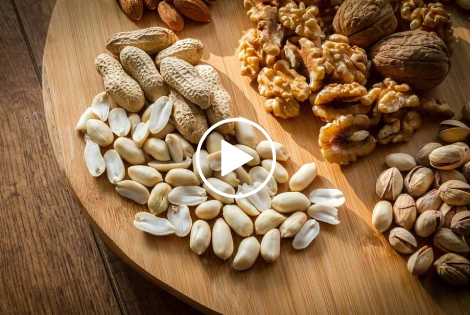
Historically, nuts carried the weight of concern due to their high fat content. The prevailing notion, fuelled by apprehensions of potential weight gain, led to discouraging their regular consumption. This apprehension, however, has been challenged by a surge of studies that have redefined the role of nuts in our diet. The pivotal revelation appeared – the consumption of a mere twenty grams, equivalent of two tablespoons, of nuts daily is associated with remarkable reductions in cardiovascular disease and other health risks.

Unveiling the Insights: Unearthing Key Findings

The meticulous analysis presented in the December 5, 2016, issue of Biomedical Central reverberates with resounding insights. Within the realm of nut consumption, profound outcomes transpired:

  • A daily intake of 20 grams of nuts translated to a nearly 30% decrease in coronary heart disease risk.
  • Nut consumption showed a 15% reduction in cancer risk, complemented by a 22% decline in premature mortality.
  • Nurturing an average of at least 20g of nuts daily unveiled a notable decrease in mortality risk due to respiratory diseases by approximately 50%. Similarly, a near 40% decrease in diabetes-related mortality emerged, with less data available on this aspect.

Pooling from 29 comprehensive studies exploring the nexus between nut consumption and disease susceptibility, the researchers underscored the pivotal conclusion: “Higher nut intake is associated with reduced risk of cardiovascular disease, total cancer and all-cause mortality, and mortality from respiratory disease, diabetes, and infections.”

Nutrient Alchemy: The Science Behind Protection

Delving into the mechanisms that fortify nut consumption’s protective cloak, the researchers shed light on the inherent properties of nuts. Magnesium, polyunsaturated fats, and fiber emerge as nutritional protagonists, intricately lowering cardiovascular disease risk and improving cholesterol levels. Notably, specific nuts such as walnuts and pecans, with their antioxidant-rich profiles, assume a pivotal role. Walnuts especially reveal potent guardianship against heart disease and cancer.

Navigating the Optimal Path: The Nut Odyssey

Emphasizing moderation, the research underscores that consuming beyond the 20-gram threshold does not yield added benefits, possibly fostering unintended weight gain. The notion of incorporating a daily handful of nuts resonates, echoing my personal wellness checklist. The compounding evidence of reduced risk of heart disease, cancer, all-cause mortality, and various health conditions amplifies the allure of regular nut consumption. Ponder, if you will, the nut of choice—walnuts, which emerge as potent defenders, albeit with other nuts bestowing their benefits.

Embracing the Nut Journey: A Sensible Choice

In culmination, the essence is resounding – by embracing nuts into your daily routine, you embark on a journey towards fortified health. With profound protective effects unveiled by research, the resounding message is clear – a measured indulgence in nuts is a step towards nurturing your well-being.

References:

  1. Biomedical Central: http://bmcmedicine.biomedcentral.com/articles/10.1186/s12916-016-0730-3
  2. ScienceDaily: https://www.sciencedaily.com/releases/2016/12/161205090555.htm
  3. Acupuncture Today: http://acupuncturetoday.com/mpacms/at/article.php?id=33097


Dr. James Meschino

Dr. James Meschino

ABOUT THE AUTHOR

Dr. James Meschino, DC, MS, ROHP, is an educator, author, and researcher having lectured to thousands of healthcare professionals across North America. He holds a Master’s Degree in Science with specialties in human nutrition and biology and is recognized as an expert in the field of nutrition, anti-aging, fitness, and wellness as well as the author of numerous books.