
Posted on

LMU 312 – Astragalus Herb Shown to Have Impressive Anti-Aging and Disease Prevention Properties

LMU-312

Astragalus Herb Shown to Have Impressive Anti-Aging and Disease Prevention Properties

Source: Aging and Disease Journal (2017)

Lifestyle Medicine Update (March 6, 2022)

An important review paper highlighting the anti-aging, disease prevention and therapeutic properties of the herb Astragalus was published in the journal Aging and Disease in 2017.Experimental and animal studies have consistently shown that astragalus membranaceus, a well-known Chinese tonic, increases the body’s synthesis of key antioxidants, such as superoxide dismutase, glutathione peroxidase and catalase by acting as an epigenetic switch on the Nrf-2 transcription factor. This is very important because as we age our body tends to decrease synthesis of these key antioxidants, leaving us more prone to genetic and other types of damage caused by free radicals. In fact, studies show that Astragalus administration reduces free radical levels (measured by malondialdehyde). This combination of increasing antioxidant protection and reducing free radical levels is a significant factor in slowing aging and preventing many types of age-related health conditions. In fact, research suggests that Astragalus is especially protective against heart, brain, kidney, intestine, liver, and lung injury in various models of free radical (oxidative stress) – related disease.

Astragalus is also shown to support and enhance immune function in many ways, supporting function on many different types of immune cells, including macrophages, monocytes, and lymphocytes – all of which help to prevent virulent infections and cancer. Moreover, Astragalus is shown to have some direct anti-cancer properties and has been used by cancer patients to quickly re-constitute their immune system and blood cell counts after chemotherapy and radiation treatment. Astragalus has also been shown to enhance the cancer killing properties of certain chemotherapy drugs, when used as an adjunctive treatment. A key anti-aging feature of Astragalus is that it re-lengthens telomeres in our immune cells, which makes them more youthful and better able to kill viruses, bacteria, and emerging cancer cells. Astragalus also crosses the blood-brain-barrier and shows impressive properties linked to the prevention of Alzheimer’s disease and has restored memory in animal studies where dementia had already been induced. It’s not just a matter of animal studies. A large human study involving 7000 person-years in over a 5-year period, found that an Astragalus supplement improved markers of metabolic, bone, and cardiovascular health, with no adverse events, which suggests that it improves a person’s overall health status and may reduce risk of morbidity and mortality. Another study was undertaken involving patients infected with the cytomegalovirus, which is related to the viruses that cause chickenpox, herpes simplex and mononucleosis. This virus stays in your system life-long once you contract it, and when your immune system is weakened, the virus is easily activated causing a host of symptoms, some of which can be severe and life-threatening. In this study of 117 healthy patients who were cytomegalovirus-positive, the administration of Astragalus supplementation re-lengthened the telomeres of their immune cells, improving their overall immune defence. Astragalus supplementation has also been shown to enhance the efficacy of certain vaccines. In addition, Astragalus shows promise as a supplement that may also help to lower cholesterol, triglyceride, and blood sugar (glucose) levels, reduce inflammation, and lower blood pressure (via it diuretic effects).

Certain people should avoid taking Astragalus, including individuals with autoimmune disease and/or those taking immune suppressant drugs (such as organ transplant patients).But for most of us Astragalus supplementation, in my view, represents a very important anti-aging/disease preventing supplement to consider once you are over the age of 40-45, when your immune system becomes weak and your antioxidant status is known to become compromised.

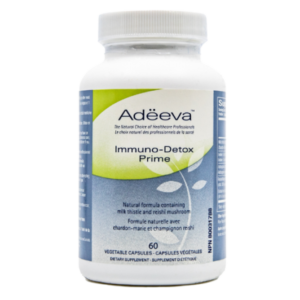
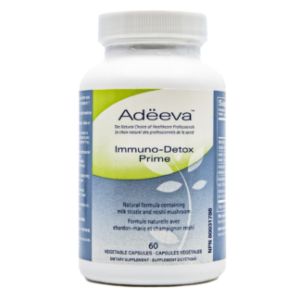
I personal take Astragalus in a combination supplement that also includes:

Reishi mushroom extract

Milk thistle (standardized to 90% silymarin content)

Indole-3-carbinol

Together, these four natural agents help to keep your immune system and antioxidant defences strong, and they support the body’s ability to detoxify harmful substances that can cause genetic and other damage associated with various degenerative diseases and advanced aging. I think Astragalus is a key anti-aging/ disease prevention natural agent, and it can also be used therapeutically to help strengthen the immune system, as shown in patients who have undergone chemotherapy and radiation treatment.

 I have included the reference for this information in the text below.

Reference:

Liu P et al. Anti-aging implications of Astragalus Membranaceus: A well-known Chinese Tonic. Aging and Disease. 2017;8(6): 868-886.

https://www.ncbi.nlm.nih.gov/pmc/articles/PMC5758356/


Eat Smart, Live Well, Look Great,

Dr. Meschino

Recommended Supplements
Dr. James Meschino

Dr. James Meschino

ABOUT THE AUTHOR

Dr. James Meschino, DC, MS, ROHP, is an educator, author, and researcher having lectured to thousands of healthcare professionals across North America. He holds a Master’s Degree in Science with specialties in human nutrition and biology and is recognized as an expert in the field of nutrition, anti-aging, fitness, and wellness as well as the author of numerous books.
Posted on

LMU 311 – Selenium Supplementation Improves Hashimoto’s thyroiditis, Immune and Heart Function

LMU-311

Selenium Supplementation Improves Hashimoto’s thyroiditis, Immune and Heart Function

Source: Main Reference: journal Thyroid (Feb 16, 2024)

Lifestyle Medicine Update (February 27, 2024)

Hashimoto’s thyroiditis is the most common cause of an underactive thyroid problem in developed countries, affecting about 1 in 1,000 men and 4 in 1,000 women in their lifetime. Hashimoto’s thyroiditis is an autoimmune disease whereby the body makes antibodies that attack the thyroid cells (destroying them), which impairs their ability to synthesize and secrete thyroid hormone.The ensuing deficiency in thyroid hormone results in a slower metabolism, with weight gain, decreased energy, dry skin, brittle hair and a host of other unpleasant signs and symptoms. (1)  It also increases risk of heart attack if left untreated. (2)

Over the years studies have suggested that selenium supplementation may be helpful in managing Hashimoto’s Thyroiditis. This culminated into a systematic review on this subject that was published in journal “Thyroid”, in February 2024.  In their review of 35 studies involving patients with Hashimoto’s thyroiditis the researchers reported that selenium supplementation was significantly associated with decreased blood levels of TSH in patients not taking thyroid hormone medication. Lower levels of TSH mean that the thyroid gland is working better and thus requires less THS stimulation to synthesize and secrete thyroid hormone. So, in hypothyroidism (underactive thyroid), the lower the TSH level the better. Patients using selenium supplements showed this important outcome – a lower TSH level – meaning better thyroid gland function was occurring. In many of the studies selenium supplementation also helped to lower the level of the antibodies that attack the thyroid gland (thyroid peroxidase antibodies – TPOAb). This is another important outcome – lower auto-antibody levels. And selenium supplementation also lowered blood levels of a key free radical marker (malondialdehyde). This is important because free radicals can also damage the thyroid gland, making this condition worse.

 Importantly, no adverse effects were noted among the patients taking selenium supplements to help manage their thyroid condition. The typical doses were from 80 to 400 mcg per day of selenium supplementation. These authors stated, “Our study suggests that selenium supplementation is safe and holds potential as a disease-modifying factor for Hashimoto thyroiditis–associated hypothyroidism.” (3, 4) In addition to supporting thyroid function, a brilliant review paper on selenium in inflammation and immunity was published in 2012 in the journal Antioxidant Redox Signalling. In short, these researchers provide detailed evidence, from experimental and human clinical studies, of the importance the of selenium supplementation in preserving more optimal immune function, especially as we age. (5) Better immune function translates into a lower risk of life-threatening infections (like pneumonia) as well as cancer. Other studies have shown that selenium supplementation can also help to prevent congestive heart failure, as we saw in a large recent Swedish study, which combined selenium supplementation with CoQ10. (6)

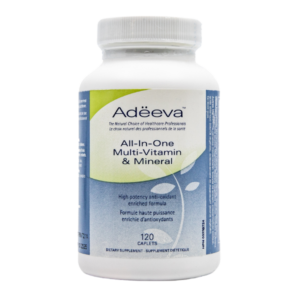
Finally, an extensive review of the anti-cancer effects of selenium was published in 2020 in the journal Antioxidants (Basel), which highlighted the multi-faceted ways in which selenium supplementation has been shown to block cancer development and progression in experimental studies. (7) Taken together, my feeling is that most adults would benefit from getting 200 mcg per day of selenium from a high potency multiple vitamin and mineral. It’s one more step you can take to support your immune system, your antioxidant defences against free radicals, as well as supporting your heart and thyroid function and much more.

I have provided links to the research papers cited in this update, in the text below.

 References

  1. https://www.ncbi.nlm.nih.gov/books/NBK459262/#:~:text=The%20incidence%20is%20estimated%20to,as%20compared%20with%20dizygotic%20twins
  2. https://www.mayoclinic.org/diseases-conditions/hashimotos-disease/symptoms-causes/syc-20351855
  3. https://www.mdedge.com/endocrinology/article/267897/pituitary-thyroid-adrenal-disorders/selenium-supplementation-shows?ecd=WNL_EVE_240221_mdedge
  4. https://pubmed.ncbi.nlm.nih.gov/38243784/
  5. https://www.ncbi.nlm.nih.gov/pmc/articles/PMC3277928/#:~:text=Dietary%20selenium%20(%5DSe)%2C%20mainly,immune%20responses%20and%20chronic%20inflammation.
  6. https://www.ncbi.nlm.nih.gov/pmc/articles/PMC9363287/
  7. https://www.ncbi.nlm.nih.gov/pmc/articles/PMC7023255/#:~:text=Moreover%2C%20studies%20in%20vitro%20and,cell%20migration%2C%20invasion%20and%20angiogenesis.&text=Anticancer%20effect%20of%20selenium%20may,and%20pathways%20in%20the%20cell.

Recommended Supplements

Dr. James Meschino

Dr. James Meschino

ABOUT THE AUTHOR

Dr. James Meschino, DC, MS, ROHP, is an educator, author, and researcher having lectured to thousands of healthcare professionals across North America. He holds a Master’s Degree in Science with specialties in human nutrition and biology and is recognized as an expert in the field of nutrition, anti-aging, fitness, and wellness as well as the author of numerous books.
Posted on

LMU 310 – Ground Flaxseed Shown to Reduce Breast Cancer Risk and Related Biomarkers

LMU-310

Unraveling the Protective Power of Flaxseed: A Revolutionary Approach to Breast Cancer Prevention

Source: Journal Microbiology Spectrum (December 7, 2023)

Lifestyle Medicine Update (December 14, 2023)

Introduction: Harnessing Nature’s Shield

The quest for effective breast cancer prevention strategies has led researchers to explore the potential of natural compounds, among which flaxseed has emerged as a beacon of hope. Renowned for its rich reserves of lignans, flaxseed presents a promising avenue in mitigating breast cancer risk, as elucidated in the recent findings published in the Microbiology Spectrum journal on December 7, 2023.

The Flaxseed Phenomenon: A Tale of Lignans and MicroRNAs

  1. Lignans’ Anticancer Arsenal: Ground flaxseed, a veritable treasure trove of lignans, holds the key to breast cancer prevention. Through a remarkable metabolic journey, the lignan precursors in flaxseed metamorphose into enterolactone and enterodiol, ushering in a cascade of anti-cancer effects within breast cells. These lignans, upon reaching breast cells, orchestrate a symphony of cellular responses, from stalling cell division to orchestrating the demise of nascent cancer cells.
  2. MicroRNAs: The Epigenetic Maestros: Delving deeper into the molecular realm, researchers have uncovered the pivotal role of microRNAs (miRNAs) as epigenetic orchestrators, regulating gene expression and dictating cellular fate. Armed with this knowledge, scientists embarked on a groundbreaking expedition to decipher the interplay between flaxseed and miRNAs in breast cancer prevention.

Illuminating Insights: Unveiling Flaxseed’s Hidden Mechanisms

  1. Murine Marvels: Unraveling Flaxseed’s Mysteries: Employing a murine model, researchers unveiled a fascinating revelation – feeding female mice ground flaxseed elicited a profound transformation in miRNA profiles, tipping the scales in favor of breast cancer prevention. Notably, flaxseed supplementation bolstered the expression of miRNA-137 and miRNA-340-5p, heralding a paradigm shift in breast cancer susceptibility.
  2. Genetic Guardians: A Molecular Odyssey: The protective prowess of flaxseed lay in its ability to silence the oncogenic genes Runx2 and Skp2, thereby thwarting the insidious progression of breast cancer. By quelling the activity of pivotal signaling pathways implicated in cancer development, flaxseed emerges as a potent guardian against breast cancer stem cell regeneration, a hallmark of tumor initiation and progression.

Empowering Prevention: A Call to Action

  1. Flaxseed: A Potent Ally in Cancer Defense: Bolstered by compelling evidence, the recommendation to incorporate 2 tablespoons of ground flaxseed daily resonates as a formidable strategy in breast cancer prevention. Beyond its role in breast cancer, flaxseed’s protective mantle extends to prostate health, underscoring its multifaceted benefits in safeguarding reproductive organs.
  2. Embracing Nature’s Bounty: As research continues to unveil the myriad benefits of flaxseed, from cholesterol management to intestinal health, its status as a superfood remains unassailable. By harnessing the innate protective mechanisms of flaxseed, individuals embark on a transformative journey towards holistic well-being and cancer resilience.

Conclusion: Pioneering the Path to Wellness

In the ever-evolving landscape of cancer prevention, flaxseed stands as a testament to nature’s healing potential. Armed with scientific insights and empowered by nature’s bounty, individuals wield flaxseed as a formidable shield against breast cancer’s insidious grip.

References

  • Wu H et al. *Cecal microbiota and mammary gland microRNA signatures are related and modifiable by dietary flaxseed with implications for breast cancer risk.* ASM Journal/Microbiology Spectrum. December 7, 2023. [Link](https://journals.asm.org/doi/10.1128/spectrum.02290-23)
  • Denmark-Wahnefried et al. *Flaxseed supplementation (not dietary fat restriction) reduces prostate cancer proliferation rates in men presurgery.* Cancer Epidemiology Biomarkers and Prevention J. 2008; 17(12): 3577-87. [Link](https://pubmed.ncbi.nlm.nih.gov/19064574/)

Recommended Supplements

Dr. James Meschino

Dr. James Meschino

ABOUT THE AUTHOR

Dr. James Meschino, DC, MS, ROHP, is an educator, author, and researcher having lectured to thousands of healthcare professionals across North America. He holds a Master’s Degree in Science with specialties in human nutrition and biology and is recognized as an expert in the field of nutrition, anti-aging, fitness, and wellness as well as the author of numerous books.
Posted on

LMU 309 – Milk Thistle and Pancreatic Cancer Prevention: The evidence thus far

LMU-309

The Power of Milk Thistle: A Promising Shield Against Cancer

Source: Iran Journal of Basic Med Sci (Oct 2022)

Lifestyle Medicine Update (November 12, 2023)

Introduction: Harnessing Nature’s Defenders

Milk thistle, renowned for its liver-protective properties, has long been hailed as a potent ally in combating liver damage and supporting detoxification. However, recent revelations suggest that its benefits extend far beyond liver health, with emerging evidence pointing towards its potential in cancer prevention, particularly against pancreatic cancer.

Exploring Milk Thistle’s Potential

  1. Liver Protection and Detoxification:Rich in silymarin, Milk thistle has demonstrated remarkable efficacy in shielding the liver from damage caused by various factors, including viral hepatitis, alcohol consumption, and toxins. Human studies have showcased its ability to reduce liver enzymes and promote detoxification.
  2. A Guardian Against Cancer: Recent experimental studies have illuminated Milk thistle’s role in thwarting the development of certain cancers, including pancreatic, prostate, liver, and skin cancers. The 2022 publication in the Iran Journal of Basic Medical Science delves into its potential as a cancer-fighting agent, particularly in pancreatic cancer, where its intervention could be groundbreaking.

Pancreatic Cancer: A Lethal Foe

Pancreatic cancer poses a formidable challenge, boasting a dismal 5-year relative survival rate of merely 12%. Milk thistle emerges as a beacon of hope in this landscape, with research indicating its ability to impede key events in pancreatic cell development, offering a glimmer of promise in combating this deadly disease.

Experimental Evidence: Studies have unveiled Milk thistle’s multifaceted approach in combating pancreatic cancer, from mitigating pancreatitis, a precursor to the disease, to inducing apoptosis (cell suicide) in pancreatic cells and inhibiting cancer-promoting genes.

A Holistic Approach to Cancer Prevention

While Milk thistle presents a compelling avenue in cancer prevention, it’s essential to acknowledge other risk factors associated with pancreatic cancer, including smoking, obesity, and diabetes. Adopting a holistic approach to health, encompassing dietary modifications, lifestyle changes, and regular screening, is paramount in mitigating these risks.

Embracing Nature’s Armor: A Supplemental Strategy

For individuals aged 50 and above, incorporating a Milk thistle supplement enriched with complementary ingredients like Indole-3-Carbinol, Reishi mushroom extract, and Astragalus offers a synergistic approach to liver health and cancer prevention. This formulation not only bolsters liver detoxification but also fortifies the immune system, potentially warding off cancer development.

Conclusion: A Call to Action

As research continues to illuminate Milk thistle’s multifaceted benefits, from liver protection to cancer prevention, integrating this natural powerhouse into our daily regimen holds promise in safeguarding against disease. By embracing the bounty of nature’s arsenal, we embark on a journey towards holistic wellness and resilience against cancer’s onslaught.

References

Recommended Supplements

Dr. James Meschino

Dr. James Meschino

ABOUT THE AUTHOR

Dr. James Meschino, DC, MS, ROHP, is an educator, author, and researcher having lectured to thousands of healthcare professionals across North America. He holds a Master’s Degree in Science with specialties in human nutrition and biology and is recognized as an expert in the field of nutrition, anti-aging, fitness, and wellness as well as the author of numerous books.

Posted on

LMU 308 – Glucosamine Supplementation Safe for Diabetics and Extends Lifespan in Longevity Studies

LMU-308

Debunking the Myth: Glucosamine and Blood Sugar

Source: J Arch Rheumatology (2016) and J Nature (2014)

Lifestyle Medicine Update (November 14, 2023)

For years, misconceptions have circulated about the safety of glucosamine supplementation, especially for those with type 2 diabetes. Many are told that glucosamine raises blood sugar levels, leading to caution among diabetics. However, recent research challenges this notion, shedding light on the true benefits of glucosamine for joint health and longevity.

The Glucosamine Dilemma

It’s a scenario familiar to many: a visit to the pharmacy, a question about glucosamine for arthritis, and a cautionary response from the pharmacist about its potential impact on blood sugar levels. Yet, a comprehensive review published in the journal Archives of Rheumatology in 2016 contradicts this prevailing belief.

Clearing the Confusion

The review examined thirty-three recent studies and found no evidence that glucosamine supplementation raises blood sugar levels, even in overweight individuals. Moreover, research indicated that glucosamine did not adversely affect blood sugar levels in diabetic patients. To provide further clarity, researchers conducted a double-blind glucose tolerance test on osteoarthritis patients, revealing that glucosamine supplementation did not elevate blood sugar levels compared to the placebo.

A Lifespan-Extending Miracle?

In addition to its joint-preserving properties, glucosamine has shown promise in extending lifespan. A groundbreaking 2014 study demonstrated that glucosamine administration increased the lifespan of roundworms and aging mice by stimulating mitochondrial biogenesis and lowering glucose release, akin to the effects of intermittent fasting or calorie restriction.

Unveiling the Longevity Circuit

The longevity-promoting effects of glucosamine extend beyond joint health, delving into the intricate mechanisms of cellular aging and disease prevention. Experimental studies on nematodes (roundworms) and aging mice have unveiled how glucosamine activates key genes and mechanisms associated with longevity and disease prevention.

Harnessing the Power of Glucosamine

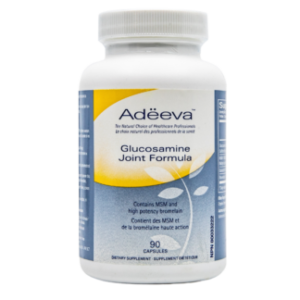
Armed with this knowledge, incorporating a glucosamine sulfate supplement enriched with natural anti-inflammatory agents like Quercetin, Bromelain, and MSM can offer a dual benefit of joint support and accelerated action. This regimen is particularly beneficial for individuals over forty, as the body’s glucosamine production declines with age.

Conclusion: Embracing Glucosamine for Health

As research continues to dismantle outdated beliefs, it’s time to reevaluate the role of glucosamine in our health regimen. Far from being detrimental to blood sugar levels, glucosamine emerges as a multifaceted ally, offering joint protection, lifespan extension, and disease prevention benefits.

References

Recommended Supplements

Dr. James Meschino

Dr. James Meschino

ABOUT THE AUTHOR

Dr. James Meschino, DC, MS, ROHP, is an educator, author, and researcher having lectured to thousands of healthcare professionals across North America. He holds a Master’s Degree in Science with specialties in human nutrition and biology and is recognized as an expert in the field of nutrition, anti-aging, fitness, and wellness as well as the author of numerous books.

Posted on

LMU – 307 Portfolio Diet Lowers Risk of Heart Disease and Stroke

LMU-307

The Power of Plant-Based Eating: Portfolio Diet for a Healthy Heart

Source: Journal Circulation (American Heart Association) October 25, 2023

Lifestyle Medicine Update (November 8, 2023)

In the quest for a heart-healthy diet, the Portfolio Diet stands out as a potent weapon against cardiovascular disease. A landmark study published in the journal Circulation in October 2023 underscores the effectiveness of this nutrition program in reducing the risk of heart disease and stroke.

What is the Portfolio Diet?

The Portfolio Diet places a spotlight on plant-based foods, emphasizing plant proteins like legumes, tofu, and nuts, alongside high-fiber fare such as oats, berries, and eggplant. This dietary approach also champions monounsaturated fats sourced from olive oil and avocado.

The Study: Insights from Thousands

This groundbreaking study tracked the dietary habits of 73,924 women from the Nurses’ Health Study, 92,346 women from the Nurses’ Health Study II, and 43,970 men from the Health Professionals Follow-Up Study. Spanning up to 30 years, the research revealed compelling insights into the impact of the Portfolio Diet on cardiovascular health.

The Results: Promising Findings

Individuals who adhered most closely to the Portfolio Diet experienced a remarkable 14% lower risk of heart attack or stroke compared to those who strayed furthest from the dietary guidelines. Notably, those least compliant with the Portfolio Diet tended to consume diets rich in high-fat animal products, such as beef, pork, and high-fat dairy, known for their saturated fat and cholesterol content.

A Heart-Protective Shield

Beyond reducing cardiovascular risk, adherence to the Portfolio Diet was associated with lower blood cholesterol and lipid levels. This aligns with American Heart Association guidelines advocating for a diet rich in whole grains, fruits, vegetables, plant-based proteins, and healthy unsaturated fats.

Embracing Heart Health

The principles of the Portfolio Diet offer a roadmap to acquiring heart-healthy fats, phytonutrients, and fiber while steering clear of foods linked to heart disease and stroke. By prioritizing plant-based nutrition, individuals can safeguard their cardiovascular health and enhance overall well-being.

Supplementing for Heart Health

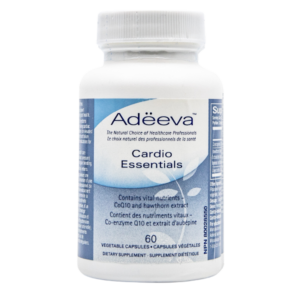
In addition to dietary modifications, supplementation with CoQ10 and Hawthorn emerges as a proactive measure to fortify heart health, particularly after the age of 45. These supplements play a crucial role in supporting heart muscle function and preventing age-related declines in cardiac health, including congestive heart failure and hypertension.

Conclusion: Empowering Heart Health

As research continues to underscore the profound impact of diet on cardiovascular health, the Portfolio Diet emerges as a formidable ally in the fight against heart disease and stroke. By embracing plant-based eating and incorporating targeted supplementation, individuals can embark on a journey towards a heart-healthy lifestyle.

References

Recommended Supplements

Dr. James Meschino

Dr. James Meschino

ABOUT THE AUTHOR

Dr. James Meschino, DC, MS, ROHP, is an educator, author, and researcher having lectured to thousands of healthcare professionals across North America. He holds a Master’s Degree in Science with specialties in human nutrition and biology and is recognized as an expert in the field of nutrition, anti-aging, fitness, and wellness as well as the author of numerous books.
Posted on

LMU 306 – Forty-five Minutes of Intense Exercise, Three Times per Week Boosts Immune System and Reduces Cancer Risk

LMU-306

Exercise: Your Secret Weapon Against Cancer

Source: Journal Clinical Cancer Research (2023)

Lifestyle Medicine Update (October 12, 2023)

Exercise has long been hailed as a cornerstone of a healthy lifestyle, with numerous studies showcasing its ability to reduce the risk of cancer and prevent its recurrence in survivors. But the burning question has always been: How does exercise exert its protective effects against cancer? A groundbreaking 2023 study published in the journal Clinical Cancer Research sheds light on this crucial mechanism.

Unveiling the Immune Boosting Powers of Exercise

In this groundbreaking study, researchers focused on patients with Lynch Syndrome, a condition characterized by a genetic predisposition to colon cancer. Lynch Syndrome patients face a significantly elevated risk of developing colon cancer due to the formation of numerous polyps in the colon. To investigate the impact of exercise on cancer risk, researchers enrolled 21 Lynch Syndrome patients and assigned half of them to a rigorous exercise regimen.

Exercise: A Shield Against Cancer

The exercise regimen entailed 45 minutes of intense endurance exercise, three times per week, over the course of one year. The results were striking: Lynch Syndrome patients who adhered to the exercise program exhibited a markedly stronger immune system. Specifically, the exercising group showed elevated levels of cancer-fighting immune cells, including CD8+ T-cells and natural killer cells, which are adept at identifying and eliminating cancer cells.

Unraveling the Immune Boosting Mechanism

Furthermore, the exercising group displayed lower levels of prostaglandin series 2 hormones, indicating a more robust immune function. This study marks the first instance of establishing a direct link between exercise and changes in immune system biomarkers, shedding light on the lower cancer rates observed in individuals who engage in regular exercise.

Beyond Lynch Syndrome: A Panacea for Cancer Prevention

While the study focused on Lynch Syndrome patients, its implications extend far beyond this specific population. The immune-boosting effects of exercise are likely to confer protection against various types of cancer, making regular physical activity a potent strategy for cancer prevention.

Enhancing Immunity: A Multifaceted Approach

While exercise plays a pivotal role in bolstering immunity, other lifestyle factors also contribute to a robust immune system. Adequate sleep, stress management, a healthy diet, weight management, and avoidance of harmful substances all play integral roles in maintaining optimal immune function.

Conclusion: Empowering Cancer Prevention

Incorporating regular exercise into your routine emerges as a powerful strategy for reducing the risk of cancer. By amplifying the action of key cancer-fighting immune cells, exercise offers a formidable defense against cancer development and recurrence.

References

Recommended Supplements

Dr. James Meschino

Dr. James Meschino

ABOUT THE AUTHOR

Dr. James Meschino, DC, MS, ROHP, is an educator, author, and researcher having lectured to thousands of healthcare professionals across North America. He holds a Master’s Degree in Science with specialties in human nutrition and biology and is recognized as an expert in the field of nutrition, anti-aging, fitness, and wellness as well as the author of numerous books.
Posted on

LMU 305 – Ginger Supplementation Suppresses Dangerous Inflammation and Blood Clots in Lupus, Related Autoimmune Conditions, and Infections: Animal and Human Evidence

LMU-305

Ginger: A Potent Ally Against Inflammation and Autoimmune Diseases

Source: JCI Insights (American Society for Clinical Investigation) – September 22, 2023

Lifestyle Medicine Update (September 26, 2023)

Ginger, a common kitchen spice, has long been revered for its anti-inflammatory properties. Recent research published in the September 2023 issue of JCI Insights unveils yet another remarkable benefit of ginger supplementation: its ability to suppress a dangerous inflammatory reaction known as NETosis, particularly relevant in autoimmune diseases like Lupus.

 Unveiling Ginger’s Power

The study conducted by researchers sheds light on ginger’s role in inhibiting NETosis, a process where white blood cells overreact, triggering excessive inflammation seen in autoimmune conditions and severe infections like severe COVID-19. By preventing NETosis, ginger supplementation emerges as a promising intervention to safeguard against organ failure and life-threatening blood clots.

Insights from Human and Animal Studies

Building on findings from a mouse model of Lupus, the research extended to healthy human volunteers. Remarkably, ginger supplementation not only curbed NETosis in mice but also in humans exposed to disease-promoting stimuli. This breakthrough underscores ginger’s potential to modulate the inflammatory response through molecular mechanisms that suppress NETosis formation.

The Power of Natural Remedies

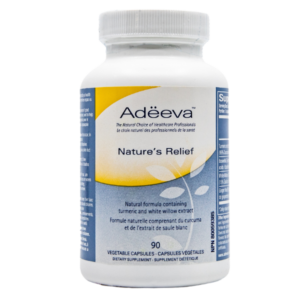
This groundbreaking research underscores the significance of natural anti-inflammatory agents like ginger in managing various arthritic and inflammatory conditions. Combined with other potent supplements like Curcumin, Boswellia, and White Willow Extract, ginger forms a formidable arsenal against inflammation and pain, offering an integrated approach to treatment.

Standardization Matters

When considering ginger supplementation, opting for standardized-grade products is crucial to ensure optimal efficacy. Supplements should be standardized to contain high levels of gingerols, the medicinal compounds responsible for ginger’s therapeutic effects. Similarly, Curcumin, Boswellia, and White Willow Extract should meet standardized grade criteria to deliver consistent benefits.

Conclusion: A Natural Solution to Inflammation

The combination of Curcumin, Ginger, Boswellia, and White Willow Extract offers a comprehensive approach to inflammation management, potentially reducing reliance on conventional anti-inflammatory drugs. By including ginger in supplementation, individuals can not only combat inflammation but also mitigate the risk of NETosis, safeguarding against autoimmune diseases and severe infections.

Reference

Ramadan A et al. *Ginger intake suppresses neutrophil extracellular trap formation in autoimmune mice and healthy humans.* JCI Insight. September 22, 2023. [Link](https://jci.org/insight/2023/091/001)

Recommended Supplements

Dr. James Meschino

Dr. James Meschino

ABOUT THE AUTHOR

Dr. James Meschino, DC, MS, ROHP, is an educator, author, and researcher having lectured to thousands of healthcare professionals across North America. He holds a Master’s Degree in Science with specialties in human nutrition and biology and is recognized as an expert in the field of nutrition, anti-aging, fitness, and wellness as well as the author of numerous books.
Posted on

LMU 304 – Snacking on Almonds Reverses Facial Wrinkles and Bad Cholesterol: True Story

LMU-304

Almonds: A Delicious Path to Healthier Skin and Heart

Source: Phytother Res J (2019)

Lifestyle Medicine Update (September 20, 2023)

Studies in recent years have uncovered the remarkable health benefits of almonds, not just for the heart but also for the skin. If you’re looking for a tasty and nutritious snack, a handful of almonds might just be the answer.

Heart Health: Lowering Bad Cholesterol

Research, including a study published in the *Journal of the American Heart Association*, reveals that consuming 42.5 grams of almonds daily (approximately 25 almonds) can reduce bad cholesterol by 7% in individuals at high risk for heart disease. This makes almonds an excellent addition to your daily diet for heart health.

Reversing Facial Aging

But the benefits of almonds extend beyond heart health. Beginning in 2019, a series of studies found that daily almond consumption could reverse facial wrinkles in postmenopausal women. These studies showed significant improvements in complexion and a reduction in facial pigment intensity among almond consumers.

Protection Against Sun Damage

How do almonds work their magic on the skin? According to Dr. Leslie Baumann MD, almonds are rich in protective compounds like phenols, polyphenols, fatty acids, and vitamin E. These antioxidants shield the skin from UV light damage, reverse aging signs, and combat blotchy pigmentation.

The Science Behind It

The groundbreaking research started in 2019 with a study involving postmenopausal women. Subsequent studies in 2021 reinforced these findings, demonstrating the ability of almonds to reduce facial wrinkles and pigment intensity. Moreover, a study involving healthy Asian women showcased almonds’ ability to enhance UV resistance, protecting against sunburn and skin cancer risks.

Topical Benefits of Almond Oil

In addition to dietary consumption, the topical application of almond oil has shown promise in wound healing, eczema, and psoriasis treatment. Dr. Baumann’s review emphasizes the versatility of almonds in skincare beyond dietary intake.

Incorporating Almonds into Your Routine

To reap the benefits, aim for about 20-25 almonds per day as a snack. However, it’s worth noting that almond milk doesn’t offer the same advantages as whole almonds.

Conclusion: A Nutritious and Skin-Friendly Snack

Almonds are not only a delicious snack but also a powerhouse of nutrients that promote heart health and youthful skin. By making almonds a part of your daily routine, you can nourish your body from the inside out.

References

Recommended Supplements

Dr. James Meschino

Dr. James Meschino

ABOUT THE AUTHOR

Dr. James Meschino, DC, MS, ROHP, is an educator, author, and researcher having lectured to thousands of healthcare professionals across North America. He holds a Master’s Degree in Science with specialties in human nutrition and biology and is recognized as an expert in the field of nutrition, anti-aging, fitness, and wellness as well as the author of numerous books.
Posted on

LMU 303 – Vitamin D Supplementation Reduces Cancer Relapse and Death in High-Risk Intestinal Tract Cancer Survivors (Colo-Rectal, Stomach, Esophageal, Small Bowel Cancer Survivors)

LMU-303

Vitamin D: A Powerful Ally Against Digestive Tract Cancer

Source: Journal of the American Medical Association (JAMA) August 22, 2023

Lifestyle Medicine Update (September 12, 2023)

The Protective Role of Vitamin D

Recent research, published in JAMA in August 2023, highlights the remarkable potential of vitamin D in combating digestive tract cancers. The study offers promising insights into the role of vitamin D supplementation in reducing cancer relapse or death, particularly in high-risk patients.

Study Findings

The study, conducted among patients who underwent surgery for digestive tract cancers, demonstrated a significant reduction in cancer relapse or death among those supplemented with 2,000 IU of vitamin D daily. Remarkably, this supplementation led to a staggering 73% decrease in risk compared to the placebo group, specifically among patients with p53-positive immunoreactivity.

Understanding the Mechanism

The presence of p53 immunoreactivity indicates a higher risk profile, often associated with more advanced and life-threatening cancers. Vitamin D supplementation not only reduced the risk of relapse or death but also highlighted its potential in cancer immunotherapy, particularly targeting mutated p53 proteins.

Insights from Previous Studies

This study aligns with previous research showcasing vitamin D’s immune-boosting properties and its role in cancer prevention. Meta-analyses and clinical trials have consistently demonstrated the benefits of vitamin D supplementation, emphasizing its potential to reduce cancer mortality and improve survival rates.

Key Takeaways

  • Ensure optimal vitamin D levels (75-150 umol/L or 30-60 ng/ml) to mitigate the risk of severe infection and certain cancers.
  • Supplement with 2,000 IU of vitamin D daily to maintain ideal levels and reduce the likelihood of cancer relapse or death.

Conclusion

Vitamin D emerges as a game-changer in the fight against digestive tract cancers, offering hope for patients at high risk of relapse or death. By harnessing the immunomodulatory properties of vitamin D, we can potentially revolutionize cancer treatment strategies and enhance patient outcomes.

References

Recommended Supplements

Dr. James Meschino

Dr. James Meschino

ABOUT THE AUTHOR

Dr. James Meschino, DC, MS, ROHP, is an educator, author, and researcher having lectured to thousands of healthcare professionals across North America. He holds a Master’s Degree in Science with specialties in human nutrition and biology and is recognized as an expert in the field of nutrition, anti-aging, fitness, and wellness as well as the author of numerous books.