Posted on

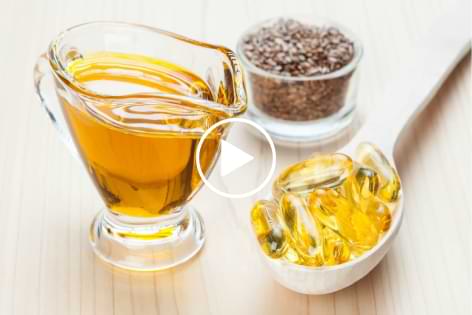
LMU 194 – Unlocking the Health Benefits of Flaxseed Oil: The Omega-3 Powerhouse

LMU-194

Unlocking the Health Benefits of Flaxseed Oil: The Omega-3 Powerhouse

Source: Various Clinical Studies (See References)

Lifestyle Medicine Update (March 2, 2021)

Introduction:

In the world of supplements, one often hears about the wonders of fish oil and its omega-3 fatty acids, EPA and DHA. However, there’s another unsung hero in the realm of essential fatty acids – flaxseed oil. Rich in alpha-linolenic acid (ALA), a type of omega-3 fat, flaxseed oil offers a multitude of health benefits that are often overshadowed. In this update, we’ll delve into the compelling research supporting the use of flaxseed oil and its potential to positively impact various aspects of health.

The Omega-3 Fats in Fish Oil: A Brief Overview

Before diving into the realm of flaxseed oil, let’s take a moment to appreciate the well-known benefits of omega-3 fats found in fish oil, such as EPA and DHA. These essential fatty acids are known to be converted by the body into local hormones that actively reduce inflammation, support cardiovascular health, and potentially reduce cancer risk. They also play a vital role in promoting brain health. Given these impressive credentials, it’s no wonder that many individuals incorporate fish oil into their daily routine.

Borage Seed Oil: A Powerful Ally

In addition to fish oil, many health-conscious individuals also recognize the significance of borage seed oil. This oil contains gamma-linolenic acid (GLA), which has demonstrated the ability to reduce inflammation and address various health issues, including skin problems, arthritis, and nerve damage.

Flaxseed Oil: The Unsung Hero

Now, let’s turn our attention to the star of our update – flaxseed oil. This often-overlooked supplement holds a treasure trove of health benefits, primarily owing to its high ALA content (alpha-linolenic acid). What sets ALA apart is its unique ability to be gradually converted by the body into the omega-3 fats EPA and DHA, the same ones found in fish oil. This conversion process is of immense significance, as it directly inhibits the transformation of omega-6 fats into arachidonic acid – a substance notorious for generating local hormones (PG-2) that drive inflammation and elevate cancer risk in experimental studies.

Lowering Blood Pressure: Flaxseed Oil’s Silent Achievement

One remarkable aspect of flaxseed oil’s impact on health is its potential to lower blood pressure. The National Heart and Lung in Adults study conducted in 2005 was among the pioneers in demonstrating the association between increased ALA intake from flaxseed oil and reduced blood pressure. This large-scale study involving over 4500 subjects revealed that higher tissue stores of ALA in adipose tissue were linked to lower blood pressure readings, reinforcing the importance of flaxseed oil as a dietary supplement.

A subsequent study, published in the European Journal of Clinical Nutrition in 2007, showcased the tangible benefits of flaxseed oil supplementation in high blood pressure patients with additional risk factors for heart disease, including elevated LDL-cholesterol and low HDL-cholesterol levels. The study, spanning 12 weeks and involving eighty-seven male volunteers, aged 35 to 70 years, clearly indicated that the group receiving flaxseed oil supplementation experienced a significant reduction in both systolic and diastolic blood pressure.

To put this into perspective, a mere 2-point decrease in blood pressure corresponds to a 7% reduction in heart disease risk and a 10% reduction in stroke risk. Therefore, the 5-point drop observed in systolic and diastolic pressure among those taking flaxseed oil is indeed a significant milestone in heart health.

Guarding Against Atrial Fibrillation and Cancer: Flaxseed Oil’s Expanding Role

The benefits of flaxseed oil extend beyond blood pressure control. In vitro studies have suggested that flaxseed oil supplementation may reduce the risk of developing atrial fibrillation, a condition affecting 9% of people over the age of 65.

Moreover, flaxseed oil exhibits promise in reducing the risk of certain cancers. Experimental studies have shown that it can inhibit chemical-induced colon cancer, outperforming corn oil supplementation. This effect may be attributed to ALA’s indirect conversion to prostaglandin hormones that slow down cell division, a key factor in reducing cancer risk in various tissues throughout the body.

Balancing the Omega-3 and Omega-6 Ratio: A Modern Imperative

The modern diet, characterized by the excessive consumption of vegetable oils such as corn, sunflower seeds, safflower seeds, cottonseeds, and soybeans, has disrupted the essential fatty acid balance in our bodies. The omega-6 to omega-3 fatty acid ratio in Western diets has shifted to a staggering 20–30:1, significantly deviating from the optimal balance required for good health. Daily supplementation with both fish and flaxseed oil can help restore this balance, aligning it more closely with the genetic heritage of our ancestors.

Flaxseed Oil: A Versatile Health Ally

In summary, flaxseed oil is an underappreciated source of omega-3 fats with a growing body of evidence supporting its numerous health benefits. It can help lower blood pressure, reduce inflammatory mediators, potentially mitigate atrial fibrillation, and even play a role in cancer prevention. Embracing a supplement that combines fish, flaxseed, and borage seed oil can be a prudent approach for harnessing the health-promoting potential of these essential fatty acids.

In a world where maintaining health and well-being is of paramount importance, flaxseed oil emerges as a versatile and powerful ally that should not be overlooked.

References

  1. [Hypertension Journal (2005)](https://www.ahajournals.org/doi/10.1161/01.HYP.0000154679.41568.e6)
  2. [European Journal of Hypertension (2007)](https://www.nature.com/articles/1602631.pdf)
  3. [Ander BP, Weber AR, Rampersad PP, Gilchrist JS, Pierce GN, Lukas A. “Dietary flaxseed protects against ventricular fibrillation induced by ischemia-reperfusion in normal and hypercholesterolemic rabbits.” J Nutr. 2004;134:3250–3256.](https://pubmed.ncbi.nlm.nih.gov/15570010/)
  4. [2010 Study – Nutrition and Cancer: Colon Cancer Study](https://www.tandfonline.com/doi/abs/10.1207/s15327914nc5101_8)
  5. [2015 review of flaxseed in J Food Sci and Technology](https://www.ncbi.nlm.nih.gov/pmc/articles/PMC4375225/)
Eat Smart, Live Well, Look Great,
 

Dr. Meschino

Dr. James Meschino

Dr. James Meschino

ABOUT THE AUTHOR

Dr. James Meschino, DC, MS, ROHP, is an educator, author, and researcher having lectured to thousands of healthcare professionals across North America. He holds a Master’s Degree in Science with specialties in human nutrition and biology and is recognized as an expert in the field of nutrition, anti-aging, fitness, and wellness as well as the author of numerous books.
Posted on

LMU 193 – Unlocking the Power of Vitamin D: A Health Game Changer

LMU-193

Unlocking the Power of Vitamin D: A Health Game Changer

Source: GOV.UK Vitamin D and care homes guidance (January 15, 2021) and Molecular Oncology (February 2021)

Lifestyle Medicine Update(February 23, 2021)

Introduction:

In late 2020 and early 2021, the world witnessed a pivotal moment in the realm of public health. Two significant publications shed light on the remarkable potential of vitamin D supplementation, offering hope for a healthier future. The United Kingdom government took proactive steps to make vitamin D supplements available to over 2.5 million older citizens residing in Care Homes. Simultaneously, German researchers unveiled groundbreaking findings that showcased the potential of vitamin D supplementation in reducing cancer deaths. Here’s what you need to know about these game-changing developments.

United Kingdom’s Vitamin D Initiative: A Lifeline for Seniors

In November 2020, the United Kingdom government embarked on a mission to safeguard the health of its elderly population by offering free vitamin D supplements to older individuals living in care homes across the nation. This decision was fuelled by a multifaceted concern. While vitamin D has long been associated with bone health, emerging evidence suggests that higher vitamin D blood levels may also reduce the risk of mortality from Covid-19. Additionally, the challenges posed by the pandemic, such as limited outdoor activities, have made it harder for older individuals to synthesize vitamin D from sunlight. Even during the winter months, when sunlight is scarce, vitamin D levels tend to plummet among UK citizens.

The government’s proactive approach involves the distribution of a daily vitamin D supplement, containing 400 IU of vitamin D, to this vulnerable demographic. While this effort is commendable, some experts argue that the dosage may be too low to exert a significant impact.

German Study: Unveiling the Potential of Vitamin D

In February 2021, German researchers unveiled a groundbreaking study published in the journal Molecular Oncology. Their research centred on a critical revelation: vitamin D supplementation could hold the key to reducing cancer deaths. The study cited three previous meta-analyses, showcasing that vitamin D supplementation at a daily dose of 1,000 IU was associated with a remarkable 13% reduction in cancer death rates.

The researchers at the German Cancer Research Centre (DKFZ) took these findings a step further, applying them to the German population. Their calculations yielded a staggering result: “If all Germans over the age of 50 were to take vitamin D supplements, up to 30,000 cancer deaths per year could possibly be avoided, and more than 300,000 years of life could be gained.” Moreover, this proactive approach could result in substantial healthcare cost savings.

The calculations were based on a daily administration of 1,000 IU of vitamin D, costing 25 euros per person per year. With approximately 36 million people over the age of 50 in Germany, annual supplementation costs would amount to 900 million euros. Factoring in a 13% reduction in cancer care costs due to fewer cases, this approach could save the healthcare system an impressive €254 million annually.

The Key Takeaway: Know Your Vitamin D Levels

In light of these developments, it’s crucial to take charge of your vitamin D status. For most individuals, the ideal range for vitamin D in the blood falls between 80-140 nmol/L or 32-56 ng/ml. Maintaining this level supports immune function, reduces the risk of acute respiratory infections, fortifies bones, and may provide additional benefits in preventing cancer, diabetes, cardiovascular disease, and more.

For those living above or below the 40th-degree latitude, which roughly bisects the United States from north to south, supplementation is often necessary to achieve these optimal blood levels. In Canada, for instance, everyone resides well above the 40th-degree latitude, making supplementation particularly crucial.

In Conclusion: Harnessing the Health Benefits of Vitamin D

The recent initiatives in the United Kingdom and the groundbreaking study in Germany underscore the profound impact that vitamin D supplementation can have on public health. While vitamin D is often associated with bone health, its potential extends far beyond that. It has the capacity to enhance immune function, reduce the risk of various diseases, and, as the German study suggests, save lives.

In a world that continues to grapple with health challenges, knowing your vitamin D levels and considering supplementation when needed can be a simple yet powerful step towards a healthier and brighter future.

References

  1. [UK Government Announcement](https://www.theguardian.com/society/2020/nov/28/more-than-25m-people-in-england-to-get-free-vitamin-d-supply)
  2. [German Study: Tobias Niedermaier, Thomas Gredner, Sabine Kuznia, Ben Schöttker, Ute Mons, Hermann Brenner. “Vitamin D supplementation to the older adult population in Germany has the cost-saving potential of preventing almost 30,000 cancer deaths per year.” Molecular Oncology, 2021](https://febs.onlinelibrary.wiley.com/doi/10.1002/1878-0261.12924)
  3. [Vitamin D and Respiratory Tract Infections: Bergman P, Lindh A, Bjorkhem-Bergman, Lindh J. “Vitamin D and respiratory tract infections: A systemic review and meta-analysis of randomized controlled studies.” PLOS (peer-reviewed, open access journal). 2013; 8(6):e65835](https://www.ncbi.nlm.nih.gov/pmc/articles/PMC3686844)
  4. [Vitamin D and Cancer, Diabetes, Heart Disease and Osteoporosis: Holick MF. “Vitamin D: Importance in the prevention of cancers, type 1 diabetes, heart disease, and osteoporosis.” Am J Clin Nutr. Vol 79, Issue 3. March 2004](https://academic.oup.com/ajcn/article/79/3/362/4690182)
 
Eat Smart, Live Well, Look Great,
 

Dr. Meschino

Dr. James Meschino

Dr. James Meschino

ABOUT THE AUTHOR

Dr. James Meschino, DC, MS, ROHP, is an educator, author, and researcher having lectured to thousands of healthcare professionals across North America. He holds a Master’s Degree in Science with specialties in human nutrition and biology and is recognized as an expert in the field of nutrition, anti-aging, fitness, and wellness as well as the author of numerous books.

Posted on

LMU 192 – The Astonishing Perks of Coffee: A Heart-Healthy Brew

The Astonishing Perks of Coffee: A Heart-Healthy Brew

Source: Journal Circulation (February 2012)

Lifestyle Medicine Update (February 17, 2021)

Introduction:

Coffee, the aromatic elixir that graces breakfast tables around the world, has long been a subject of debate in the realm of health. While some argue that it’s a vice best avoided, recent studies have brewed up a revelation that challenges this perception. In February 2021, the American Heart Association journal, Circulation, presented findings from three extensive studies that illuminate a surprising connection between caffeinated coffee consumption and a reduced risk of developing congestive heart failure, a condition that plagues a significant portion of the aging population in the United States.

The Java Jolt: A Heart-Saving Cup of Coffee

Intriguingly, these studies, each boasting over a decade of follow-up data and encompassing the lives of more than 21,000 U.S. adults, unravelled a significant relationship between coffee consumption and heart health. The analysis divulged the following key insights:

  • The Framingham Heart Study revealed a compelling trend: for every cup of coffee consumed per day, the risk of heart failure over the span of decades diminished by 5-to-12% when compared to those who abstained from coffee altogether.
  • In the Atherosclerosis Risk in Communities Study, individuals who savored a daily dose of at least 2 cups of caffeinated coffee experienced a remarkable 30% reduction in heart failure risk.
  • However, when it comes to decaffeinated coffee, the story took a twist. The Framingham Heart Study found that drinking decaffeinated coffee appeared to significantly increase the risk of heart failure.
  • In the Cardiovascular Health Study, the influence of decaffeinated coffee on heart failure risk was less pronounced, with neither an increase nor a decrease in risk observed.

Upon closer examination, researchers found a common thread weaving through these findings: caffeine. It appeared that caffeine consumption, regardless of the source, was associated with a reduced risk of heart failure, suggesting that caffeine played a pivotal role in the apparent benefits of coffee consumption. This discovery challenges the prevalent belief that coffee is detrimental to heart health.

Brewing Health with Caffeine

These revelations provide a tantalizing glimpse into the protective properties of caffeine in coffee. Contrary to popular misconceptions, the studies found no evidence linking regular consumption of caffeinated coffee to an increased risk of high blood pressure or palpitations. The federal dietary guidelines stipulate that three to five 8-ounce cups of coffee per day can be incorporated into a healthy diet. However, this endorsement pertains exclusively to “plain black coffee.” The American Heart Association sounds a note of caution, highlighting that coffee-based beverages like lattes and macchiatos often hide a high-calorie, sugar-laden, and saturated fat-laden secret. Furthermore, while coffee offers health benefits, excessive caffeine consumption can be perilous.

It is essential to underscore that caffeine is not suitable for children, a stance supported by the American Academy of Pediatrics, which advises that children generally steer clear of caffeinated beverages.

Beyond Heart Health: Coffee’s Multifaceted Benefits

The merits of coffee extend beyond its heart-protective effects. Research has unveiled additional health benefits associated with moderate coffee consumption:

  1. Guarding the Liver: Chronic liver disease is a formidable adversary, ranking as the 11th leading cause of death in the United States. Coffee, it turns out, may serve as an ally in this battle. Studies have suggested that drinking two to four cups of coffee per day is linked to a decreased risk of chronic liver disease. Coffee contains bioactive compounds that support liver health and obstruct critical steps in the development of liver disease. Caffeine, one of these compounds, appears to play a pivotal role in this protective mechanism.
  2. Shielding Against Colon Cancer: Colon cancer stands as the second leading cause of cancer-related mortality. Coffee emerges as a potential defender against this formidable foe. Rich in bioactive compounds, coffee has demonstrated the ability to block key stages in the development of colon cancer. Caffeine, once again, appears to be a key player in this safeguarding process.

A Personal Touch: Coenzyme Q10 and Hawthorn

While coffee provides a flavourful avenue toward heart health, supplementation with Coenzyme Q10 (CoQ10) and Hawthorn emerges as a significant strategy for fortifying the heart as individuals cross the threshold of 45 or 50 years of age. Aging bodies naturally produce less CoQ10, a vital component that the heart muscle relies on to convert food into energy. This age-related decline in CoQ10 synthesis contributes to a weaker heart pump, even in individuals who maintain high fitness levels. Weakened heart muscles are a central factor in the development of congestive heart failure.

Hawthorn, when paired with CoQ10, exhibits a synergistic effect, enhancing energy production in the aging heart muscle. This dynamic duo offers a formidable defence against age-related heart muscle weakness, providing added assurance for heart health.

In Conclusion: Sip and Supplement for Heart Health

In the grand tapestry of health, coffee has emerged as an unexpected ally in the fight against congestive heart failure. Contrary to conventional wisdom, caffeine, the lifeblood of coffee, appears to be a key player in this protective relationship. However, moderation remains key, and indulging in sugary coffee concoctions can undermine the potential benefits.

While coffee has its place in the pursuit of health, it is by no means an irreplaceable facet of a long and heart-healthy life. For those who find pleasure in a daily cup of black coffee without adverse effects, it’s an enjoyable and potentially health-promoting addition to the routine. However, for those aged 45 or older, considering daily supplementation with CoQ10 and Hawthorn could be a wise strategy to bolster the aging heart muscle.

In the grand symphony of health, let coffee be the overture to a life well-lived, but remember that it is merely one note in the melody of longevity and heart wellness.

References

  1. Stevens LM, Linstead E, Hall JL, Kao DP. “Association Between Coffee Intake and Incident Heart Failure Risk.” *Circulation: Heart Failure*, 2021. [Read More](https://www.ahajournals.org/doi/10.1161/CIRCHEARTFAILURE.119.006799)
  2. Coffee and Liver Disease: [Read More](https://www.medicalnewstoday.com/articles/275028)
  3. Coffee and Colon Cancer: [Read More](https://www.ncbi.nlm.nih.gov/pmc/articles/PMC4874555/)
  4. Coenzyme Q10 and Heart Failure: [Read More](https://www.ahajournals.org/doi/10.1161/CIRCHEARTFAILURE.115.002639?url_ver=Z39.88-2003&rfr_id=ori:rid:crossref.org&rfr_dat=cr_pub%20%200pubmed)
  5. Hawthorn and Heart Failure: [Read More](https://www.aafp.org/afp/2010/0215/p465.html)
 
Eat Smart, Live Well, Look Great,
 

Dr. Meschino

Dr. James Meschino

Dr. James Meschino

ABOUT THE AUTHOR

Dr. James Meschino, DC, MS, ROHP, is an educator, author, and researcher having lectured to thousands of healthcare professionals across North America. He holds a Master’s Degree in Science with specialties in human nutrition and biology and is recognized as an expert in the field of nutrition, anti-aging, fitness, and wellness as well as the author of numerous books.

Posted on

LMU 191 – The Cholesterol Conundrum

LMU-191

LMU 191 - The Cholesterol Conundrum

Source: Journal of Clinical Investigation (November 2020)

Lifestyle Medicine Update (February 10, 2021)

Introduction:

High cholesterol levels have long been associated with an increased risk of heart disease. Fortunately, the scientific community has unearthed a culinary ally in the fight against bad cholesterol (LDL). Studies have consistently shown that EVOO contains an abundance of phenolic compounds that can help lower LDL cholesterol. A 2015 study published in *Nutrition & Diabetes* found that EVOO consumption improved post-prandial blood glucose and LDL cholesterol levels in healthy subjects, making it a heart-healthy choice [1]. So, when you reach for your salad dressing, consider the golden goodness of EVOO over corn oil for a heart-healthy meal.

The Sugar Spike Solution

The post-meal blood sugar spike can be a perilous journey for those at risk of diabetes. EVOO, however, offers a lifeline in this sugar-laden sea. Studies have revealed that EVOO can help regulate blood sugar levels, especially when compared to meals prepared with corn oil. Its phenolic compounds work their magic, making it a preferred choice for sautéing vegetables, onions, garlic, and more. Dive into the science behind your culinary choices and opt for EVOO to keep those blood sugar spikes at bay.

EVOO’s Anti-Cancer Arsenal

The battle against cancer rages on, and the Mediterranean diet, enriched with EVOO, has emerged as a potent weapon. EVOO’s phenolic compounds are believed to possess anti-cancer properties. In a 2015 study published in the *Journal of the American Medical Association*, the inclusion of EVOO in the Mediterranean diet was associated with a significant reduction in breast cancer risk among older, overweight women [3]. The secret to its cancer-fighting prowess lies in these polyphenols, making EVOO a formidable ally in the war against cancer.

Atherosclerosis and EVOO: A Science-Backed Story

Atherosclerosis, the buildup of plaque in arterial walls, is a harbinger of heart disease. EVOO’s effects on this insidious condition have been explored in-depth. Research published in the *FASEB Journal* in 2010 found that EVOO outperformed regular olive oil in reducing atherosclerosis and inflammation in both human and laboratory studies [4]. This evidence underscores the superior cardiovascular benefits of EVOO and its potential to keep arteries clear.

The HDL Hero: EVOO’s Contribution to Good Cholesterol

Cholesterol isn’t all bad. High-density lipoprotein (HDL) cholesterol is often dubbed the “good” cholesterol because it helps remove cholesterol from artery walls, promoting cardiovascular health. A 2019 meta-analysis published in the *Frontiers of Nutrition Journal* confirmed that EVOO can increase blood HDL levels, further enhancing its reputation as a heart-healthy choice [5]. The golden elixir’s ability to boost HDL levels is a boon for those seeking to maintain their heart’s well-being.

EVOO and the Enigma of Multiple Sclerosis

Multiple Sclerosis (MS) is a debilitating autoimmune disease, and the search for its triggers has led researchers to examine dietary factors. A study published in November 2020 in the *Journal of Clinical Investigation* presented intriguing findings. It suggested that insufficient intake of olive oil might contribute to the development and progression of MS [6]. MS patients often exhibit low levels of oleic acid, the primary fat in olive oil. Researchers have homed in on oleic acid’s impact on T-regulatory cells, or Treg cells, which play a pivotal role in immune system regulation.

In MS patients, Treg cells become dysfunctional, allowing other immune cells to attack the body’s normal tissues and promote inflammation. This phenomenon lies at the core of autoimmune diseases, where the body’s immune cells turn against its own tissues. For individuals with MS, this means immune cells attacking and destroying the myelin sheath that insulates nerve cables, leading to muscle weakness and paralysis. The 2020 study exposed Treg cells from MS patients to arachidonic acid, a polyunsaturated fat found in high-fat meat products, and oleic acid from olive oil. Remarkably, Treg cells exposed to arachidonic acid displayed increased activity of genes that promote inflammation, whereas exposure to oleic acid induced changes in Treg cell genes that restored normal function. This restoration could suppress the action of other immune cells involved in the progression of MS.

The Mediterranean Diet Connection

The Mediterranean diet, which prominently features olive oil, has long been associated with a decreased risk of developing MS. Case-control studies have provided evidence of this connection [7]. Furthermore, research with MS patients has demonstrated that a low-fat diet, supplemented with omega-3 fats and the inclusion of olive oil, can offer moderate benefits to those suffering from MS [8]. These findings highlight the potential of dietary choices, such as adopting a Mediterranean diet, to mitigate the risk and impact of autoimmune diseases like MS.

Flaxseed Oil’s Role in MS Prevention

While olive oil takes center stage, another dietary component, flaxseed oil, emerges as a potential player in MS prevention. A study published in *Multiple Sclerosis Journal* in 2017 showed that a higher consumption of alpha-linolenic acid, the main omega-3 fat found in flaxseed oil, reduced the risk of developing MS by approximately 40% [9]. Interestingly, fish and fish oil consumption did not yield the same protective effect in this study. Thus, incorporating flaxseed oil into your diet may also be a modifiable lifestyle factor in the prevention of MS, emphasizing the importance of healthy fat choices.

Conclusion: The Power of Healthy Fats and Polyphenols

In the quest for optimal health and the prevention of degenerative and autoimmune diseases, the choices we make in our daily diet matter. Extra virgin olive oil, with its wealth of polyphenols, stands as a shining example of a culinary choice with scientifically proven health benefits. From regulating cholesterol and blood sugar to battling cancer and potentially protecting against Multiple Sclerosis, EVOO’s versatility in promoting health is undeniable. As we navigate the world of nutrition, let us remember the wisdom of choosing foods rich in healthy fats and polyphenols while avoiding those that promote inflammation. It’s a small dietary change that can make a world of difference in our well-being, providing us with a golden elixir of health for years to come.

References

  1. Violi F, Loffredo L, Pignatelli P, Angelico F, Bartimoccia S, Nocella C, Cangemi R, Petruccioli A, Monticolo R, Pastori D, Carnevale R. “Extra virgin olive oil use is associated with improved post-prandial blood glucose and LDL cholesterol in healthy subjects.” *Nutrition & Diabetes* (2015) 5, e172; 20 July 2015.
  2. Oleocanthol phenolic compound kills cancer cells: [Link](http://www.ncbi.nlm.nih.gov/pubmed/26380379)
  3. Extra virgin olive oil shown to reduce breast cancer risk in older, overweight women:                                                                                                   [Link](http://archinte.jamanetwork.com/article.aspx?articleid=2434738&resultClick=1)
  4. Extra virgin olive oil outperforms regular olive oil in studies looking at atherosclerosis and inflammation:                                                         [Link](https://www.fasebj.org/content/24/7/2546)
  5. Extra virgin olive oil increases blood HDL levels (meta-analysis): [Link](https://www.ncbi.nlm.nih.gov/pmc/articles/PMC6379345/)
  6. Pompura SL, et al. “Oleic acid restores suppressive defects in tissue-resident FOXP3 Tregs from patients with multiple sclerosis.” *The Journal of Clinical Investigation*. Nov. 2019.
  7. Sedaghat F et al. “Mediterranean diet adherence and risk of multiple sclerosis: a case-control study.” *Asia Pac J Clin Nutr*, 2016, 25; 2 : 377-384.
  8. Wernstock-Guttman et al. “Low-fat dietary intervention with omega-3 fatty acid supplementation in multiple sclerosis patients.” 2005, 73;3: 397-404.
  9. Bjornevik K et al. “Polyunsaturated fatty acids and the risk of multiple sclerosis.” *Mult Scler Journal*, 2017, 23;14: 1830-1838.
 
Eat Smart, Live Well, Look Great,
 

Dr. Meschino

Dr. James Meschino

Dr. James Meschino

ABOUT THE AUTHOR

Dr. James Meschino, DC, MS, ROHP, is an educator, author, and researcher having lectured to thousands of healthcare professionals across North America. He holds a Master’s Degree in Science with specialties in human nutrition and biology and is recognized as an expert in the field of nutrition, anti-aging, fitness, and wellness as well as the author of numerous books.

Posted on

LMU 190 – Explore the Health Secrets of Milk Thistle: A Botanical Marvel

LMU-190

LMU 190 - Explore the Health Secrets of Milk Thistle: A Botanical Marvel

Source: Today’s Dietician (April 2020)

Nutrition / Natural Medicine Update (February 2, 2021)

Introduction:

In recent years, herbal dietary supplements have surged in popularity in the United States, with American consumers spending over $6 billion on these natural remedies in 2019 alone—an impressive 8.6% increase from the previous year. Within this diverse category of supplements, one particular botanical, Milk thistle, has been making waves as a go-to choice for liver health. In 2019, sales of Milk thistle supplements experienced a remarkable 6% growth, reflecting a burgeoning interest in its potential benefits. Worldwide, approximately 890 tons of Milk thistle supplements were sold in 2018, with North America and Europe being the primary consumers. So, what exactly is Milk thistle, and why has it captured the attention of health-conscious individuals around the globe?

Milk Thistle Unveiled: A Botanical Marvel

Milk thistle, scientifically known as Silybum marianum, is a distinctive prickly plant characterized by its purple flowers and striking white veins. However, it’s the active components within this plant that have catapulted it to the forefront of the herbal supplement market. These compounds, collectively referred to as silymarin, serve as the driving force behind Milk thistle’s formidable health benefits. Silymarin has demonstrated its worth through its potent antioxidant, antiviral, and anti-inflammatory properties. But, the jewel in Milk thistle’s crown lies in its remarkable ability to protect the liver against a formidable foe—amatoxin, a deadly toxin found in the notorious death cap mushroom.

A Lifesaving Tale of Milk Thistle

The anecdotal evidence of Milk thistle’s life-saving potential is nothing short of astonishing. In a remarkable incident, a California medical doctor, Dr. Todd Mitchell M.D., received permission from authorities to employ Milk thistle as a treatment for a family who had unwittingly ingested death cap mushrooms. Little did they know that their meal could plunge them into liver failure and imminent death. Acting swiftly, Dr. Mitchell administered a high-yield silymarin Milk thistle supplement to the affected family members. The results were nothing short of miraculous—six lives were saved, with only the 83-year-old grandmother succumbing to the mushroom’s toxicity.

Protecting and Nourishing the Liver

Beyond its exceptional prowess in neutralizing deadly toxins, Milk thistle has also shown promise in enhancing liver function in individuals with various liver conditions. Studies suggest that it can effectively reduce liver inflammation and minimize damage. In some cases, Milk thistle supplementation has even extended the life expectancy of those grappling with alcohol-induced liver cirrhosis.

The precise mechanisms by which Milk thistle safeguards liver cells remain under investigation. However, one widely accepted theory posits that it mitigates liver damage inflicted by free radicals—harmful molecules produced during the liver’s detoxification of toxic substances. This antioxidant action plays a pivotal role in preserving liver health.

Blood Sugar Regulation and Beyond

Milk thistle’s benefits extend well beyond liver protection. Research has revealed its potential to improve the management of type 2 diabetes. A 2016 study, published in Diabetic Research, compiled data from various studies involving 270 type 2 diabetic patients. The results unveiled Milk thistle’s remarkable ability to reduce blood sugar levels and hemoglobin A1c—a vital marker of long-term blood sugar control. These positive outcomes were attributed to the antioxidant and anti-inflammatory properties inherent in Milk thistle.

Empowering the Immune System

Furthermore, Milk thistle exhibits significant potential in enhancing immune system function. A 2017 review in the journal International Immunopharmacology illuminated the immune-modulating effects of Milk thistle, suggesting its potential to reduce infection risk and serve as a complementary tool in managing autoimmune disorders. In animal models, Milk thistle has demonstrated its prowess by inhibiting the growth of specific tumors. Moreover, it bolsters the immune system by promoting the proliferation of lymphocytes and various immune signalling molecules, such as interferon-gamma, IL-4, and IL-10. This response, observed in a dose-dependent manner, underscores that higher Milk thistle dosages yield more substantial immune system enhancement.

A Holistic Approach to Liver Health

Personally, I incorporate Milk thistle supplementation into my daily regimen, opting for a product that boasts an impressive 80% silymarin content. This supplement goes above and beyond, combining Milk thistle with other beneficial natural agents, including:

  • Indole-3-carbinol
  • Reishi mushroom extract
  • Astragalus

These four elements work synergistically to bolster liver health, enhance detoxification processes, fortify the immune system, regulate blood sugar, and exhibit anti-cancer properties—making them a potent combination for comprehensive well-being.

In summary, the rise of Milk thistle in the herbal supplement realm is a testament to its remarkable health benefits, particularly in the realm of liver health. Its ability to protect against toxins, reduce liver inflammation, and extend the lives of those with liver cirrhosis highlights its potential. Beyond the liver, Milk thistle contributes to improved blood sugar regulation, enhanced immune function, and the prevention of various health conditions. As we strive for healthier lives, embracing the potential of Milk thistle in conjunction with prudent dietary and lifestyle choices is a wise step towards optimizing our well-being.

References:

  1. [US Herbal Supplement Sales Increase by 8.6% in 2019](https://www.globenewswire.com/news-release/2020/08/31/
Eat Smart, Live Well, Look Great,
 

Dr. Meschino

Dr. James Meschino

Dr. James Meschino

ABOUT THE AUTHOR

Dr. James Meschino, DC, MS, ROHP, is an educator, author, and researcher having lectured to thousands of healthcare professionals across North America. He holds a Master’s Degree in Science with specialties in human nutrition and biology and is recognized as an expert in the field of nutrition, anti-aging, fitness, and wellness as well as the author of numerous books.
Posted on

LMU – 189 The Mediterranean Diet’s Remarkable Impact on Prostate Cancer

LMU-189

LMU – 189 The Mediterranean Diet's Remarkable Impact on Prostate Cancer

Source: Journal “Cancer” (2021)

Lifestyle Medicine Update (January 30, 2021)

Introduction:

In January 2021, a groundbreaking study published in the journal “Cancer” illuminated the profound influence of the Mediterranean diet on the progression of localized, low-grade prostate cancer in men. The findings provided compelling evidence that adopting a Mediterranean-style diet significantly reduces the risk of disease progression, ultimately mitigating the need for invasive treatments such as prostate removal surgery or radiation therapy.

The study tracked 410 men diagnosed with low-grade localized prostate cancer, specifically with Gleason scores of 1 and 2. These individuals were placed on a watchful waiting protocol, allowing specialists to monitor the pace at which their cancer might advance. Throughout the study, participants underwent regular testing of their prostate-specific antigen (PSA) and testosterone levels.

The trial’s demographics revealed a diverse group, with 82.9% of participants being Caucasian, 8.1% Black, and 9% belonging to other or unknown ethnicities. The median age of the subjects was 64, with 15% having diabetes, and 44% utilizing statin drugs for managing high cholesterol. Each participant’s customary dietary habits were assessed, and they were assigned a Mediterranean diet score based on their typical daily and weekly eating patterns.

The results of the study were nothing short of remarkable. Men who closely adhered to the Mediterranean diet exhibited a substantially lower risk of prostate cancer progression. In fact, for every one-point increase in their Mediterranean diet score, researchers observed a remarkable reduction of over 10% in the risk of disease progression over the course of the three-year study.

The Mediterranean Diet: A Prescription for Prostate Health

Digging deeper into the study’s findings, it becomes evident that men who embraced a diet rich in fruits, vegetables, legumes, cereals, and fish experienced a reduced likelihood of their prostate cancer advancing to a critical stage necessitating aggressive treatment options like radical prostatectomy or radiation therapy. These treatments can significantly impact one’s quality of life, making the Mediterranean diet an appealing alternative.

Even among participants with diabetes using metformin and those with high cholesterol relying on statin drugs, adherence to these dietary principles translated into a reduced risk of prostate cancer progression. The study’s conclusion underscores the significance of the Mediterranean diet: “A Mediterranean diet is non-invasive, promotes overall health, and, as demonstrated by this study, holds the potential to influence cancer progression positively.”

The Nutrient-Rich Nexus

These findings echo those of Dr. Dean Ornish MD, who previously demonstrated that a vegan diet designed to combat heart disease also yielded improved outcomes for patients with localized prostate cancer of low to moderate grade. Dr. Ornish’s patients supplemented their diets with vitamins E and C, selenium, and other key nutrients. What these findings emphasize is the presence of an array of nutrients in fruits, vegetables, and legumes that exhibit the capacity to inhibit the development and progression of prostate cancer. Several studies have even shown that natural agents from these foods, such as soy isoflavones, lycopene, ground flaxseed, green tea catechins, and vitamin D, can effectively restrain prostate cancer in clinical trials when employed during the watchful waiting stage or as part of a holistic medical management approach.

Prevention Through Diet: The Promising Route

The Adventist Health Study-2 offers additional insights into the preventative potential of dietary choices. It revealed that vegan men experienced a 33% reduced risk of developing prostate cancer, underscoring the role of a plant-based diet in mitigating the risk. Other research studies published in the International Journal of Cancer suggest that prudent dietary practices can reduce the risk of up to 75% of prostate cancer cases. The mounting evidence suggests that adopting a diet rich in plant-based foods containing various phytonutrients with anti-prostate cancer properties should be a top consideration for all men. Prostate cancer stands as the second leading cause of cancer-related death in this region, with significant potential for prevention through dietary and lifestyle improvements.

Conclusion:

In conclusion, the study published in “Cancer” in January 2021 underscores the formidable impact of the Mediterranean diet on mitigating the progression of localized, low-grade prostate cancer. It offers hope for those diagnosed with the condition, providing a non-invasive, health-promoting alternative to more aggressive treatments. Additionally, the findings reinforce the value of a diet rich in fruits, vegetables, legumes, and key nutrients as an essential tool in the fight against prostate cancer. As we strive to reduce the prevalence of this disease, it is increasingly clear that prudent dietary and lifestyle choices play a pivotal role in safeguarding prostate health.

References:

January 2021 Study:

  1. Justin R. Gregg et al. Adherence to the Mediterranean diet and grade group progression in localized prostate cancer: An active surveillance cohort. Cancer, January 2021                                                                                                                                                                                          [Read more](https://acsjournals.onlinelibrary.wiley.com/doi/10.1002/cncr.33182)
  2. Supplements Used in Complementary Management of Prostate Cancer Studies: National Cancer Institute: Prostate Cancer, Nutrition, and Dietary Supplements (PDQ) – Patient Version                                                                                                                                                                                  [Learn more](https://www.cancer.gov/about-cancer/treatment/cam/patient/prostate-supplements-pdq)
  3.  Dr. Dean Ornish MD Study of Localized Prostate Cancer with Low-to-Moderate Gleason Score:                                                                                 [Read the study](https://www.ncbi.nlm.nih.gov/pmc/articles/PMC1518978/pdf/envhper00368-0167.pdf)
  4.  Adventist Health Study-2 (Vegans and Prostate Cancer):                                                                                                                                                           [Learn more](https://www.adventistreview.org/church-news/story3607-vegan-diet-cuts-risk-of-prostate-cancer-adventist-study-finds)
  5. Prevention of Prostate Cancer by 75%: Willett W. Diet, nutrition, and avoidable cancer. Environmental Health Perspectives. 1995,103(Suppl 8):165-170                                                                                                                                                                                                                         [Read more](https://www.ncbi.nlm.nih.gov/pmc/articles/PMC1518978/pdf/envhper00368-0167.pdf)
Eat Smart, Live Well, Look Great,
 

Dr. Meschino

Dr. James Meschino

Dr. James Meschino

ABOUT THE AUTHOR

Dr. James Meschino, DC, MS, ROHP, is an educator, author, and researcher having lectured to thousands of healthcare professionals across North America. He holds a Master’s Degree in Science with specialties in human nutrition and biology and is recognized as an expert in the field of nutrition, anti-aging, fitness, and wellness as well as the author of numerous books.
Posted on

LMU – 188 Unlocking the Nutritional Power of Chickpeas and Hummus

LMU-188

LMU – 188 Unlocking the Nutritional Power of Chickpeas and Hummus

Source: Journal Nutrients (2016)

Lifestyle Medicine Update (January 22, 2021)

Introduction:

In this Lifestyle Medicine Update, we’re diving into the world of chickpeas and hummus, shedding light on their exceptional nutritional value and health-boosting benefits. A comprehensive review paper published in the journal Nutrients in December 2016 has unveiled a wealth of evidence highlighting how these humble legumes can significantly enhance our well-being. From reducing cholesterol levels and blood sugar to aiding in weight management, chickpeas and their delicious derivative, hummus, are emerging as nutritional powerhouses.

The Chickpea Revelation

Chickpeas, scientifically known as garbanzo beans, are quietly taking center stage in the world of nutrition. These versatile legumes boast a remarkable profile, including plant-based protein, cholesterol-lowering soluble fiber, colon-cleansing insoluble fiber, and a plethora of essential vitamins and minerals. They are rapidly gaining recognition as a potent dietary addition that can fuel our bodies with health and vitality.

The Hummus Connection

In Western culture, chickpea consumption often aligns with the enjoyment of hummus. Traditional hummus is a delectable dip or spread crafted from cooked, mashed chickpeas blended with tahini (crushed sesame seeds), olive oil, lemon juice, and spices. This savoury blend has become a beloved staple in many households, but its benefits extend far beyond its delightful taste.

Nutrient-Rich Duo

Studies reveal that individuals who incorporate chickpeas and/or hummus into their diets enjoy higher nutrient intake across various categories. These legume enthusiasts benefit from increased dietary fiber, polyunsaturated fatty acids, and essential vitamins and minerals like vitamin A, vitamin E, vitamin C, folate, magnesium, potassium, and iron. These nutrient-packed additions can help address the dietary deficiencies observed in about 75% of North American adults, particularly those lacking in vegetables, fruits, dairy, and essential fatty acids.

A Rising Star

Over the past decade, the popularity of hummus in the United States has soared, with sales reaching a staggering $530 million by 2013. This remarkable growth, surging by over 25% since 2010, underscores the rising appreciation for the health-promoting qualities of chickpeas and hummus.

The Fiber Factor

Chickpeas and hummus are robust sources of dietary fiber, with a medium avocado providing an impressive 12 grams of this essential nutrient. Dietary fiber is often insufficient in the diets of both adults and children, making chickpeas and hummus valuable allies in bridging this nutritional gap. Moreover, the heat treatment required to create hummus significantly improves the protein quality of legumes like chickpeas, rendering them even more nutritious. This aspect is especially vital for vegans and those following plant-based diets.

Cholesterol Control

One of the standout benefits of chickpeas is their potential to lower cholesterol levels. Chickpeas are rich in soluble fiber, which effectively binds to cholesterol and bile acids in the gut, preventing their absorption into the bloodstream. This natural cholesterol-lowering mechanism supports heart and cardiovascular health and reduces the risk of related diseases.

Blood Sugar Regulation

Chickpeas’ high fiber content also plays a crucial role in regulating blood sugar levels. The fiber slows the absorption of carbohydrates into the bloodstream, preventing blood sugar spikes and contributing to stable glucose levels throughout the day. By replacing starchy staples like bread, pasta, rice, and potatoes with chickpeas, individuals can efficiently manage high blood sugar and enjoy sustained satiety post-meal.

Bowel Health Enhancement

Chickpeas have a remarkable impact on bowel health, with studies showing improvements in defecation frequency, ease, and stool consistency when individuals incorporate chickpeas into their diets. This boost in bowel function fosters overall gastrointestinal well-being and enhances the digestive experience.

A Culmination of Health Benefits

In summation, chickpeas and hummus are potent allies in the pursuit of better health. Regular consumption of these legumes offers a multifaceted approach to preventing and managing various chronic diseases, including cardiovascular disease and type-2 diabetes. Furthermore, they promote healthy weight management, making them a sensible addition to any diet.

Fostering Healthier Lifestyles

Given that 75% of the population falls short of consuming the recommended amounts of legumes weekly, embracing chickpeas and hummus as dietary staples emerges as a commonsense strategy to improve numerous health parameters and augment weight management efforts.

References:

  1. Wallace TC, Murray R, Zelman KM. The nutritional value and health benefits chickpeas and hummus. Nutrients. 2016 Dec; 8(12): 766. [Read more](https://www.ncbi.nlm.nih.gov/pmc/articles/PMC5188421/)
Eat Smart, Live Well, Look Great,
 

Dr. James Meschino

Dr. James Meschino

Dr. James Meschino

ABOUT THE AUTHOR

Dr. James Meschino, DC, MS, ROHP, is an educator, author, and researcher having lectured to thousands of healthcare professionals across North America. He holds a Master’s Degree in Science with specialties in human nutrition and biology and is recognized as an expert in the field of nutrition, anti-aging, fitness, and wellness as well as the author of numerous books.

Posted on

LMU – 187 Unlocking the Surprising Benefits of Avocado: A Nutrient-Packed Revelation

LMU-187

LMU – 187 Unlocking the Surprising Benefits of Avocado: A Nutrient-Packed Revelation

Source: Journal of Nutrition (August 2020)

Lifestyle Medicine Update (January 7, 2020)

Introduction:

Avocadoes, often maligned for their high-fat content, have undergone a significant image transformation in recent years. What was once considered a potential contributor to weight gain is now revealing itself as a multifaceted health champion. Recent studies have illuminated the potential of this green, creamy fruit to aid weight management, support gut health, and enhance overall well-being.

The Unexpected Weight Management Ally

Contrary to the belief that avocadoes might lead to weight gain, recent research suggests quite the opposite. Studies indicate that individuals who incorporate avocadoes into their regular diet tend to be less susceptible to weight gain. These findings have sparked intrigue, challenging conventional wisdom and reshaping our perspective on avocado consumption.

Satiety: The Key to Avocado’s Impact

One plausible explanation for avocadoes’ weight management prowess lies in their ability to induce satiety. Much like nuts, which are also rich in healthy monounsaturated fats, avocadoes have a knack for keeping hunger at bay. This satiety effect helps prevent overconsumption of other calorie-laden foods, particularly carbohydrates.

A Glimpse into the Research

In a groundbreaking study published in the Journal of Nutrition in August 2020, researchers explored the diverse benefits of regular avocado consumption. The study involved 163 adults aged 25 to 45, all of whom were overweight or obese but otherwise healthy. Participants were divided into two groups: one consumed an avocado daily as part of a meal for 12 consecutive weeks, while the other group enjoyed a similar meal sans avocado. Throughout the study period, participants meticulously recorded their food intake.

A Revelation: Blocking Fat Absorption

The results were nothing short of impressive and, in some respects, astonishing. Surprisingly, even though the group consuming daily avocados consumed more calories overall than the control group, they excreted a greater amount of fat during bowel movements than they ingested. This peculiar outcome hinted at a fascinating aspect of avocado consumption: it appears to block the absorption of fat from the gut into the bloodstream after a meal. The mechanism at play involves a reduction in the secretion of bile acids needed to digest dietary fats. When the body cannot effectively digest fat, it remains unabsorbed, unused, and unconverted into stored calories.

The Fiber and Microbiome Connection

Another facet of avocadoes’ health benefits lies in their high dietary fiber content, notably the type of fiber that nourishes gut-friendly bacteria. With a medium avocado containing a generous 12 grams of fiber, many individuals in North America and the Western world fall short of this daily requirement. Consequently, regular avocado consumption also exerts a positive influence on gut health, cultivating a more favorable gut microbiome. The consumption of avocadoes leads to the proliferation of friendly gut bacteria, which, in turn, crowds out unfriendly counterparts and fosters greater microbial diversity. This transformation translates into a more robust immune system, potentially reducing the risk of infections, cancers, and autoimmune diseases.

Empowering the Immune System and Well-Being

Autoimmune diseases, a concern that escalates with age, impact a significant portion of the population. Research consistently highlights the correlation between compromised and less diverse gut microflora and a heightened risk of autoimmune conditions. By consciously incorporating foods like avocadoes that enhance and preserve gut microflora, individuals can bolster their immune systems, deter autoimmune diseases, and safeguard their intestinal health.

The Path to Wellness: Avocadoes as Allies

Incorporating avocadoes into one’s diet presents a promising strategy for managing weight, meeting daily fiber requirements, and nurturing gut health. With its myriad benefits, the humble avocado emerges as a valuable asset on the journey to overall well-being.

References:

  1. Sharon V Thompson, Melisa A Bailey, Andrew M Taylor, Jennifer L Kaczmarek, Annemarie R Mysonhimer, Caitlyn G Edwards, Ginger E Reeser, Nicholas A Burd, Naiman A Khan, Hannah D Holscher. Avocado Consumption Alters Gastrointestinal Bacteria Abundance and Microbial Metabolite Concentrations among Adults with Overweight or Obesity: A Randomized Controlled Trial. The Journal of Nutrition, 2020. [Read more](https://academic.oup.com/jn/advance-article/doi/10.1093/jn/nxaa219/5893497)
  2. Avocado Intake and Longitudinal Weight and BMI in Adult Cohort (Adventists Health Study-2). [Read more](https://www.ncbi.nlm.nih.gov/pmc/articles/PMC6471050/)
  3. Microflora and Autoimmune Disease Prevention and Management, and Effect on Immune Function. [Read more](https://www.ncbi.nlm.nih.gov/pmc/articles/PMC6854958/)
  4. Incidence of Autoimmune Disease. [Read more](https://www.webmd.com/rheumatoid-arthritis/news/20110110/1-in-12-women-will-have-autoimmune-disease)
Eat Smart, Live Well, Look Great
 

Dr. Meschino

Dr. James Meschino

Dr. James Meschino

ABOUT THE AUTHOR

Dr. James Meschino, DC, MS, ROHP, is an educator, author, and researcher having lectured to thousands of healthcare professionals across North America. He holds a Master’s Degree in Science with specialties in human nutrition and biology and is recognized as an expert in the field of nutrition, anti-aging, fitness, and wellness as well as the author of numerous books.

Posted on

LMU – 186 Beetroot Juice: A Natural Blood Pressure Regulator

LMU-186

LMU – 186 Beetroot Juice: A Natural Blood Pressure Regulator

Source: Journal of Nutrition (2013 Meta-analysis)

Lifestyle Medicine Update (Dec 18, 2020)

Introduction:

For a substantial number of individuals grappling with high blood pressure, the quest for effective management often extends beyond medication. These patients find themselves teetering on the precipice of hypertension, seeking to inch closer to the coveted realm of ideal blood pressure. Fortunately, a remarkable solution emerges from the realms of research—one that involves an unlikely ally: beetroot juice.

Understanding the Challenge: Uncontrolled Hypertension

High blood pressure, or hypertension, poses a significant health threat. For some, standard blood pressure medications fail to usher their readings into the safe, ideal range. This precarious situation not only elevates the risk of strokes and heart attacks but also jeopardizes kidney function. Additionally, a substantial portion of the population hovers at the upper boundary of normal blood pressure or grapples with pre-hypertension, where a slight reduction in pressure would prove profoundly beneficial.

Beetroot Juice: A Surprising Solution

Enter beetroot juice, a natural elixir with the potential to significantly lower blood pressure, particularly in those battling hypertension. The secret behind this unexpected hero lies in its richness in inorganic nitrate—a compound that the body employs to widen blood vessels, thereby lowering blood pressure.

Science in Action: Unveiling the Benefits

A pivotal study conducted at Queen Mary University in London unravelled the potency of beetroot juice in blood pressure management. The trial featured 64 participants aged 18-85, comprising individuals taking prescribed high blood pressure medication that failed to meet their target readings and others diagnosed with high blood pressure but not yet on medication. The participants were randomly divided into two groups: one consumed 8 oz (250 ml) daily of genuine beetroot juice for four weeks, while the other imbibed beetroot juice with the nitrates removed.

The results were remarkable. The group consuming authentic beetroot juice witnessed a substantial drop in blood pressure—8mmHg systolic and 4mmHg diastolic. In the two weeks following the study’s conclusion, during which no beetroot juice was consumed, their blood pressure reverted to previous levels. Conversely, the placebo group experienced no such decline in blood pressure during or after the study.

Comparable to Medications: A Game-Changer

What makes this discovery all the more striking is that the reduction in blood pressure achieved through beetroot juice is akin to the effects of many high blood pressure medications. A single blood pressure-lowering drug typically reduces blood pressure by an average of 9mmHg systolic and 5mmHg diastolic. The implications are profound, leading the researchers to conclude, “These findings suggest a role for dietary nitrate as an affordable, readily available adjunctive treatment in the management of patients with hypertension (high blood pressure).”

A Lifeline for Heart Health

The research also serves as a poignant reminder that even minor fluctuations in blood pressure carry significant consequences. For every 2-point increase in blood pressure, the risk of heart disease surges by 7%, and the likelihood of a stroke rises by 10%. An 8-point reduction in systolic pressure and a 4-point decrease in diastolic pressure, achievable through the consumption of beetroot juice, holds immense significance for those with blood pressure exceeding 125 over 75. The ideal blood pressure threshold is set at or below 120 over 70.

Moreover, the vasodilatory properties of beetroot juice may extend beyond blood pressure regulation, offering potential benefits for conditions such as erectile dysfunction and poor circulation in extremities.

A Daily Dose of Health

In light of this research, individuals with blood pressure levels above 125/75, whether medicated or not, may consider incorporating an 8-oz serving of beetroot juice into their daily routine. This simple addition could serve as a proactive step toward further reducing blood pressure and inching closer to the coveted ideal range.

Reference:

Siervo M et al. Inorganic nitrate and beetroot juice supplementation reduces blood pressure in adults: A systematic review and Meta-analysis. The Journal of Nutrition 2012, 143;6:818-826. [Read more](https://academic.oup.com/jn/article/143/6/818/4571708)

Eat Smart, Live Well, Look Great,

Dr. Meschino

Dr. James Meschino

Dr. James Meschino

ABOUT THE AUTHOR

Dr. James Meschino, DC, MS, ROHP, is an educator, author, and researcher having lectured to thousands of healthcare professionals across North America. He holds a Master’s Degree in Science with specialties in human nutrition and biology and is recognized as an expert in the field of nutrition, anti-aging, fitness, and wellness as well as the author of numerous books.

Posted on

LMU – 185 Alcohol and the Brain: Unveiling the Lifelong Impact

LMU-185

LMU – 185 Alcohol and the Brain: Unveiling the Lifelong Impact

Source: British Medical Journal December 2020

Lifestyle Medicine Update (Dec 11, 2020)

Introduction:

Alcohol, a ubiquitous social lubricant, has long held a complex relationship with the human brain. A groundbreaking study, unveiled in the British Medical Journal in December 2020, casts a sobering light on the detrimental effects of alcohol consumption at three critical junctures in our lives: during gestation, in late adolescence, and in older adulthood. While the neurotoxic nature of alcohol is well-documented, this research underscores how its impact intensifies during these pivotal stages.

Alcohol and Gestation: A Risky Mix

The journey begins during gestation, encompassing the period from conception to birth. Alarmingly, approximately 10% of pregnant women worldwide consume alcohol, with European countries notably exceeding this global average. The consequences of heavy alcohol use during pregnancy manifest as fetal alcohol spectrum disorder, marked by widespread reductions in brain volume and cognitive impairment. However, even low to moderate alcohol intake during pregnancy correlates significantly with adverse psychological and behavioral outcomes in children.

Adolescence and Alcohol: A Lethal Liaison

As we transition to adolescence, the impact of alcohol on the developing brain becomes starkly evident. Over 20% of 15-19-year-olds in high-income countries, including Europe, admit to occasional binge drinking—an alarming statistic. Binge drinking, defined as consuming 60 grams of ethanol in a single occasion (equivalent to six standard drinks), leads to reduced brain volume, impaired white matter development (critical for efficient brain functioning), and moderate deficits in cognitive functions. These effects are concerning as they disrupt the crucial formative years of cognitive development.

Alcohol’s Impact on Aging Brains: A Concerning Reality

The study’s revelations extend to older adulthood, where the insidious effects of alcohol persist. Alcohol use disorders emerge as a formidable modifiable risk factor for all types of dementia, especially early-onset, overshadowing established risk factors like high blood pressure and smoking. While alcohol use disorders are relatively uncommon among older adults, even moderate drinking has been linked to a slight but significant reduction in brain volume.

Compounding Challenges: Demographics and Beyond

Intriguingly, shifting demographic trends have further complicated the landscape. Women now mirror men in alcohol consumption and its associated harm, while global alcohol consumption is predicted to escalate in the coming decade. The ongoing COVID-19 pandemic’s influence on alcohol use and related consequences remains uncertain, though past public health crises have witnessed enduring increases in alcohol consumption.

A Call for Holistic Harm Reduction

Given these multifaceted challenges, the researchers advocate for an integrated harm reduction approach across all age groups. They emphasize the need for population-based interventions, such as low-risk drinking guidelines, alcohol pricing policies, and stricter drink-driving limits, complemented by the development of training and care pathways that acknowledge the lifelong vulnerability of the human brain.

It’s worth noting that alcohol consumption stands as the second most common environmental cause of cancer, trailing only behind cigarette smoking, contributing to approximately 3.5% of all annual cancer deaths in the United States.

Conclusion:

In conclusion, this study underscores the profound and lasting impact of alcohol on the human brain, with consequences that ripple across the stages of life. While the allure of alcohol persists, a comprehensive approach to mitigate its harm becomes increasingly imperative.

Reference:

Louise Mewton, Briana Lees, Rahul Tony Rao. Lifetime perspective on alcohol and brain health. BMJ, 2020. [Read more](https://www.bmj.com/content/371/bmj.m4691)

National Cancer Institute: Alcohol and Cancer Risk. [Read more](https://www.cancer.gov/about-cancer/causes-prevention/risk/alcohol/alcohol-fact-sheet)

Eat Smart, Live Well, Look Great,

Dr. Meschino

Dr. James Meschino

Dr. James Meschino

ABOUT THE AUTHOR

Dr. James Meschino, DC, MS, ROHP, is an educator, author, and researcher having lectured to thousands of healthcare professionals across North America. He holds a Master’s Degree in Science with specialties in human nutrition and biology and is recognized as an expert in the field of nutrition, anti-aging, fitness, and wellness as well as the author of numerous books.