
Posted on

LMU 154 – The Milky Way to Breast Health: Rethinking Dairy Consumption

LMU-154

LMU 154 – The Milky Way to Breast Health: Rethinking Dairy Consumption

Source: International Journal of Epidemiology (2020)

Lifestyle Medicine Update (Mar 1, 2020)

Introduction:

The dietary landscape is ever-evolving, and it’s often challenging to separate fact from fiction, especially when it comes to our health. For years, dairy milk has held a prime spot in the Western diet, touted for its calcium content and nutritional benefits. However, a groundbreaking study from Loma Linda University, published in the International Journal of Epidemiology in February 2020, has shaken the foundations of this age-old belief. This research has brought to light a startling revelation: dairy milk consumption may be linked to an increased risk of breast cancer in women, with the risk escalating by as much as 80%, depending on the quantity consumed.

The Study: Unveiling the Dairy-Breast Cancer Connection

This extensive study delved into the dietary habits of nearly 53,000 North American women, all initially free of cancer, over an eight-year period. The research considered an array of factors, including demographics, family history of breast cancer, physical activity, alcohol consumption, medication use, breast cancer screening, and reproductive and gynecological history. By the end of the study, a total of 1,057 new breast cancer cases had emerged, casting a spotlight on the potential role of dairy milk in this concerning statistic.

Dairy Milk and the Breast Cancer Risk

The study’s findings painted a concerning picture. Those who regularly consumed dairy milk faced a significantly higher risk of breast cancer. Even as little as a quarter to a third of a cup of dairy milk per day was associated with a 30% increased risk of breast cancer. For those who indulged in up to one cup daily, the risk surged to 50%, and for those drinking two to three cups daily, the risk soared to a staggering 70% to 80%. Intriguingly, the type of milk—be it high-fat, low-fat, or non-fat—did not alter this disconcerting pattern. However, yogurt and cheese consumption appeared to have no discernible impact on breast cancer risk.

Embracing Dairy Alternatives: A Safer Choice?

In light of these findings, it’s worth considering alternatives to dairy milk. The study posits that dairy-alternate milk, such as soymilk, almond milk, or oat milk, could offer a safer choice for those concerned about breast cancer risk. Intriguingly, this aligns with the growing body of evidence that suggests vegans, who eschew dairy products entirely, may experience lower rates of breast cancer than non-vegetarians.

The IGF-1 Connection: Unravelling the Mystery

But what exactly is it about dairy milk that might contribute to breast cancer? One compelling theory centers around insulin-like growth factor-1 (IGF-1), a hormone that plays a crucial role in promoting certain cancers. Animals often receive growth hormone treatment to boost milk production, resulting in elevated IGF-1 levels in their blood. When humans consume milk or meat from these animals, they also ingest this hormone, potentially acting as a catalyst for cellular division and genetic mutations, ultimately increasing the risk of breast cancer.

A Changing Landscape: The Future of Dairy Farming and Consumption

These findings pose profound implications for dairy farming practices and dietary recommendations. As research mounts, the use of growth hormones in dairy farming and the public’s perception of milk consumption may undergo transformation. In this changing landscape, low-fat Greek yogurt emerges as a compelling dairy option, and dairy-alternate milks like soymilk, almond milk, or oat milk could become preferred choices, especially for those concerned about breast cancer risk.

Conclusion: Navigating the Dairy Dilemma

The journey into the world of dairy and its potential link to breast cancer is both enlightening and cautionary. As we continue to unravel the complexities of our diets and their impact on our health, it’s essential to approach such findings with an open mind. While more research is needed to solidify these connections, the evidence thus far invites us to explore dairy alternatives and consider a diversified approach to our nutritional choices.

References:

  1. Main Reference: Synnove Knutsen, Rawiwan Sirirat, Andrew Mashchak, Michael Orlich, Karen Jaceldo-Siegl, Gary E Fraser. Dairy, soy, and risk of breast cancer: those confounded milk. International Journal of Epidemiology, 2020. [Read the full study here](https://academic.oup.com/ije/advance-article-abstract/doi/10.1093/ije/dyaa007/5743492?redirectedFrom=fulltext).
  2.  [ScienceDaily – Dairy milk consumption may increase breast cancer risk](https://www.sciencedaily.com/releases/2020/02/200225101323.htm).
  3.  [Global News – Canadian dairy farmers will no longer use growth hormones under new USMCA deal](https://globalnews.ca/news/4533226/canadians-growth-hormones-dairy-usmca/)
 
Eat Smart. Live Well, Look Great
 

Dr. Meschino

Dr. James Meschino

Dr. James Meschino

ABOUT THE AUTHOR

Dr. James Meschino, DC, MS, ROHP, is an educator, author, and researcher having lectured to thousands of healthcare professionals across North America. He holds a Master’s Degree in Science with specialties in human nutrition and biology and is recognized as an expert in the field of nutrition, anti-aging, fitness, and wellness as well as the author of numerous books.

Posted on

LMU 153 – From the Depths of the Sea: Chlamydomonas Algae and Gastrointestinal Health

LMU-153

LMU 153 – From the Depths of the Sea: Chlamydomonas Algae and Gastrointestinal Health

Source: Journal of Functional Foods (February 2020)

Lifestyle Medicine Update (Feb 22, 2020)

Introduction:

For decades, the world of nutrition has been captivated by the potential health benefits of marine algae. From the renowned spirulina and chlorella to various seaweed species, these oceanic wonders have tantalized our taste buds with promises of added nutritional value. Moreover, scientific studies have suggested that certain compounds derived from these algae could be powerful allies in the fight against cancer, aging, cardiovascular diseases, obesity, and inflammation. However, a lesser-known marine algae named Chlamydomonas reinhardtii has recently emerged as a promising candidate in the realm of gastrointestinal health, specifically in patients dealing with Irritable Bowel Syndrome (IBS) and related digestive woes.

Chlamydomonas Reinhardtii: The Unsung Hero

In 2020, a remarkable study published in the Journal of Functional Foods unveiled the potential of Chlamydomonas reinhardtii, an algae species that has been overshadowed by its more famous counterparts. This study, conducted over a span of 30 days, involved 51 participants who consumed either 1 or 3 grams per day of C. reinhardtii orally. The results were nothing short of intriguing. Individuals who often grapple with gastrointestinal discomfort reported significantly reduced bowel discomfort and diarrhea, less gas and bloating, improved regularity of bowel movements, and better stool consistency when regularly incorporating these algae into their diet.

What’s more, an analysis of their stool samples provided reassuring insights: the algae supplement appeared to have no detrimental effects on the delicate balance of gut microflora. This revelation is particularly significant, as the gut microbiome plays a pivotal role in digestive health and overall well-being.

Mice, Algae, and Bowel Inflammation: A Tale of Resilience

To further bolster the case for Chlamydomonas reinhardtii, the same researchers embarked on a 14-day mouse study. In this experiment, mice were induced to develop acute colitis, a painful condition characterized by bowel inflammation. However, there was a twist—some of the mice received C. reinhardtii algae supplementation, while others did not. The results were enlightening. The mice that had the privilege of enjoying the algae supplement experienced significantly less weight loss than their non-supplemented counterparts.

Upon closer examination, the researchers uncovered a pivotal clue: the algae had seemingly spared these mice from extensive bowel wall damage. As a result, the intestines were better equipped to absorb essential nutrients, thereby mitigating the weight loss typically associated with bowel inflammation. This discovery hinted at the potential of Chlamydomonas reinhardtii to bolster the resilience of the intestinal tract, enabling it to extract more sustenance from the food we consume.

Unveiling the Secrets of Chlamydomonas: A Bioactive Marvel?

As we delve deeper into the enigma of Chlamydomonas reinhardtii, questions abound. What is the driving force behind its remarkable effects on gastrointestinal health? Could it be the presence of a bioactive molecule nestled within its green depths? Or perhaps a subtle shift in the gene expression of gut bacteria triggered by this marine marvel? While the answers remain elusive, one fact is clear: more studies are needed to unravel the full spectrum of health benefits that may lie within these unassuming algae.

Conclusion: Algae for Ailing Guts

The journey into the world of Chlamydomonas reinhardtii brings hope to those grappling with Irritable Bowel Syndrome and persistent gastrointestinal issues. In a world where these conditions afflict 10-15% of the population, and conventional medical solutions may fall short, these unassuming marine algae could offer solace. By incorporating just 1-3 grams of Chlamydomonas reinhardtii into your diet, you may embark on a path to improved digestive well-being. While further research is essential to unlock the full potential of this oceanic gem, the initial findings suggest that these algae could not only enhance your nutritional intake but also provide relief from bothersome gastrointestinal symptoms.

References:

Francis J. Fields, Franck Lejzerowicz, Dave Schroeder, Soo M. Ngoi, Miller Tran, Daniel McDonald, Lingjing Jiang, John T. Chang, Rob Knight, Stephen Mayfield. Effects of the microalgae Chlamydomonas on gastrointestinal health. Journal of Functional Foods, 2020. [Read the full study here](https://www.sciencedirect.com/science/article/pii/S1756464619306620?via%3Dihub#b0235).


Eat Smart, Live Well, Look Great


Dr. Meschino


Dr. James Meschino

Dr. James Meschino

ABOUT THE AUTHOR

Dr. James Meschino, DC, MS, ROHP, is an educator, author, and researcher having lectured to thousands of healthcare professionals across North America. He holds a Master’s Degree in Science with specialties in human nutrition and biology and is recognized as an expert in the field of nutrition, anti-aging, fitness, and wellness as well as the author of numerous books.
Posted on

LMU 152 – Milk Matters: The Telomere Tale

LMU-152

LMU 152 – Milk Matters: The Telomere Tale

Source: Oxidative Medicine and Cellular Longevity (2019)

Lifestyle Medicine Update (Feb 14, 2020)

Introduction:

For years, the debate over the virtues and vices of milk and dairy products has raged on. Is the creamy delight a source of nourishment or a harbinger of health woes? While the saturated fat in dairy has long been associated with increased cholesterol levels and a higher risk of heart disease, a startling revelation emerged in 2019. This revelation reached far beyond the confines of cholesterol concerns, offering a glimpse into the very fabric of human aging. A study of 5,834 adults dared to probe deeper into the effects of milk consumption on the body’s aging process. The findings turned conventional wisdom on its head, suggesting that our choice of milk may hold the key to how fast we age.

The Telomeres: Biological Clock keepers

At the heart of this study lay an intriguing marker of cellular aging: telomeres. These tiny structures, akin to shoelace tips, cap the ends of our DNA strands. Telomeres, like biological clock keepers, are known to hold sway over the aging process. With each cell replication, telomeres gradually shorten, offering a window into our cellular age. The shorter our telomeres, the more pronounced the signs of aging become, and the greater the risk that cells will veer down the path of cancerous transformation. The study embarked on a journey to unravel the relationship between telomere length and milk consumption patterns, shedding light on a hitherto uncharted realm.

Sip by Sip: Milk and Telomeres

The study’s gaze extended to participants’ milk-drinking habits, exploring the frequency of milk consumption (daily drinkers versus those who indulged weekly or less) and the fat content of milk imbibed (whole, 2%, 1%, or skim). The revelations that followed were nothing short of astonishing. A clear correlation emerged: the more high-fat milk one consumed, the shorter their telomeres. For every 1% increase in milk fat intake (choosing 2% over 1% milk), telomeres dwindled by sixty-nine base pairs. This innocuous difference translated into over four years of accelerated biological aging. The extremes of milk consumption were even more striking: those who savored whole milk sported telomeres a staggering 145 base pairs shorter than their non-fat milk counterparts. This equated to an additional eight years of biological aging. These findings resonated deeply with the current Dietary Guidelines for Americans (2015-2020), which advocate for low-fat milk—both non-fat and 1% milk—as part of a healthy diet.

The Milk Matrix: Separating Fact from Fiction

These revelations beckon us to reevaluate our milk choices. Low and non-fat milk emerges as heroes on the dairy stage, not only for their favorable impact on telomere length but also for their role as calcium-rich, high-quality protein sources. Delving deeper into dairy territory, 1% or non-fat (0%) Greek yogurt emerges as a star performer. It boasts even higher protein content, lower lactose levels, and the bonus of probiotics—a trifecta that fosters gut health and balances the body’s microflora. For individuals plagued by milk allergies, plant-based alternatives step into the spotlight, offering a diverse array of choices to cater to varying dietary needs and preferences.

Conclusion: The Milk of Time

The study’s findings transcend the realm of dietary recommendations and cholesterol concerns. They tap into the very essence of aging, offering a tantalizing glimpse into the biological clock that governs us all. Telomeres, those humble genetic bookends, stand as sentinels of our cellular age. The choice between high-fat and low-fat milk, it seems, can tip the scales of this biological balance, shaping the pace at which we age. As we savor each drop of milk, we may also be savoring the moments of our lives, inching closer to—or farther from—the hands of time.

References:

Larry A. Tucker. Milk Fat Intake and Telomere Length in U.S. Women and Men: The Role of the Milk Fat Fraction. Oxidative Medicine and Cellular Longevity, 2019. [Read the full study here](https://www.hindawi.com/journals/omcl/2019/1574021/).


Eat Smart, Live Well, Look Great

Dr. Meschino

Dr. James Meschino

Dr. James Meschino

ABOUT THE AUTHOR

Dr. James Meschino, DC, MS, ROHP, is an educator, author, and researcher having lectured to thousands of healthcare professionals across North America. He holds a Master’s Degree in Science with specialties in human nutrition and biology and is recognized as an expert in the field of nutrition, anti-aging, fitness, and wellness as well as the author of numerous books.
Posted on

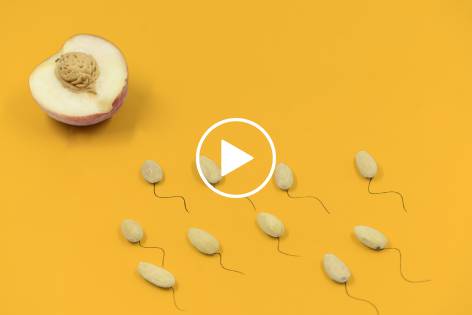
LMU 151 – The Sperm Diet: How Dietary Changes Can Supercharge Sperm Quality

LMU-151

LMU 151 – The Sperm Diet: How Dietary Changes Can Supercharge Sperm Quality

Source: Journal Public Library of Science Biology (December 2019)

Lifestyle Medicine Update (Feb 7, 2020)

Introduction:

In a groundbreaking study conducted at Linköping University in Sweden, the power of simple dietary changes to revolutionize sperm quality was unveiled. The research offered a ray of hope for men seeking to enhance their fertility and the potential to conceive. This eye-opening study delved into the lives of 15 healthy young men who, over a span of two weeks, embarked on a dietary journey that held the key to improving their sperm’s motility and quality.

The Nordic Nutrition Recommendations: A Blueprint for Health

The dietary regimen prescribed to these men adhered closely to the Nordic Nutrition Recommendations—a set of dietary guidelines aimed at promoting health and well-being among the populations of Denmark, Finland, Iceland, Norway, and Sweden. These recommendations form a blueprint for optimal nutrition, encompassing the consumption of vegetables, fruits, berries, pulses (such as beans, peas, and lentils), regular intake of fish, vegetable oils, whole grains, and low-fat alternatives for dairy and meat. On the flip side, they advise restraint in the consumption of red and processed meats, sugar, salt, and alcohol.

A Dietary Experiment: Sugar’s Intriguing Role

The study took an intriguing twist during its second week. While the participants continued to follow the same dietary guidelines, a significant tweak was introduced—they were now required to add a dose of simple sugar equivalent to roughly 3.5 liters of soda pop or 450 grams (16 ounces) of confectionery candy per day. This addition was a pivotal element of the experiment, aiming to explore the immediate impact of sugar on sperm quality.

Sperm Quality Assessment: A Journey of Transformation

The study embarked on a journey of exploration into the world of sperm quality, delving into indicators of health and the state of sperm motility—an essential factor governing sperm quality. The journey involved assessments conducted at three critical junctures: at the study’s outset, after the first week of healthy eating, and finally, after the second week, when sugar entered the dietary equation.

A Startling Revelation: Transformation in Two Weeks

The results of this study sent shockwaves through the scientific community. At the study’s commencement, one-third of the participants exhibited low sperm motility—a factor that directly influences sperm quality. This statistic mirrored the prevalence of low sperm motility within the general population. However, what unfolded next left researchers astounded: during the study, the sperm motility of all participants normalized. This astonishing revelation illuminated the profound and immediate impact of dietary practices on sperm motility, an insight with far-reaching clinical implications.

The Sweet Surplus: Sugar’s Non-Impact

A noteworthy finding emerged during the experiment’s second week—the introduction of substantial sugar intake did not negatively affect sperm motility or quality. This revelation was particularly surprising, as sugar has often been viewed with suspicion in discussions related to health and nutrition. The study’s outcomes illuminated the nuanced relationship between dietary components and sperm quality, emphasizing the dominant role of overall dietary patterns.

From Obesity to Deficiencies: The Gamut of Sperm Health

The study highlighted a crucial reality: the quality and motility of sperm are not immune to the influences of lifestyle and dietary choices. Factors such as smoking, obesity, type 2 diabetes, pre-diabetes, and nutritional deficiencies loom as potential threats to sperm health. These risk factors, unfortunately, hold sway over a considerable portion of the population, contributing to the compromise of sperm motility and quality. The implications are profound, affecting the prospects of conception for many couples.

A Path to Redemption: The Nordic Nutrition Recommendations

In closing, this study provides yet another testament to the symbiotic relationship between dietary and lifestyle patterns and sperm health. While numerous factors can influence sperm quality, embracing a diet aligned with the Nordic Nutrition Recommendations offers a beacon of hope. These findings underscore the potential for swift and significant improvements in sperm motility and quality in as little as one to two weeks, should men choose to follow these healthier dietary practices.

In the realm of fertility and reproductive health, knowledge is indeed power. By implementing dietary changes in line with these recommendations, men can empower themselves to take charge of their reproductive futures.

References:

  1. Public Library of Science Biology, December 2019. [Read the full study here](https://journals.plos.org/plosbiology/article?id=10.1371/journal.pbio.3000559).
  2. Nordic Nutrition Recommendations. [Explore the guidelines here](https://www.livsmedelsverket.se/en/food-habits-health-and-environment/dietary%20guidelines/naringsrekommendationer/?AspxAutoDetectCookieSupport=1).
 
Eat Smart, Live Well, Look Great
 

Dr. Meschino

Dr. James Meschino

Dr. James Meschino

ABOUT THE AUTHOR

Dr. James Meschino, DC, MS, ROHP, is an educator, author, and researcher having lectured to thousands of healthcare professionals across North America. He holds a Master’s Degree in Science with specialties in human nutrition and biology and is recognized as an expert in the field of nutrition, anti-aging, fitness, and wellness as well as the author of numerous books.

Posted on

LMU 150 – Empowering Women: Foods and Spices That Fight Breast Cancer

LMU-150

LMU 150 – Empowering Women: Foods and Spices That Fight Breast Cancer

Source: Journal “Nutrients” (July 2017)

Lifestyle Medicine Update (Dec 14, 2019)

Introduction:

Breast cancer, a formidable adversary in the world of health, stands as the most commonly diagnosed cancer among women worldwide. It also holds a grim distinction as the leading cause of cancer-related deaths in the female population. While genetic risk factors like the BRCA1 or BRCA2 gene mutations contribute to a fraction of breast cancer cases, a vast web of other factors comes into play. These factors, including hormonal, lifestyle, and reproductive elements, intertwine to shape an individual’s risk profile for this devastating disease.

Exploring the Culprits: Lifestyle and Hormonal Factors

Breast cancer risk dances on the strings of hormonal rhythms, often striking those who experience early menarche or delay motherhood beyond age 30. The risk also looms larger for those who do not embark on the journey of breastfeeding, and it casts its shadow over women who have embraced birth control pills or hormone replacement therapy. Obesity, diabetes, alcohol consumption (even in moderation), and even the demands of nightshift work also play their roles in this intricate narrative. Nightshift work, which disrupts the body’s circadian rhythm and melatonin secretion patterns, emerges as an unsuspecting accomplice in this tale of risk factors.

Diet’s Impact: A Ray of Hope

Amidst this complex landscape of risk factors, emerges a glimmer of hope – the power of diet. A comprehensive meta-analysis, examining the nexus between dietary patterns and cancer risk, highlights that breast cancer is particularly susceptible to dietary influences. Astonishingly, research posits that a staggering 50% of breast cancer cases may be avoidable through prudent dietary practices.

Foods as Shields: The Anti-Breast Cancer Arsenal

In July 2017, the journal “Nutrients” featured a study that delved into the realm of foods and their medicinal components, unveiling an arsenal against breast cancer. The evidence presented strongly supports the regular consumption of several foods:

  1. Soybeans and Soy Foods: Known for their rich phytoestrogen content, these foods exhibit protective qualities.
  2. Citrus Fruits and More: Citrus fruits, along with Pomegranates, Apples, Grapes, and select Berries (bilberries and strawberries), emerge as breast cancer foes.
  3. Cruciferous Vegetables: Broccoli, Brussels sprouts, Cabbage, Cauliflower, Bok Choy, and Turnips are champions in this battle.
  4. Medicinal Mushrooms: Oyster Mushrooms and Reishi Mushrooms join the ranks.
  5. High Fiber Cereals: Certain high-fiber cereals, particularly those rich in wheat fiber, offer protection.

Spices as Warriors: Harnessing the Flavors

Spices, not just culinary delights but also potent warriors, reveal their prowess in the anti-breast cancer arsenal. Among these spicy champions are Ginger, Garlic, Black Cumin, Red Chili Peppers, Black Pepper, and Saffron. These ingredients wield impressive anti-breast cancer properties, and their mechanisms of action are as diverse as their flavors.

Conclusion: A Feast for Health and Hope

As the research concludes, these natural agents employ a range of mechanisms to combat breast cancer. They thwart tumor cell proliferation, migration, metastasis, and angiogenesis. They induce programmed cell death (apoptosis) and cell cycle arrest in breast cancer cells, making them more susceptible to radiotherapy and chemotherapy. These foods and spices aren’t just culinary delights; they are shields in the battle against breast cancer.

For those intrigued by the subject, delving into the full research paper provides a deeper understanding of the intricate mechanisms through which these foods and spices exert their anti-breast cancer effects. In the realm of women’s health, knowledge is power, and understanding these dietary allies can be a pivotal step towards a healthier, cancer-resistant future.

References:

Li Y, Li S, Meng X, Gan RY, Zhang JJ, Li HB. Dietary natural products for the prevention and treatment of breast cancer. *Nutrients (review).* 2017;9(7):728. [Read the full study here](https://www.ncbi.nlm.nih.gov/pmc/articles/PMC5537842/).


Eat Smart, Live Well, Look Great,

Dr. Meschino

Dr. James Meschino

Dr. James Meschino

ABOUT THE AUTHOR

Dr. James Meschino, DC, MS, ROHP, is an educator, author, and researcher having lectured to thousands of healthcare professionals across North America. He holds a Master’s Degree in Science with specialties in human nutrition and biology and is recognized as an expert in the field of nutrition, anti-aging, fitness, and wellness as well as the author of numerous books.

Posted on

LMU 149 – Unveiling the Paradox: Statin Drugs, Muscle Pain, and the Vitamin Solution

LMU-149

LMU 149 – Unveiling the Paradox: Statin Drugs, Muscle Pain, and the Vitamin Solution

Source: American Journal of Physiology: Cell Physiology (October 2019)

Lifestyle Medicine Update (Nov 16, 2019)

Introduction:

Statin drugs, like Lipitor and Crestor, have become household names in the fight against high cholesterol, a crucial battle to reduce the risk of heart attack and stroke. Their widespread use is evident, with over 25% of U.S. adults aged 45 and above reportedly using statins in the last month alone – a tenfold increase since the late ’80s and early ’90s. These drugs have indeed proven effective, but they carry an unwelcome side effect: muscle aches and pains. In this article, we explore the paradoxical relationship between statin-induced muscle pain, exercise, and the promising role of three vital vitamins – Coenzyme Q10, Vitamin E, and Vitamin D.

The Perplexing Problem: Muscle Pain and Statins

For approximately 11% of statin users (some reports suggest even higher percentages, up to 25%), muscle pain is an unwelcome companion on their journey to lower cholesterol levels. What’s more, this muscle discomfort is often exacerbated or triggered by exercise, a critical component of heart disease and stroke prevention. It’s a perplexing paradox – exercise is promoted to boost heart health, but statin users are warned against it to avoid severe muscle pain.

Cracking the Code: The Cause of Statin-Induced Muscle Pain

In recent years, researchers have delved into the depths of this mystery to uncover the cause of statin-induced muscle pain and, more importantly, to discover potential preventive measures. The findings are illuminating: statin drugs not only lower cholesterol but also impede the synthesis of Coenzyme Q10, a critical compound in energy production within muscle cells. This CoQ10 deficit results in several detrimental effects:

  1. Energy Deficiency: Decreased CoQ10 levels inhibit energy production in muscle cells.
  2. Free Radical Surge: Statins cause an increase in free radicals, which damage muscle cells.
  3. Mitochondrial Dysfunction: CoQ10 depletion leads to mitochondrial dysfunction within muscle cells.
  4. Cell Leakage: Statins cause muscle cell membranes to release their contents into the surrounding environment.

All these factors contribute to heightened muscle damage and pain, a situation exacerbated during exercise, which demands more energy and consequently generates more free radicals.

The Role of Glutamate: Adding to the Pain

Another piece of the puzzle involves the amino acid glutamate. Statin-induced free radicals prompt muscle cells to expel glutamate. This surplus glutamate stimulates pain nerve endings around the muscles, ultimately leading to discomfort. However, vitamin E supplementation can intervene in this process, preventing the muscle from expelling glutamate. By providing muscle cells with increased antioxidant protection, vitamin E quells free radicals generated by statins, thus reducing the need for glutamate expulsion as part of the body’s attempt to synthesize glutathione, an essential antioxidant.

The Sunshine Vitamin: Vitamin D’s Vital Role

Research also highlights the importance of Vitamin D in this equation. Individuals with low or sub-optimal vitamin D levels are more susceptible to statin-induced muscle pain. Elevating vitamin D levels within the ideal range (above 75 nmol or 30 ng/ml) through supplementation often enables individuals to continue statin therapy without experiencing muscle aches and pains. Vitamin D plays a multifaceted role in muscle function and integrity, making it a valuable asset for individuals undergoing statin treatment.

Taking Action: A Vitamin Regimen

For those prescribed statin drugs, there’s hope in the form of three key vitamins: Coenzyme Q10, Vitamin E, and Vitamin D. A daily regimen consisting of 90-200 mg of Coenzyme Q10, 200-400 IU of Vitamin E, and regular monitoring of Vitamin D levels can help combat statin-induced muscle pain and support overall muscle health. However, it’s imperative to consult with a healthcare provider before initiating any new supplementation, as individual factors may necessitate a tailored approach.

Conclusion: The Vitamin Solution to Statin-Induced Muscle Pain

Statin drugs have revolutionized the management of high cholesterol and the prevention of heart disease and stroke. However, the burden of muscle pain has loomed over their benefits. The discovery of Coenzyme Q10, Vitamin E, and Vitamin D as potential allies in mitigating this side effect offers newfound hope for those seeking to strike a balance between cardiovascular health and pain-free living. As science continues to unveil these solutions, individuals can make informed decisions about their statin therapy, knowing that they have options to safeguard their muscle health.

References:

  1. Parker BA, et al. (2012). Effect of statin on skeletal muscle: Exercise, myopathy, and muscle outcomes. *Exercise Sports Science Review-Journal, 40*(4), 188-194. [Read the full study here](https://www.ncbi.nlm.nih.gov/pmc/articles/PMC3463373/).
  2. Rebalka I et al. (2019). Statin administration activates xC– in skeletal muscle: A potential mechanism explaining statin-induced muscle pain. *American Journal of Physiology: Cell Physiology, 317*(5), C894-899. [Read the full study here](https://www.physiology.org/doi/abs/10.1152/ajpcell.00308.2019).
 
Eat Smart, Live Well, Look Great
 

Dr. Meschino

Dr. James Meschino

Dr. James Meschino

ABOUT THE AUTHOR

Dr. James Meschino, DC, MS, ROHP, is an educator, author, and researcher having lectured to thousands of healthcare professionals across North America. He holds a Master’s Degree in Science with specialties in human nutrition and biology and is recognized as an expert in the field of nutrition, anti-aging, fitness, and wellness as well as the author of numerous books.
Posted on

LMU 148 – Glucosamine: A Joint Saver for Osteoarthritis

LMU-148

LMU 148 – Glucosamine: A Joint Saver for Osteoarthritis

Source: Journal – Current Medical Research and Opinion (2016)

Lifestyle Medicine Update (October 26, 2019)

Introduction:

If you’re in the age group of 40 to 69, there’s a fair chance you’ve heard of or even considered taking glucosamine supplements to safeguard your joints from the spectre of osteoarthritis. It’s a hot topic among adults looking to maintain their joint health and mobility as they age. But does glucosamine really live up to the hype? Let’s dive into the science-backed insights revealed in a 2016 review published in the journal Current Medical Research and Opinions.

The Underlying Battle: Osteoarthritis and Inflammation

Osteoarthritis, often referred to as the “wear and tear” disease of joints, is a formidable adversary. It can hinder mobility, cause pain, and affect one’s overall quality of life. In this battle against osteoarthritis, glucosamine emerges as a formidable ally. The review sheds light on the powerful mechanisms at play within the body.

Glucosamine: A Defender Against Degeneration

One of the key findings highlighted in the review is that glucosamine serves as a robust inhibitor of inflammatory and degenerative agents that contribute to the development and worsening of osteoarthritis. These agents include interleukin 1b, cyclo-oxygenase-2, nitric oxide, interleukin-6, tumor necrosis factor-alpha, and destructive enzymes like metalloproteinases. Glucosamine has the remarkable ability to directly or indirectly suppress the release of these troublesome substances within the body.

Unveiling the Science: In-Vitro and Clinical Evidence

Scientific exploration has revealed that long-term oral administration of glucosamine sulfate can substantially reduce the destruction of cartilage, a key factor in osteoarthritis. It doesn’t stop there; this remarkable compound also has the power to suppress joint inflammation. Human clinical studies provide further encouragement. Glucosamine sulfate has demonstrated superior effectiveness compared to acetaminophen (paracetamol) in alleviating osteoarthritic pain over the long term. It’s not only cost-effective but also safer than acetaminophen and non-steroidal anti-inflammatory drugs (NSAIDs) like aspirin or ibuprofen, with minimal side effects.

A Game-Changer: Disease Modification and Improved Mobility

Perhaps one of the most exciting revelations is that glucosamine sulfate showcases disease-modifying properties. It can slow down or even halt the progression of osteoarthritis, enhance mobility, and improve functionality in those battling arthritis. Moreover, it reduces inflammation, delays structural changes, and may ultimately lead to a reduced need for invasive knee replacement surgery.

A Cost-Effective Choice for Joint Health

The economic perspective is equally compelling. Pharmacoeconomic studies have demonstrated that glucosamine sulfate therapy over a span of 12 months significantly reduces the need for pain relief medication and NSAIDs. This translates to substantial cost savings related to medication, healthcare consultations, and examinations.

Taking Action: Dosage and Considerations

For those already grappling with osteoarthritis, an effective daily dosage of 1500 mg of glucosamine sulfate, taken once a day with food, has proven beneficial. However, for those looking to prevent osteoarthritis after reaching the age of 40, a lower dosage of 500-1000 mg per day may be considered. Always consult with your healthcare provider before making any changes to your diet or supplementation routine, as individual circumstances may vary.

The Winning Form: Glucosamine Sulfate

Not all glucosamine supplements are created equal. Studies have shown that the most effective form, particularly for osteoarthritis patients, is glucosamine sulfate. Other forms, such as glucosamine hydrochloride or N-acetylglucosamine, may not yield the same promising results.

Conclusion: Glucosamine’s Role in Joint Health

As we navigate the journey of aging, our joints require vigilant care. Glucosamine, with its anti-inflammatory, disease-modifying, and pain-relieving properties, emerges as a valuable companion in this quest. The 2016 review reinforces the notion that glucosamine sulfate can be a pivotal element in maintaining joint health, potentially saving individuals from the clutches of osteoarthritis.

Reference:

Kucharz E, Kovalenko V, Szanto K, Bruyere O, Cooper C, Reginster JY. A review of glucosamine for knee osteoarthritis: why patented crystalline glucosamine sulfate should be differentiated from other glucosamines to maximize clinical outcomes. Current Medical Research and Opinions. 2016. [Read the full study here](https://onlinelibrary.wiley.com/doi/full/10.1111/dme.14122).


Eat Smart, Live Well, Look Great,

Dr. Meschino

Dr. James Meschino

Dr. James Meschino

ABOUT THE AUTHOR

Dr. James Meschino, DC, MS, ROHP, is an educator, author, and researcher having lectured to thousands of healthcare professionals across North America. He holds a Master’s Degree in Science with specialties in human nutrition and biology and is recognized as an expert in the field of nutrition, anti-aging, fitness, and wellness as well as the author of numerous books.

Posted on

LMU 147 – Weight Loss Breakthrough: Reversing Type 2 Diabetes with Just 10% Weight Loss

LMU-147

LMU 147 – Weight Loss Breakthrough: Reversing Type 2 Diabetes with Just 10% Weight Loss

Source: Diabetic Medicine (2019)

Lifestyle Medicine Update (October 18, 2019)

Introduction:

In a groundbreaking study published in the journal Diabetic Medicine in 2019, researchers uncovered a promising discovery that offers hope to individuals recently diagnosed with type 2 diabetes. The study revealed that achieving a modest weight loss of just 10% can lead to the remission of type 2 diabetes. This means that for someone weighing 200 pounds, shedding a mere 20 pounds could potentially reverse their diabetic condition, and for a person weighing 150 pounds, losing just 15 pounds could achieve the same result.

The Link Between Weight and Type 2 Diabetes

Understanding the significance of this finding requires recognizing the strong connection between weight and type 2 diabetes. Approximately 80% of individuals diagnosed with type 2 diabetes are overweight at the time of diagnosis. Being overweight serves as a major trigger for the development of the disease. As individuals gain excess weight, their fat cells become less sensitive to insulin, resulting in elevated blood sugar (glucose) and insulin levels. This dangerous combination significantly increases the risk of severe health complications, including heart attacks, vision problems, nerve damage (peripheral neuropathy), kidney disease, and even the potential need for amputation in extreme cases.

Historical Perspective: The Challenge of Highly Restrictive Diets

Historically, we’ve known that highly restrictive diets, often limited to 700 calories per day, can effectively reverse type 2 diabetes. However, these diets are extremely challenging to adhere to, primarily due to persistent feelings of hunger and deprivation. Long-term compliance with such diets has been notoriously poor.

New Hope: The Power of a 10% Weight Loss

The recent research is both eye-opening and encouraging because it demonstrates that individuals newly diagnosed with type 2 diabetes can experience remission by losing just 10% of their body weight, making this goal far more achievable. The study tracked 867 individuals aged 40 to 69 who had recently been diagnosed with type 2 diabetes. After a five-year follow-up, 30% of participants were found to be in remission. Among those who achieved a 10% or greater weight loss within the first five years after diagnosis, more than twice as many entered remission compared to those who maintained their original weight.

The researchers concluded that “it may be possible to get rid of diabetes, for at least five years, with a modest weight loss of 10%. This will be motivating and hence more achievable for many patients.”

Taking Action: Achievable Weight Loss Strategies

This exciting research highlights that even a small reduction in excess weight can lead to the reversal of type 2 diabetes. Consider this: if an individual consumes 100 fewer calories per day and burns an extra 100 calories through a brief 15-20 minute walk, they could lose 24 pounds of fat over the course of a year. Most people can incorporate these changes into their daily routines. For individuals recently diagnosed with type 2 diabetes, adopting such a strategy could be life-changing and disease-reversing.

Conclusion

The study published in Diabetic Medicine in 2019 brings forth a ray of hope for those grappling with type 2 diabetes. It underscores the remarkable potential for individuals to achieve remission by losing just 10% of their body weight, offering a far more attainable goal than highly restrictive diets. This discovery emphasizes the significance of weight management in the fight against type 2 diabetes and highlights the transformative impact that even small lifestyle changes can have on one’s health.

Reference

H. Dambha-Miller, A. J. Day, J. Strelitz, G. Irving, S. J. Griffin. Behavior change, weight loss and remission of Type 2 diabetes: a community-based prospective cohort study. Diabetic Medicine, 2019. [Read the full study here](https://onlinelibrary.wiley.com/doi/full/10.1111/dme.14122).

Eat Smart, Live Well, Look Great,

Dr. Meschino

Dr. James Meschino

Dr. James Meschino

ABOUT THE AUTHOR

Dr. James Meschino, DC, MS, ROHP, is an educator, author, and researcher having lectured to thousands of healthcare professionals across North America. He holds a Master’s Degree in Science with specialties in human nutrition and biology and is recognized as an expert in the field of nutrition, anti-aging, fitness, and wellness as well as the author of numerous books.

Posted on

LMU 146 – A Comprehensive Approach to Mental Health and Addiction: The Transtheoretical Model

LMU-146

LMU 146 – A Comprehensive Approach to Mental Health and Addiction: The Transtheoretical Model

Source: Dual Diagnosis: An Integrative Approach (Watkins TR, Lewellen A, Barrett C. (Sage Publications)

Lifestyle Medicine Update (October 3, 2019)

Introduction:

When it comes to managing stress, burnout, mental health issues like depression and anxiety, or addiction problems, the solutions are often more complex than simply relying on pharmaceutical medications. In 1984, two prominent psychotherapy researchers, Prochaska and DiClemente, introduced the Transtheoretical Model, a groundbreaking approach that has since become a cornerstone of counselling and peer support within the psychotherapy realm. This model doesn’t just pertain to addiction but also plays a crucial role in addressing stress, burnout, and various mental health challenges.

In this article, we will explore the ten core processes of the Transtheoretical Model and how they contribute to comprehensive management. We will also delve into the five levels of intervention, providing a holistic understanding of this powerful therapeutic approach.

Section 1: The 10 Core Processes


Consciousness Raising

The first step towards change is increasing one’s awareness. Consciousness raising involves helping individuals recognize the impact of their behavior on their mental and functional state, as well as on their relationships with others. It’s about shedding light on the consequences of their actions, fostering self-awareness, and understanding how these behaviors affect their overall well-being.

Self-Liberating

Self-liberation is about breaking free from victimhood. It empowers individuals to understand that they have choices and are not passive victims of their mental health or substance abuse issues. By realizing they have agency and can make positive choices, they can embark on a path of transformation.

Social Liberation

Creating a supportive social environment is vital for recovery. Social liberation involves helping individuals build a network that offers constructive ways to meet their needs. This might include surrounding oneself with a positive social circle, seeking peer support from those who have overcome similar challenges, and accessing resources within their community that promote well-being.

Counterconditioning

Counterconditioning revolves around unlearning destructive behaviors. For those dealing with substance abuse, it means replacing drugs or alcohol with healthier alternatives like exercise or meaningful activities. In the context of mental health, it involves substituting symptomatic behavior with more socially appropriate responses. It’s all about recognizing the trigger-response pattern and consciously choosing a more positive reaction.

Stimulus Control

Stimulus control is about avoiding emotional states or situations that trigger undesirable behaviors. It may involve steering clear of certain friends, environments, or stimuli that threaten emotional stability. By recognizing and managing these triggers, individuals can regain control over their responses.

Self-Re-evaluation

Self-re-evaluation helps individuals appreciate their strengths and weaknesses in light of new insights. It’s about recognizing that they are not defined by their addiction or mental health challenges but have a multitude of positive attributes and talents worth nurturing.

Environmental Re-evaluation

This process involves recognizing how one’s behavior affects others. It’s about understanding that social rejection in the past wasn’t due to personal dislike but rather stemmed from actions and behaviors that can be changed. This realization can pave the way for healthier relationships with friends, family, and colleagues.

Contingency Management

Changing the consequences of behavior is at the core of contingency management. Many individuals with addiction or mental health challenges have been excused for unacceptable public behavior. Holding them accountable can make such behavior less rewarding and self-reinforcing.

Dramatic Relief

Dramatic relief provides individuals with a safe space to express their frustrations and emotions openly. It’s often a cathartic moment that marks the beginning of change. This release of pent-up feelings allows individuals to confront their issues head-on, free from avoidance tactics or destructive behaviors.

Helping Relationships

A strong therapeutic bond between the individual and their therapist is crucial. This one-on-one support and encouragement can make all the difference in their journey towards positive change. Feeling understood and accepted is particularly meaningful for those dealing with addiction and mental health issues.

Section 2: The Five Levels of Intervention


Symptoms/Situational

The first level of intervention focuses on immediate stimuli that trigger behavior and their consequences. It deals with the “here and now” and addresses factors that directly influence behavior.

Maladaptive Cognition

This level dives into correcting dysfunctional thought patterns that lead to symptomatic behavior. It addresses the root causes by challenging and reshaping cognitive patterns that contribute to ongoing challenges.

Interpersonal Problems

Interpersonal problems tackle difficulties individuals face when dealing with the world beyond their immediate circle. This may include a lack of social skills, coping mechanisms, or acceptance by society at large. Addressing these challenges is essential for overall well-being.

Family Conflicts

Family conflicts relate to dysfunction within an individual’s intimate circle of family and friends. These conflicts can often trigger and perpetuate symptomatic behavior. Resolving family issues is crucial for sustained recovery.

Intrapersonal Conflicts

This level deals with deep psychological problems rooted in early-life experiences and reinforced by ongoing maladaptive emotional responses. Addressing these conflicts is fundamental to lasting change.

Section 3: A Holistic Approach to Comprehensive Management

In summary, the Transtheoretical Model offers a comprehensive approach to managing addiction and various mental health challenges. It considers where individuals are in their journey, identifies the most appropriate level of intervention, and provides the elements necessary for meaningful change.

This targeted psychotherapy approach, which addresses the whole person, should serve as a foundational aspect of the comprehensive management of addiction and mental health issues. It complements pharmaceutical treatments and is likely to enhance the overall effectiveness of treatment strategies.

When we recognize the importance of these ten core processes and five levels of intervention, we move closer to a more holistic and effective approach to supporting individuals on their path to recovery and mental well-being.

Conclusion

Managing stress, burnout, mental health problems, and addiction requires a multi-faceted approach that goes beyond pharmaceutical treatments. The Transtheoretical Model, with its ten core processes and five levels of intervention, provides a comprehensive framework for addressing these challenges. By acknowledging the whole person and considering where they are in their journey, we can enhance the effectiveness of treatment and support individuals on their path to recovery and mental well-being.

Reference:

Watkins TR, Lewellen A, Barrett C. Dual Diagnosis. Sage Publications Inc. 2001. Pages 6-10.

Eat Smart, Live Well, Look Great,

Dr. Meschino

Dr. James Meschino

Dr. James Meschino

ABOUT THE AUTHOR

Dr. James Meschino, DC, MS, ROHP, is an educator, author, and researcher having lectured to thousands of healthcare professionals across North America. He holds a Master’s Degree in Science with specialties in human nutrition and biology and is recognized as an expert in the field of nutrition, anti-aging, fitness, and wellness as well as the author of numerous books.
Posted on

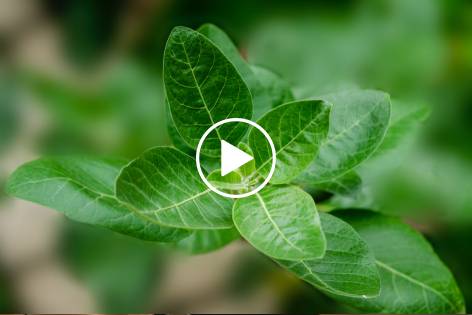
LMU 145 – Harnessing Ashwagandha: A Natural Ally Against Stress

LMU-145

LMU 145 – Harnessing Ashwagandha: A Natural Ally Against Stress

Source: Indian Journal of Psychological Medicine (2012)

Lifestyle Medicine Update (September 27, 2019)

Introduction:

In the relentless rhythm of modern life, stress has entrenched itself as a pervasive force affecting our well-being. Amidst the scramble for effective stress management strategies, an herbal remedy has garnered attention—Ashwagandha. We’ll delve into a noteworthy study published in the Indian Journal of Psychological Medicine in 2012, which investigated the potential of Ashwagandha to combat stress and enhance quality of life. This study’s insights illuminate the interplay between this ancient herbal supplement and our modern battle against stress.

Unveiling Ashwagandha: A Powerful Adaptogen

At the heart of this exploration lies Ashwagandha—an adaptogen renowned for its anti-stress properties. While traditional wisdom has long embraced Ashwagandha’s stress-relieving potential, rigorous scientific research has been limited. The study in question aimed to address this gap by delving into Ashwagandha’s impact on stress and overall well-being.

The Study: A Glimpse into the Methodology

The study enrolled 64 participants with a history of chronic stress. These individuals underwent comprehensive physical and laboratory assessments, accompanied by questionnaires probing their stress levels, depression, anxiety, and general well-being. Serum cortisol, a stress marker, was measured—an indicator of the adrenal glands’ response to stress intensification. The study followed a randomized, double-blind, placebo-controlled design. For 60 days, half of the participants received 300 mg of Ashwagandha twice daily, while the other half received a placebo. Compliance was ensured through phone interviews on days 15, 30, and 45, tracking any adverse reactions.

Astonishing Discoveries: Ashwagandha’s Impact

The results painted a remarkable picture. The group supplementing with Ashwagandha exhibited a staggering 70% reduction in stress, a 64% decrease in depression, a 76% decrease in anxiety, and a 44% improvement in overall well-being and quality of life—compared to their initial baseline measurements. In stark contrast, the placebo group experienced mere 12%, 10%, 4%, and 6% improvements in the same domains. The Ashwagandha group’s perceived stress scale scores plunged by 44%, while the placebo group witnessed a modest 6% reduction. Serum cortisol levels corroborated these findings, with a 28% drop in the Ashwagandha group compared to a mere 8% in the placebo group.

Upholding Safety: The Role of Ashwagandha

Crucially, the study noted no serious adverse side effects from Ashwagandha supplementation. The researchers highlighted that stress, the outcome of external physical or mental overload, can cascade into debilitating states, from anxiety to cardiac issues. As our global landscape witnesses an alarming surge in stress-induced conditions, exploring effective interventions is paramount.

A Holistic Approach: Integrating Ashwagandha

While stress management is a multi-dimensional endeavor tailored to individual circumstances, this study posits that Ashwagandha supplementation could be a valuable adjunct. The synergy between ancient wisdom and modern research underscores Ashwagandha’s potential to alleviate stress’s toll on well-being, including its impact on depression and anxiety.

Conclusion

The study’s revelations encapsulate the potent influence of Ashwagandha on stress, offering a potential solution in our quest for balance amidst life’s pressures. This herbal ally beckons us to integrate holistic approaches into our stress management toolkit, bridging the ancient and modern to forge a path toward well-being.

Reference:

Chandrasekhar K, Kapoor J, Anishetty S. A prospective, randomized double-blind, placebo-controlled study of safety and efficacy of a high-concentration full-spectrum extract of Ashwagandha root in reducing stress and anxiety in adults. Indian J Psychol Med. 2012. 34(3): 255-262 https://www.ncbi.nlm.nih.gov/pmc/articles/PMC3573577/

Eat Smart, Live Well, Look Great

Dr. Meschino

Dr. James Meschino

Dr. James Meschino

ABOUT THE AUTHOR

Dr. James Meschino, DC, MS, ROHP, is an educator, author, and researcher having lectured to thousands of healthcare professionals across North America. He holds a Master’s Degree in Science with specialties in human nutrition and biology and is recognized as an expert in the field of nutrition, anti-aging, fitness, and wellness as well as the author of numerous books.