

Posted on

LMU 124 – Enhancing Memory Health: Unveiling the Power of Mushrooms

LMU-124

LMU 124 – Enhancing Memory Health: Unveiling the Power of Mushrooms

Source: Journal of Alzheimer’s disease (March 2019)

Lifestyle Medicine Update (March 29, 2019)

Introduction

As the tapestry of time weaves through the chapters of our lives, the quest to preserve our precious memories becomes an ever-more important endeavor. Published studies unveil a captivating truth: we hold the reins to our memory health, with proactive measures that can shield our brain from the ravages of time. From nurturing heart health to fostering cognitive resilience, a roadmap to memory preservation emerges, featuring a repertoire of lifestyle choices and nutritional allies. Among these allies, a surprising star steps into the limelight: mushrooms.

Nurturing Memory Health: A Shortlist of Essentials

In our pursuit to stave off memory loss across the spectrum of life, a trove of strategies beckon. The journey begins with familiar echoes: maintaining optimal blood cholesterol, taming blood pressure, exercising regularly, embracing a healthy weight, and steering clear of alcohol and tobacco. These well-trodden paths are joined by less conventional travelers—engaging in lifelong learning, cultivating robust social connections, and ensuring a generous supply of vitamin D. Amidst these revelations, an intriguing contender emerges: the consumption of green tea, and the biochemical magic of Omega-3 Fats.

The Biochemical Symphony of Aging and Memory Loss

Delving into the biochemical symphony of memory health, an enigmatic revelation beckons—a revelation that hinges on the intricate dance of choline and the memory chemical “acetylcholine.” As the curtain falls on age 55, a subtle transformation unfolds within the brain. The once-adept transport system, responsible for ferrying choline from blood to brain, becomes sluggish. As a result, the brain grapples to access adequate choline to maintain optimal acetylcholine levels. The consequences are profound: the first step towards memory loss—decline in acetylcholine synthesis—takes center stage.

A ray of hope emerges on this biochemical horizon. The brain’s choline quandary finds resolution in the embrace of a simple supplement. Post-age 55, a daily dose of choline-enriched supplement enters the scene, offering a pathway to bolster brain access to this crucial nutrient. This supplement isn’t alone in this quest. It forms a synergy with fellow nutrients: CDP-choline, Phosphatidylserine, Huperzine A, and Bacopa monnieri, all working in harmony to boost acetylcholine levels. The chorus grows richer with the inclusion of B-vitamins, antioxidants (such as vitamin C and E), and the melodic strains of melatonin.

Mushrooms: A Culinary Elixir for Cognitive Health

Amidst the cacophony of nutrients, mushrooms rise as a compelling chorus. A study unveiled in the Journal of Alzheimer’s Disease, March 2019, ushers mushrooms to the forefront of memory health. A symphony of evidence unfolds as researchers share findings from the Diet and Healthy Aging study in Singapore. This study, spanning six years and involving 663 participants aged 60 and above, renders a profound insight: mushroom consumption emerges as a powerful shield against mild cognitive impairment (MCI)—the precursor to full-blown Alzheimer’s disease.

The revelation is striking not just in its potency but also in its independence. Mushroom’s impact on cognitive health transcends the boundaries of age, gender, lifestyle, and health conditions. The researchers affirm, “Our cross-sectional data support the potential role of mushrooms and their bioactive compounds in delaying neurodegeneration.” The connection between mushroom intake and reduced risk of MCI becomes a compelling anthem, resonating across the vast spectrum of memory preservation.

A Dive into the Mushroom Bounty

The realm of mushrooms is rich, a treasure trove of diverse varieties, each bearing its unique gifts. From golden and oyster to shiitake and white button, the plethora of mushrooms showcased in the study lends depth to their potential. Not only do these mushrooms carry culinary charm, but they also reveal medicinal prowess. A profound revelation unfolds—medicinal mushrooms like shiitake, reishi, and cordyceps, harbor ingredients that not only fortify the immune system but also nurture the brain.

The repertoire of brain-loving compounds within these mushrooms is staggering. From the emerging star Ergothioneine (ET) to hericenones, erinacines, scabronines, and dictyophorines, a symphony of support for cognitive health resonates. These compounds extend their hands not just to memory preservation but also to the daunting task of combating the hallmark feature of Alzheimer’s disease—the beta-amyloid plaque.

Cultivating Cognitive Resilience: The Mushroom Pathway

As the curtain falls on our exploration, the path forward becomes clear. The revelations of research pave the way for a simple yet profound action: infusing our diets with the richness of mushrooms. With just three servings per week of these culinary wonders, we embark on a journey to preserve memory health and fend off the encroachment of Alzheimer’s disease. This vibrant dietary choice aligns seamlessly with a life steeped in wellness—a life where memory and vitality endure.

In our journey to discover the path to memory health, mushrooms emerge as a potent ally. As science unravels the intricate connections between nutrition and cognitive resilience, it becomes increasingly evident that the humble mushroom holds the promise of fostering memory preservation and brain vitality. Through a blend of culinary delight and medicinal wonder, mushrooms offer a route to a brighter, more vibrant future—one where the tapestry of memory remains vibrant and enduring.

References:

Lei Feng, Irwin Kee-Mun Cheah, Maisie Mei-Xi Ng, Jialiang Li, Sue Mei Chan, Su Lin Lim, Rathi Mahendran, Ee-Heok Kua, Barry Halliwell. The Association between Mushroom Consumption and Mild Cognitive Impairment: A Community-Based Cross-Sectional Study in Singapore. *Journal of Alzheimer’s Disease*, 2019.
[Link](https://content.iospress.com/articles/journal-of-alzheimers-disease/jad180959)

Eat Smart, Live Well, Look Great,

Dr. Meschino

Dr. James Meschino

Dr. James Meschino

ABOUT THE AUTHOR

Dr. James Meschino, DC, MS, ROHP, is an educator, author, and researcher having lectured to thousands of healthcare professionals across North America. He holds a Master’s Degree in Science with specialties in human nutrition and biology and is recognized as an expert in the field of nutrition, anti-aging, fitness, and wellness as well as the author of numerous books.

Posted on

LMU 123 – Omega-3 Fats: Nurturing Healthy Beginnings for Both Mom and Baby

LMU-123

LMU 123 – Omega-3 Fats: Nurturing Healthy Beginnings for Both Mom and Baby

Source: Journal of Nutrition (November 2018)

Lifestyle Medicine Update (March 23, 2019)

Introduction

Pregnancy is a journey of profound significance, where the health and well-being of both the mother and the growing baby take center stage. In this intricate dance of life, emerging research sheds light on a powerful ally for expectant mothers: Omega-3 fatty acids. These essential fats, celebrated for their myriad health benefits, are unveiling an impressive role in pregnancy outcomes. A groundbreaking double-blind randomized controlled study, published in the Journal of Nutrition in November 2018, has ignited excitement by revealing that supplementing pregnant women with Omega-3 Fats during the third trimester holds the potential to enhance pregnancy outcomes, ensuring prolonged gestation periods and healthier infant birth weights.

Elevating Pregnancy Outcomes: Unveiling the Study

The study in question, a significant milestone in the realm of prenatal health, engaged 736 pregnant women along with their precious offspring. Divided into two groups, the women embarked on a journey that would ultimately redefine the trajectory of their pregnancy experiences. The experimental group embarked on a regimen of daily Omega-3 Fat supplementation, ingesting a dose of 2.4 gm (2,400 mg) between weeks 22 and 26 of their pregnancy. This regimen continued until the remarkable moment of their child’s birth. The other group, serving as a control, consumed a supplement containing olive oil. The results of this pivotal investigation showcased an impressive narrative: women benefiting from Omega-3 Fat supplementation exhibited extended gestational periods, robust fetal growth within the womb, and an accompanying gift of higher birth weights for their infants.

A Tapestry of Evidence

The revelation doesn’t stop here. The tale of Omega-3 Fats and their influence on pregnancy outcomes is woven with multiple threads of scientific inquiry. The Kansas University DHA Outcome Study (KUDOS) ventured into the realm of Omega-3 supplementation during the last two trimesters of pregnancy, yielding promising results: a noteworthy reduction in preterm births. This finding found resonance in the data derived from the “DHA to Optimize Mother and Infant Outcome trial” (DOMinO) conducted by Australian researchers. Their findings echoed a 15% reduction in preterm birth rates, further bolstering the potential of Omega-3 Fats in sculpting healthier beginnings.

In an astonishing turn of events, the Cochrane Review, a comprehensive analysis that assimilated insights from over 70 controlled trials, unveiled even more staggering figures. Supplementation with Omega-3 Fats, specifically DHA and EPA—naturally occurring in fish oil supplements—emerged as a potent shield against preterm births. The review disclosed a 42% decrease in the risk of early preterm births (less than 32 weeks), an 11% reduction in preterm births (34-37 weeks), and a significant 10% decline in the risk of delivering a small baby (less than 2,500 gm). This powerful compilation of evidence underscores the transformative potential of Omega-3 supplementation in the realm of maternal and infant health.

From Birth to Brilliance: The Role of DHA

Delving into the essence of Omega-3 Fats, particularly DHA (docosahexaenoic acid), unlocks a chapter of paramount importance in the intricate tale of pregnancy. Studies have unveiled a profound connection between higher DHA intake by women prior to conception, during pregnancy, and even during the lactation phase post-delivery. The dots connect to reveal a vivid picture: elevated DHA levels translate to higher IQ levels in offspring. The reason behind this marvel lies in DHA’s critical role as a nutrient for the developing brain of the fetus and the newborn, underscoring its contribution to shaping cognitive health.

Embracing a Healthier Journey

While the journey towards universally recommending Omega-3 fatty acid supplements to pregnant women may take time, the treasure trove of research underscores the importance of initiating conversations with attending physicians. As we navigate the terrain of pregnancy, Omega-3 Fat supplementation—from sources rich in EPA and DHA—presents itself as a potent ally. The evidence extends a reassuring hand, suggesting that this supplementation could potentially reduce the risk of preterm births, bolster fetal growth, enhance brain development, and optimize birth weights.

However, the impact doesn’t end at birth. Continuing Omega-3 supplementation post-delivery plays a vital role in ensuring optimal DHA levels in breast milk. These levels, critical in supporting an infant’s brain development—especially in the first three months of life—usher in an era where nurturing cognitive health begins even before a child takes their first breath.

The Promise of Omega-3 Fats

In the grand tapestry of life, Omega-3 Fats emerge as a vibrant thread, weaving a narrative of hope and well-being for mothers and their unborn children. From prolonging gestational periods to nurturing cognitive brilliance, the journey of Omega-3 Fats through pregnancy is one of empowerment and promise. As science unearths the layers of this multifaceted nutrient, it becomes increasingly evident that Omega-3 Fats are poised to rewrite the story of pregnancy outcomes, enriching the chapters of health and vitality for generations to come.

References:

  1. Kofod Vinding R, Stokholm J, et al. Fish oil supplementation in pregnancy increases gestational age, size for gestational age, and birth weight in infants: A randomized controlled trial. *Journal of Nutrition*. November 9, 2018. [Link](https://academic.oup.com/jn/advance-article-abstract/doi/10.1093/jn/nxy204/5167900?redirectedFrom=fulltext)
  2. Kudos Study: Department of Dietetics and Nutrition Kansas City Medical Center: University of Kansas. [Link](http://www.kumc.edu/school-of-health-professions/dietetics-and-nutrition/our-faculty/carlson.html)
  3. Ahmed S, Makrides M et al. Analysis of hospital cost outcome of DHA-rich fish-oil supplementation in pregnancy: Evidence from a randomized controlled trial. *Prostaglandins Leukot Essent Fatty Acids*. Dec 2015. [Link](https://www.ncbi.nlm.nih.gov/pubmed/26432510)
  4. Cochrane Review: Omega-3 fatty acid during pregnancy. November 15, 2018. [Link](https://www.cochranelibrary.com/cdsr/doi/10.1002/14651858.CD003402.pub3/full)
  5. DHA and Brain Development: American Pregnancy Association. [Link](https://americanpregnancy.org/first-year-of-life/omega-3-supplements-baby/)

Eat Smart, Live Well, Look Great,

Dr. Meschino

Dr. James Meschino

Dr. James Meschino

ABOUT THE AUTHOR

Dr. James Meschino, DC, MS, ROHP, is an educator, author, and researcher having lectured to thousands of healthcare professionals across North America. He holds a Master’s Degree in Science with specialties in human nutrition and biology and is recognized as an expert in the field of nutrition, anti-aging, fitness, and wellness as well as the author of numerous books.

Posted on

LMU 122 – Mastering Stress with Box Breathing: A Navy SEAL Technique for Modern-Day Challenges

LMU-122

LMU 122 – Mastering Stress with Box Breathing: A Navy SEAL Technique for Modern-Day Challenges

Source: Natural News (February 2019)

Lifestyle Medicine Update (March 16, 2019)

Introduction

In the fast-paced whirlwind of modern life, stress has become an unwelcome companion that often wreaks havoc on our physical and mental well-being. Yet, when we contemplate the immense stress endured by Navy SEALs, first responders, and Special Force Commanders, we’re compelled to ask: How do these individuals manage to remain composed and make crucial decisions in life-threatening situations? The answer lies in a remarkable technique known as “Box Breathing.” This breathing technique not only offers a lifeline for professionals navigating high-stress scenarios but also has transformative potential for anyone seeking to counteract the insidious effects of stress in their daily lives.

The Power of Box Breathing

Imagine a technique that can instantly calm your nerves during moments of stress, while simultaneously safeguarding your body and mind from the detrimental impacts of the stress response. This technique, known as Box Breathing, has emerged as a simple yet profound method employed by Navy SEALs, first responders, and other elite professionals to manage stress and maintain focus in the face of adversity.

Box breathing operates on a straightforward principle: with each cycle, the exhaled breath is extended beyond the inhaled breath. This rhythm forms the foundation of the technique, which not only soothes an agitated mind but also carries the potential to avert the bodily and mental toll that stress can exact.

Unveiling the Technique

Before delving into the mechanics of how Box Breathing combats stress, it’s essential to grasp the technique itself. Even though it’s the secret weapon of elite professionals, anyone can harness its benefits. Begin by inhaling deeply using your diaphragm, counting to 5 as you fill your lungs to their maximum capacity. As you exhale, make each breath longer than your inhalation, opting for counts of 6, 7, or 8. To ensure effective diaphragmatic breathing, expand your belly while inhaling instead of lifting your shoulders, enabling air to reach the lower regions of your lungs and sending calming signals to your nervous system.

The Mechanism Behind the Magic

Now, let’s decipher how Box Breathing exerts its transformative influence on our stress responses. The technique orchestrates a symphony of responses within the nervous system: it attenuates the sympathetic nervous system’s activity, curbing the release of stress hormones such as adrenaline. Concurrently, it activates the parasympathetic nervous system, which is responsible for promoting relaxation and counterbalancing the effects of the sympathetic counterpart.

At the core of our physiological stress response lies the fight or flight mechanism. When triggered, it propels us to either confront a threat head-on or flee from danger. This primal response is triggered not only by immediate life-threatening situations but also by the more subtle stressors that punctuate our daily lives. In the modern world, where mini-stressors abound, the fight or flight response can linger, subjecting us to prolonged periods of stress.

Box Breathing’s Modern-Day Relevance

In a world replete with stressors, the practice of Box Breathing emerges as a potent antidote to the pervasive toll that stress exacts on our health and well-being. For many, the cascade of stressors can manifest as weakened immune systems, sleep disturbances, shortened tempers, headaches, and even weight and cholesterol fluctuations. The beauty of Box Breathing lies in its ability to interrupt the stress response, restoring equilibrium to both the mind and body.

Beyond its calming influence, Box Breathing has been shown to stimulate alpha waves in the brain—waves linked with creative and inspirational thinking. This not only enhances productivity but also empowers us to make rational decisions even in the midst of stress-induced chaos.

Embracing Box Breathing

As our lives become an intricate tapestry of daily stressors, embracing Box Breathing becomes a means of survival. Carving out just 5 minutes once or twice a day to engage in this practice can recalibrate our nervous system, offering a respite from the whirlwind of stress. By striking a balance between the sympathetic and parasympathetic nervous systems, Box Breathing can positively impact blood pressure, heart rate, blood sugar, digestion, and even immune function.

This technique has far-reaching implications, potentially preventing headaches, staving off mental and emotional health challenges, and fortifying our immune defences against colds and infections. In a compelling twist, Box Breathing may even combat inflammation and its associated health conditions.

Unleashing the Potential

In a world that demands our constant attention and energy, the profound effects of Box Breathing offer a beacon of hope. With its origins in the practices of elite professionals, this technique has now transcended its exclusive domain, extending its benefits to everyone willing to embrace it. By integrating 5-minute sessions of Box Breathing into our lives, we open doors to improved well-being, enhanced creativity, reduced tension, and a more steadfast resilience against health challenges.

References:

  1. https://www.naturalnews.com/2019-02-12-simple-breathing-technique-used-by-navy-seals-first-responders.html
  2. https://www.wakingtimes.com/2018/11/03/how-to-stay-calm-like-a-navy-seal/
  3. https://neurohacker.com/breathing-technique-focus-mind

Eat Smart, Live Well, Look Great

Dr. Meschino

Dr. James Meschino

Dr. James Meschino

ABOUT THE AUTHOR

Dr. James Meschino, DC, MS, ROHP, is an educator, author, and researcher having lectured to thousands of healthcare professionals across North America. He holds a Master’s Degree in Science with specialties in human nutrition and biology and is recognized as an expert in the field of nutrition, anti-aging, fitness, and wellness as well as the author of numerous books.

Posted on

LMU 121 – Alpha-Lipoic Acid: A Promising Supplement for Managing Diabetic Neuropathy

LMU-121

LMU 121 – Alpha-Lipoic Acid: A Promising Supplement for Managing Diabetic Neuropathy

Source: American Journal of Clinical Nutrition (January, 2016)

Lifestyle Medicine Update (March 8, 2019)

Introduction

Diabetes, a chronic metabolic disorder affecting millions worldwide, presents a host of complications that significantly reduce the quality of life for those afflicted. One of the most distressing complications is diabetic neuropathy, a condition that affects around a third of diabetics and manifests as symmetrical sensorimotor polyneuropathy (DSPN). DSPN not only impairs the daily lives of those affected but also increases the risk of severe consequences such as foot or leg amputations and mortality. The symptoms of diabetic neuropathy, including persistent pins and needles sensations, loss of sensation, imbalance, muscle weakness, and Charcot’s foot, paint a picture of the considerable burden this condition poses. Despite the plethora of available treatments and lifestyle adjustments, the progression of diabetic neuropathy often remains unhindered, sparking a fervent search for novel solutions to combat its devastating effects.

The Quest for Effective Solutions

Conventional treatments for diabetic neuropathy, encompassing medications, nutritional interventions, and lifestyle modifications, along with the management of cardiovascular risk factors, have struggled to comprehensively address the issue. This shortcoming has inspired researchers to explore innovative agents capable of halting, stabilizing, or even reversing the course of diabetic neuropathy in patients. Amidst this pursuit, a breakthrough surfaced, demonstrating the potential of a supplement that holds promise in transforming the landscape of diabetic neuropathy management.

The Alpha-Lipoic Acid Revelation

In the March 2019 issue of the esteemed journal “Diabetic Care,” a research paper showcased a remarkable discovery in the field of diabetic neuropathy treatment. The study, which stands as a milestone in the endeavor to combat neuropathy, highlighted the substantial benefits of a daily supplement—alpha-lipoic acid (ALA)—in patients grappling with neuropathy complications. While prior investigations had suggested the efficacy of ALA in managing diabetic neuropathy, this study marked the first long-term inquiry into its potential.

Conducted as a multicentred, randomized double-blind, placebo-controlled trial, the research engaged 460 diabetic patients exhibiting mild-to-moderate neuropathy symptoms. Half of the participants received a daily dosage of 600 mg ALA supplement, while the remaining half ingested a placebo pill. Over the course of four years, the outcomes painted a clear and encouraging picture: the ALA group displayed a reversal of muscular weakness and other neuropathy-related issues, in stark contrast to the placebo group’s continued deterioration.

Unravelling the Mechanism of ALA’s Success

The question that naturally arises is, how does alpha-lipoic acid bring about such impressive results? This antioxidant powerhouse, when administered at a sufficient dosage of 600 mg per day, wields the ability to enhance blood flow to nerve fibers. This augmented circulation empowers nerve fibers to access a heightened supply of oxygen and nutrients from the bloodstream, a critical factor in impeding the progression of neuropathy. Furthermore, the reparative capacity of damaged nerve fibers receives a boost, contributing to a certain degree of self-repair.

ALA’s impact transcends its role as an antioxidant. It exhibits anti-inflammatory properties, curbing inflammation within both blood vessels and nerve fibers. Additionally, this supplement has demonstrated its prowess in regulating blood sugar (glucose) levels in diabetic patients. The culmination of these multifaceted effects collectively contributes to the positive outcomes observed in patients integrating ALA into their neuropathy management regimen.

Promising Conclusion and Future Implications

In the words of the researchers, “four-year treatment with ALA in mild-to-moderate symmetrical neuropathy (DSPN) resulted in a clinically meaningful improvement and prevention of progression of neuropathic impairments and was well tolerated.” This assertion underscores the profound potential of ALA in alleviating the burdensome impact of diabetic neuropathy, all while eliciting minimal side effects. The study even indicated a lower mortality rate among patients receiving ALA treatment compared to those in the placebo group, further highlighting the potential life-saving implications of this intervention.

Accessible Solution on the Horizon

A noteworthy aspect of this revelation lies in the accessibility of the solution. Alpha-lipoic acid is an over-the-counter supplement readily available in various drugstores and health food outlets. This accessibility, coupled with the substantial positive impact exhibited by the study, accentuates the importance of disseminating this information to diabetic patients worldwide. Engaging in a conversation with their healthcare providers about this groundbreaking research can empower patients to make informed decisions that might redefine the trajectory of their neuropathy management.

Conclusion

The battle against diabetic neuropathy—a menacing adversary that compromises the lives of countless individuals—has witnessed a significant breakthrough in the form of alpha-lipoic acid supplementation. The four-year study published in “Diabetic Care” stands as a beacon of hope, illuminating a path toward improved neuropathy management and prevention. By unravelling the mechanism behind ALA’s success and highlighting its accessibility, this research invites diabetics to explore a novel avenue that promises to transform their experience with neuropathy. As this revelation ripples through medical discourse and patient communities, it is poised to rewrite the narrative of diabetic neuropathy, offering a glimmer of optimism amidst the challenges posed by this debilitating complication.

Reference:

Ziegler D et al. Efficacy and safety of antioxidant treatment with alpha-lipoic acid over 4-years in diabetic polyneuropathy. *Diabetic Care*. 2019, 42 (3): 2054-2060.
[Link](http://care.diabetesjournals.org/content/34/9/2054)

Eat Smart, Live Well, Look Great,

Dr. Meschino

Dr. James Meschino

Dr. James Meschino

ABOUT THE AUTHOR

Dr. James Meschino, DC, MS, ROHP, is an educator, author, and researcher having lectured to thousands of healthcare professionals across North America. He holds a Master’s Degree in Science with specialties in human nutrition and biology and is recognized as an expert in the field of nutrition, anti-aging, fitness, and wellness as well as the author of numerous books.

Posted on

LMU 120 – Unmasking the Connection: High-Fat Diet and Colon Cancer Risk in a Genetic Landscape

LMU-120

LMU 120 – Unmasking the Connection: High-Fat Diet and Colon Cancer Risk in a Genetic Landscape

Source: Journal “Cell” (February 2019)

Lifestyle Medicine Update (February 27, 2019)

Introduction:

The whispers of a growing concern have turned into resounding alarms within the realm of cancer research. Colorectal cancer, a formidable adversary, has begun to rear its head in a younger population, sending shockwaves through the medical community. A disquieting revelation from the American Cancer Society highlights a rising trend in deaths from colorectal cancer among individuals under the age of 55. Amidst the disconcerting statistics, a beacon of understanding emerges, illuminating a potential key factor behind this unsettling surge. In the pages of the February 2019 issue of the journal “Cell,” researchers unveil a revelation that bridges genetics and diet in the development of colorectal cancer.

Genetic Risk and Dietary Triggers: A Disturbing Alliance

The stage for this revelation is set with the APC gene, an integral player in the realm of colon health. The APC gene, responsible for orchestrating regulated cell division within the colon, carries a sinister secret. A genetic defect within this gene paves the way for an increased risk of colon cancer. Yet, the story doesn’t end here. The complexity of genetics unveils a twist—while the APC gene defect is a loaded gun, the introduction of a high-fat diet is the trigger that ignites the devastating cascade of colon cancer development.

The Crucial Culprit: High-Fat Diet

The groundbreaking study in the journal “Cell” speaks volumes about the intimate connection between genetics and diet. Under experimental conditions, animals harboring an APC genetic mutation were fed a high-fat diet. The results painted a stark picture—colon tumors, both benign and malignant, flourished in response to the high-fat diet. In a contrasting scenario, animals with the same genetic mutation but fed a lower fat diet remained unscathed by the threat of colon tumors. The verdict was clear: the APC gene mutation set the stage, but it was the high-fat diet that took center stage as the driving force behind colon cancer development.

Deciphering the Mechanism: Bile Acids and Colon Stem Cells

To uncover the intricate mechanism behind this alliance, the researchers dived deeper into the molecular landscape. A high-fat diet was found to amplify the secretion of bile acids into the intestinal tract. These bile acids, in turn, exerted their influence on a signalling protein within colon stem cells. A crucial protein known as the FXR was inhibited by the action of bile acids. This inhibition created fertile ground for cancer stem cells to propagate uncontrollably, especially in the absence of the check imposed by the APC tumor suppressor gene. The story of cancer unfolded through this interplay, revealing a pivotal chapter in the journey of its genesis.

Unveiling the Preventive Strategies

The revelation serves as a clarion call, reiterating the significance of preventive strategies in the face of colorectal cancer. A gene mutation may set the stage, but it is lifestyle and dietary choices that take the reins. The consumption of a high-fat diet, emblematic of the North American and Western diets, emerges as a central culprit. From high-fat meats to deep-fried temptations, from creamy salad dressings to coconut oil-laden pastries, the high-fat diet contributes significantly to the emergence of colon cancer. This revelation gains greater weight as we witness the unsettling rise of colon cancer among individuals below the age of 55.

Charting a Path to Resilience

The path forward unfolds with clarity—the power to prevent colon cancer resides within our choices. Embracing a healthier dietary landscape becomes the cornerstone. By limiting the intake of detrimental fats, we place ourselves on a trajectory towards resilience. The unsettling statistics can be challenged, and colon cancer’s reach curtailed, through a conscious commitment to well-being. Beyond dietary choices, routine colonoscopy assessments after the age of 50 serve as guardians against the emergence of benign tumors that could evolve into malignant colon cancer.

Epilogue: A Tapestry of Choices

As we traverse the landscape of cutting-edge research, we find ourselves at the crossroads of genetic predisposition and dietary choices. The canvas of human health is painted by intricate strokes—the harmony between genetics and lifestyle. The revelation that a high-fat diet can function as the catalyst in the emergence of colon cancer unveils the importance of redefining our relationship with food. It underscores the potential for empowered choices in sculpting our well-being. Let us heed this revelation as a guiding light, steering us towards vitality and longevity.

References:

1. Ting Fu, Sally Coulter, Eiji Yoshihara, Tae Gyu Oh, Sungsoon Fang, Fritz Cayabyab, Qiyun Zhu, Tong Zhang, Mathias Leblanc, Sihao Liu, Mingxiao He, Wanda Waizenegger, Emanuel Gasser, Bernd Schnabl, Annette R. Atkins, Ruth T. Yu, Rob Knight, Christopher Liddle, Michael Downes, Ronald M. Evans. FXR Regulates Intestinal Cancer Stem Cell Proliferation. Cell, 2019; 176 (5): 10.1016/j.cell.2019.01.036

Eat smart, live well, look great,

Dr. Meschino

Dr. James Meschino

Dr. James Meschino

ABOUT THE AUTHOR

Dr. James Meschino, DC, MS, ROHP, is an educator, author, and researcher having lectured to thousands of healthcare professionals across North America. He holds a Master’s Degree in Science with specialties in human nutrition and biology and is recognized as an expert in the field of nutrition, anti-aging, fitness, and wellness as well as the author of numerous books.
Posted on

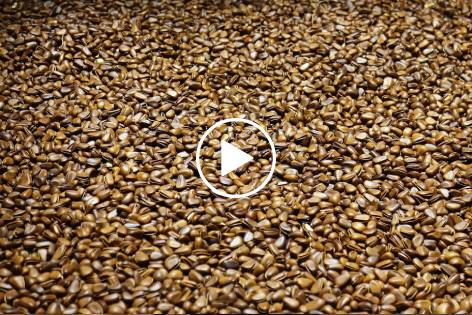
LMU 119 – Discover the Power of Ground Flaxseed: A Key to Weight Loss and Vitality

LMU-119

LMU 119 – Discover the Power of Ground Flaxseed: A Key to Weight Loss and Vitality

Source: American Journal of Physiology-Endocrinology and Metabolism (Dec 2018)

Lifestyle Medicine Update (February 13, 2019)

Introduction:

In the intricate realm of nutritional science, certain superfoods emerge as dynamic agents of wellness, wielding a plethora of health benefits. Among these, ground flaxseed stands tall, a nutritional powerhouse that has garnered attention for its diverse advantages. From reducing cholesterol levels to bolstering digestive regularity, flaxseed has etched its mark on the landscape of well-being. The latest revelation, published in the American Journal of Physiology-Endocrinology and Metabolism, unveils a new facet of flaxseed’s potential—its ability to aid in weight loss and enhance energy levels. The whispers of flaxseed’s wonders have turned into a resounding chorus, echoing the importance of this humble seed in the pursuit of vitality.

The Multifaceted Potential of Ground Flaxseed

Flaxseed has woven a tapestry of health benefits, documented through extensive human clinical trials. A mere heaping tablespoon of ground flaxseed per day has showcased its prowess in numerous arenas. From taming high cholesterol levels to combatting constipation, from reversing fibrocystic breast disease to fortifying the male prostate gland, flaxseed has left an indelible mark. Moreover, experimental studies tantalizingly suggest its potential in preventing hormone-dependent cancers like breast, uterine, and prostate cancers, further solidifying its place as a holistic ally in health.

A Glimpse into Groundbreaking Research

The stage is set for a paradigm-shifting revelation, unveiled in the December 18 issue of the American Journal of Physiology-Endocrinology and Metabolism. Researchers cast their gaze upon flaxseed’s impact on weight loss and energy enhancement, an uncharted territory within the realm of flaxseed’s potential. This exploration delves into the intricate dance between gut bacteria, fermentation, and its profound influence on weight regulation and glucose tolerance.

The Intricate Dance Within

Within the depths of our digestive tract resides a thriving ecosystem of microflora, orchestrating a symphony of processes crucial to well-being. The researchers embarked on a journey to decipher how flaxseed fiber interacts with this delicate balance. The protagonist of this tale is fermentation—the breakdown of dietary fiber within the gut. The spotlight falls upon the intricate role fermentation plays in steering favorable changes in the body, such as an increase in beneficial fatty acids. These allies may contribute to the reduction of fat tissue production and an augmentation of immune function.

A Symphony of Diet and Microflora

The study unfolded within the world of mice, the participants in a symphony of scientific exploration. Four diets took center stage, each representing a distinct facet of the dietary landscape:

  1. A standard diet with 4.6 percent soy-based fiber.
  2. A high-fat diet devoid of fiber.
  3. A high-fat diet infused with 10 percent indigestible cellulose fiber.
  4. A high-fat diet enriched with 10 percent flaxseed fiber.

As the study reached its crescendo, the results reverberated with significance. The mice embracing flaxseed exhibited heightened physical activity, countered weight gain, and kindled a spark of improved glucose control. The presence of flaxseed within the diet emerged as a shield against diet-induced obesity, igniting the flames of improved energy expenditure and activity levels. This was further underscored by the beneficial fatty acids that intertwined with weight prevention and the fortification against various ailments.

The Remarkable Revelation

Peering into the microcosm of the gut, the researchers unearthed a compelling discovery. The bacteria fostered by flaxseed fiber fermentation yielded a symphony of beneficial fatty acids and health-promoting products. The alteration in bacterial composition nurtured fermented products, capable of taming weight gain, reversing it, and enhancing energy and activity levels. In the words of the researchers, “our data suggest that flaxseed fiber supplementation affects host metabolism by increasing energy expenditure and reducing obesity as well as by improving glucose tolerance.”

Empowering the Journey to Vitality

With this revelation, the spotlight turns to daily applications. Incorporating a heaping tablespoon of ground flaxseed emerges as a simple yet powerful strategy. Whether blended into a protein shake, stirred into low-fat yogurt, or sprinkled over a bowl of cereal, its potential to prevent weight gain and amplify energy becomes a valuable asset on the journey to vitality. The pages of scientific inquiry unfold, inviting us to embrace flaxseed as an essential partner in our quest for holistic well-being.

Epilogue: Nurturing Wellness Through Dietary Allies

As the curtain falls on this chapter of scientific discovery, flaxseed’s prominence as a versatile nutritional ally takes center stage. Its multifaceted potential has expanded to encompass weight management and the revitalization of energy levels. The revelations of this study align seamlessly with the broader tenets of lifestyle medicine, which champions the profound impact of diet on our physical and mental well-being. Ground flaxseed emerges not only as a symbol of hope but as a tangible tool we can wield in the pursuit of a vibrant and energized life.

References:

1. Tulika Arora, Olga Rudenko, Kristoffer Lihme Egerod, Anna Sofie Husted, Petia Kovatcheva-Datchary, Rozita Akrami, Mette Kristensen, Thue W. Schwartz, Fredrik Bäckhed. Microbial fermentation of flaxseed fibers modulates the transcriptome

Eat smart, live well, look great,

Dr. Meschino

Dr. James Meschino

Dr. James Meschino

ABOUT THE AUTHOR

Dr. James Meschino, DC, MS, ROHP, is an educator, author, and researcher having lectured to thousands of healthcare professionals across North America. He holds a Master’s Degree in Science with specialties in human nutrition and biology and is recognized as an expert in the field of nutrition, anti-aging, fitness, and wellness as well as the author of numerous books.

Posted on

LMU 118 – Nourishing Your Mood: The Power of Diet and Depression Management

LMU-118

LMU 118 – Nourishing Your Mood: The Power of Diet and Depression Management

Source: Journal Psychosomatic Medicine (February 2019)

Lifestyle Medicine Update (February 8, 2019)

Introduction:

In the grand tapestry of health and wellness, the threads of our physical and mental well-being are inextricably intertwined. As the shadows of depression and mood fluctuations loom over lives, a question emerges from the shadows—can dietary choices wield the power to alleviate the weight of these emotional burdens? In the corridors of scientific inquiry, studies have long hinted at the link between diet and mood. But now, a revelation surfaces, bolstered by a comprehensive meta-analysis, offering hope and insight into the role of dietary modifications in the realm of depression management.

A Dance Between Diet and Mood

As the curtain rises on this exploration, the age-old query reverberates—can the foods we consume influence our mental states? Anecdotal murmurs have long suggested a connection, but empirical evidence has been elusive. Enter the realm of lifestyle medicine, where physical health and mental well-being entwine. Studies have already extolled the virtues of regular endurance exercise as a beacon of hope, ushering in improved mood, heightened well-being, and a shield against the shadows of depression and anxiety. But the realm of dietary choices remained an enigmatic domain, awaiting its moment of revelation.

Unveiling the Hidden Link

As the sands of time shift, a cornerstone of insight emerges—an elaborate meta-analysis published in the journal Psychosomatic Medicine, casting its net wide over 16 eligible studies, embracing nearly 46,000 participants. The results illuminate a hitherto uncharted path, adorned with the promise of dietary modifications as harbingers of improved mood, even for those ensnared by the clutches of diagnosed depressive disorder. The stage is set for a transformative journey, where diet dances hand in hand with mental wellness.

The Symphony of Dietary Modifications

In the spotlight of this revelation stands an array of dietary modifications, each holding aloft the promise of improved mental health. Weight-loss, a reduction in fat intake, and the elevation of nutrient-rich diets—all emerge as knights of hope, wielding their swords against the dragons of depressive symptoms. The chorus of recommendations harmonizes—embrace meals brimming with nutrients, embrace the embrace of fiber and vegetables, and with a resolute spirit, distance yourself from the siren call of fast-foods and refined sugars. The implications are clear: simple dietary shifts can harness the power to fend off the psychological turmoil that often accompanies a “junk food” diet.

A Symphony of Holistic Wellness

As the melody of revelation unfolds, a dynamic interplay surfaces—diet, exercise, and mood. The chorus resounds with an encouraging note—the combination of dietary interventions and exercise serves as a harmonious symphony, orchestrating an even more profound improvement in depressive symptoms. Herein lies a crucial revelation—the female participants basked in the glow of even greater benefits from dietary interventions for depression and anxiety symptoms. It’s a testament to the intricate interplay between gender, diet, and mental well-being.

A New Dawn of Healing

The words of the co-author ring through the corridors of discovery, “our data add to the growing evidence to support lifestyle interventions as an important approach to tackle low mood and depression.” The tendrils of speculation extend, weaving intricate connections—perhaps the improved mood birthed from dietary modifications stems from the unshackling of obesity, the taming of inflammation, or the banishment of fatigue. Each thread unfurls, intersecting with the realm of diet, a web of influences that cascade upon mental health. The journey of understanding has only begun, and while more studies are needed, the compass of hope now points towards a healthier, brighter horizon.

Epilogue: Nurturing the Seeds of Wellness

As the curtain descends on this symphony of discovery, a resounding truth echoes—the choices we make at the dinner table ripple through the tapestry of our lives. In the realm of mood management, the power of dietary modifications has been unveiled, paving the way for a journey of healing. The embrace of nutrient-dense choices, the avoidance of fast-food siren calls, the synergy with exercise—these elements converge, nurturing the seeds of holistic wellness. As we journey forward, let the symphony of dietary well-being be the anthem that guides us towards brighter tomorrows.

Reference:

Joseph Firth, Wolfgang Marx, Sarah Dash, Rebekah Carney, Scott B Teasdale, Marco Solmi, Brendon Stubbs, Felipe B. Schuch, André F. Carvalho, Felice Jacka, Jerome Sarris. The effects of dietary improvement on symptoms of depression and anxiety. Psychosomatic Medicine, 2019;  10.1097/PSY.0000000000000673

Eat Smart, Live Well, Look Great,

Dr. Meschino

Dr. James Meschino

Dr. James Meschino

ABOUT THE AUTHOR

Dr. James Meschino, DC, MS, ROHP, is an educator, author, and researcher having lectured to thousands of healthcare professionals across North America. He holds a Master’s Degree in Science with specialties in human nutrition and biology and is recognized as an expert in the field of nutrition, anti-aging, fitness, and wellness as well as the author of numerous books.

Posted on

LMU 117 – Unlocking the Potential of B-Vitamins: A Ray of Hope for Schizophrenia Management

LMU-117

LMU 117 – Unlocking the Potential of B-Vitamins: A Ray of Hope for Schizophrenia Management

Source: Journal of Psychiatric Neuroscience and Therapeutics (January 19, 2019)

Lifestyle Medicine Update (January 25, 2019)

Introduction:

The enigmatic labyrinth of schizophrenia, a complex mental disorder, has long captivated the attention of medical minds. The pursuit of effective treatments continues, fuelled by the unyielding quest to improve the lives of those ensnared by its grasp. Amidst this landscape of inquiry, a duo of natural supplements emerges—L-Taurine and B-vitamins—garnering attention for their potential to weave threads of improvement in the fabric of schizophrenia management.

Unveiling L-Taurine’s Promising Role

In a prior exploration through the realm of Lifestyle Medicine, the spotlight shone upon L-Taurine—an amino acid that ignited hopes for a novel approach in the management of schizophrenia. With a mere addition of 3,000 mg per day of L-Taurine to the repertoire of antipsychotic drugs, a flicker of improvement illuminated the path for young individuals resistant to the solace of drug treatment alone.

The Illuminating Journey of B-Vitamins

As the pursuit of solutions gathers momentum, another beacon of promise emerges—B-vitamins. Nestled within the pages of the Journal of Psychiatric Neuroscience and Therapeutics, a revelation unfurls. A study, stemming from the observation that individuals with schizophrenia often harbor elevated blood levels of homocysteine, beckons our attention. A tapestry of inquiry unfolds as researchers embark on a journey to investigate the potential of B-vitamins in the intricate dance of schizophrenia management.

B-Vitamins: The Protectors of Balance

Within the cocoon of the study, 120 patients on the cusp of their first episode of psychosis stand as the canvas for exploration. A randomized, double-blind, placebo-controlled voyage commences, steering half the patients toward a daily B-vitamin supplement concoction. The elixir, a potent blend of folic acid (5 mg), vitamin B12 (400 mcg), and vitamin B6 (50 mg), is designed to balance the scales for those grappling with the tumultuous waves of first-episode psychosis.

Homocysteine: A Crucial Nexus

In this intricate narrative, the players are folic acid, B12, and B6—key actors in the orchestra of B-vitamins. Their significance lies in their ability to tame homocysteine levels—a biochemical entity often elevated in the realms of schizophrenia. Armed with the knowledge that these vitamins wield the power to usher homocysteine back into the embrace of normalcy, the researchers embark on a journey to decipher the potential link between high homocysteine and the intricate tapestry of schizophrenia.

A Glimpse into the Outcome

The pages of the study unfold to reveal a significant transformation—homocysteine levels receding within a span of 12 weeks for those fortunate enough to embrace the B-vitamin cocktail. As the biochemical tides shifted, attention-vigilant scores surged, heralding a newfound clarity for the beneficiaries of the supplement. Amidst the canvas, a spotlight shines upon the female participants with affective psychosis. Their neurocognitive landscape witnesses an evolution—a testament to the protective mantle woven by the B-vitamins.

A Cautionary Melody: High Homocysteine’s Echoes

As the echoes of this study resonate, a poignant melody emerges—every individual’s journey bears the signature of their homocysteine levels. The tapestry of evidence cautions us to cast a vigilant gaze upon these levels, invoking the importance of an annual homocysteine blood test. Elevated homocysteine, a harbinger of heart diseasestrokeosteoporosis, and dementia, holds sway over the orchestra of well-being. The symphony of B-vitamins and targeted supplementation can orchestrate a transformation, offering a beacon of hope for those ensnared by its grip.

Epilogue: Illuminating the Path Forward

The realm of schizophrenia management emerges as a landscape ripe with promise and prudence. L-Taurine and B-vitamins cast their silhouettes upon the stage, their potential woven into the fabric of well-being. As we journey forward, let the lessons of cautious optimism guide us, igniting a spark of curiosity to explore the realm of natural supplements as allies in the quest for improved mental health.

References:

Allott K, McGorry P.D, Yuen HP et al. The vitamins in psychosis study: A randomized, double-blind, placebo-controlled trial of the effects on vitamin B12, B6 and folic acid on symptoms and neurocognition in first-episode psychosis. Journal of Psychiatric Neuroscience and Therapeutics (January 19, 2019) Published online January 9, 2019. [Read the study here](https://www.biologicalpsychiatryjournal.com/article/S0006-3223(19)30001-0/fulltext)


Eat Smart, Live Well, Look Great,

Dr. Meschino

Introduction:

The enigmatic labyrinth of schizophrenia, a complex mental disorder, has long captivated the attention of medical minds. The pursuit of effective treatments continues, fuelled by the unyielding quest to improve the lives of those ensnared by its grasp. Amidst this landscape of inquiry, a duo of natural supplements emerges—L-Taurine and B-vitamins—garnering attention for their potential to weave threads of improvement in the fabric of schizophrenia management.

Unveiling L-Taurine’s Promising Role

In a prior exploration through the realm of Lifestyle Medicine, the spotlight shone upon L-Taurine—an amino acid that ignited hopes for a novel approach in the management of schizophrenia. With a mere addition of 3,000 mg per day of L-Taurine to the repertoire of antipsychotic drugs, a flicker of improvement illuminated the path for young individuals resistant to the solace of drug treatment alone.

The Illuminating Journey of B-Vitamins

As the pursuit of solutions gathers momentum, another beacon of promise emerges—B-vitamins. Nestled within the pages of the Journal of Psychiatric Neuroscience and Therapeutics, a revelation unfurls. A study, stemming from the observation that individuals with schizophrenia often harbor elevated blood levels of homocysteine, beckons our attention. A tapestry of inquiry unfolds as researchers embark on a journey to investigate the potential of B-vitamins in the intricate dance of schizophrenia management.

B-Vitamins: The Protectors of Balance

Within the cocoon of the study, 120 patients on the cusp of their first episode of psychosis stand as the canvas for exploration. A randomized, double-blind, placebo-controlled voyage commences, steering half the patients toward a daily B-vitamin supplement concoction. The elixir, a potent blend of folic acid (5 mg), vitamin B12 (400 mcg), and vitamin B6 (50 mg), is designed to balance the scales for those grappling with the tumultuous waves of first-episode psychosis.

Homocysteine: A Crucial Nexus

In this intricate narrative, the players are folic acid, B12, and B6—key actors in the orchestra of B-vitamins. Their significance lies in their ability to tame homocysteine levels—a biochemical entity often elevated in the realms of schizophrenia. Armed with the knowledge that these vitamins wield the power to usher homocysteine back into the embrace of normalcy, the researchers embark on a journey to decipher the potential link between high homocysteine and the intricate tapestry of schizophrenia.

A Glimpse into the Outcome

The pages of the study unfold to reveal a significant transformation—homocysteine levels receding within a span of 12 weeks for those fortunate enough to embrace the B-vitamin cocktail. As the biochemical tides shifted, attention-vigilant scores surged, heralding a newfound clarity for the beneficiaries of the supplement. Amidst the canvas, a spotlight shines upon the female participants with affective psychosis. Their neurocognitive landscape witnesses an evolution—a testament to the protective mantle woven by the B-vitamins.

A Cautionary Melody: High Homocysteine’s Echoes

As the echoes of this study resonate, a poignant melody emerges—every individual’s journey bears the signature of their homocysteine levels. The tapestry of evidence cautions us to cast a vigilant gaze upon these levels, invoking the importance of an annual homocysteine blood test. Elevated homocysteine, a harbinger of heart disease, stroke, osteoporosis, and dementia, holds sway over the orchestra of well-being. The symphony of B-vitamins and targeted supplementation can orchestrate a transformation, offering a beacon of hope for those ensnared by its grip.

Epilogue: Illuminating the Path Forward

The realm of schizophrenia management emerges as a landscape ripe with promise and prudence. L-Taurine and B-vitamins cast their silhouettes upon the stage, their potential woven into the fabric of well-being. As we journey forward, let the lessons of cautious optimism guide us, igniting a spark of curiosity to explore the realm of natural supplements as allies in the quest for improved mental health.

References:

Allott K, McGorry P.D, Yuen HP et al. The vitamins in psychosis study: A randomized, double-blind, placebo-controlled trial of the effects on vitamin B12, B6 and folic acid on symptoms and neurocognition in first-episode psychosis. Journal of Psychiatric Neuroscience and Therapeutics (January 19, 2019) Published online January 9, 2019. [Read the study here](https://www.biologicalpsychiatryjournal.com/article/S0006-3223(19)30001-0/fulltext)

Eat Smart, Live Well, Look Great,

Dr. Meschino

Dr. James Meschino

Dr. James Meschino

ABOUT THE AUTHOR

Dr. James Meschino, DC, MS, ROHP, is an educator, author, and researcher having lectured to thousands of healthcare professionals across North America. He holds a Master’s Degree in Science with specialties in human nutrition and biology and is recognized as an expert in the field of nutrition, anti-aging, fitness, and wellness as well as the author of numerous books.
Posted on

LMU 116 – Herbs and Autoimmune Disease Flare-ups

LMU-116

LMU 116 – Navigating Immune Modulation: A Delicate Balancing Act for Autoimmune Warriors

Source: Archives Dermatology (2004); Journal Gastroenterology Medicine & Research (2018)

Lifestyle Medicine Update (January 16, 2019)

Introduction:

The body’s immune system, a vigilant guardian against invaders, sometimes needs a little fine-tuning. Nature, in its wisdom, has bestowed upon us a repertoire of natural supplements and foods that possess the remarkable ability to modulate our immune function. The spotlight often falls on medical mushrooms like reishi, shiitake, and maitake—potent agents celebrated for their capacity to function as biological response modulators. In a symphony of health, they can bolster a weakened immune system or, conversely, pacify an overactive one.

The Enigma of Autoimmune Diseases

As we tread into the realm of immune modulation, a complex question emerges—do these immune-balancing treasures hold promise for individuals grappling with autoimmune diseases? These diseases, from rheumatoid arthritis to lupus, reveal a peculiar irony. The immune system, typically a stalwart protector, goes awry, attacking the body’s own tissues—joints, lungs, kidneys, and more. Inflammation sets in, and the delicate balance of bodily harmony is disrupted, with dire consequences. The big question looms—can immune modulators be a beacon of hope or a trigger of turmoil for those ensnared by autoimmune diseases?

A Tangle of Evidence: Immune-Modulating Foods and Autoimmunity

In the annals of medical exploration, a pivotal inquiry remains unanswered. Can immune-modulating foods and supplements, hailed for their adeptness at balancing immune responses, befriend individuals waging war against autoimmune diseases? The conundrum lies in the very essence of autoimmune disorders—a hyperactive immune system wreaking havoc within. The thought of amplifying immune function in such cases seems counterintuitive. But intriguingly, the realm of literature is bereft of instances where dietary supplements or immune-modulating foods have been the culprits behind the aggravation or ignition of autoimmune diseases.

Unearthing Clues: A Glimpse into Case Reports

The pages of medical journals have witnessed the emergence of case reports that illuminate the intersection of immune-stimulating supplements and autoimmune conditions. In 2004, the spotlight turned to Echinacea, a popular immune-stimulating supplement, which was implicated in fuelling flare-ups of a rare autoimmune condition known as pemphigus vulgaris—a tormentor that blankets the skin and mucous membranes with blistering agony. Another instance saw the algae Spirulina platensis entwined in a similar narrative, unleashing a cascade of chaos in the form of pemphigus vulgaris. The stage witnessed yet another entrant—Aphanizomenon flos-aquae, an algae that cast its shadow over dermatomyositis, an autoimmune malady characterized by muscle weakness and inflamed muscles. The year 2018 cast a spotlight on autoimmune hepatitis, where rare herbal agents danced on the edges of liver inflammation and injury, underlining the potential of certain herbs to induce liver harm.

A Whisper of Caution: Autoimmune Terrain and Immune Modulators

As the puzzle pieces fall into place, a poignant message emerges—individuals ensnared by autoimmune conditions tread a delicate path when contemplating the embrace of supplements or foods adorned with immune-stimulating cloaks. The dilemma unfurls as we peer into the story of Echinacea, a beloved elixir for the common cold. While many revel in its immune-boosting prowess, the enchantment may falter for the one in five Americans harboring autoimmune diseases. The act of enhancing immune function, a boon for some, might awaken the sleeping beast within, triggering a surge in the ferocity of their condition.

The Enigma Unveiled: Immune-Modulating Agents and Autoimmunity

Amidst the patchwork of evidence, a paradoxical truth becomes known. Over the past two decades, the instances of immune-modulating herbs or foods unfurling autoimmune upheaval remain but whispers—a rarity in the realm of dietary exploration. As we gaze at this mosaic of findings, a ray of encouragement pierces through. The reports are indeed very rare, offering solace to the legion of supplement users. While the odds appear reassuringly low, the narratives of caution reverberate in the corridors of our awareness.

Epilogue: A Tale of Vigilance and Choice

The narrative of immune modulation unfurls as a tapestry woven with threads of promise and prudence. The connection between dietary choices and autoimmune conditions impels us to tread mindfully. With every supplement swallowed and every choice made at the table, the stakes are high. The dance of the immune system, an intricate choreography within, beckons us to honor its rhythms. As we journey through the labyrinth of immune modulation, let the tales of caution and curiosity guide our steps, cultivating a tapestry of well-being.

References:

1. 3 Case Reports: Arch Dermatol June 2004: [Read the reports here](https://jamanetwork.com/journals/jamadermatology/fullarticle/480602)

2. Autoimmune hepatitis (Journal of Gastroenterology Medicine & Research 2018): [Read the study here](https://crimsonpublishers.com/gmr/pdf/GMR.000509.pdf)

 Eat Smart, Live Well, Look Great,

Dr. Meschino

Dr. James Meschino

Dr. James Meschino

ABOUT THE AUTHOR

Dr. James Meschino, DC, MS, ROHP, is an educator, author, and researcher having lectured to thousands of healthcare professionals across North America. He holds a Master’s Degree in Science with specialties in human nutrition and biology and is recognized as an expert in the field of nutrition, anti-aging, fitness, and wellness as well as the author of numerous books.

Posted on

LMU 115 – The Not-So-Sweet Truth: Unveiling the Link Between Sugars and Breast Cancer

LMU-115

LMU 115 – The Not-So-Sweet Truth: Unveiling the Link Between Sugars and Breast Cancer

Source: Journal of Breast Cancer Research and Treatment (October 2018)

Lifestyle Medicine Update (January 5, 2019)

Introduction:

In the intricate tapestry of health, the relationship between dietary choices and cancer has long captivated researchers. A groundbreaking study published in the esteemed journal Breast Cancer Research and Treatment brings us closer to unravelling this enigma. Scientists at the Medical University of South Carolina embarked on a quest to explore the impact of high-sugar foods and beverages on breast cancer cells. The findings, both enlightening and concerning, reveal a compelling connection between our dietary indulgences and the behavior of estrogen-receptor-positive breast cancer cells.

The AGE of Discovery: Sugars’ Role in Cancer

As the curtains rise on this research, a term takes center stage—AGE, an acronym for Advanced Glycation End-products. In essence, high blood sugar levels contribute to the formation of these AGE-proteins, coating various proteins within the bloodstream. The repercussions of this process extend far beyond the realm of mere biochemistry. The study sheds light on a disconcerting phenomenon: AGE-proteins, born from the aftermath of indulging in simple sugars, wield a remarkable power over estrogen-receptor-positive breast cancer cells.

A Molecular Tango: Sugars and Estrogen Receptors

To unearth the intricate dance between sugars and breast cancer cells, researchers undertook a series of experiments. The stage was set with human breast cancer cells classified as estrogen-receptor-positive—an essential marker in breast cancer. The catalyst for this choreography was the introduction of AGE-proteins to these cells. Astonishingly, this interaction yielded a striking revelation—the AGE-proteins triggered the estrogen receptors on these breast cancer cells, fuelling their division and multiplication.

The Drug Tamoxifen: A Story of Inhibition

The storyline took an intriguing twist as the researchers introduced a key player—tamoxifen. This drug, often used to stave off the recurrence of estrogen-receptor-positive breast cancer, exhibits a unique ability. By binding to estrogen receptors, tamoxifen arrests the division of breast cancer cells. In the initial act of the study, the administration of tamoxifen lived up to its reputation, halting the division of human breast cancer cells.

The AGE Proteins’ Intrusion

However, the narrative took an unexpected turn as AGE-proteins entered the scene. The protective effects of tamoxifen seemed to wane in the presence of these proteins, which overshadowed the drug’s preventive prowess. A disheartening reality emerged—the AGE-proteins negated the protective cloak of tamoxifen, reigniting the division of breast cancer cells.

Implications and Insights: The Path Forward

The implications of this study ripple through the landscape of cancer prevention and management. The connection between dietary practices and cancer development is well-documented, yet the intricate biological mechanisms remain a terrain of exploration. As we peer through the lens of this research, a clear message emerges—an individual’s dietary choices, particularly those high in simple sugars, contribute to the production of AGE-proteins in the bloodstream. This, in turn, casts a shadow over the risk of estrogen-receptor-positive breast cancer.

Empowering Choices: A Holistic Approach

A ray of hope pierces through this shadow as the study offers insights into mitigation. A human study underscores the power of targeted lifestyle interventions in reducing the presence of AGE-proteins. Obese women with a history of estrogen-receptor-positive breast cancer charted a transformative journey. A dietary and exercise regimen, rich in choices low in simple sugars and detrimental fats, yielded tangible results. Even foods seared, fried, or grilled—culprits in AGE-protein production—found their place in this comprehensive strategy.

Beyond Breast Cancer: AGE Proteins’ Wider Impact

The pernicious influence of AGE-proteins extends beyond breast cancer. Elevated levels of these proteins in the bloodstream are inextricably linked to an increased risk of diabetes, Alzheimer’s disease, cardiovascular ailments, arthritis, macular degeneration, and kidney disorders. The imperative to maintain blood sugar levels within the optimal range emerges as a universal directive, transcending gender and medical history. In this narrative, the avoidance of bad fats and cooking processes that foster AGE-protein production becomes paramount.

Epilogue: A New Chapter in Health

The study heralds a new chapter in our journey toward holistic health. The relationship between sugars and breast cancer cells deepens our understanding of the intricate forces at play within our bodies. As we traverse the landscapes of diet and well-being, let this revelation guide our choices. The narrative is one of empowerment—a testament that our dietary decisions hold the power to shape our well-being, and by extension, our future.

References:

Katherine R. Walter, Marvella E. Ford, Mathew J. Gregoski, Rita M. Kramer, Kendrea D. Knight, Laura Spruill, Lourdes M. Nogueira, Bradley A. Krisanits, Van Phan, Amanda C. La Rue, Michael B. Lilly, Stefan Ambs, King Chan, Tonya F. Turner, Heidi Varner, Shweta Singh, Jaime Uribarri, Elizabeth Garrett-Mayer, Kent E. Armeson, Ebony J. Hilton, Mark J. Clair, Marian H. Taylor, Andrea M. Abbott, Victoria J. Findlay, Lindsay L. Peterson, Gayenell Magwood, David P. Turner. Advanced glycation end products are elevated in estrogen receptor-positive breast cancer patients, alter the response to therapy, and can be targeted by lifestyle intervention. Breast Cancer Research and Treatment, 2018; [Read the study here](https://link.springer.com/article/10.1007%2Fs10549-018-4992-7)


Eat Smart, Live Well, Look Great

Dr. Meschino

Dr. James Meschino

Dr. James Meschino

ABOUT THE AUTHOR

Dr. James Meschino, DC, MS, ROHP, is an educator, author, and researcher having lectured to thousands of healthcare professionals across North America. He holds a Master’s Degree in Science with specialties in human nutrition and biology and is recognized as an expert in the field of nutrition, anti-aging, fitness, and wellness as well as the author of numerous books.