
Posted on

LMU 252 – Finding the Key to Alzheimer’s Prevention: Lifestyle Changes and Cholesterol Management

LMU-252

Finding the Key to Alzheimer's Prevention: Lifestyle Changes and Cholesterol Management

Source: Brain Science Journal (June 2020)

Lifestyle Medicine Update (August 3, 2022)

Introduction:

In the quest to conquer Alzheimer’s disease, a significant breakthrough has recently emerged. Contrary to the hopes pinned on drugs targeting beta-amyloid plaque, these medications have thus far fallen short in preventing or treating the condition. Instead, an esteemed neurologist, Dr. Henry Paulson, is advocating for a more holistic approach, emphasizing the pivotal role of lifestyle and diet in reducing the risk of dementia. With evidence mounting, it is becoming increasingly clear that adopting healthy habits can be the cornerstone in the battle against Alzheimer’s.

The Downfall of Beta-Amyloid-Targeting Drugs

As reported in *Science* on July 21, 2022, the drugs developed to combat beta-amyloid plaque formation have proven ineffective in preventing or treating Alzheimer’s disease. Despite high expectations, these medications have not delivered the desired results, raising concerns about their efficacy.

Dr. Henry Paulson’s Take on Alzheimer’s Prevention

Dr. Henry Paulson, a renowned professor of neurology who heads the Michigan Alzheimer’s Center, offers an alternative perspective. He believes that the emphasis on finding a drug to address Alzheimer’s may not yield the results we hope for in the near future. Instead, he underscores the significance of cultivating healthy daily habits such as maintaining good sleep patterns, adopting a balanced diet, engaging in regular exercise, fostering social connections, and controlling blood pressure and cholesterol.

The Cholesterol-Alzheimer’s Connection

A comprehensive 2020 meta-analysis study, featured in *Brain Science*, sheds light on a crucial link between cholesterol levels and Alzheimer’s disease risk. The research revealed that individuals with high total cholesterol, particularly elevated LDL-cholesterol (the “bad” cholesterol), face a significantly higher risk of developing Alzheimer’s disease. High LDL cholesterol, considered an independent risk factor for Alzheimer’s development, is believed to raise the risk by potentially clogging arteries in the brain and contributing to brain inflammation.

Take Charge of Your Cholesterol Levels

Taking proactive measures to manage cholesterol is paramount. The first step is to be aware of your LDL-cholesterol levels. If your LDL-cholesterol level exceeds 2.0 mmol/L (77 mg/dl), it’s essential to work diligently at eliminating cholesterol-raising foods from your diet. These foods primarily include those high in saturated fat, trans-fats, deep-fried items, and breaded foods. However, even if your cholesterol levels are within the recommended range, it’s wise to limit your intake of these foods for overall health benefits.

Conclusion:

In the battle against Alzheimer’s disease, the focus is shifting from ineffective drug interventions to empowering individuals with the knowledge that their daily choices can significantly impact their risk. By adopting a healthy lifestyle, controlling cholesterol levels, and embracing positive habits, we can take tangible steps toward reducing the risk of Alzheimer’s and promoting overall well-being.

References:

  1. [Science](https://www.science.org/content/article/potential-fabrication-research-images-threatens-key-theory-alzheimers-disease)
  2. [Neuroscience News](https://neurosciencenews.com/alzheimers-wrong-ab-21156/)
  3. [Saiz-Vazquez O, et al. “Cholesterol and Alzheimer’s disease risk: A Meta-Meta-Analysis.” Brain Sci. 2020; 10(6)](https://www.ncbi.nlm.nih.gov/pmc/articles/PMC7349210/)
 
Eat Smart, Live Well, Look Great,
 

Dr. Meschino


Dr. James Meschino

Dr. James Meschino

ABOUT THE AUTHOR

Dr. James Meschino, DC, MS, ROHP, is an educator, author, and researcher having lectured to thousands of healthcare professionals across North America. He holds a Master’s Degree in Science with specialties in human nutrition and biology and is recognized as an expert in the field of nutrition, anti-aging, fitness, and wellness as well as the author of numerous books.
Posted on

LMU 251 – Potassium: A Heart-Healthy Nutrient that Could Save Lives – A 20-Year Study Reveals the Surprising Impact of Potassium on Cardiovascular Health

LMU-251

Potassium: A Heart-Healthy Nutrient that Could Save Lives - A 20-Year Study Reveals the Surprising Impact of Potassium on Cardiovascular Health

Source: European Heart Journal (July 2022)

Lifestyle Medicine Update (July 27, 2022)

Introduction:

A groundbreaking study, published on July 21, 2022, in the European Heart Journal, has unveiled an extraordinary link between potassium consumption and cardiovascular health. This comprehensive 20-year investigation, conducted with nearly 25,000 participants, uncovered the remarkable effects of potassium on high blood pressure reduction and the prevention of cardiovascular diseases. Furthermore, it revealed intriguing disparities between the impact of potassium on men and women. Let’s delve into this groundbreaking research and explore how a simple dietary adjustment could be a key factor in preserving heart health.

The EPIC-Norfolk Study: A Closer Look

The study enlisted 24,963 participants, including 11,267 men and 13,696 women, from the EPIC-Norfolk study. These individuals, aged 40 to 79, were recruited from general practices in Norfolk, UK, between 1993 and 1997. The participants, with an average age of 59 for men and 58 for women, filled out lifestyle habit questionnaires, underwent blood pressure measurements, and provided urine samples for dietary intake estimation of sodium and potassium.

Potassium’s Pivotal Role in Blood Pressure Reduction

The results of the study illuminated a fascinating relationship between potassium intake and blood pressure reduction. For women, an increase in potassium consumption corresponded to a decrease in blood pressure. This effect was most pronounced in women with high sodium intake, where every additional 1-gram of daily potassium was associated with a 2.4 mmHg reduction in systolic blood pressure. Surprisingly, no such association was observed in men, leaving a gender-based disparity unexplained.

Beyond Blood Pressure: Cardiovascular Protection

The benefits of potassium went beyond blood pressure reduction. When adjusting for various factors such as age, sex, body mass index, sodium intake, drug use, smoking, alcohol intake, diabetes, and prior heart conditions, it was found that individuals with the highest potassium intake enjoyed a 13% lower risk of cardiovascular events. When examining the genders separately, women exhibited an 11% lower risk of experiencing a serious cardiovascular event, while men saw a 7% reduction. Notably, the amount of salt in the diet did not affect this relationship, emphasizing potassium’s independent protective role.

The Potassium Paradox: More for Women?

Professor Vogt, a lead researcher, expressed that potassium’s cardiovascular benefits, though significant for both genders, favored women. This relationship between potassium and cardiovascular events appeared unaffected by salt intake, indicating that potassium offers heart protection in ways beyond sodium excretion.

The Recommended Potassium Intake

The World Health Organization recommends adults to consume a minimum of 3.5 grams (3500 mg) of potassium and less than 2 grams (2000 mg) of sodium (equivalent to 5 grams or 5000 mg of salt) per day. Potassium-rich foods include vegetables, fruits, nuts, beans, low-fat dairy products, and fish. For example, a medium banana contains 375 mg of potassium, while 154 grams of cooked salmon provides 780 mg. To help you further, we’ve included a potassium food chart highlighting some healthy potassium-containing foods.

Caution: High Potassium Levels

It’s essential to mention that some individuals need to be cautious about excessive potassium intake due to a medical condition called hyperkalemia. High potassium levels can lead to severe health complications, such as a heart attack or sudden death. Specific groups at risk include those with chronic kidney disease, heart failure, diabetes, and individuals taking certain blood pressure-lowering drugs. If you suspect high blood potassium levels, consult your physician and request a blood potassium test, which is often part of routine blood analysis.

A Call for a Healthier Diet

For most of the population, increasing potassium intake is a positive step toward better heart health. On average, adult women consume 2300 mg of potassium daily, while men consume 3000 mg. The National Institutes of Health recommends a daily potassium intake of 4700 mg for both genders, achievable through a diet rich in fruits, vegetables, legumes, nuts, fish, and low-fat dairy products. This dietary adjustment can help maintain healthy blood pressure and reduce the risk of severe cardiovascular events.

Conclusion:

The remarkable findings from the EPIC-Norfolk study emphasize the significance of potassium in maintaining cardiovascular health. While the gender-based differences in potassium’s effects remain a mystery, one thing is clear: a potassium-rich diet could be a life-saving choice. To discover more potassium-rich foods and their potassium content, refer to the included list of healthy potassium-containing foods.

References:

  1. [Rosa D Wouda et al. “Sex-specific associations between potassium intake, blood pressure, and cardiovascular outcomes: the EPIC-Norfolk study.” European Heart Journal, 2022](https://academic.oup.com/eurheartj/advance-article/doi/10.1093/eurheartj/ehac313/6612684)
  2. [Facts About High Potassium in Patients with Kidney Disease. National Kidney Foundation](https://www.kidney.org/atoz/content/hyperkalemia/facts#:~:text=High%20levels%20of%20potassium%20in,heart%20problems%20and%20sudden%20death.&text=There%20are%20often%20no%20warning,high%20potassium%20without%20knowing%20it)
  3. [National Institutes of Health – Potassium](https://ods.od.nih.gov/factsheets/Potassium-HealthProfessional/#h4)
 
Eat Smart, Live Well, Look Great,
 

Dr. Meschino

Dr. James Meschino

Dr. James Meschino

ABOUT THE AUTHOR

Dr. James Meschino, DC, MS, ROHP, is an educator, author, and researcher having lectured to thousands of healthcare professionals across North America. He holds a Master’s Degree in Science with specialties in human nutrition and biology and is recognized as an expert in the field of nutrition, anti-aging, fitness, and wellness as well as the author of numerous books.

Posted on

LMU 250 – Easing Anxiety with Vitamin B6: A Promising Breakthrough

blog video image-250

Easing Anxiety with Vitamin B6: A Promising Breakthrough

Source: Journal of Human Psychopharmacology: Clinical and Experimental (July 19, 2022)

Lifestyle Medicine Update (July 20, 2022)

Introduction:

Anxiety disorders cast a long shadow over the lives of millions, affecting approximately one in ten Canadians. These conditions thrust individuals into extended periods of intense fear or distress, often disproportionate to reality. For them, daily existence is marred by unease and apprehension, disrupting both personal and professional relationships. Anxiety disorders frequently manifest in various forms, each with its unique set of challenges. These encompass panic disorder, social phobia, specific phobia, and post-traumatic stress disorder, among others. While treatment typically involves a combination of drug therapy and cognitive-behavioral therapy (CBT), a groundbreaking study published in the July 2022 edition of the journal Human Psychopharmacology offers a glimmer of hope through the power of vitamin B6 supplementation.

The Grip of Anxiety: A Deeper Understanding

At the heart of anxiety disorders lies an intricate web of cognitive distortions. Those affected tend to perceive real or imagined events as significantly more hazardous or menacing than they truly are. The repercussions reverberate through their daily lives, leading to chronic discomfort and emotional turmoil.

The Study: A Vitamin B6 Intervention

The July 2022 study, a beacon of promise for anxiety sufferers, enlisted more than 300 patients, randomly assigning them to three groups. Participants received either vitamin B6 supplements (100 mg per day), vitamin B12 supplements (1,000 mcg per day), or a placebo. These supplements were taken daily for a month with food. The results revealed a striking disparity: while vitamin B12 exhibited minimal impact on alleviating anxiety when compared to the placebo, vitamin B6 emerged as a game-changer. Those who received the vitamin B6 supplement reported significant improvements in their anxiety symptoms—a transformation backed by robust statistical significance and reliability.

The Science Behind the Magic

The key to vitamin B6’s anxiety-reducing magic appears to lie in its ability to bolster the synthesis of gamma-aminobutyric acid (GABA), a neurotransmitter with natural calming properties. GABA has the power to soothe emotions and regulate activity in specific brain regions. Visual tests conducted at the end of the study confirmed the elevation of GABA levels in those taking the vitamin B6 supplement, offering compelling support for the theory that B6 plays a pivotal role in anxiety reduction.

A Promising Alternative to Medication

While it’s essential to acknowledge that the impact of vitamin B6 supplementation on anxiety is less pronounced than that of medication, it carries the added advantage of fewer unpleasant side effects commonly associated with anti-anxiety drugs. This presents a potential avenue for complementing existing anti-anxiety treatments or even reducing medication dosages—a prospect that many patients may welcome. However, it’s crucial to underscore that the use of vitamin B6 supplements to manage anxiety should be undertaken under the supervision and monitoring of a physician. These medical professionals can judiciously adjust anti-anxiety medication dosages to cater to the individual’s needs. Additionally, integrating cognitive-behavioral therapy into the treatment plan may be a wise course of action. Early research also hints at the potential benefits of medical marijuana in addressing certain cases of post-traumatic stress disorder (PTSD). Given the nuanced nature of anxiety disorders, it is imperative that a well-informed physician leads the assessment and treatment process, synthesizing a tailored strategy that draws from these various interventions.

Conclusion

The study published in the July 2022 issue of Human Psychopharmacology ushers in a ray of hope for individuals grappling with anxiety disorders. The transformative potential of vitamin B6 supplementation offers not only relief from anxiety but also the possibility of a brighter, more vibrant future. As more research unfolds, the choice to explore vitamin B6 as part of an anxiety management strategy may prove to be a pivotal step in reclaiming a life free from the shadows of anxiety.

Reference

  1. David T. Field, Rebekah O. Cracknell, Jessica R. Eastwood, Peter Scarfe, Claire M. Williams, Ying Zheng, Teresa Tavassoli. High-dose Vitamin B6 supplementation reduces anxiety and strengthens visual surround suppression. Human Psychopharmacology: Clinical and Experimental, 2022. [Read more](https://onlinelibrary.wiley.com/doi/10.1002/hup.2852)
 
Eat Smart, Live Well, Look Great,
 

Dr. Meschino

Dr. James Meschino

Dr. James Meschino

ABOUT THE AUTHOR

Dr. James Meschino, DC, MS, ROHP, is an educator, author, and researcher having lectured to thousands of healthcare professionals across North America. He holds a Master’s Degree in Science with specialties in human nutrition and biology and is recognized as an expert in the field of nutrition, anti-aging, fitness, and wellness as well as the author of numerous books.

Posted on

LMU 249 – Glucosamine: More Than Just Joint Support

LMU-249

Glucosamine: More Than Just Joint Support

Source: Annals of Rheumatic Disease (June 2020)

Lifestyle Medicine Update (July 12, 2022)

Introduction:

For those familiar with the trials and tribulations of arthritis, glucosamine supplements have long been a beacon of hope, with clinical studies demonstrating their ability to slow joint cartilage erosion and reduce inflammation. But it appears that the story of glucosamine doesn’t end at joint health. Recent research suggests that this supplement may also offer a lifeline in the prevention of heart disease, cancer, and various other common health ailments.

The Expansive Benefits of Glucosamine

In 2020, a groundbreaking study was published in the Annals of Rheumatic Diseases, shedding light on the potential of glucosamine to go beyond its role in joint support. As part of the extensive UK Biobank study, researchers embarked on a journey with 495,077 individuals, with an average age of 56.6 years, spanning from 2006 to 2018. The results of this monumental study were nothing short of astonishing. Individuals who diligently took daily glucosamine supplements experienced a slew of remarkable benefits compared to those who did not partake in this supplement regimen:

  • A 15% decrease in the risk of all-cause mortality.
  • An 18% reduction in the risk of cardiovascular disease-related mortality.
  • A 6% decrease in the risk of cancer-related mortality.
  • A 27% decrease in the risk of respiratory disease-related mortality.
  • A 26% decrease in the risk of digestive or intestinal tract disease-related mortality.

As the researchers aptly put it, “Our results are consistent with findings from several previous studies, which indicated an inverse association between glucosamine use and mortality.” This means that individuals taking glucosamine supplements had a lower risk of death from all causes when compared to their counterparts who did not embrace this supplement. What’s even more intriguing is that this protective effect extended to smokers as well. Smokers who used glucosamine supplements had a lower risk of all-cause mortality compared to smokers who abstained from such supplementation.

The Science Behind Glucosamine’s Magic

The magic behind glucosamine’s far-reaching benefits lies in its ability to reduce the release of inflammatory chemicals and signalling agents such as nuclear factor kappa-beta (NF-kb) and C-reactive protein (CRP). These compounds are not only pivotal in the development of arthritis but also play a role in the development and progression of cardiovascular disease, cancer, respiratory issues, and various intestinal tract diseases, including those affecting the esophagus, stomach, small intestine, and large bowel. Additionally, glucosamine supplementation has demonstrated a capacity to decrease the utilization of glucose (blood sugar) as a fuel source, mirroring the effects of a low-carbohydrate diet that has proven beneficial in preventing mortality in numerous studies.

A Holistic Approach to Lifelong Wellness

While it’s essential to acknowledge that further research is necessary before official recommendations can be made regarding the use of glucosamine supplements to extend lifespan and reduce mortality, the wealth of promising findings from previous studies, along with the compelling evidence from this extensive investigation, cannot be ignored. For many individuals, beginning a glucosamine supplement regimen after the age of 40 to protect against joint arthritis problems seems like a prudent choice. Moreover, studies like this one suggest that glucosamine supplements may hold the key to preventing death from a myriad of common causes.

The Comprehensive Approach: Glucosamine and Friends

For those considering glucosamine supplementation, it’s advisable to opt for a product that combines glucosamine with other natural anti-inflammatory agents such as MSM, Quercetin, and Bromelain Enzymes. This synergistic combination can amplify the anti-inflammatory effects of glucosamine, providing comprehensive support for joint health and overall well-being.

Conclusion

The study published in 2020 in the Annals of Rheumatic Diseases is a testament to the potential of glucosamine as a multifaceted supplement capable of enhancing not only joint health but also the odds of a longer, healthier life. As we await further research to solidify these findings, the choice to embrace glucosamine supplements may well be a step towards a brighter and more vibrant future.

Reference


  1. Li Z-H et al. Associations of regular glucosamine use with all-cause and specific mortality: a large prospective cohort study. Ann Rheum Dis. 2020; 79(6): 829-863. [Read more](https://www.ncbi.nlm.nih.gov/pmc/articles/PMC7286049/)
 
Eat Smart, Live Well, Look Great,
 

Dr. Meschino

Dr. James Meschino

Dr. James Meschino

ABOUT THE AUTHOR

Dr. James Meschino, DC, MS, ROHP, is an educator, author, and researcher having lectured to thousands of healthcare professionals across North America. He holds a Master’s Degree in Science with specialties in human nutrition and biology and is recognized as an expert in the field of nutrition, anti-aging, fitness, and wellness as well as the author of numerous books.
Posted on

LMU 248 – Finding Relief for Knee Osteoarthritis: The Power of Boswellia

LMU-248

Finding Relief for Knee Osteoarthritis: The Power of Boswellia

Source: Phytotherapy Research (March 2019)

Lifestyle Medicine Update (June 29, 2022)

Introduction:

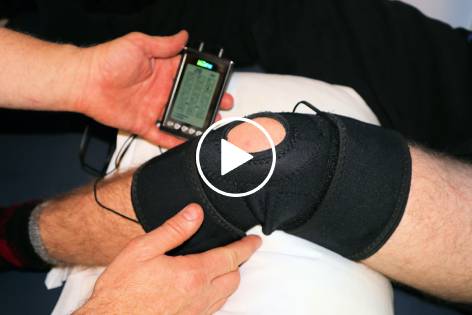
Osteoarthritis (OA) is a challenging degenerative joint disorder that brings chronic inflammation, persistent joint pain, and reduced mobility, often taking a toll on a person’s quality of life. Among the various forms of OA, knee OA stands out as the most common, affecting a significant portion of the population. While medications like non-steroidal anti-inflammatory drugs (NSAIDs) and acetaminophen are often prescribed to alleviate pain and inflammation, not everyone responds well to these treatments. Furthermore, these drugs can come with a slew of side effects, including intestinal tract issues, kidney problems, and cardiovascular risks. However, there may be hope on the horizon, as a study published in the journal Phytotherapy Research in March 2019 sheds light on a natural solution for knee OA sufferers.

Boswellia: A Promising Approach

Researchers in the field of natural medicine have turned their attention to the extract of the Boswellia serrata plant as a potential remedy for knee OA. In a groundbreaking study, 24 patients with mild to moderate knee OA were treated with Boswellia extract over a period of 120 days (four months). In a parallel fashion, another 24 individuals were administered a placebo during the same timeframe. Importantly, this was a double-blind, placebo-controlled clinical trial, meaning neither the patients nor the doctors knew who received the actual Boswellia supplement and who took the placebo. What sets this study apart is its extended duration of 120 days, making it the longest examination of Boswellia’s effects on knee arthritis to date.

Positive Outcomes: Pain Relief and Improved Functionality

The results of the study were nothing short of remarkable. Boswellia supplementation led to a significant improvement in the physical function of patients, effectively reducing pain and stiffness compared to those in the placebo group. Additionally, X-ray studies revealed enhanced knee joint gap space and reduced osteophytes (bony spurs), providing concrete evidence of Boswellia’s effectiveness in treating knee OA. Furthermore, blood tests showed reduced levels of a crucial inflammatory marker called high-sensitive C-reactive protein (hs-CRP), demonstrating Boswellia’s anti-inflammatory prowess. Remarkably, no serious adverse events or side effects were reported in connection with Boswellia supplementation.

Understanding Boswellia’s Mechanism

Experimental studies suggest that specific compounds in Boswellia, known as Boswellic acids, generate anti-inflammatory effects through various mechanisms. These mechanisms are akin to those of some anti-inflammatory drugs but without the undesirable side effects like intestinal irritation, bleeding, kidney issues, elevated blood pressure, or heart failure. It’s important to note that if you choose Boswellia as a treatment for arthritis, ensure that the product you select contains a standardized grade of Boswellic acids, preferably at 70%, to guarantee the desired effect.

A Holistic Approach to Joint Health

For individuals dealing with osteoarthritis, a combination supplement featuring Turmeric (Curcumin), Boswellia, White Willow Extract, and Ginger, all combined in a single capsule, can be particularly beneficial. These four natural anti-inflammatory agents work synergistically to combat inflammation and pain associated with various arthritic conditions. Importantly, they do not produce the side effects typically linked to NSAIDs and acetaminophen.

Conclusion

The 2019 study in Phytotherapy Research highlights the potential of Boswellia supplementation as a valuable tool in the management of knee osteoarthritis. This discovery is especially significant for the countless adults who grapple with this challenging condition. By harnessing the natural power of Boswellia and adopting a holistic approach to joint health, individuals with knee OA may find relief and a renewed sense of mobility and comfort.

Reference

  1. Majeed M et al. A pilot, randomized, double-blind, placebo-controlled trial to assess the safety and efficacy of a novel Boswellia serrata extract in the management of osteoarthritis of the knee. Phytother Res. 2019; 33 (5): 1457-1468. [Read more](https://www.ncbi.nlm.nih.gov/pmc/articles/PMC6681146/)
 
Eat Smart, Live Well, Look Great,
 

Dr. Meschino

Dr. James Meschino

Dr. James Meschino

ABOUT THE AUTHOR

Dr. James Meschino, DC, MS, ROHP, is an educator, author, and researcher having lectured to thousands of healthcare professionals across North America. He holds a Master’s Degree in Science with specialties in human nutrition and biology and is recognized as an expert in the field of nutrition, anti-aging, fitness, and wellness as well as the author of numerous books.

Posted on

LMU 247 – Stress and Immune Health: The Surprising Link to Aging

LMU-247

Stress and Immune Health: The Surprising Link to Aging

Source: Proceedings of the National Academy of Sciences (June 2022)

Lifestyle Medicine Update (June 21, 2022)

Introduction:

In the fast-paced world we live in, stress is an unwelcome companion for many. It creeps into our lives in various forms – traumatic events, job pressures, everyday hassles, and even discrimination. While we’ve long recognized the toll stress takes on our mental well-being, a recent study, published in June 2022 in the Proceedings of the National Academy of Sciences, reveals an alarming connection between stress and the aging of our immune system. This accelerated immune aging, caused by stress, raises the spectre of increased risks, including cancer, cardiovascular disease, and vulnerability to infections like COVID-19.

The Immune System’s Vital Role

As we age, our immune system undergoes a natural decline, leaving us more susceptible to diseases and infections. The immune cells lose their potency, and fresh, “naïve” T cells become scarcer, reducing our defences. It’s a natural part of the aging process but one that has far-reaching implications for our health. Age-related changes in the immune system play a critical role in our overall well-being [2].

The Stress Factor

The groundbreaking study in June 2022 unveiled the impact of stress on this age-related immune decline. It involved nearly 6,000 adults aged 50 and above and found that individuals with higher stress levels had immune cells that were either worn out or functioning poorly. These stressed individuals also had fewer fresh naïve immune cells being generated in their bodies. Remarkably, these findings held true even when accounting for factors like education, smoking, alcohol consumption, body fat, race, and ethnicity. In essence, chronic stress from various sources weakens our immune system, making us more vulnerable to severe infections and potentially raising the risk of cancer [3].

The Silver Lining: Diet and Lifestyle

While the link between stress and immune aging may be alarming, there’s a silver lining. Positive nutrition and lifestyle choices have been shown to enhance immune system function. This study reinforces that notion. Even in individuals with high stress levels, those who maintained healthier diets and regular exercise regimens demonstrated better immune health. As Dr. Eric Klopack, a lead study author, points out, “people who experience more stress tend to have poorer diet and exercise habits, partly explaining why they have more accelerated immune aging” [3].

Nutritional Support for Immunity

Prior research has highlighted the role of certain vitamins and minerals like vitamins C, E, A, D, zinc, selenium, and folic acid in strengthening and supporting our immune function. In addition to these nutrients, various herbs and supplements have shown promise in bolstering immunity. Examples include Astragalus, Milk thistle, Indole-3-carbinol, Reishi mushroom extract, and other medicinal mushrooms.

The Power of Adaptogens

For those navigating high-stress environments, adaptogen herbs can be a valuable ally. A 2021 study published in the Journal of Clinical Medicine highlighted the benefits of Ashwagandha, an adaptogen herb. The study found that Ashwagandha supplementation improved immune system health in healthy adults. Those who received Ashwagandha extract exhibited increased levels of immunoglobins, crucial in the fight against infections, and secreted higher amounts of immune-enhancing cytokines. Notably, no adverse events were reported in the study.

A Holistic Approach to Stress Management

In the face of stress, a combination supplement comprising Ashwagandha, Rhodiola, and Schisandra can work synergistically to mitigate stress’s impact on the body and brain, including supporting better immune health. These adaptogens offer a means to offset the accelerated decline of immune function often seen under stress.

Conclusion

As we navigate the challenges of modern life, understanding the profound connection between stress and immune health is crucial. Stress can accelerate the aging of our immune system, potentially leading to severe health consequences. However, by making conscious choices to maintain a healthy lifestyle and integrating adaptogen herbs into our routine, we can empower our immune system to remain robust and resilient, even in the face of adversity. Taking proactive steps to support our immune function is key to extending our healthy life expectancy and ensuring a high quality of life.

References

  1. Tharakan A et al. Immunomodulatory effect of Withania somnifera (Ashwaganda) extract- A randomized, double-blind, placebo-controlled trial with an open label extension on healthy participants. J Clin Med, 2012; 10 (16): 3644. [Read more](https://www.ncbi.nlm.nih.gov/pmc/articles/PMC8397213/)
  2. Klopack E.T., et al. Social stressors associated with age-related T lymphocyte percentages in older US adults: Evidence from the US Health and Retirement Study. Proceedings of the National Academy of Sciences, 2022; 119 (25) [Read more](https://www.pnas.org/doi/full/10.1073/pnas.2202780119)
  3. Stress accelerates immune aging, study finds. Science Daily. June 13, 2022. [Read more](https://www.sciencedaily.com/releases/2022/06/220613150648.htm)
 
Eat Smart, Live Well, Look Great,
 

Dr. Meschino

Dr. James Meschino

Dr. James Meschino

ABOUT THE AUTHOR

Dr. James Meschino, DC, MS, ROHP, is an educator, author, and researcher having lectured to thousands of healthcare professionals across North America. He holds a Master’s Degree in Science with specialties in human nutrition and biology and is recognized as an expert in the field of nutrition, anti-aging, fitness, and wellness as well as the author of numerous books.
Posted on

LMU 246 – The Cholesterol Connection: How High-Cholesterol Foods May Worsen Influenza and COVID-19

blog video image-246

The Cholesterol Connection: How High-Cholesterol Foods May Worsen Influenza and COVID-19

Source: Journal of Immunology (May 2022)

Lifestyle Medicine Update (June 15, 2022)

Introduction:

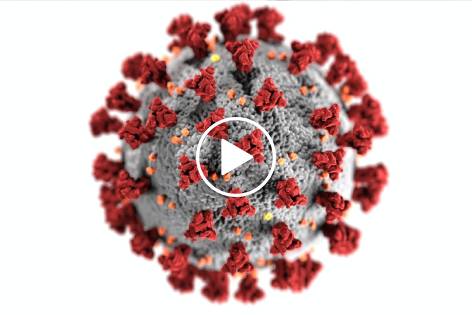
Have you ever wondered why some people who contract the influenza virus experience only mild symptoms, while others develop life-threatening complications? The answer to this puzzling question has long eluded scientists, with factors like nutritional status, comorbidities, and immune system strength all playing a role. However, recent research published in the Journal of Immunology in May 2022 has shed new light on this phenomenon, suggesting that high cholesterol foods may be a significant factor in promoting more severe infections, particularly in the lungs.

The Connection Between High-Fat Diets and Infection Susceptibility

Previous studies have established a link between high-fat diets, elevated blood cholesterol levels, and an increased susceptibility to infections. For instance, obesity is a known risk factor for severe COVID-19 and influenza. Additionally, high serum cholesterol levels have been associated with a higher risk of sepsis in influenza infections.

A Groundbreaking Study in 2022

The study conducted in 2022 delves deeper into this connection by utilizing a mouse model. Researchers found that feeding mice a high cholesterol diet significantly increased the severity of influenza A viral infections compared to mice fed a low cholesterol diet.

The Role of Inflammatory Cytokines

The key discovery of the study was that high cholesterol foods triggered immune cells, particularly in the lungs, to overproduce inflammatory cytokines. This overproduction led to the notorious cytokine storm, a life-threatening event often observed in severe influenza and COVID-19 infections. Preventing cytokine storms has become a crucial strategy in mitigating the complications of these viral infections.

Preparing the Lungs for Disaster

Surprisingly, even before the introduction of the influenza virus, the high cholesterol diet alone induced inflammatory changes in the lungs of the mice. This suggests that a high cholesterol diet primes the lungs for an adverse reaction should a virus invade, emphasizing the importance of considering host factors in disease outcomes. In essence, our internal environment largely dictates the severity of symptoms when facing such viruses.

The Implications for Human Health

This groundbreaking research offers crucial insights into what has been observed in human cases of influenza and COVID-19. Higher blood cholesterol levels increase the risk of severe and life-threatening outcomes, as they create an internal environment conducive to more severe infections. High cholesterol foods should be avoided for various reasons, including their detrimental effects on the risk of severe infections [1].

A Multifaceted Health Issue

While high blood cholesterol is a well-known risk factor for cardiovascular disease, the leading cause of death in society, this research underscores the additional dangers of high cholesterol foods. For the sake of your overall health, it’s essential to minimize the consumption of high cholesterol foods, including:

  1. Egg yolks
  2. Organ meats (liver, kidney, brains)
  3. Dairy products with more than 1% milk fat (butter, cheese, ice cream, cream, sour cream, ghee)
  4. Red meat (beef and pork products)
  5. Pastries (often containing butter, cream, and/or egg yolks)
  6. Shellfish (in moderation)

Conclusion

The link between high cholesterol foods and the severity of viral infections, such as influenza and COVID-19, is a compelling discovery with far-reaching implications for public health. This research highlights the importance of maintaining a balanced diet and avoiding high cholesterol foods to reduce the risk of severe infections. By understanding the role of dietary choices in our health, we can take proactive steps to protect ourselves from the dangers of these life-threatening diseases.

References

  1. ScienceDaily. (2022, May 19). Dietary cholesterol worsens inflammation, sickness in mice with influenza. https://www.sciencedaily.com/releases/2022/05/220519164853.htm
  2. Louie, A. Y., Tingling, J., Dray, E., Hussain, J., McKim, D. B., Swanson, K. S., & Steelman, A. J. (2022). Dietary Cholesterol Causes Inflammatory Imbalance and Exacerbates Morbidity in Mice Infected with Influenza A Virus. Journal of Immunology. https://pubmed.ncbi.nlm.nih.gov/35577367/
 
Eat Smart, Live Well, Look Great,
 

Dr. Meschino

Dr. James Meschino

Dr. James Meschino

ABOUT THE AUTHOR

Dr. James Meschino, DC, MS, ROHP, is an educator, author, and researcher having lectured to thousands of healthcare professionals across North America. He holds a Master’s Degree in Science with specialties in human nutrition and biology and is recognized as an expert in the field of nutrition, anti-aging, fitness, and wellness as well as the author of numerous books.
Posted on

LMU 245 – Unleashing the Power of Omega-3 Fats: A Heart-Healthy Revelation

blog video image-245

Unleashing the Power of Omega-3 Fats: A Heart-Healthy Revelation

Source: Journal of the American Medical Association (JAMA June 2022)

Lifestyle Medicine Update (June 7, 2022)

Introduction:

Omega-3 fats have long been associated with heart health, but their impact on blood pressure has remained uncertain. In June 2022, a significant breakthrough arrived when a comprehensive review of 71 clinical trials shed light on the relationship between omega-3 fatty acids, particularly DHA and EPA, and blood pressure. The findings revealed that a daily intake of 2 to 3 grams of these omega-3 fats could lead to meaningful reductions in both systolic and diastolic blood pressure, offering valuable insights into maintaining cardiovascular health through dietary choices.

How a Simple Nutrient Can Be Your Heart’s Best Friend

For years, the whisperings about the heart-boosting benefits of omega-3 fats have been circulating. These dietary marvels, renowned for their ability to foster cardiovascular health, are more than just a trendy buzzword; they have science on their side.

Omega-3 Fats: The Heart’s Guardian Angels

Omega-3 fats, once ingested, undergo a remarkable transformation within our bodies. They metamorphose into prostaglandin-series-3 hormones, the unsung heroes of our circulatory system. These tiny powerhouses have a multitude of talents, including reducing the stickiness of our blood—a crucial step in preventing abnormal blood clots. They also work their magic by relaxing blood vessels, enabling a smoother flow of blood to our vital tissues and brain cells. Furthermore, they’re renowned for their anti-inflammatory prowess, potentially reducing the risk of heart disease.

Omega-3 and Blood Pressure: A Complex Relationship

While the benefits of omega-3 fats for heart health have long been celebrated, the realm of blood pressure regulation has been more enigmatic. Various studies over the years hinted at omega-3’s potential to lower high blood pressure, but clinical trials delivered mixed results. The puzzle finally found some missing pieces in June 2022 when researchers unveiled their findings in the Journal of the American Medical Association.

Unlocking the Dosage Secret

In a groundbreaking review paper, researchers conducted a comprehensive evaluation of existing studies to unravel the omega-3 blood pressure connection. They combed through the results of 71 clinical trials spanning the globe, conducted between 1987 and 2020. The studies delved into the relationship between blood pressure and omega-3 fatty acids, specifically DHA and EPA, found in fish and fish oil supplements. The participants, numbering nearly 5,000, ranged from 22 to 86 years old, with and without high blood pressure or cholesterol disorders. These brave souls embarked on dietary or prescription supplement regimens featuring fatty acids, spanning an average of 10 weeks.

The Revelations: Omega-3 and Blood Pressure

The findings were nothing short of remarkable:

  1. The Sweet Spot: Individuals who consumed a daily dose of 2 to 3 grams of combined DHA and EPA omega-3 fatty acids (via supplements, food, or both) witnessed a reduction in systolic (top number) and diastolic (bottom number) blood pressure by an average of 2 mm Hg compared to those who abstained from these omega-3 sources.
  2. Beyond 3 Grams: Ingesting over 3 grams of omega-3 fatty acids daily seemed to offer additional blood pressure-lowering benefits, particularly for those dealing with high blood pressure or elevated blood lipid levels (cholesterol and/or triglycerides).
  3. Targeted Improvement: At the 3-gram mark of daily omega-3 intake, systolic blood pressure decreased by an average of 4.5 mm Hg for participants with high blood pressure. Those with normal blood pressure still enjoyed a meaningful drop, averaging around 2 mm Hg.
  4. The 3-Gram Threshold: Ingesting more than 3 grams per day didn’t yield significantly better blood pressure-lowering effects compared to the 3-gram threshold.

Dosage Matters: Omega-3 Fats and Blood Pressure

So, what’s the magic number? Roughly 3 grams of omega-3 fats per day appears to be the golden dosage for individuals dealing with high blood pressure. For those with relatively normal blood pressure, a daily intake of 2 to 3 grams still boasts remarkable benefits, potentially staving off the creeping rise in blood pressure that often accompanies aging.

Omega-3 Sources: Beyond Salmon

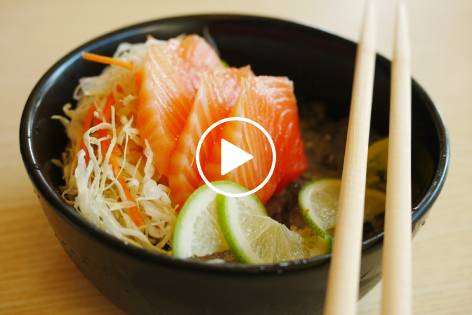
While you can obtain your daily dose of 3 grams of omega-3 fats by consuming 4-5 grams of Atlantic salmon, most study participants chose omega-3 fat supplements. Common options include fish oil, flaxseed oil, and specific algae supplements. Fish oil supplements contain the EPA and DHA omega-3 fats that took center stage in this study. Notably, other research highlights that omega-3 fats from flaxseed oil (ALA or alpha-linolenic acid) might also play a role in reducing high blood pressure. Algae oil, housing the ALA omega-3 fat, may follow suit.

A Personal Approach to Omega-3s

Some individuals opt for a versatile approach by consuming supplements that encompass multiple sources of omega-3s. For instance, a combination of Fish, Flaxseed, and Borage seed oil supplements provides the sought-after omega-3 benefits while also delivering additional anti-inflammatory effects from Borage seed oil.

In Closing

The revelation of the power of omega-3 fats in regulating blood pressure brings us one step closer to understanding the profound impact of nutrition on our health. As science continues to unveil the secrets of our dietary choices, it’s clearer than ever that a heart-healthy lifestyle starts with what’s on our plates.

References:

  • RefeXin Zhang, Jennifer A. Ritonja, Na Zhou, Bingshu E. Chen, Xinzhi Li. “Omega-3 Polyunsaturated Fatty Acids Intake and Blood Pressure: A Dose-Response Meta-Analysis of Randomized Controlled Trials.” Journal of the American Heart Association, 2022. [Read the study here](https://www.ahajournals.org/doi/10.1161/JAHA.121.025071).
  • Flaxseed Oil References:
  •   Hypertension Journal (2005)
  • European Journal of Hypertension (2007)
  • Ander BP, Weber AR, Rampersad PP, Gilchrist JS, Pierce GN, Lukas A. “Dietary flaxseed protects against ventricular fibrillation induced by ischemiare perfusion in normal and hypercholesterolemic rabbits.” J Nutr. 2004;134:3250–4.
  •  2010 Study – Nutrition and Cancer: Colon Cancer Study
  • 2015 review of flaxseed in Journal of Food Science and Technology
  • Borage Seed Oil References:
  •  Fan Y-Y, Chapkin RS. “Importance of dietary γ-linolenic acid in human health and nutrition.” Journal of Nutrition. 1998;128(9):1411–1414.
  • Zurier RB, Kremer JM, Basel BV. “Gammalinolenic acid treatment of rheumatoid arthritis.” In: Kremer JM, editor. Medicinal Fatty Acids in Inflammation. 1998. pp. 29–43.
  •  Belch JJF, Hill A. “Evening primrose oil and borage oil in rheumatologic conditions.” The American Journal of Clinical Nutrition. 2000;71(supplement 1):352S–356S.
 
Eat Smart, Live Well, Look Great,
 

Dr. Meschino

Dr. James Meschino

Dr. James Meschino

ABOUT THE AUTHOR

Dr. James Meschino, DC, MS, ROHP, is an educator, author, and researcher having lectured to thousands of healthcare professionals across North America. He holds a Master’s Degree in Science with specialties in human nutrition and biology and is recognized as an expert in the field of nutrition, anti-aging, fitness, and wellness as well as the author of numerous books.
Posted on

LMU 244 – Eating Your Way to Happiness: How a Mediterranean Diet Can Beat Depression

blog video image-244

Eating Your Way to Happiness: How a Mediterranean Diet Can Beat Depression

Source: American Journal of Clinical Nutrition (April 2022)

Lifestyle Medicine Update (May 31, 2022)

Introduction:

A groundbreaking study published in April 2022, titled “The effect of a Mediterranean diet on the symptoms of depression in young males,” reveals a promising link between diet and depression. The research focused on young males aged 18-25, offering hope for treatment-resistant depression and emphasizing the importance of dietary interventions in mental health care.

Unlocking the Power of Diet in the Battle Against Depression

For years, the question of whether dietary modifications could truly make a difference in the battle against depression loomed large. Many individuals, along with various companies and organizations, sought answers. The disappointing response, until recently, was that no concrete studies existed to prove that dietary changes had any notable impact on depression. However, that narrative changed dramatically on April 20, 2022, with the publication of a groundbreaking study in the American Journal of Clinical Nutrition.

A Glimpse of Hope

The study, titled “The effect of a Mediterranean diet on the symptoms of depression in young males (the ‘AMMEND’ study): A Randomized Control Trial,” heralds a promising shift in our understanding of the relationship between diet and depression. It focused on 72 young male patients, aged 18-25 years, grappling with moderate to severe depression. What makes this research especially noteworthy is that it’s a randomized, controlled study—a gold standard in scientific investigation.

The Mediterranean Diet Miracle

The core of this study revolved around the Mediterranean diet, renowned for its heart-healthy benefits. Those participants fortunate enough to receive dietary coaching geared towards transitioning to this Mediterranean-style diet experienced a remarkable transformation. By the end of the 12-week study, they reported significant improvements in their symptoms and quality of life compared to a control group that made no dietary changes.

The Significance

This discovery carries immense significance for several reasons:

  1. Treatment-Resistant Depression: Approximately 30% of individuals struggling with depression don’t respond adequately to standard treatments such as cognitive-behavioral therapy and antidepressant medications. This dietary intervention offers a glimmer of hope for those who have exhausted conventional options.
  2. The Global Impact: In Australia, where this study unfolded, one million people grapple with depression each year. This not only diminishes their quality of life but also elevates the risk of suicide—a leading cause of death among young adults. These statistics resonate globally, highlighting the urgency of finding novel approaches.
  3. Sustainability: Contrary to common belief, the vast majority of participants adhered to the Mediterranean diet. Many expressed a keen desire to continue even after the study ended, emphasizing the effectiveness, tolerability, and overall worthiness of this dietary transformation. It defied the notion that individuals dealing with depression couldn’t or wouldn’t make positive dietary changes.

Why the Mediterranean Diet Works

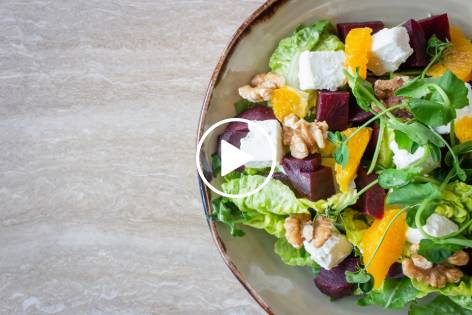
The Mediterranean diet primarily champions the consumption of vibrant vegetables (in various hues), legumes like beans and peas, whole grains, fatty fish rich in omega-3 fats, olive oil, and raw unsalted nuts. The key was to focus on fresh, whole foods while reducing the intake of fast food, sugar, and processed red meat.

Scientists believe that the high fiber content found in whole grains, vegetables, legumes, and nuts serves as a nourishing source for beneficial gut bacteria. These microbes thrive in the large intestine, where they produce a staggering 90% of the body’s serotonin. This critical neurotransmitter plays a pivotal role in influencing the brain via the gut-brain connection, facilitated by the Vagus nerve.

Serotonin: The Happiness Molecule

Serotonin is often dubbed the “happiness molecule” for its role in elevating mood and promoting feelings of happiness and contentment. As gut bacteria produce more serotonin due to a fiber-rich diet, the positive impact cascades to the brain, potentially alleviating symptoms of depression.

A New Prescription for Depression

The researchers behind this study conclude by underscoring the pivotal role of nutrition in treating depression. They advocate for clinicians to incorporate dietary advice and coaching into their treatment protocols, especially when dealing with specific demographic populations.

This groundbreaking research illuminates a path towards a brighter future—one where dietary choices offer new hope for those battling depression, potentially transforming lives along the way.

References:

Jessica Bayes, Janet Schloss, David Sibbritt. “The effect of a Mediterranean diet on the symptoms of depression in young males (the ‘AMMEND’ study): A Randomized Control Trial.” The American Journal of Clinical Nutrition, 2022. [Read the study here](https://academic.oup.com/ajcn/advance-article-abstract/doi/10.1093/ajcn/nqac106/6571247?redirectedFrom=fulltext).


Eat Smart, Live Well, Look Great,

Dr. Meschino

Dr. James Meschino

Dr. James Meschino

ABOUT THE AUTHOR

Dr. James Meschino, DC, MS, ROHP, is an educator, author, and researcher having lectured to thousands of healthcare professionals across North America. He holds a Master’s Degree in Science with specialties in human nutrition and biology and is recognized as an expert in the field of nutrition, anti-aging, fitness, and wellness as well as the author of numerous books.

Posted on

LMU 243 – Guarding Against Alzheimer’s: The Role of Cholesterol and Glucose

blog video image-243

Guarding Against Alzheimer's: The Role of Cholesterol and Glucose

Source: Alzheimer’s & Dementia Journal (March 2022)

Lifestyle Medicine Update (May 24, 2022)

Introduction:

Alzheimer’s disease, a formidable challenge for aging populations, remains poorly understood, with no effective treatments available. A study published in March 2022, an extension of the renowned Framingham Heart Study, reveals a vital link between early adulthood health markers and Alzheimer’s risk. High-density lipoprotein (HDL), known as “good cholesterol,” emerges as protective, while elevated blood glucose levels pose a risk. This emphasizes the importance of managing cholesterol and glucose levels early in life. Given Alzheimer’s growing threat and the lack of treatments, proactive health measures are crucial, offering hope and control over this formidable disease.


Understanding the Link Between Early Adulthood Health and Alzheimer’s Risk

Alzheimer’s disease, a relentless foe of the aging population, has puzzled researchers for decades. While effective disease-modifying therapies remain elusive, an intriguing study published in the journal Alzheimer’s & Dementia in March 2022 reveals a new layer of understanding. This research delves into the early chapters of our lives, highlighting the significance of maintaining healthy blood cholesterol and blood glucose levels during early and mid-adulthood to ward off Alzheimer’s disease later in life.

Unveiling the Study: A Tribute to the Framingham Heart Study

This study is not a standalone revelation; it is an extension of the famous Framingham Heart Study, a long-term endeavor that has followed the health journeys of thousands over the years. In this particular arm of the study, 4,932 individuals were meticulously tracked, uncovering a crucial connection between early adulthood health markers and Alzheimer’s disease risk.

Championing the Good Cholesterol: HDL’s Protective Role

The research highlights a striking association between high-density lipoprotein (HDL), often referred to as the “good cholesterol,” and Alzheimer’s risk. A mere 15 mg/dL increase in HDL levels during early and middle adulthood correlated with a reduced risk of Alzheimer’s disease in later life. HDL, known for its role in cholesterol transport, emerges as a potential shield against cognitive decline.

The Glucose Conundrum: A Warning Sign

Conversely, the study illuminates the ominous impact of elevated glucose levels during middle adulthood. A mere 15 mg/dL increase in blood glucose levels was found to correspond to a 14.5% increased risk of Alzheimer’s disease in the future. This revelation underscores the critical importance of maintaining optimal glucose levels throughout life’s journey.

A Holistic Approach: Factors Considered

To provide a comprehensive understanding, the researchers considered various factors such as age, sex, blood pressure, body mass index, smoking history, and educational status. The culmination of these insights led to a compelling conclusion: “Our findings suggest that careful management of cholesterol and glucose beginning in early adulthood can lower Alzheimer’s disease risk.”

Alzheimer’s: A Looming Threat

It’s essential to recognize the magnitude of Alzheimer’s disease, which currently stands as the fifth leading cause of death among Americans aged 65 and older. With no proven disease-modifying therapies in sight, early identification and proactive management of Alzheimer’s risk factors become paramount.

Guarding Against Alzheimer’s: A Lifelong Commitment

The study’s implications reach far beyond Alzheimer’s prevention. They underscore the critical role of managing cholesterol and glucose levels throughout adulthood. To minimize Alzheimer’s risk and promote overall well-being, consider these targets for a healthy life journey:

  1. Fasting Glucose Level: Maintain levels below 90 mg/dL (5.0 mmol/L).
  2. Fasting HDL: Keep levels above 60 mg/dL (1.6 mmol/L).

Additional Lifestyle Strategies:

  • Maintain optimal total blood cholesterol levels.
  • Engage in regular aerobic exercise.
  • Achieve and maintain an ideal body weight.
  • Ensure adequate intake of omega-3 fats, including supplements.
  • Limit or avoid alcohol consumption.
  • Keep your brain active through continuous learning.
  • Prevent head injuries.
  • Monitor and maintain optimal blood pressure.
  • Incorporate daily green tea consumption.
  • Ensure optimal vitamin D levels (above 75 nmol/L or 30 ng/ml).
  • After age 40 or 45, consider melatonin supplementation one hour before bedtime.
  • After age 55, explore supplements containing CDP-choline, Huperzine A, Bacopa monnieri, and Phosphatidylserine to support memory function.

Taking Charge of Your Alzheimer’s Risk

As science continues to unveil the mysteries of Alzheimer’s disease, one thing becomes clear: you have a remarkable degree of control over your risk factors. By embracing a holistic approach to health and implementing these strategies throughout your adult life, you empower yourself to reduce the risk of Alzheimer’s disease as the years unfold.

References:

  1. Zhang X et al. Midlife lipid and glucose levels are associated with Alzheimer’s disease. Alzheimer’s & Dementia Journal. March 23, 2022. [Read the full study here](https://alz-journals.onlinelibrary.wiley.com/doi/10.1002/alz.12641)
  2. [Alzheimer’s Disease Facts and Figures](http://www.alz.org/alzheimers_disease_facts_and_figures.asp)
  3. [Alzheimer’s Disease Genetics Fact Sheet](https://www.nia.nih.gov/alzheimers/publication/alzheimers-disease-genetics-fact-sheet)
  4. [Alzheimer’s Society UK – Diabetes and Dementia](http://alzheimers.org.uk/site/scripts/documents_info.php?documentID=161)
  5. [Psychology Today – Alzheimer’s and High Blood Sugar](http://www.psychologytoday.com/blog/evolutionary-psychiatry/201109/alzheimersand-high-blood-sugar)
  6. [National Alzheimer’s Latino Outreach Campaign – Diabetes and Alzheimer’s](http://www.alz.org/national/documents/latino_brochure_diabetes.pdf)
  7. Cedric Annweiler, Yves Rolland, Anne M Schott, Hubert Blain, Bruno Vellas, Francois R Herrmann, Olivier Beauchet. “Higher Vitamin D Dietary Intake Is Associated With Lower Risk of Alzheimer’s Disease: A 7-Year Follow-up,” J Gerontol A Biol Sci Med Sci., April 13, 2012. [Read the study here](http://biomedgerontology.oxfordjournals.org/content/early/2012/04/13/gerona.gls10 7.abstract)
  8. [Hopkins Medicine – Blood Pressure and Alzheimer’s Risk](http://www.hopkinsmedicine.org/health/healthy_aging/healthy_body/blood-pressureand- alzheimers-risk-whats-the-connection)
  9. [Archives of Neurology – High Blood Sugar](http://archneur.jamanetwork.com/article.aspx?articleid=1356776)
 
 
Eat Smart, Live Well, Look Great,
 

Dr. Meschino

Dr. James Meschino

Dr. James Meschino

ABOUT THE AUTHOR

Dr. James Meschino, DC, MS, ROHP, is an educator, author, and researcher having lectured to thousands of healthcare professionals across North America. He holds a Master’s Degree in Science with specialties in human nutrition and biology and is recognized as an expert in the field of nutrition, anti-aging, fitness, and wellness as well as the author of numerous books.