
Posted on

LMU 242 – Boosting Immunity with Turkey Tail Mushroom: A Key to Breast Cancer Recovery

LMU-242

Boosting Immunity with Turkey Tail Mushroom: A Key to Breast Cancer Recovery

Source: Journal Oncology (2012)

Lifestyle Medicine Update (May 11, 2022)

Introduction:

Medicinal mushrooms, including Turkey Tail, have garnered attention for their immune-boosting properties. A study in Oncology (May 2012) unveils how Turkey Tail can enhance the immune system in breast cancer patients after conventional treatments. Its roots in Asian medicine and immunological activity suggest broader applications for immune support, particularly among the aging population. Explore the remarkable impact of medicinal mushrooms on well-being.

Unveiling the Power of Medicinal Mushrooms

Over the years, there has been a remarkable body of research highlighting the potential of certain medicinal mushrooms to fortify the body’s immune system. Among these remarkable fungi are reishi, shiitake, maitake, cordyceps, and the intriguing Tramates Versicolor, commonly known as Turkey Tail. In our journey to understand the profound impact of these mushrooms, we stumble upon an eye-opening study published in the journal Oncology in May 2012—a study that sheds light on how Turkey Tail supplementation can significantly enhance the immune system in breast cancer patients, even after enduring surgery, radiation treatment, and, in some cases, chemotherapy.

Revitalizing the Immune System: A Glimpse into the Study

The study we’re discussing here is not just a standalone revelation. It is an extension of prior preclinical animal investigations and early human clinical data. This body of research converges on a promising hypothesis: the constituents found in Turkey Tail mushrooms may hold the key to improving outcomes in both estrogen receptor-negative and estrogen receptor-positive breast cancers. How? By counteracting the immunologic depressive effects of conventional treatments and bolstering disease-free survival through enhanced immunological surveillance and overcoming tumor antigen tolerance.

A Historical Perspective: Turkey Tail in Traditional Asian Medicine

Turkey Tail has a rich history in traditional Asian medicine, where it has been employed for its potential health benefits for centuries. Studies have spotlighted two vital proteoglycan fractions present in Turkey Tail: polysaccharide-K (PSK) and Polysaccharide-peptide (PSP). Both of these fractions exhibit notable anticancer properties.

Japan’s Prescription: PSK in Cancer Treatment

In Japan, PSK is routinely prescribed to cancer patients, offering support during and after radiation and chemotherapy treatments. Similarly, many naturopathic physicians (NDs) and integrative oncologists (MDs) in the United States have embraced the practice of recommending Turkey Tail supplements to breast cancer patients. The driving force behind its remarkable antitumor effects and impact on survival rates is believed to be its profound immunologic activity. Turkey Tail supplementation has shown the capacity to enhance both innate and adaptive immune responses.

The Optimal Dosage: 6 or 9 Grams of Turkey Tail

The 2012 study featured in Oncology administered Turkey Tail at varying dosages—3, 6, or 9 grams per day, depending on the patient’s condition. Notably, the most favorable outcomes were observed in patients receiving 6 or 9 grams of Turkey Tail daily, equivalent to approximately 1-2 teaspoons of Turkey Tail ground powder.

A Message for the Aging Population

While the focus of this study is on breast cancer patients, the broader implications are clear. Everyone, especially those aged 50 and beyond, should contemplate incorporating medicinal mushrooms into their health regimen. This proactive step may help stave off the typical age-related decline in immune system function that often occurs later in life. Various supplements containing medicinal mushrooms like reishi, maitake, shiitake, cordyceps, and, of course, Turkey Tail are readily available. The studies we’ve highlighted today suggest that breast cancer survivors, in particular, may benefit from supplements that provide a substantial dose of Turkey Tail mushroom to fortify their immune defences.

As we navigate the intricate world of health and wellness, it’s evident that nature’s wonders, like Turkey Tail mushroom, hold the potential to transform our lives positively. In the pursuit of robust immunity and enhanced well-being, these remarkable fungi stand as allies, supporting us every step of the way.

Reference:

Torkelson C.J., et al. Phase I clinical trial of tramates versicolor in women with breast cancer. Oncology. 2012: 251632. [Read the full study here](https://www.ncbi.nlm.nih.gov/pmc/articles/PMC3369477/)


Eat Smart, Live Well, Look Great,

Dr. Meschino

Dr. James Meschino

Dr. James Meschino

ABOUT THE AUTHOR

Dr. James Meschino, DC, MS, ROHP, is an educator, author, and researcher having lectured to thousands of healthcare professionals across North America. He holds a Master’s Degree in Science with specialties in human nutrition and biology and is recognized as an expert in the field of nutrition, anti-aging, fitness, and wellness as well as the author of numerous books.

Posted on

LMU 241 – Exploring the “Longevity Diet”: A Path to a Healthier and Longer Life

LMU-241

Exploring the "Longevity Diet": A Path to a Healthier and Longer Life

Source: Journal Cell (April 2022)

Lifestyle Medicine Update (May 4, 2022)

Introduction:

In April 2022, an enlightening article was published in the esteemed journal Cell. This article delved into the fascinating world of nutrition and longevity, offering insights that could potentially unlock the secret to a healthier and longer life. The research explored the intricate connections between nutrients, fasting, genes, and longevity, drawing from studies conducted on various species, including short-lived ones. Moreover, it connected these findings to clinical and observational studies involving primates and humans, including the study of centenarians, those individuals who reach the remarkable age of 100 or more. The culmination of this research effort is what the authors intriguingly refer to as the “Longevity Diet.”

The Key Principles of the Longevity Diet

After extensive research and analysis, the authors concluded that the optimal diet for promoting longevity consists of several key characteristics. These include:

  1. Moderate to High Carbohydrate Intake from Non-Refined Sources: The Longevity Diet emphasizes the consumption of carbohydrates, primarily from unprocessed sources. These carbs provide essential energy for the body.
  2. Low but Sufficient Protein from Plant-Based Sources: While protein is essential for various bodily functions, the diet recommends obtaining it predominantly from plant-based sources, ensuring that the intake is adequate but not excessive.
  3. Plant-Based Fats: Approximately 30 percent of energy needs should come from plant-based fats. These fats play a crucial role in overall health.

Meal Timing and Fasting for Longevity

The Longevity Diet incorporates a unique approach to meal timing. Ideally, individuals should aim to consume all of their daily meals within a window of 11-12 hours. This practice allows for a daily fasting period, which has been associated with various health benefits. Additionally, the diet suggests a 5-day cycle of fasting or fasting-mimicking diets every 3-4 months. This intermittent fasting may help reduce insulin resistance, lower blood pressure, and mitigate other risk factors, especially for those at risk of diabetes or high blood pressure.

The Ingredients of the Longevity Diet

So, what should you eat if you want to embrace the Longevity Diet? Here are the dietary staples:

  • Legumes, Whole Grains, and Vegetables: These form the foundation of the diet, providing essential nutrients and fiber.
  • Some Fish: Fish is a lean source of protein and healthy fats.
  • No Red Meat or Processed Meat: Red meat and processed meats should be avoided.
  • Minimal White Meat (Chicken and Turkey Breast): While poultry is not entirely excluded, it should be consumed sparingly.
  • Low Sugar and Refined Grains: Excessive sugar and refined grains are discouraged.
  • Nuts and Olive Oil: These are encouraged in moderate amounts due to their healthy fats.
  • Some Dark Chocolate: A small indulgence of dark chocolate is considered a part of the diet.

A Diet Inspired by Blue Zones

The Longevity Diet bears both similarities and differences to the dietary patterns often observed in “Blue Zones.” These are regions globally renowned for their high number of centenarians—people who live to be 100 or older. Blue Zone diets are typically plant-based or pescatarian and relatively low in protein. The Longevity Diet builds upon these centenarian diets by introducing the concept of time-restricted eating and periodic fasting. Dr. Longo, one of the researchers involved in the study, emphasizes that the Longevity Diet is not solely a weight loss regimen but a lifestyle aimed at slowing the aging process and promoting lifelong health.

The Road Ahead: Application in a 500-Person Study

Excitingly, the next step is to put the principles of the Longevity Diet to the test in a 500-person intervention study scheduled to take place in southern Italy. The results of this study will undoubtedly shed more light on the effectiveness of this intriguing dietary approach. In the meantime, the Longevity Diet serves as a promising template for health promotion and disease prevention.

Beyond Diet: The Role of Exercise and Supplements

While the Longevity Diet holds great promise, it’s essential to remember that diet alone may not be the sole answer to a longer and healthier life. Physical exercise and the use of specific supplements have shown promise in countering certain aspects of aging. These include Coenzyme Q10, CDP-choline, glucosamine, immune-modulating agents like medicinal mushrooms and astragalus, melatonin, and various other supplements. These additional factors can play a significant role in maintaining health and vitality as we age.

In conclusion, the Longevity Diet offers a compelling perspective on how our dietary choices can impact our longevity and overall well-being. It combines elements of healthy eating, time-restricted eating, and periodic fasting to create a holistic approach to aging gracefully. As we eagerly await the results of the upcoming intervention study, the Longevity Diet serves as a valuable blueprint for those seeking a path to a healthier and longer life.

References:

  1. Valter D. Longo, Rozalyn M. Anderson. Nutrition, longevity and disease: From molecular mechanisms to interventions. Cell, 2022; 185 (9): 1455.
  2. [ScienceDaily: “Nutrition, longevity and disease”](https://www.sciencedaily.com/releases/2022/04/220428125433.htm)
 
Eat Smart, Live Well, Look Great,
 

Dr. Meschino

Dr. James Meschino

Dr. James Meschino

ABOUT THE AUTHOR

Dr. James Meschino, DC, MS, ROHP, is an educator, author, and researcher having lectured to thousands of healthcare professionals across North America. He holds a Master’s Degree in Science with specialties in human nutrition and biology and is recognized as an expert in the field of nutrition, anti-aging, fitness, and wellness as well as the author of numerous books.
Posted on

LMU 240 – Optimizing Memory Health: The Potent Benefits of CDP-Choline

LMU-240

Optimizing Memory Health: The Potent Benefits of CDP-Choline

Source: J Nutrition (2021)

Lifestyle Medicine Update (April 27, 2022)

Introduction:

CDP-choline, also known as Citicoline, is a remarkable nutritional supplement with the potential to enhance memory and cognitive function. A groundbreaking 2021 study revealed its ability to prevent and reverse age-related memory loss. This supplement, especially beneficial for those over 55, improves memory by increasing brain choline and acetylcholine levels. Embracing CDP-choline offers hope for a brighter memory future.

The Power of CDP-Choline

In the quest for better memory and cognitive function, one nutritional supplement has been making waves: CDP-choline, also known as Citicoline. Its potential to reverse early-stage memory loss, enhance concussion management, and alleviate symptoms in some Parkinson’s disease cases has garnered substantial attention. However, it’s a recent study from 2021 that underscores the remarkable impact of CDP-choline on memory health.

Defying Memory Loss

This groundbreaking study, published in the journal Nutrition, sheds light on CDP-choline’s potential to prevent and even reverse memory loss in individuals diagnosed with age-associated memory impairment (AAMI) after the age of 55. The study involved 100 participants aged 50-85, all grappling with age-related memory decline. They were divided into two groups – one receiving a daily 500 mg CDP-choline supplement for 12 weeks, and the other, an identical-looking placebo.

A Remarkable Transformation

The results were nothing short of astonishing. After just 12 weeks, those taking the CDP-choline supplement displayed significant improvements in episodic memory and composite memory compared to the placebo group. Episodic memory encompasses the ability to recall and mentally relive specific life episodes, anchoring them in context. On the other hand, composite memory encapsulates verbal learning, working memory, and auditory information sequencing. The researchers concluded that “dietary supplementation of citicoline for 12-wk improved overall memory performance, especially episodic memory, in healthy older males and females with AAMI.” This suggests that regular citicoline consumption could be a safe and beneficial strategy against age-related memory loss.

The Science Behind It

Understanding the science behind this phenomenon is key. After the age of 55, the transporter responsible for shuttling choline into the brain experiences a slowdown. Consequently, brain choline levels drop, disrupting the synthesis of acetylcholine – the neurotransmitter critical for memory function. CDP-choline emerges as a unique solution as it boosts brain choline and acetylcholine levels, thereby enhancing memory function in both older and younger individuals.

Embracing CDP-Choline

Embracing CDP-choline as a daily supplement, especially after the age of 55, makes sound sense for memory health. When combined with other memory support nutrients such as Phosphatidylserine, Huperzine A, and Bacopa monnieri, it shows promise in staving off age-related memory decline. For those already grappling with early-stage memory loss, higher doses, along with an additional 500 mg of CDP-choline, may be advisable.

A Brighter Memory Future

As science continues to unveil the potential of CDP-choline and other nutrients, we stand on the precipice of a brighter future for memory health. With CDP-choline in your wellness arsenal, you can embark on a journey towards optimized memory function, ensuring that your mental faculties remain sharp and agile as you age.

References:

  1. Main Reference: Nakazaki E et al. CDP-Choline and memory function in healthy older adults: A randomized, double-blind, placebo-controlled clinical trial. J Nutrition. 2021; 151(8): 2153-2160. [Read the study](https://academic.oup.com/jn/article/151/8/2153/6274469)
  2. Spiers P.A. et al. Citicoline improves verbal memory in aging. JAMA. 1996; 53(5): 441-448. [Read the study](https://jamanetwork.com/journals/jamaneurology/article-abstract/594018)
  3. Maldonado V.C., Effects of CDP-choline on the recovery of patients with head injuries. J Neurol Sci. 1991; 103, Supplement: 15-18. [Read the study](https://www.sciencedirect.com/science/article/abs/pii/0022510X9190003P)
  4. Al-kuraishy H., et al. Citicoline improves human vigilance and visual working memory: The role of neuronal activation and oxidative stress. Basic Clin Neurosci. 2020; 11(4): 423-432. [Read the study](https://www.ncbi.nlm.nih.gov/pmc/articles/PMC7878037/)
 
Eat Smart, Live Well, Look Great,
 

Dr. Meschino

Dr. James Meschino

Dr. James Meschino

ABOUT THE AUTHOR

Dr. James Meschino, DC, MS, ROHP, is an educator, author, and researcher having lectured to thousands of healthcare professionals across North America. He holds a Master’s Degree in Science with specialties in human nutrition and biology and is recognized as an expert in the field of nutrition, anti-aging, fitness, and wellness as well as the author of numerous books.
Posted on

LMU 239 – The Power of Vitamin E: A Game-Changer in Cancer Immunotherapy

LMU-239

The Power of Vitamin E: A Game-Changer in Cancer Immunotherapy

Source: MD Anderson Cancer Center (2022)

Lifestyle Medicine Update (April 20, 2022)

Introduction:

In a remarkable 2022 study at MD Anderson Cancer Center, vitamin E supplementation is revealed to enhance the effectiveness of immunotherapy drugs in treating various cancers, including melanoma. This groundbreaking synergy reinvigorates dendritic cells, pivotal components of the immune system, leading to higher survival rates for patients. While vitamin E’s potential is exciting, its use should be approached cautiously, especially alongside conventional cancer treatments. Supporting immune health with key nutrients, including vitamin E, shows promise in the ongoing battle against cancer and infection.

A Stunning Revelation

In the realm of cancer treatment, a groundbreaking revelation has emerged from a 2022 study conducted at MD Anderson Cancer Center. This study has uncovered a remarkable synergy between vitamin E supplementation and immunotherapy drugs, profoundly impacting the lives of cancer patients battling a myriad of cancers, including the menacing melanoma.

A Lifesaving Combination

The study’s findings were nothing short of astonishing. Patients who received vitamin E supplements alongside their immunotherapy treatments exhibited significantly higher survival rates than those who relied solely on immunotherapy drugs. This breakthrough extended beyond melanoma patients, reaching individuals grappling with breast, colon, and kidney cancers.

Illuminating the Mystery

One might wonder what sets vitamin E apart. The answer lies in its ability to reinvigorate a crucial component of our immune system – dendritic cells. These cells play an instrumental role in the battle against cancer. In the presence of vitamin E supplementation, dendritic cells regain their vitality, enhancing their capacity to hunt down and devour tumor cells. This revival of dendritic cells is a game-changer, not just for treating existing cancers but also in the prevention of cancer development.

Unveiling the Role of Dendritic Cells

Dendritic cells are the unsung heroes of our immune system. Part of the innate immune system, they possess the unique ability to annihilate invading viruses and pathogens on contact. Additionally, they act as sentinels, promptly identifying and eradicating emerging cancer cells within the body. Unfortunately, as we age, our immune cells tend to lose their efficacy. However, the MD Anderson Cancer Center study has provided a glimmer of hope – dendritic cells can spring back to life, even amidst the formidable challenge of cancer, particularly melanoma.

A Word of Caution

While the results are nothing short of remarkable, a word of caution is warranted. Vitamin E should not be taken haphazardly, especially by individuals undergoing conventional cancer treatments like chemotherapy and radiation. In some cases, regular vitamin E supplements can counteract the effects of these treatments. However, in the context of immunotherapy, a unique form of cancer treatment focused on bolstering the body’s immune system, vitamin E supplementation emerges as an invaluable ally.

Embracing a Wellness Approach

The take-home message is clear: fortifying your immune system with vitamin E supplements during adulthood is a prudent step in guarding against cancer and formidable infections. But vitamin E is not alone in this endeavor; numerous other nutrients stand shoulder to shoulder in supporting the immune system. These include vitamin C, vitamin D, vitamin A, zinc, and selenium. To simplify your wellness regimen, consider a high-potency multiple vitamin and mineral supplement, encompassing these vital nutrients.

A Bright Future

With this newfound understanding of vitamin E’s role in cancer immunotherapy, we embark on an exciting journey in the field of cancer treatment. As science continues to unveil the remarkable potential of vitamins and minerals, the future looks promising, offering hope to those affected by cancer.

References:

  1. Yuan, X., Duan, Y., Xiao, Y., Sun, K., Qi, Y., Zhang, Y., … & Yu, D. (2022). Vitamin E Enhances Cancer Immunotherapy by Reinvigorating Dendritic Cells via Targeting Checkpoint SHP1. Cancer Discovery. [Read the study](https://aacrjournals.org/cancerdiscovery/article-abstract/doi/10.1158/2159-8290.CD-21-0900/694258/Vitamin-E-Enhances-Cancer-Immunotherapy-by?redirectedFrom=fulltext)
  2. ScienceDaily. (2022, April 14). Vitamin E Enhances Cancer Immunotherapy by Reinvigorating Dendritic Cells, Study Shows. [Read the article](https://www.sciencedaily.com/releases/2022/04/220414110858.htm)
 
Eat Smart, Live Well, Look Great,
 

Dr. Meschino

Dr. James Meschino

Dr. James Meschino

ABOUT THE AUTHOR

Dr. James Meschino, DC, MS, ROHP, is an educator, author, and researcher having lectured to thousands of healthcare professionals across North America. He holds a Master’s Degree in Science with specialties in human nutrition and biology and is recognized as an expert in the field of nutrition, anti-aging, fitness, and wellness as well as the author of numerous books.

Posted on

LMU 238 – The Sobering Truth: Even One Drink Per Day Alters Your Brain

LMU-238

The Sobering Truth: Even One Drink Per Day Alters Your Brain

Source: Medscape Publication (April 13, 2022)

Lifestyle Medicine Update (April 14, 2022)

Introduction:

Recent research has unveiled startling connections between even modest alcohol consumption and detectable brain changes. A massive study involving over 36,000 healthy adults aged 40 to 69 in the UK found that as alcohol intake increased, both gray and white matter brain volume decreased. Notably, the study discerned subtle variations, demonstrating that even one or two daily drinks could impact brain health. These findings underline the importance of exercising caution in alcohol consumption, considering the significant ramifications it may have on our overall well-being and cognitive health.

A Surprising Revelation

In a startling revelation, recent findings have shed light on the subtle yet significant effects of even modest alcohol consumption on the human brain. As reported by Medscape on April 13, 2022, this research delves into the intriguing relationship between alcohol intake and detectable brain changes.

Probing the Brain: A Massive Study

A colossal study involving 36,678 healthy adults in the United Kingdom, ranging from ages 40 to 69, laid the foundation for this groundbreaking discovery. Researchers meticulously examined functional MRI brain scans of these participants and compared the results to their weekly alcohol consumption. This thorough analysis factored in variables such as age, gender, height, socioeconomic status, and country of residence, among others.

A Gradual Unravelling: Alcohol’s Impact

Unveiling a rather sobering truth, the study reinforced prior research by reaffirming that the more one indulges in alcoholic beverages, the faster the brain undergoes changes. Specifically, these changes manifest as a reduction in both gray and white matter brain volume. As the researchers succinctly put it, “as a person’s alcohol intake increased, their gray matter and white matter volume decreased, worsening with each additional weekly drink.”

The Astonishing Find: Just One Drink

What sets this study apart is its ability to discern even subtle variations in brain images. It successfully distinguished between brain scans of individuals who abstained from alcohol altogether and those who consumed merely one or two drinks a day. Shockingly, this differentiation underscores the impact of even one daily alcoholic drink on brain health.

An Alarming Cascade

The consequences of this revelation extend further. The transition from consuming one unit of alcohol to two, equivalent to roughly a pint of beer, was associated with changes akin to two years of brain aging. For heavier drinkers, the trajectory of brain deterioration is steeper, a sobering reality that highlights the gravity of this issue.

The Unspoken Connection: Brain Shrinkage and Cognitive Health

The relationship between brain shrinkage and cognitive well-being is a compelling one. Numerous studies have affirmed that the rate of brain shrinkage is intrinsically tied to memory loss, cognitive impairment, and an elevated risk of Alzheimer’s disease. This adds a critical layer of importance to the findings of this study.

A Wake-Up Call for Wellness

As we navigate the intricate landscape of health and longevity, it becomes increasingly evident that alcohol, even when consumed in moderation, poses a formidable threat to our well-being. The research from various fields, encompassing cancer, heart disease, memory loss, brain function, immunity, and more, consistently underscores the risks associated with alcohol consumption, even at minimal levels.

A Call to Action

In light of these revelations, the message is clear: proceed with caution when it comes to alcohol. If possible, consider abstaining altogether or exercise extreme prudence in its consumption. Your health and quality of life may depend on it.

Reference:

“Just one extra drink a day may change the brain.” Medscape, April 13, 2022.[Read the article](https://www.medscape.com/viewarticle/970355?uac=342474MN&faf=1&sso=true&impID=4143181&src=wnl_tp10n_220407_mscpedit)


Eat Smart, Live Well, Look Great,

Dr. Meschino

Dr. James Meschino

Dr. James Meschino

ABOUT THE AUTHOR

Dr. James Meschino, DC, MS, ROHP, is an educator, author, and researcher having lectured to thousands of healthcare professionals across North America. He holds a Master’s Degree in Science with specialties in human nutrition and biology and is recognized as an expert in the field of nutrition, anti-aging, fitness, and wellness as well as the author of numerous books.
Posted on

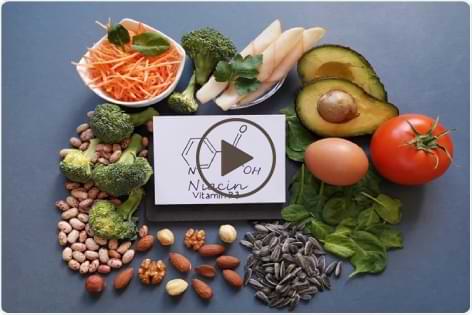
LMU 237 – Niacin: A Brain-Boosting Vitamin That May Fight Alzheimer’s

LMU-237

Niacin: A Brain-Boosting Vitamin That May Fight Alzheimer's

Source: J Science Translational Medicine (March 2022)

Lifestyle Medicine Update (April 6, 2022)

Introduction:

Discover the brain-boosting potential of niacin, a key B vitamin. Recent research unveils niacin’s role in protecting cognitive health and fighting Alzheimer’s disease. Learn how niacin activates microglia cells in the brain, reducing harmful plaque and inflammation. Find out about practical supplementation for neurodegenerative conditions and gain insights into maintaining optimal cognitive function. Explore the promising future of niacin in brain health and its potential in Alzheimer’s prevention.

The Niacin Breakthrough: A Blast from 2004

In 2004, a revelation emerged from the RUSH study in Chicago that would change the way we view vitamin B3, also known as niacin. This study hinted at a remarkable connection between niacin intake and a reduced risk of Alzheimer’s disease and cognitive decline in individuals aged 65 and above. Over a span of five years, those who consumed more than 22 mg of niacin daily from both food and supplements demonstrated significant protection against memory loss and Alzheimer’s disease. This was in stark contrast to those ingesting 12 mg or less of niacin daily. It’s worth noting that the Recommended Dietary Allowance (RDA) for niacin stands at a mere 16 mg per day for men and 14 mg per day for women.

Niacin: The Unsung Hero in Cognitive Health

The implications were clear: the RDA for niacin appeared inadequate in preventing age-related memory decline over a lifetime. Moreover, European trials using high-dose niacin treatment reported enhancements in cognitive test scores and overall brain function, further fuelling the intrigue around niacin’s potential.

Recent revelations indicate that niacin plays pivotal roles in the brain, specifically tied to events crucial for preventing cognitive decline and Alzheimer’s disease. Consequently, niacin treatment has found its place in certain research trials.

A Groundbreaking 2022 Discovery

Fast forward to 2022, where a groundbreaking study published in Science Translational Medicine unveiled yet another critical role for niacin in the battle against Alzheimer’s disease. This study highlighted the presence of immune cells known as microglia cells in the brain and nervous system, which possess a niacin receptor called the HCAR2 receptor. When niacin activates this receptor, microglia cells spring into action. Their mission? To reduce the accumulation of beta-amyloid plaque, a hallmark feature of Alzheimer’s disease.

But the benefits don’t stop there. Niacin activation of microglia cells also helps prevent brain cell death, reduces brain inflammation, and, in animal models, even restores lost working memory. Human brain tissue studies have indicated similar actions when sufficient niacin is present.

In essence, the bottom line is this: microglial cells in the brain require daily niacin stimulation to guard against events associated with the development of Alzheimer’s disease. However, the amount required appears to exceed the current RDA, necessitating supplementation alongside niacin obtained from food sources.

Beyond Energy Production: Niacin’s Expanded Role

Traditionally, niacin’s role was considered limited to aiding cellular energy production, particularly within brain cells. However, recent studies suggest that higher niacin levels are needed to combat the accumulation of the hazardous tau protein observed in Alzheimer’s disease. Additionally, niacin appears to play a role in removing beta-amyloid plaque from the brain, preventing it from contributing to the Alzheimer’s disease process.

Remarkably, pharmaceutical companies are now developing niacin-lookalike drugs, such as Niaspan, for research in Alzheimer’s disease, Parkinson’s disease, and other neurodegenerative conditions. While niacin drugs have historically been used to lower high triglycerides and boost good cholesterol (HDL), their application is expanding into the realm of neurodegenerative diseases.

Practical Considerations: Niacin Supplementation

For those seeking to harness the brain-boosting potential of niacin, practical considerations come into play. Research suggests that for individuals with early-stage Alzheimer’s disease, Parkinson’s disease, or Multiple Sclerosis, supplementing with high-dose niacin or niacin drugs like Niaspan may be a viable treatment intervention.

In animal models, the equivalent human dosage for early-stage Alzheimer’s disease is 500 mg per day of Niaspan or niacin in the form of nicotinic acid. This dose is well within the safe range, considering that 1,000 to 2,000 mg per day is typically used to manage high triglycerides and low HDL levels in cardiovascular disease patients. However, it’s crucial to emphasize that high-dose niacin intake requires medical supervision, primarily to monitor liver enzyme levels, as it can potentially harm the liver and is contraindicated in individuals with gout and gallbladder issues.

Your Brain’s Best Ally: Niacin Supplementation

In conclusion, ensuring adequate daily niacin intake, both from dietary sources and supplementation, emerges as a prudent step toward protecting your cognitive health. The RDA for niacin may fall short in delivering the anti-aging benefits the brain requires. Achieving this goal can be as simple as maintaining a healthy diet and incorporating a high-potency multiple vitamin and mineral supplement containing a B-50 complex (including 50 mg of niacin or B3).

This strategy has been recommended for various reasons over the years, and now, with the newfound understanding of niacin’s role in stimulating brain microglial cells, it gains additional significance. By adopting this approach, you may be taking proactive steps to prevent critical stages in the development of Alzheimer’s disease and other neurodegenerative conditions.

References:

  1. Miguel Moutinho, Shweta S. Puntambekar, Andy P. Tsai, Israel Coronel, Peter B. Lin, Brad T. Casali, Pablo Martinez, Adrian L. Oblak, Cristian A. Lasagna-Reeves, Bruce T. Lamb, Gary E. Landreth. “The niacin receptor HCAR2 modulates microglial response and limits disease progression in a mouse model of Alzheimer’s disease.” Science Translational Medicine, 2022. [Read the study](https://www.science.org/doi/10.1126/scitranslmed.abl7634)
  2. Tuteja S. “Activation of HCAR2 by niacin: benefits beyond lipid lowering.” Pharmacogenomics. 2019; 20(161): 2019-0092. [Read the article](https://www.futuremedicine.com/doi/full/10.2217/pgs-2019-0092)
  3. Morris MC et al. “Dietary niacin and the risk of incident Alzheimer’s disease and cognitive decline.” J Neurol Neurosurg Psychiatry. 2004; 75:1093-1099. [Read the study](https://www.ncbi.nlm.nih.gov/pmc/articles/PMC1739176/pdf/v075p01093.pdf)
 
Eat Smart, Live Well, Look Great,
 

Dr. Meschino

Dr. James Meschino

Dr. James Meschino

ABOUT THE AUTHOR

Dr. James Meschino, DC, MS, ROHP, is an educator, author, and researcher having lectured to thousands of healthcare professionals across North America. He holds a Master’s Degree in Science with specialties in human nutrition and biology and is recognized as an expert in the field of nutrition, anti-aging, fitness, and wellness as well as the author of numerous books.

Posted on

LMU 236 – Unleaded: Protecting Your Brain from the Legacy of Leaded Gasoline

LMU-236

Unleaded: Protecting Your Brain from the Legacy of Leaded Gasoline

Source: Proceedings of the National Academy of Sciences (2022)

Lifestyle Medicine Update (March 23, 2022)

Introduction:

Unearth the hidden consequences of leaded gasoline, a silent health crisis that affected millions. Lead exposure, especially during childhood, has long-lasting impacts on cognitive abilities and health. Dive into the extensive study conducted in 2022, revealing the shocking extent of lead’s influence on IQ points. Discover how this heavy metal negatively affects brain development and explore strategies for lead detoxification, including sulfur-rich foods, psyllium husk fiber, and glutathione-boosting supplements. Take steps towards minimizing lead’s enduring effects on health and cognition.

A Toxic Legacy: The Era of Leaded Gasoline

In the annals of history, the year 1923 marked a significant milestone in the automotive world as lead was first introduced into gasoline to combat engine knock. Little did society know that this innovation would inadvertently unleash a silent health crisis, affecting millions over the decades.

As the years rolled by, it became increasingly clear that lead, a heavy metal, was making its way from car exhaust pipes into the environment. It wasn’t just any metal; it was a neurotoxin capable of eroding brain cells once it entered the human body.

Fast forward to 1996, when the adverse health effects of leaded gasoline could no longer be ignored, and a ban was finally imposed. However, the legacy of leaded gasoline still casts a long shadow, particularly for those born during its heyday.

Lead: A Stealthy Threat to Brain Health

Lead is notorious for its ability to impair brain development and lower cognitive ability, with young children being particularly vulnerable. The insidious nature of lead exposure lies in how it can enter the body. Whether inhaled as dust, ingested, or consumed in contaminated water, lead finds its way into the bloodstream. Once there, it can breach the blood-brain barrier, infiltrating the brain itself.

A 2022 study published in the Proceedings of the National Academy of Sciences paints a chilling picture. It revealed that exposure to car exhaust from leaded gasoline during childhood collectively stole a staggering 824 million IQ points from more than 170 million Americans alive today. To put it in perspective, that’s approximately half of the United States’ population, equating to nearly three IQ points per person on average.

By 2015, more than 170 million Americans had clinically concerning levels of lead in their blood during childhood. This elevated exposure not only led to lower IQs but also increased the risk of long-term health impairments, including reduced brain size, a higher likelihood of mental illness, and an elevated risk of cardiovascular disease in adulthood.

Lead’s Unforgiving Impact: No Age Immunity

One unfortunate reality is that our brains, regardless of age, are ill-equipped to defend against lead’s damaging effects. The 2022 study’s calculations are sobering, suggesting that individuals born in the mid-to-late 1960s may have lost up to six IQ points due to lead exposure. The situation is even graver for children registering the highest levels of lead in their blood – a staggering eight times the current minimum level for clinical concern. These young souls may have lost more than seven IQ points on average, a shift significant enough to potentially classify individuals with below-average cognitive ability as having intellectual disabilities.

Moreover, studies indicate that adults with a history of high childhood lead exposure may experience accelerated brain aging, further highlighting the long-lasting consequences of this silent threat.

Detoxifying Your Body: Strategies for Lead Removal

The question then arises: How can you safeguard your health and reduce lead’s presence in your body? A 2013 review paper titled “Chelation: Harnessing and enhancing heavy metal detoxification – A review” published in the World Scientific Journal offers valuable insights.

  1. Embrace Sulfur-Rich Foods: Heavy metals like lead bind to sulfur, facilitating their excretion from the body. Incorporate foods rich in sulfur, such as garlic, onions, and cruciferous vegetables like broccoli, Brussels sprouts, cabbage, cauliflower, Bok Choy, turnips, and kale, into your diet.
  2. Psyllium Husk Fiber: Consuming 2 teaspoons of psyllium husk fiber daily has been shown to reduce the re-absorption of heavy metals from the gut.
  3. Harness Glutathione: Glutathione, a potent detoxifier, can effectively remove heavy metals, including lead, from the body. While glutathione supplements are not readily absorbed from the gut, you can boost your glutathione levels by supplementing with a combination of N-acetylcysteine, alpha-lipoic acid, milk thistle (standardized to 80% silymarin content), and L-glutamine. Some supplements combine all four of these ingredients into one glutathione-raising formulation. Additionally, N-acetylcysteine and alpha-lipoic acid, both sulfur-containing compounds, can individually aid in heavy metal removal.
  4. Sweat It Out: Engaging in aerobic exercise that induces sweating, as well as using saunas, can help eliminate certain toxic metals through the skin.

Conclusion: A Collective Effort for Cleaner Bodies

In light of the enduring legacy of leaded gasoline, it’s prudent for all of us to take steps to reduce lead levels in our bodies. A combination of sulfur-rich foods, psyllium husk fiber, glutathione-boosting supplements, and regular exercise can aid in detoxification. By making these choices, we can collectively strive for cleaner bodies and protect ourselves from the lingering effects of lead exposure.

References:

  1. Michael J. McFarland, Matt E. Hauer, Aaron Reuben. “Half of US population exposed to adverse lead levels in early childhood.” Proceedings of the National Academy of Sciences, 2022. [Read the study](https://www.pnas.org/doi/full/10.1073/pnas.2118631119)
  2. Sears M. “Chelation: Harnessing and enhancing heavy metal detoxification – A review.” Scientific World Journal. 2013. [Read the review](https://www.ncbi.nlm.nih.gov/pmc/articles/PMC3654245/)
 
Eat Smart, Live Well, Look Great,
 

Dr. Meschino

Dr. James Meschino

Dr. James Meschino

ABOUT THE AUTHOR

Dr. James Meschino, DC, MS, ROHP, is an educator, author, and researcher having lectured to thousands of healthcare professionals across North America. He holds a Master’s Degree in Science with specialties in human nutrition and biology and is recognized as an expert in the field of nutrition, anti-aging, fitness, and wellness as well as the author of numerous books.
Posted on

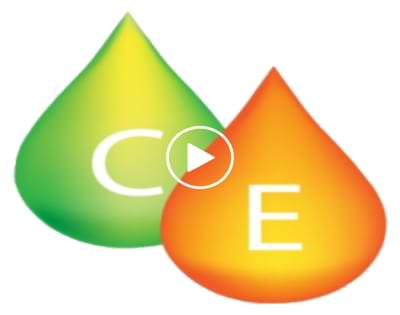
LMU 235 – Optimizing Lung Health: The Dynamic Duo of Vitamin E and Vitamin C

LMU-235

Optimizing Lung Health: The Dynamic Duo of Vitamin E and Vitamin C

Source: Oregon State University Study (2006)

Lifestyle Medicine Update (March 16, 2022)

Introduction:

Discover the remarkable synergy of vitamins E and C in defending lung health. A 2006 study unveiled their potential, especially for smokers. Learn optimal dosages to protect against chronic lung diseases, like emphysema and chronic bronchitis. These vitamins act as a powerful duo, defending against the effects of cigarette smoke and air pollution. Boost immunity and promote lung resilience in today’s challenging environment.

The Potential of Vitamins in Defending Against Chronic Lung Diseases

In our last Lifestyle Medicine Update, we unveiled the astonishing results of a large-scale study: Women who took a daily vitamin E supplement for a decade reduced their risk of developing chronic lung diseases, such as emphysema, chronic bronchitis, and bronchiectasis, by a striking 10%. Even more intriguing, this protective effect extended to women who smoked, offering a glimmer of hope for those battling the perils of cigarette addiction.

The Vitamin E Breakthrough

The 2006 study conducted by Oregon State University researchers illuminated the remarkable role of vitamin E as one of the body’s first lines of defence against the damaging effects of cigarette smoke. Cigarette smoke, a notorious source of destructive free radicals, can wreak havoc on delicate lung tissue. However, when the body has sufficient vitamin E levels, this powerful antioxidant can interact with peroxyl radicals, effectively shielding lung membranes from destruction.

But here’s the twist: In this noble endeavor, vitamin E may itself be transformed into a free radical. This is where vitamin C steps into the spotlight.

Vitamin C: The Recycling Hero

Vitamin C, often lauded for its immune-boosting prowess, plays a pivotal role in recycling vitamin E back to its antioxidant state. This means that vitamin E can continue to neutralize free radicals, preventing lung damage, without undergoing the harmful conversion into a free radical itself.

This dynamic interplay between vitamin E and vitamin C forms a synergistic defence mechanism, not only against the assaults of cigarette smoke but also against the pernicious effects of air pollution, an unfortunate consequence of our industrialized world.

Bridging the Gap: The Smoker’s Solution

Considering the imperative need to safeguard our lung tissue in the modern era, the 2006 Oregon State University study demonstrated a vital solution for smokers. Administering 1,000 mg of vitamin C daily reduced vitamin E depletion in smokers by a remarkable 45%. In contrast, the placebo group experienced swift depletion of their vitamin E levels.

These findings are particularly pertinent since studies indicate that only 8% of men and a mere 2.4% of women maintain adequate dietary intake of vitamin E.

Striking a Balance: The Optimal Dosage

So, what’s the magic formula for lung health? While the Women’s Health Initiative Study revealed that 600 IU of vitamin E per day reduced the development of chronic lung diseases by 10%, caution is warranted when surpassing the 400 IU daily mark. Higher doses may amplify the effects of anticoagulant drugs, potentially leading to unintended consequences.

Our recommendation? Most individuals can benefit from a daily regimen of 400 IU of vitamin E and 1,000 mg of vitamin C. This dynamic duo, backed by human clinical studies, not only fortifies lung tissue against air pollution but also holds the potential to reduce the risk of emphysema, chronic bronchitis, and bronchiectasis, especially in smokers—although quitting smoking should always remain the ultimate goal.

Let’s not forget the added advantage: immune system support. These vitamin supplements, within this dosage range, have consistently shown their prowess in bolstering the body’s immune defences—a benefit that should not be underestimated.

In a world where clean air is a luxury and smoking remains a stubborn habit for many, the strategic combination of vitamin E and vitamin C emerges as a beacon of hope, offering a breath of fresh air for lung health.

Reference:

  • [Study with smokers shows vitamins combine for benefits. ScienceDaily. Feb. 25, 2006. (Oregon State University Study)](https://www.sciencedaily.com/releases/2006/02/060224104219.htm#:~:text=If%20the%20body%20has%20adequate,made%20into%20a%20destructive%20radical)
 
Eat Smart, Live Well, Look Great,
 

Dr. Meschino

Dr. James Meschino

Dr. James Meschino

ABOUT THE AUTHOR

Dr. James Meschino, DC, MS, ROHP, is an educator, author, and researcher having lectured to thousands of healthcare professionals across North America. He holds a Master’s Degree in Science with specialties in human nutrition and biology and is recognized as an expert in the field of nutrition, anti-aging, fitness, and wellness as well as the author of numerous books.
Posted on

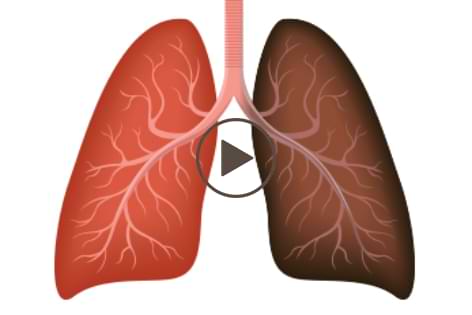
LMU 234 – Vitamin E: A Breath of Fresh Air for Lung Health

LMU-234

Vitamin E: A Breath of Fresh Air for Lung Health

Source: American Thoracic Society (2010)

Lifestyle Medicine Update (March 10, 2022)

Introduction:

This article explores the remarkable benefits of vitamin E supplementation in preventing chronic lung diseases, challenging the skepticism surrounding supplements. The research presented at the 2010 American Thoracic Society Meeting showcases vitamin E’s role as an antioxidant and its potential to reduce the risk of these diseases, even in women who smoke. This groundbreaking study sheds light on the tangible benefits of certain supplements, particularly vitamin E, in safeguarding lung health.

Exploring the Astonishing Benefits of Vitamin E Supplementation in Preventing Chronic Lung Diseases

When it comes to our health, the importance of vitamins and supplements often finds itself at the center of a heated debate. While some argue that they are nothing more than a placebo, others, like the researchers who presented their groundbreaking findings at the 2010 American Thoracic Society Meeting, are uncovering remarkable evidence that can’t be ignored. In this article, we delve into the captivating world of vitamin E and its role in protecting lung health, as well as debunking the myth that supplements are ineffective.

The Study That Left Experts Breathless

A pivotal moment in the realm of healthcare unfolded at the 2010 American Thoracic Society Meeting, where researchers unveiled the results of a comprehensive study that left the audience astonished. The study focused on vitamin E supplementation and its potential to combat chronic lung diseases, such as chronic bronchitis, emphysema, and bronchiectasis, specifically in women. Notably, this protective effect was observed even in women who smoked.

This extensive investigation drew upon the data gathered from the Women’s Health Study, which randomized 39,876 female healthcare professionals into two groups: one receiving 600 IU of vitamin E and the other a placebo (±100 mg aspirin) for nearly a decade. After excluding participants with pre-existing chronic lung diseases, the final analysis involved 19,299 women in the vitamin E group and 19,298 in the placebo group.

The jaw-dropping revelation was that vitamin E supplementation contributed to a substantial 10% reduction in the risk of developing new chronic lung diseases over the course of a decade. Remarkably, this benefit remained consistent even after accounting for various factors, including smoking, age, aspirin use, and dietary habits.

Unmasking the Power of Vitamin E

But how does vitamin E work its magic on lung tissue? The answer lies in its role as an antioxidant. Free radical damage, often induced by factors like cigarette smoke and air pollution, plays a significant role in the development of chronic lung diseases, including COPD (chronic obstructive pulmonary disease). Vitamin E, acting as a potent antioxidant, swoops in to protect the lungs from the ravages of these harmful free radicals.

While earlier observational studies hinted at a connection between antioxidants and a reduced risk of COPD, this research was groundbreaking in its scope and findings. The scientists noted that vitamin E could shield the lungs from damage caused by inflammation and free radicals. Interestingly, they speculated that part of this protective mechanism might involve the transport of vitamin E by high-density lipoprotein (HDL) into the lungs.

Moreover, the study hinted at the potential synergy between vitamins E and C. Combining these two vitamins in supplementation appeared to offer even greater protection for lung health than vitamin E alone.

Dispelling the Myth: Supplements That Make a Difference

In an era where skepticism surrounds the efficacy of vitamin supplements, this study shines a light on the tangible benefits they can offer. Contrary to the notion that supplements are mere placebos, the research presented at the 2010 American Thoracic Society Meeting demonstrates that certain supplements can indeed make a substantial difference.

Vitamin E emerges as a champion in the fight against chronic lung diseases. Even for smokers, the 10% reduction in disease risk is a powerful testament to its potential. While it’s crucial to prioritize not smoking or quitting for optimal lung health, vitamin E supplementation emerges as an ally for everyone, including non-smokers, seeking to safeguard their lungs from the perils of air pollution and other environmental threats.

In conclusion, the study presented at the 2010 American Thoracic Society Meeting highlights the potential of vitamin E supplementation in reducing the risk of chronic lung diseases in women, including smokers. This groundbreaking research challenges the skepticism surrounding the effectiveness of supplements and underscores the vital role vitamin E plays as an antioxidant in protecting lung tissue from the damaging effects of free radicals. It’s a reminder that in the pursuit of good health, certain supplements can indeed make a significant difference.

Reference:

  1. [Long-term vitamin E use prevents COPD in women. Medscape, May 17, 2010. (American Thoracic Society 2010 International Conference)](https://www.medscape.com/viewarticle/721905)
Eat Smart, Live Well, Look Great,

Dr. Meschino

Dr. James Meschino

Dr. James Meschino

ABOUT THE AUTHOR

Dr. James Meschino, DC, MS, ROHP, is an educator, author, and researcher having lectured to thousands of healthcare professionals across North America. He holds a Master’s Degree in Science with specialties in human nutrition and biology and is recognized as an expert in the field of nutrition, anti-aging, fitness, and wellness as well as the author of numerous books.
Posted on

LMU 233 – Choosing the Right Vitamin D: D2 vs. D3 for Immune Health

LMU-233

Choosing the Right Vitamin D: D2 vs. D3 for Immune Health

Source: Frontiers in Immunology (2022)

Nutrition / Natural Medicine Update (February , 2016)

Introduction:

When it comes to vitamin D, there’s more to the story than meets the eye. Many folks may not be aware that vitamin D comes in two distinct forms: vitamin D2 and vitamin D3. While vitamin D3 has long been hailed as the more potent and beneficial option, there’s a twist in the tale, especially for those following vegan or vegetarian diets. In this article, we’ll explore the importance of vitamin D for immune health and why vitamin D3 might be the smarter choice.

The Vegan Dilemma

For vegans and vegetarians, vitamin D2 has been the go-to choice as it is sourced from non-animal origins. However, when it comes to bolstering the body’s defences, the evidence suggests that vitamin D3 takes the lead.

New Insights from a Study

In the February 2022 issue of the journal *Frontiers in Immunology*, a study shed light on this vitamin D debate. Researchers conducted a 12-week study involving a substantial group of healthy European and South Asian women during the winter months. They administered either vitamin D2 or vitamin D3 and made a remarkable discovery: vitamin D3 enhanced the secretion of interferon from immune cells, a vital component in the body’s defence system against infections, including COVID-19 and cancerInterferon plays a multifaceted role, from alerting the immune system to recognizing and attacking invaders to preventing the growth of viruses and cancer cells.

The Power of Interferon

Interferon, as a vigilant immune system messenger, accomplishes several essential tasks:

  • Alerts the immune system to take action against viruses and cancer cells.
  • Aids in the recognition of these threats by the immune system.
  • Coordinates the efforts of other immune cells to combat the invaders.
  • Halts the replication and growth of viruses and cancer cells.
  • Assists healthy cells in their fight against infections.

Regarding COVID-19, the researchers noted that “our finding that vitamin D3 appears to stimulate type I interferon signalling could be relevant in the context of its use as a prophylactic treatment” to help prevent severe COVID-19 complications.

The Source Matters

It’s worth noting that vitamin D3, found in supplements and many fortified dairy products, shares its origin with our own skin’s vitamin D synthesis when exposed to sunlight—sheep’s skin (lanolin). In contrast, vitamin D2, present in select supplements and fortified foods like some orange juices and cereals, is produced by exposing various mushrooms to UV light. Vitamin D2, also known as ergocalciferol, is less costly, which is why some products opt for it instead of vitamin D3.

The Preferred Choice

Considering the growing body of evidence, opting for supplements containing vitamin D3 appears to be a wise choice. Not only does it have a positive impact on immune health, but it may also offer benefits for bone health. For those seeking robust support for their overall well-being, vitamin D3 stands out as the superior option.

Reference:

  1. Louise R. Durrant, Giselda Bucca, Andrew Hesketh, Carla Möller-Levet, Laura Tripkovic, Huihai Wu, Kathryn H. Hart, John C. Mathers, Ruan M. Elliott, Susan A. Lanham-New, Colin P. Smith. *Vitamins D2 and D3 Have Overlapping But Different Effects on the Human Immune System Revealed Through Analysis of the Blood Transcriptome.* Frontiers in Immunology, 2022. [Read more](https://www.frontiersin.org/articles/10.3389/fimmu.2022.790444/full)
  2. Science Daily: *Study questioning the role of vitamin D2 in human health but its sibling, vitamin D3, could be important for fighting infections.* February 25, 2022. [Read more](https://www.sciencedaily.com/releases/2022/02/220225085906.htm)
 
Eat Smart, Live Well, Look great,
 

Dr. Meschino

Introduction:

When it comes to vitamin D, there’s more to the story than meets the eye. Many folks may not be aware that vitamin D comes in two distinct forms: vitamin D2 and vitamin D3. While vitamin D3 has long been hailed as the more potent and beneficial option, there’s a twist in the tale, especially for those following vegan or vegetarian diets. In this article, we’ll explore the importance of vitamin D for immune health and why vitamin D3 might be the smarter choice.

The Vegan Dilemma

For vegans and vegetarians, vitamin D2 has been the go-to choice as it is sourced from non-animal origins. However, when it comes to bolstering the body’s defences, the evidence suggests that vitamin D3 takes the lead.

New Insights from a Study

In the February 2022 issue of the journal *Frontiers in Immunology*, a study shed light on this vitamin D debate. Researchers conducted a 12-week study involving a substantial group of healthy European and South Asian women during the winter months. They administered either vitamin D2 or vitamin D3 and made a remarkable discovery: vitamin D3 enhanced the secretion of interferon from immune cells, a vital component in the body’s defence system against infections, including COVID-19 and cancer. Interferon plays a multifaceted role, from alerting the immune system to recognizing and attacking invaders to preventing the growth of viruses and cancer cells.

The Power of Interferon

Interferon, as a vigilant immune system messenger, accomplishes several essential tasks:

  • Alerts the immune system to take action against viruses and cancer cells.
  • Aids in the recognition of these threats by the immune system.
  • Coordinates the efforts of other immune cells to combat the invaders.
  • Halts the replication and growth of viruses and cancer cells.
  • Assists healthy cells in their fight against infections.

Regarding COVID-19, the researchers noted that “our finding that vitamin D3 appears to stimulate type I interferon signalling could be relevant in the context of its use as a prophylactic treatment” to help prevent severe COVID-19 complications.

The Source Matters

It’s worth noting that vitamin D3, found in supplements and many fortified dairy products, shares its origin with our own skin’s vitamin D synthesis when exposed to sunlight—sheep’s skin (lanolin). In contrast, vitamin D2, present in select supplements and fortified foods like some orange juices and cereals, is produced by exposing various mushrooms to UV light. Vitamin D2, also known as ergocalciferol, is less costly, which is why some products opt for it instead of vitamin D3.

The Preferred Choice

Considering the growing body of evidence, opting for supplements containing vitamin D3 appears to be a wise choice. Not only does it have a positive impact on immune health, but it may also offer benefits for bone health. For those seeking robust support for their overall well-being, vitamin D3 stands out as the superior option.

Reference:

  1. Louise R. Durrant, Giselda Bucca, Andrew Hesketh, Carla Möller-Levet, Laura Tripkovic, Huihai Wu, Kathryn H. Hart, John C. Mathers, Ruan M. Elliott, Susan A. Lanham-New, Colin P. Smith. *Vitamins D2 and D3 Have Overlapping But Different Effects on the Human Immune System Revealed Through Analysis of the Blood Transcriptome.* Frontiers in Immunology, 2022. [Read more](https://www.frontiersin.org/articles/10.3389/fimmu.2022.790444/full)
  2. Science Daily: *Study questioning the role of vitamin D2 in human health but its sibling, vitamin D3, could be important for fighting infections.* February 25, 2022. [Read more](https://www.sciencedaily.com/releases/2022/02/220225085906.htm)
 
Eat Smart, Live Well, Look great,


Dr. Meschino

Dr. James Meschino

Dr. James Meschino

ABOUT THE AUTHOR

Dr. James Meschino, DC, MS, ROHP, is an educator, author, and researcher having lectured to thousands of healthcare professionals across North America. He holds a Master’s Degree in Science with specialties in human nutrition and biology and is recognized as an expert in the field of nutrition, anti-aging, fitness, and wellness as well as the author of numerous books.