Posted on

LMU 204 – Discover the Power of Omega-3 for Expecting Mothers: A Game-Changer in Preventing Early Preterm Births

LMU-204

Omega-3 Discover the Power of Omega-3 for Expecting Mothers: A Game-Changer in Preventing Early Preterm Births

Source: EClinicalMedicine May 2021 (a clinical journal of The Lancet)

Lifestyle Medicine Update (May 26, 2021)

Introduction:

Pregnancy is a transformative journey filled with excitement and anticipation, but it also comes with its fair share of challenges and concerns. One of the most pressing concerns for expecting mothers is the risk of early preterm birth, which can have serious implications for both the baby and the mother. However, recent research published in May 2021 in EClinicalMedicine has unveiled a remarkable breakthrough: supplementing pregnant women with a specific omega-3 fatty acid known as docosahexaenoic acid (DHA) can significantly reduce the risk of early preterm births.

The Alarming Issue of Early Preterm Births

Early preterm births, defined as births occurring before 34 weeks of gestation, represent a significant public health concern. These premature births carry the highest risk of infant mortality and long-term child disabilities. Addressing this issue is crucial for ensuring the well-being of both mothers and their newborns.

A Landmark Study: Reducing Risk by Half

The study in question was a groundbreaking double-blind, randomized, multi-center trial involving 1,100 pregnant women. The results were nothing short of eye-opening, revealing a potential game-changer in prenatal care. Pregnant women who received a daily dose of 1,000 mg of DHA supplementation experienced a remarkable 50% reduction in their risk of early preterm birth.

Personalized Insights: DHA Levels Matter

What makes this study even more significant is its personalized approach. It found that women with low DHA levels at the beginning of their pregnancies benefited the most from the 1,000 mg DHA supplementation. These women saw their early preterm birth rate drop from 4.1% to just 2.0% when compared to those who received only 200 mg of DHA during the latter half of pregnancy.

This finding has crucial implications for expectant mothers because many prenatal vitamins on the market contain just 200 mg of DHA. The study highlights the inadequacy of this dosage for a significant portion of women who may not regularly consume sufficient DHA in the years leading up to their pregnancy or during pregnancy itself.

The North American DHA Deficiency

Studies have consistently shown that many women in North America have minimal dietary intake of DHA. This research underscores the importance of DHA supplementation for women planning to become pregnant and those already expecting. Beyond the reduction in the risk of early preterm birth, other studies have suggested that increased DHA intake can also enhance fetal brain development.

Expert Perspectives: A Game-Changer in Prenatal Care

Co-author Dr. Carl P. Weiner, MD, a professor of obstetrics and gynecology, integrative and molecular physiology at the University of Kansas School of Medicine, and pharmaceutical sciences at the University of Kansas School of Pharmacy, emphasizes the significance of this study. He states, “This study is a potential game-changer for obstetricians and their patients.” Dr. Weiner further notes that the substantial decrease in early preterm births resulting from DHA supplementation can lead to improved outcomes for children, families, and society while remaining cost-effective.

Dr. Carlson, another co-author of the study, stresses the importance of spreading this valuable information to pregnant women and those planning to conceive. She encourages women to consult with their healthcare providers and have their DHA levels assessed to ensure they are taking the appropriate dose to safeguard against early preterm birth.

A Leap Towards Improved Maternal and Child Health

Funding for this groundbreaking study was provided by the National Institute of Child Health and Human Development (NICHD) in the United States. It serves as yet another compelling example of how targeted nutritional supplementation can substantially improve outcomes for serious and prevalent health concerns.

As we continue to delve into the intricacies of prenatal care, DHA supplementation emerges as a potent tool for nurturing maternal and child health, reducing the risk of early preterm birth, and promoting optimal brain development in the womb. Expectant mothers and those planning to become pregnant should consider incorporating DHA supplementation into their wellness routines, guided by healthcare professionals, to ensure a healthier, brighter future for both them and their children.

Reference:

Susan E Carlson, Byron J Gajewski, Christina J Valentine, Elizabeth H Kerling, Carl P Weiner, Michael Cackovic, Catalin S Buhimschi, Lynette K Rogers, Scott A Sands, Alexandra R Brown, Dinesh Pal Mudaranthakam, Sarah A Crawford, Emily A DeFranco. [Higher dose docosahexaenoic acid supplementation during pregnancy and early preterm birth: A randomised, double-blind, adaptive-design superiority trial. EClinicalMedicine, 2021](https://www.thelancet.com/journals/eclinm/article/PIIS2589-5370(21)00185-1/fulltext)

Eat Smart, Live Well, Look Great,

Dr. Meschino

Dr. James Meschino

Dr. James Meschino

ABOUT THE AUTHOR

Dr. James Meschino, DC, MS, ROHP, is an educator, author, and researcher having lectured to thousands of healthcare professionals across North America. He holds a Master’s Degree in Science with specialties in human nutrition and biology and is recognized as an expert in the field of nutrition, anti-aging, fitness, and wellness as well as the author of numerous books.

Posted on

LMU 203 – Harnessing the Power of Adaptogen Herbs: A Natural Defence Against Stress

LMU-203

Harnessing the Power of Adaptogen Herbs: A Natural Defence Against Stress

Source: Various peer-reviewed scientific journals (see references)

Lifestyle Medicine Update (May 13, 2021)

Introduction:

In our fast-paced modern world, stress has become an unwelcome companion in our daily lives. The constant demands of work, relationships, and the challenges of our times can take a toll on our mental and physical well-being. Fortunately, nature has provided us with a potent ally in the form of adaptogen herbs. These remarkable botanicals have demonstrated their ability to combat the negative effects of stress on both our bodies and minds. In this article, we’ll explore the benefits of some notable adaptogen herbs and how they can play a vital role in promoting our overall health and resilience.

Understanding the Impact of Chronic Stress

When we find ourselves trapped in the grip of chronic stress, our bodies undergo significant changes. The adrenal glands, which are responsible for producing cortisol, the stress hormone, often go into overdrive. This heightened cortisol production can have far-reaching consequences, including:

  1.  Increasing Inflammation: Chronic stress can lead to heightened inflammation, exacerbating conditions like arthritis and autoimmune diseases.
  2. Weakening Immunity: Elevated cortisol levels can compromise our immune system, leaving us more susceptible to infections and even cancer.
  3. Raising Blood Sugar: Stress-induced cortisol release can trigger or worsen diabetes by elevating blood sugar levels.
  4. Damaging Brain Cells: The brain is not immune to the effects of cortisol, which can negatively impact memory, learning ability, and sleep cycles.
  5. Altering Brain Chemistry: Stress can trigger or worsen mental health problems such as depression, burnout syndrome, and anxiety by changing brain chemistry.

In recent years, the spotlight has turned to adaptogen herbs as a natural means to counteract these detrimental effects and bolster our resistance to stress.

The Efficacy of Adaptogen Herbs

A review published in the Georgia State Honors College Undergraduate Research Journal in 2017 shed light on the effectiveness of adaptogen herbs, such as Ashwagandha, Schisandra, and Rhodiola, in treating various stress-related conditions. Human studies included in the review showed that supplementation with these adaptogen herbs not only improved symptoms related to stress, anxiety, and fatigue but also led to a decrease in cortisol levels—the very hormone responsible for these adverse effects. Similar findings have been reported in studies published in the Journal of Neuropsychiatric Disease Treatment (2017) and the Indian Journal of Psychological Medicine (2012). These adaptogen herbs have even demonstrated their worth when used alongside antidepressant or anti-anxiety medications, often enhancing treatment outcomes.

Choosing Safe and Effective Adaptogen Herbs

While adaptogen herbs have shown immense promise in mitigating the effects of stress, it’s essential to choose the right ones. Some adaptogens, like ginseng and licorice extract, can interact unfavorably with various medications, potentially leading to severe side effects. These herbs may also affect blood pressure and heart health and interfere with the detoxification of substances like caffeine, alcohol, and acetaminophen. Therefore, it’s wise to exercise caution when considering these adaptogens.

The Trusted Trio: Ashwagandha, Schisandra, and Rhodiola

Among the adaptogen herbs, Ashwagandha, Schisandra, and Rhodiola have emerged as safe and effective options. Numerous human studies, along with experimental and experiential evidence, support their use in various scenarios where stress plays a significant role. Here are some situations where a supplement containing this trio of adaptogens can be considered as an adjunct measure:

  1.  General Unexplained Fatigue: When you’re feeling persistently tired with no apparent cause.
  2. Overtraining Syndrome: For athletes and fitness enthusiasts pushing their bodies to the limit.
  3. Recovery from Infectious Diseases: Enhancing recovery after illnesses.
  4. Weakened Immunity: In cases involving chemotherapy, radiation, infections, or diabetes.
  5. Mental Health: As a preventive or adjunct in managing depression, anxiety, or stress-related conditions.
  6. Declining Libido and Sexual Performance: When stress takes a toll on intimate relationships.
  7. Menopausal Symptoms: For relief when standard interventions fall short.
  8. Signs of an Underactive Thyroid: Particularly when cortisol levels interfere with thyroid function.
  9. Sleep Disturbances: Combatting insomnia or other sleep-related issues.
  10. Decreased Concentration and Learning Ability: Enhancing cognitive function in stressful situations.
  11. Decreased Physical Endurance: Preparing for physically demanding work or exercise.
  12.  Early-Stage Memory Loss: Alongside other memory-supporting nutrients.
  13. Stress-Related Hair Loss: When stress impacts your hair health.
  14. As an Adjunct to Weight Management: Especially when stress contributes to weight gain.
  15. In Some Neurodegenerative Diseases: Like Parkinson’s or Alzheimer’s disease.
  16. Autoimmune Conditions Affecting the Joints: Such as rheumatoid arthritis (RA).

The combination of Ashwagandha, Schisandra, and Rhodiola has demonstrated a remarkable safety profile and efficacy in various human studies. This suggests that these adaptogen herbs can benefit a wide range of individuals without the risk of serious side effects.

Conclusion: Nurturing Resilience in the Face of Stress

As we navigate the challenges of our fast-paced lives, it’s comforting to know that nature offers us a lifeline in the form of adaptogen herbs. These remarkable botanicals, such as Ashwagandha, Schisandra, and Rhodiola, have proven their ability to mitigate the adverse effects of stress on both our bodies and minds. By incorporating these safe and effective adaptogens into our daily routines, we can build resilience, enhance recovery, and improve our overall well-being.

Note: Before starting any new supplementation regimen, it’s advisable to consult with a healthcare professional, especially if you have underlying health conditions or are taking medications.

References:

  1. [Georgia State Honors College Undergraduate Research Journal: Human Clinical Studies on Mental Health](https://scholarworks.gsu.edu/cgi/viewcontent.cgi?article=1057&context=discovery)
  2. [Kasper S and Dienel A. Multicenter, open-label, exploratory clinical trial with Rhodiola Rosea extract in patients suffering from burnout symptoms. Neuropsychiatr Dis Treat. 2017. 13:889-898.](https://www.ncbi.nlm.nih.gov/pmc/articles/PMC5370380/)
  3. [Chandrasekhar K, Kapoor J, Anishetty S. A Prospective, Randomized Double-Blind, Placebo-Controlled Study of Safety and Efficacy of a High-Concentration Full-Spectrum Extract of Ashwagandha Root in Reducing Stress and Anxiety in Adults, Indian Journal of Psychological Medicine. 2012. July-Sept.34(3):255-262](https://www.ncbi.nlm.nih.gov/pmc/articles/PMC3573577/)
  4. [Panossian A and Wikman G. Effects of adaptogens on the central nervous system and the molecular mechanisms associated with their stress-protective activity. Pharmaceuticals 2010; 3(1):188-224](https://www.ncbi.nlm.nih.gov/pmc/articles/PMC3991026/)
  5. [Dangerous Effects of Ginseng and Licorice Root](https://www.ncbi.nlm.nih.gov/pmc/articles/PMC3291795/)
  6. [Medical News Today – Ginseng and Licorice Interaction](https://www.medicalnewstoday.com/articles/262982)
  7. [NCBI – Hypertension and hypokalemia associated with licorice root consumption](https://www.ncbi.nlm.nih.gov/pmc/articles/PMC4452531/#:~:text=Siegel%20%5B16%5D%20described%20the%20unfavorable,and%20hypotension%20(%E2%88%BC10%25).)
  8. [ScienceDirect – Possible involvement of an adrenergic mechanism in the toxic action of Panax ginseng](https://www.sciencedirect.com/science/article/abs/pii/S0928098717304335?via%3Dihub)
  9. [NCBI – Licorice-induced hypertension](https://www.ncbi.nlm.nih.gov/pmc/articles/PMC3498851/)
 
Eat Smart, Live Well, Look Great,
 

Dr. Meschino

Dr. James Meschino

Dr. James Meschino

ABOUT THE AUTHOR

Dr. James Meschino, DC, MS, ROHP, is an educator, author, and researcher having lectured to thousands of healthcare professionals across North America. He holds a Master’s Degree in Science with specialties in human nutrition and biology and is recognized as an expert in the field of nutrition, anti-aging, fitness, and wellness as well as the author of numerous books.

Posted on

LMU 202 – Unlocking the Importance of Iodine: Safeguarding Neurological Health and More

LMU-202

Unlocking the Importance of Iodine: Safeguarding Neurological Health and More

Source: Multiple Peer-reviewed Studies (see references below)

Lifestyle Medicine Update (May 5, 2021)

Introduction:

In the world of nutrition and wellness, one topic often overlooked is iodine. It might not be the most glamorous subject, but it plays a crucial role in our health, especially in recent years with shifting dietary trends. An increasing number of people, particularly young individuals, are unintentionally becoming iodine deficient due to dietary choices such as avoiding dairy, animal products, and opting for sea salt and salt substitutes. In this article, we delve into the significance of iodine and the potential consequences of its deficiency, highlighting why it should not be underestimated.

The Unseen Consequences

While iodine deficiency may not exhibit immediate physical symptoms, its impact can be profound, particularly for young women and their offspring. Even mild to moderate iodine deficiency can affect language development, memory, and mental processing speeds in children. The need for increased iodine intake is most critical during pregnancy and lactation, with recommended daily intakes of 220 and 290 mcg, respectively. Neglecting these requirements can lead to impaired neurological conditions in newborns.

The Global Challenge

A 2017 study in the United States revealed a startling fact: nearly 2 billion people worldwide are iodine deficient, resulting in 50 million experiencing clinical side effects. This issue is exacerbated by recent dietary trends, including the adoption of plant-based diets, avoidance of dairy and animal products, and the use of non-iodized salt alternatives like Himalayan sea salt.

The Legacy of Iodine Deficiency

Iodine deficiency has far-reaching consequences, including its role as the single greatest cause of preventable brain damage and intellectual disabilities worldwide, as declared at the 1990 World Summit for Children. Despite global efforts to eliminate iodine deficiency by the year 2000, this goal remains elusive. The consequences of this deficiency are now affecting women in modern societies, who have access to iodine-rich and fortified foods but are increasingly avoiding them.

The Iodine Sources We Often Overlook

Many foods can provide the iodine our bodies need. Common table salt, when iodized, contains a significant amount of iodine (76 mcg in 1/4 teaspoon). Enriched flours and bread doughs also contribute iodine, often providing 180-185 mcg in a single slice of bread. Seafood, such as cod and tuna, can be rich sources, with 3 oz servings providing between 13 to 158 mcg of iodine. Dairy products like yogurt and non-fat milk contain iodine, as does iodized salt.

However, dietary shifts towards plant-based alternatives like oat and soy milk, alongside a reduction in seafood, dairy, and egg consumption, have led to mild to moderate iodine deficiency in many individuals. While fruits, vegetables, legumes, and soy products are healthy choices, they typically contain negligible amounts of iodine. Relying solely on these foods for iodine intake is not recommended.

Who’s at Risk?

Certain groups are more prone to iodine deficiency, including those who avoid iodized salt, pregnant and breastfeeding women due to increased iodine needs, and vegans who consume minimal or no dairy, seafood, or eggs.

Beyond Neurological Health

Iodine deficiency isn’t just about impaired neurological development in children. It has also been linked to an increased risk of thyroid, breast, and stomach cancers in numerous studies. Additionally, it can cause fibrocystic breast disease, a condition that can often be reversed with medically supervised iodine supplementation.

The Prudent Approach

While iodine supplementation can be beneficial, it should be approached with caution due to the debate over safe dosage levels. For most individuals, focusing on iodine-rich foods and maintaining a balanced diet is the best strategy. Fortunately, living in regions where iodine fortification and iodine-rich foods are readily available gives us the means to meet our daily requirements.

Conclusion:

In conclusion, iodine may not be the flashiest topic in nutrition, but its importance cannot be understated. As dietary trends evolve, it’s essential to prioritize our iodine intake to safeguard our health and the health of future generations.

Note: Before making any significant dietary changes or considering supplementation, it’s advisable to consult with a healthcare professional, especially if you have underlying health conditions.

References:

  1. Poor iodine levels in women pose risks to fetal intellectual development in pregnancy. [Read more](https://www.sciencedaily.com/releases/2021/04/210422093858.htm)
  2. Jane S. Whitbread, Karen J. Murphy, Peter M. Clifton, Jennifer B. Keogh. Iodine Excretion and Intake in Women of Reproductive Age in South Australia Eating Plant-Based and Omnivore Diets: A Pilot Study. International Journal of Environmental Research and Public Health, 2021; 18 (7): 3547. [Read more](https://www.mdpi.com/1660-4601/18/7/3547)
  3. Iodine: National Institutes of Health. [Read more](https://ods.od.nih.gov/factsheets/Iodine-HealthProfessional/)
  4. Iodine and Thyroid Cancer: [Read more](https://www.ncbi.nlm.nih.gov/pmc/articles/PMC4490680/)
  5. Iodine and Stomach and Breast Cancer and Fibrocystic Breast Disease: [Read more](https://www.naturalmedicinejournal.com/journal/2014-06/iodine-and-cancer)
  6. Health Consequences of Iodine Deficiency Including Mental Developmental Problems in Children. [Read more](https://www.ncbi.nlm.nih.gov/pmc/articles/PMC3074887/)
 
Eat Smart, Live Well, Look Great!
 

Dr. James Meschino

Dr. James Meschino

Dr. James Meschino

ABOUT THE AUTHOR

Dr. James Meschino, DC, MS, ROHP, is an educator, author, and researcher having lectured to thousands of healthcare professionals across North America. He holds a Master’s Degree in Science with specialties in human nutrition and biology and is recognized as an expert in the field of nutrition, anti-aging, fitness, and wellness as well as the author of numerous books.

Posted on

LMU 201 – Unlocking Natural Solutions for PMS: A Holistic Approach

LMU-201

Unlocking Natural Solutions for PMS: A Holistic Approach

Source: Multiple Peer-reviewed Research Papers (see References)

Lifestyle Medicine Update (April 28, 2021)

Introduction:

Premenstrual syndrome, commonly known as PMS, affects millions of women worldwide, causing a range of uncomfortable symptoms in the days leading up to menstruation. While some women experience only mild symptoms, others endure severe discomfort that disrupts their daily lives. In this article, we explore a holistic approach to managing PMS that includes dietary strategies, plant-based nutrients, and other natural remedies to help alleviate the symptoms and improve overall well-being.

Balancing Hormones Naturally

Research has shown that PMS is often the result of an imbalance between estrogen and progesterone during the final 7-10 days of the menstrual cycle. Normally, progesterone should dominate this phase, but when estrogen remains high or more dominant, PMS symptoms tend to emerge. Strategies aimed at reducing estrogen levels or mitigating its effects on target tissues can significantly reduce PMS symptoms.

Dietary Changes

One of the key dietary strategies for managing PMS involves reducing the intake of certain foods. Refined sugars, caffeine, and alcohol are known to exacerbate PMS symptoms, particularly breast pain and inflammation. Women can benefit from replacing high-fat meats, dairy products, deep-fried foods, and breaded meats with lower-fat alternatives and embracing a more plant-based diet.

Additionally, increasing dietary fiber intake, especially through sources like wheat bran, can help the body excrete excess estrogen through the fecal route. Regular exercise also aids in detoxifying the liver and promoting the excretion of estrogen, reducing the incidence of PMS.

Botanical Solutions

Natural compounds found in plants have been found to alleviate PMS symptoms effectively. Black cohosh and Soy extract are two such botanical agents. Black cohosh contains triterpene glycosides, while Soy extract is standardized to isoflavone content. These compounds compete with the body’s potent estrogens for binding to tissues, thereby reducing estrogen’s overstimulation effect on these tissues. This reduction in estrogen activity can help tame many PMS problems, including menstrual cramps.

Dosage Recommendations

For Black cohosh, an effective dosage is typically 80 mg twice daily, standardized to 2.5% triterpene glycosides. For Soy extract, a recommended dosage is 125 mg twice daily, standardized to 20% isoflavone content. Some supplement companies offer products combining these two natural agents for added convenience and synergistic effects.

Detoxifying Estrogens

In addition to dietary changes and botanical remedies, there are other strategies to detoxify excess estrogen and environmental estrogens known as xenoestrogens. Cruciferous vegetables, such as broccoli, Brussels sprouts, cabbage, cauliflower, Bok choy, and turnips, contain indole-3-carbinol, which accelerates liver detoxification of estrogen and xenoestrogens. Consuming soy products and ground flaxseed daily can also improve estrogen balance in the body.

For individuals experiencing abdominal issues like bloating, constipation, or diarrhea during PMS, taking probiotic and/or prebiotic supplements may be beneficial. Probiotics consist of beneficial gut bacteria that can be found in many pharmacies and health food stores, while prebiotics, like FOS (Fructo-oligosaccharide) and Inulin, serve as soluble fiber that nourishes these friendly gut bacteria.

Complementary Therapies

Chiropractic care and acupuncture have been shown to help reduce menstrual cramps and low back pain associated with PMS. Some studies even suggest that combining these two therapies may offer even greater effectiveness.

Holistic Approach to PMS Management

In summary, a holistic approach to managing PMS encompasses several key strategies:

  • Reduce the intake of refined sugars, caffeine, and alcohol.
  • Adopt a lower-fat, more plant-based diet, including wheat bran and daily ground flaxseed.
  • Include cruciferous vegetables and soy products in the diet.
  • Consider a high-potency multiple vitamin and mineral supplement.
  • Take an essential fatty acid supplement containing fish, flaxseed, and borage seed oil.
  • Incorporate botanical supplements with Black cohosh and Soy extract.
  • Explore probiotic and/or prebiotic supplements for abdominal issues.
  • Seek chiropractic assessment for low back pain associated with PMS.
  • Engage in regular endurance-based aerobic exercise.

By combining these strategies, women can address the underlying factors contributing to PMS and experience relief from this common issue without the need for pharmaceutical interventions. This holistic approach offers a natural and comprehensive solution for managing PMS symptoms, empowering women to regain control of their well-being.

Please consult a healthcare professional before making significant dietary or supplement changes, especially if you have underlying health conditions or are taking medication.

References:

  • Frachiewicz E, et al. Evaluation and management of premenstrual syndrome and premenstrual syndrome dysphoric disorder.
  • Gorbach SL, et al. Diet and the excretion and enterohepatic cycling of estrogens.
  • Goldin BR, et al. Estrogen patterns and plasma levels in vegetarian and omnivorous women.
  • Longcape C, et al. The effect of a low-fat diet on oestrogen metabolism.
  • Woods MN, et al. Low-fat, high fiber diet and serum estrone sulfate in premenopausal women.
  • Jones DY. Influence of dietary fat on self-reported menstrual symptoms.
  • Aganoff JA, et al. Aerobic exercise, mood states and menstrual cycle symptoms.
  • Choi PY, et al. Symptom changes across the menstrual cycle in competitive sportswomen, exercisers, and sedentary women.
  • Steege JF, et al. The effects of aerobic exercise on premenstrual symptoms in middle-aged women.
  • Limon L. Use of alternative medicine in women’s health.
  • Schildge E. Essay on the treatment of premenstrual and menopausal mood swings and depressive states.
  • Heck A, et al. Potential Interactions between Alternative Therapies and Warfarin.
  • McNeil JR. Interactions between herbal and conventional medicines.
  • Dittmar RW, et al. Premenstrual syndrome, treatment with a phytopharmaceutical.
  • Pteres-Welte C., et al. Menstrual abnormalities and PMS: Vitex agnus-castus.
  • Albertzazzi P, et al. The effect of dietary soy supplementation on hot flashes.
  • Cassidy A, et al. Biological effects of a diet of soy protein rich in isoflavones on the menstrual cycle of premenopausal women.
  • Patter SM, et al. Soy protein and isoflavones: their effects on blood lipids and bone density in postmenopausal women.
  • Dalais FS, et al. Dietary soy supplementation increases vaginal cytology maturation index and bone mineral content in postmenopausal women.
  • London RS, et al. Effect of a nutritional supplement on premenstrual syndrome in women with PMS.
  • Stewart A. Clinical and biochemical effects of nutritional supplementation on the premenstrual syndrome.
  • Abraham GE. Nutritional factors in the etiology of the premenstrual tension syndrome.
  • Walsh MJ, Polus BI. A randomized, placebo-controlled clinical trial on the efficacy of chiropractic therapy on premenstrual syndrome.
  • Liebl NA, Butler LM. A chiropractic approach to the treatment
 
Eat Smart, Live Well, Look Great,
 

Dr. Meschino

Dr. James Meschino

Dr. James Meschino

ABOUT THE AUTHOR

Dr. James Meschino, DC, MS, ROHP, is an educator, author, and researcher having lectured to thousands of healthcare professionals across North America. He holds a Master’s Degree in Science with specialties in human nutrition and biology and is recognized as an expert in the field of nutrition, anti-aging, fitness, and wellness as well as the author of numerous books.

Posted on

LMU 200 – Unlocking the Secrets of Beating PMS Naturally: A Lifestyle Medicine Approach

LMU-200

Unlocking the Secrets of Beating PMS Naturally: A Lifestyle Medicine Approach

Source: Cochrane Database Systematic Review (2018)

Lifestyle Medicine Update No 200 (April 22, 2021)

Introduction:

Premenstrual Syndrome (PMS) can cast a dark cloud over the lives of many women aged 25-40. For around one-third of this demographic, and a particularly challenging 10%, PMS ushers in a barrage of debilitating symptoms, from excruciating menstrual cramps to emotional turbulence. While conventional medicine often relies on medications like oral contraceptives and anti-depressants to address these symptoms, a new wave of research suggests that the root cause of many PMS cases lies in underlying nutrient deficiencies. The solution? Supplementation to correct these deficiencies, potentially alleviating or even eliminating PMS symptoms.

Understanding the PMS-Deficiency Connection

Recent studies have spotlighted the link between PMS and deficiencies in vital vitamins and minerals. Notably, the 2018 Cochrane Database review revealed that PMS often coincides with low levels of specific micronutrients, including vitamin B, vitamin D, calcium, and magnesium. The prevalence of PMS seems to be higher in populations with lower levels of these micronutrients.

One common thread identified in PMS patients is low magnesium and vitamin B6 levels. These nutrients play pivotal roles in synthesizing serotonin, the “feel-good” brain chemical that’s often depleted in cases of depression. Furthermore, vitamin B6 and magnesium are essential for countering joint swelling, especially when combined with omega-3 fats.

Studies have also noted inadequate intake of vitamin D and calcium in PMS patients compared to those who don’t experience these symptoms. Vitamin D supports brain function, while calcium is crucial in preventing the abdominal cramping frequently associated with PMS. Additionally, calcium plays a role in cell signalling, aiding in the synthesis of ovarian hormones, which help maintain hormonal balance throughout the menstrual cycle.

Nurturing Your Way to Relief

Clinical trials have explored the potential of nutrient supplementation to ease various physical and emotional PMS symptoms. Supplements containing B-vitamins, magnesium, vitamin E, calcium, and essential fatty acids like omega-3 fats and GLA-rich oils (such as Borage Seed Oil) have shown promise in improving mood swings, food cravings, and other PMS symptoms.

To take proactive steps toward alleviating PMS, many healthcare professionals recommend a comprehensive approach. This includes a high-potency multiple vitamin and mineral supplement with a B-50 complex, 200 mg magnesium, 500 mg calcium, and 1000 IU vitamin D. Essential fatty acid supplements with a blend of Fish, Flaxseed, and Borage Seed Oil can further complement the regimen. Together, these nutrients correct marginal deficiencies and provide crucial support for brain chemistry, inflammation reduction, and muscle cramp relief.

Beyond Supplements: A Holistic Approach

While supplements play a significant role in managing PMS, there are other essential considerations. Dietary choices, lifestyle factors, and botanical remedies can also contribute to PMS management. In our next Lifestyle Medicine Update, we will delve deeper into these strategies to help you unlock the secrets of beating PMS naturally.

References:

  • [Cochrane Database Systematic Review: Vitamin or mineral supplements for premenstrual syndrome (2018)](https://www.ncbi.nlm.nih.gov/pmc/articles/PMC6491313/#:~:text=Several%20vitamins%20and%20minerals%20including,the%20underlying%20pathogenesis%20of%20PMS)
  • Berman MK, et al. Vitamin B6 in premenstrual syndrome. J Am Diet Assoc 1990;90:859-861.
  • Kliejnen J, et al. Vitamin B6 in the treatment of premenstrual syndrome – A Review. Br J Obstet Gynaecol 1990; 97: 847-852.
  • London RS, et al. Effect of a nutritional supplement on premenstrual syndrome in women with PMS: a double-blind longitudinal study. J Am Cell Nutr 1991;10:494-499.
  • Stewart A. Clinical and biochemical effects of nutritional supplementation on the premenstrual syndrome. J Reprod Med 1987;32:435-441.
  • Abraham GE. Nutritional factors in the etiology of the premenstrual tension syndrome. J Reprod Med 1983;28:446-464.
  • London RS, et al. The effects of Alpha-Tocopherol on premenstrual symptomatology: A double-blind study. II. Endocrine Correlates. J Am Col Nutr 1984;3:351-356.
  • London RS, et al. Endocrine parameters and alpha-tocopherol therapy of patients with mammary dysplasia. Cancer Res 1981;41:3811-3813.
  • Thys-Jacobs S, Starkey P, Bernstein D, Tian J. Calcium carbonate and the premenstrual syndrome: effects on premenstrual and menstrual symptoms. Premenstrual syndrome Study Group. Am J Obstet Gynecol 1998;179(2):444-52.
  • Walker AF, De Souza C, Vickers MF, et al. Magnesium supplementation alleviates premenstrual symptoms of fluid retention. J Women’s Health 1998;7:1157-55.
  • Facchinetti F, Sances G, Borella P, et al. Magnesium prophylaxis of migraine? Effects on intracellular magnesium. Headache 1991;31:298-301.
  • Bendich A. The potential for dietary supplements to reduce premenstrual syndrome (PMS) symptoms. J Am Coll Nutr 2000;19:3-12
 
Eat Smart, Live Well, Look Great,
 

Dr. Meschino

Dr. James Meschino

Dr. James Meschino

ABOUT THE AUTHOR

Dr. James Meschino, DC, MS, ROHP, is an educator, author, and researcher having lectured to thousands of healthcare professionals across North America. He holds a Master’s Degree in Science with specialties in human nutrition and biology and is recognized as an expert in the field of nutrition, anti-aging, fitness, and wellness as well as the author of numerous books.

Posted on

LMU 199 – Vitamin D: A Powerful Ally Against COVID-19 – Latest Findings and Recommendations

LMU-199

Vitamin D: A Powerful Ally Against COVID-19 – Latest Findings and Recommendations

Source: The Spanish Society of Geriatrics and Gerontology Position Statement (February 8, 2021)

Lifestyle Medicine Update (April 14, 2021)

Introduction:

In the relentless battle against COVID-19, researchers continue to uncover the crucial role of vitamin D in preventing severe outcomes and mortality. Recent developments, including a groundbreaking position statement from the Spanish Society of Geriatrics and Gerontologists, underscore the significance of this nutrient in our defence against the virus.

Unlocking the Vitamin D and COVID-19 Connection

The relationship between vitamin D levels and COVID-19 severity has been a topic of intense study. On February 8, 2021, the Spanish Society of Geriatrics and Gerontologists released a position statement titled “Vitamin D Supplementation for the Prevention and Treatment of COVID-19.” This statement highlights the alarming impact of COVID-19 on older adults and emphasizes the potential of vitamin D as a protective shield against the virus’s dire consequences.

COVID-19 often unleashes severe respiratory symptoms, particularly in older individuals, leading to a higher rate of morbidity and mortality. With no definitive treatment for the virus, healthcare professionals have turned to various strategies to combat its effects. These include corticosteroid drugs and biological immunomodulators to address the inflammatory phase of the disease.

The Role of Vitamin D: A Key Player in Immunity

Central to this position statement is the assertion that vitamin D plays a vital role in our immune response. Most immune cells, including B-lymphocytes, T-lymphocytes, monocytes, macrophages, and dendritic cells, boast vitamin D receptors. When these immune cells are stimulated by vitamin D, they unleash powerful anti-inflammatory effects that can help quell the dreaded cytokine storm—a primary contributor to mortality in severe COVID-19 cases.

Additionally, vitamin D is essential for the maturation and proper function of immune cells, such as dendritic and T-T-reg cells, which are pivotal in combating viral and other infections. Several studies have hinted at the potential of vitamin D treatment in the prevention and treatment of COVID-19.

Promising Results: Vitamin D Supplementation and COVID-19

Preliminary studies have already produced promising results regarding vitamin D supplementation in hospitalized COVID-19 patients. A meta-analysis showcased a lower mortality rate (10.6%) among patients receiving vitamin D supplements, compared to controls (23.9%). Within this meta-analysis, two retrospective studies indicated decreased clinical symptoms in patients treated with vitamin D, while a third demonstrated a reduced rate of intensive care unit admissions for COVID-19 patients who received vitamin D supplements. Moreover, a fourth study highlighted a significant decrease in serum fibrinogen levels in COVID-19 patients following vitamin D supplementation, suggesting a lower risk of abnormal blood clot formation and blood vessel inflammation.

A separate study, which we covered last week, revealed that patients with low vitamin D levels who were administered vitamin D supplements within a month before contracting COVID-19 exhibited milder symptoms, better recovery, and reduced mortality risk compared to patients with low vitamin D levels who did not receive supplementation.

Unlocking the Optimal Vitamin D Levels

Studies have consistently shown that individuals with blood vitamin D levels ranging from 80 to 140 nmol/L (30-56 ng/mL) are at a significantly lower risk of developing severe infections. Therefore, maintaining these optimal levels becomes imperative in our defence against COVID-19.

To this end, the Spanish Society of Geriatrics and Gerontologists has devised recommendations for vitamin D supplementation tailored to the patient’s vitamin D blood level. The protocol becomes more aggressive as blood levels decrease, with the aim of swiftly improving vitamin D nutritional status to enhance immune competence and prevent life-threatening cytokine storms.

Vitamin D Supplementation Protocol

  • Blood Level Less than 10 ng/mL (25 nmol/L): 8 weeks of 7,000 IU/d, followed by 3,500 IU/d for 8 weeks.
  • Blood Levels between 11-20 ng/mL (27.5 – 50 nmol/L): 2 weeks of 7,000 IU/d, then 3,500 IU/d for 14 weeks.
  • Blood Levels between 21-29 ng/mL (52.5 – 72.5 nmol/L): 4 weeks of 7,000 IU/d, then 3,500 IU/d for 12 weeks.
  • Blood Levels between 30 – 40 ng/mL (75 – 100 nmol/L): Single Dose of 50,000 IU, followed by 3,500 IU/d for 12 weeks.
  • Blood Level between 41-60 ng/mL (102.5 – 150 nmol/L): 25,000 IU biweekly for 12 weeks.

In Conclusion

The evolving body of evidence underscores the critical role of vitamin D in fortifying our immunity against COVID-19. With promising results from studies and a clear protocol for supplementation, vitamin D emerges as a powerful ally in the fight against this relentless adversary.

References:

  1. [Spanish Society of Geriatrics and Gerontology Position Statement](https://www.sciencedirect.com/science/article/pii/S0211139X21000044?via%3Dihub)
Eat Smart, Live Well, Look Great,
 

Dr. Meschino

Dr. James Meschino

Dr. James Meschino

ABOUT THE AUTHOR

Dr. James Meschino, DC, MS, ROHP, is an educator, author, and researcher having lectured to thousands of healthcare professionals across North America. He holds a Master’s Degree in Science with specialties in human nutrition and biology and is recognized as an expert in the field of nutrition, anti-aging, fitness, and wellness as well as the author of numerous books.
Posted on

LMU 198 – Vitamin D Shines Bright in the Fight Against COVID-19: Latest Research Unveiled

LMU-198

Vitamin D Shines Bright in the Fight Against COVID-19: Latest Research Unveiled

Source: The Endocrine Society (March 21, 2021)

Lifestyle Medicine Update (April 8, 2021)

Introduction:

As the COVID-19 pandemic continues to shape our lives, researchers around the world are tirelessly seeking solutions to mitigate its impact. Among the contenders for an effective strategy is a familiar nutrient: vitamin D. In previous Lifestyle Medicine Updates, we explored the correlation between low vitamin D levels and severe COVID-19 outcomes. Building upon these findings, a recent study conducted in a Spanish hospital has shown promising results, emphasizing the potential protective role of vitamin D in COVID-19 cases.

The Lowdown on Vitamin D and COVID-19

Before diving into the latest research, let’s recap what we know so far. Studies have consistently pointed to a connection between low vitamin D blood levels and an increased susceptibility to severe COVID-19 outcomes, including death. Individuals with blood levels of vitamin D within the range of 80 to 140 nmol/L are less prone to severe complications.

The Spanish hospital study we’re about to delve into takes this understanding to the next level by investigating the impact of vitamin D supplementation on COVID-19 patients upon their hospital admission. The results are indeed compelling.

A Spanish Hospital Study: Shining Light on Vitamin D’s Role

In response to the pressing need for effective COVID-19 treatments, a Spanish hospital initiated a study to examine the effects of vitamin D supplementation in COVID-19 patients admitted to the hospital. The study aimed to determine whether vitamin D could reduce the likelihood of patients needing intensive care or succumbing to the virus.

Promising Findings

Presented at the annual Endocrine Society Annual Meeting on March 21, 2021, this groundbreaking study involved 124 adult patients with low vitamin D levels. Remarkably, these levels were assessed up to 90 days prior to their COVID-19 hospitalization. The researchers divided the patients into two groups: those who received weekly vitamin D supplementation of at least 1,000 units and those who did not receive any vitamin D supplements.

The results spoke volumes. Patients who received a weekly dose of at least 1,000 IU of vitamin D displayed a significantly lower risk of requiring mechanical ventilation or dying following their hospital admission for COVID-19.

A Silent Issue: The Lack of Vitamin D Recommendation

What’s even more eye-opening is the fact that over half of the patients with low vitamin D levels had not received recommendations from their healthcare providers to take vitamin D supplements. This oversight, in the words of Dr. Chekuri, a coauthor of the study from Albert Einstein College of Medicine in New York, is “highly relevant right now,” given the widespread prevalence of vitamin D deficiency globally.

Dr. Corinne Levitus, another co-author of the study, underscores the significance of these findings by stating that she hopes “this research will encourage clinicians to discuss adding this supplement (vitamin D) with their patients who have low vitamin D, as this may reduce the odds of people developing severe COVID-19.”

The Takeaway: Bolstering Immunity with Vitamin D

As the evidence continues to mount, it becomes increasingly clear that maintaining optimal vitamin D levels is vital for robust immune support. To reap the benefits, most individuals should target a blood vitamin D level between 80 and 140 nmol/L (32 to 56 ng/mL). Achieving this often necessitates daily supplementation with at least 1,000 IU of vitamin D.

In the ongoing battle against COVID-19, vitamin D emerges as a potent ally, offering potential protection and better outcomes. As research continues to unfold, ensuring that our bodies have an adequate supply of this essential nutrient becomes a simple yet pivotal step in safeguarding our health.

Reference

[Read more here](https://www.sciencedaily.com/releases/2021/03/210321215452.htm)

Eat Smart, Live Well, Look Great,

Dr. Meschino

Dr. James Meschino

Dr. James Meschino

ABOUT THE AUTHOR

Dr. James Meschino, DC, MS, ROHP, is an educator, author, and researcher having lectured to thousands of healthcare professionals across North America. He holds a Master’s Degree in Science with specialties in human nutrition and biology and is recognized as an expert in the field of nutrition, anti-aging, fitness, and wellness as well as the author of numerous books.

Posted on

LMU 197 – Unlocking the Power of Caffeine: Boost Your Fat-Burning Workouts with This Simple Trick

LMU-197

Unlocking the Power of Caffeine: Boost Your Fat-Burning Workouts with This Simple Trick

Source: Journal of the International Society of Sports Medicine (January 2021)

Lifestyle Medicine Update (March 31, 2021)

Introduction:

If you’re a fitness enthusiast always on the lookout for ways to enhance your workouts and maximize fat-burning, there’s a potent ally you might have been overlooking: caffeine. For years, studies have hinted at the positive impact of caffeine intake before endurance exercise, and in January 2021, an exciting study in the Journal of the International Society of Sports Nutrition reaffirmed these findings.

Researchers from the Department of Physiology at the University of Granada (UGR) delved into the world of caffeine and exercise, shedding light on how this simple addition can revolutionize your workout routine. They discovered that sipping on the equivalent of an 8 oz cup of black coffee, containing caffeine at a dose of about 3 mg/kg (similar to a strong coffee), just 30 minutes before aerobic exercise could significantly amp up your fat-burning prowess.

Morning vs. Afternoon: Unleashing the Caffeine Effect

Notably, the study also unveiled a fascinating time-dependent aspect of caffeine’s influence. When it comes to the time of day, it turns out that the afternoon holds a unique advantage. In essence, if you’re planning to incorporate caffeine into your workout regimen, an afternoon sweat session seems to yield even more impressive results.

To uncover these insights, the study involved 15 men with an average age of 32. They underwent an exercise test four times, spaced out over seven-day intervals. Before each test, participants either ingested 3 mg/kg of caffeine or a placebo at two distinct times—8 am and 5 pm. Each participant completed all four tests in random order, and the conditions preceding each exercise session were meticulously standardized.

The Revelations: Optimal Fat-Burning Scenarios

So, what did the study reveal? Caffeine consumption 30 minutes prior to an aerobic exercise test consistently led to increased maximum fat oxidation during exercise, regardless of the time of day. However, the magic truly unfolded in the afternoon.

When participants exercised later in the day, they burned more fat compared to their morning workouts, assuming all other variables, such as fasting duration before exercise, remained consistent. This intriguing finding suggests that the combination of acute caffeine intake and moderate-intensity aerobic exercise, especially in the afternoon, provides the ideal recipe for anyone aiming to supercharge their fat-burning journey.

The Takeaway: Caffeinate for Optimal Fat-Burning

In essence, here’s your actionable takeaway: next time you’re gearing up for your aerobic workout routine, consider savoring an 8 oz cup of black coffee about half an hour before you hit the gym or your favourite running route. This simple ritual could help your body tap into its fat stores more efficiently during your workout, potentially assisting you in maintaining your ideal weight or shedding those extra pounds.

If you’re already a fan of afternoon workouts, you’re in for a treat. Exercising later in the day seems to amplify the fat-burning effects of caffeine, making your post-lunch session even more rewarding.

So, embrace the power of caffeine, and let it be your secret weapon in the pursuit of a leaner, healthier you.

Reference

Mauricio Ramírez-Maldonado, Lucas Jurado-Fasoli, Juan del Coso, Jonatan R. Ruiz, Francisco J. Amaro-Gahete. “Caffeine increases maximal fat oxidation during a graded exercise test: is there a diurnal variation?” Journal of the International Society of Sports Nutrition, 2021.

[Read more here](https://jissn.biomedcentral.com/articles/10.1186/s12970-020-00400-6)

Eat Smart, Live Well, Look Great,

Dr. Meschino

Dr. James Meschino

Dr. James Meschino

ABOUT THE AUTHOR

Dr. James Meschino, DC, MS, ROHP, is an educator, author, and researcher having lectured to thousands of healthcare professionals across North America. He holds a Master’s Degree in Science with specialties in human nutrition and biology and is recognized as an expert in the field of nutrition, anti-aging, fitness, and wellness as well as the author of numerous books.
Posted on

LMU 196 – Unlocking the Power of Plant Protein: A Game-Changer for Muscle Gains

LMU-196

Unlocking the Power of Plant Protein: A Game-Changer for Muscle Gains

Source: Runners World (March 2021)

Lifestyle Medicine Update (March 17, 2021)

Introduction:

In a world where fitness enthusiasts are perpetually seeking the ideal protein source for muscle growth, a groundbreaking study mentioned in Runners World Magazine in March 2021 shook the foundations of traditional beliefs. This study showcased the remarkable potential of plant-based protein, demonstrating that it can be just as effective as animal protein for building muscle, even in young and healthy individuals.

The Muscle-Building Equation: Protein and Resistance Training

Building muscle and achieving lean mass requires two essential components: engaging in resistance training and ensuring an adequate protein intake. Historically, animal protein, particularly whey protein, has taken the spotlight for its superiority in promoting muscle protein synthesis. Animal protein offers a more comprehensive array of amino acids, crucial for muscle development, and boasts higher levels of leucine—an amino acid that plays a pivotal role in initiating muscle protein synthesis.

The Study: A Game-Changer for Plant-Based Athletes

The study under the spotlight involved 38 men, with an average age of 26, embarking on a 12-week leg-focused resistance training program. Intriguingly, half of the participants were long-term vegans, while the other half were lifelong omnivores. While they maintained their usual diets, they supplemented their protein intake using soy protein for the vegans and whey protein for the omnivores, ensuring both groups received 1.6 grams of protein per kilogram of body weight—the recommended amount by the American College of Sports Medicine for supporting athletic activity.

The results were nothing short of astonishing. After three months of training and supplementation, both groups exhibited substantial increases in leg lean mass and hypertrophy. Furthermore, participants from both backgrounds improved their leg press machine performance. This led the researchers to conclude that the source of protein appeared to be of lesser significance as long as the recommended protein intake was met.

The Plant-Based Advantage and Considerations

Plant-based athletes may need to lean a bit more on protein supplementation to reach their daily protein targets. In the study, vegan participants required approximately 58 grams of supplemental soy protein per day to achieve the desired intake, while omnivores needed only 41 grams. It’s important to note that this study focused on relatively young men, and further research is needed to assess different populations, including older adults and women who may face unique challenges in muscle maintenance and development.

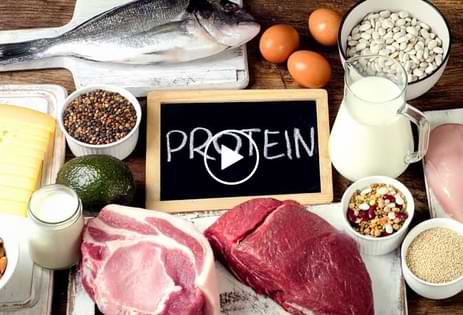
Plant Protein Powerhouses: A Handy Guide

For those exploring plant-based protein sources, here’s a list of protein-rich plant foods and their corresponding protein content:

  • Seitan: 21 grams per 3 ounces
  • Lentils: 18 grams per cup
  • Edamame: 17 grams per cup
  • Beans: 15 grams per cup
  • Chickpeas: 5 grams per cup
  • Veggie burger: 15 grams per patty
  • Tofu: 12 grams per 4 ounces
  • Spelt: 11 grams per cooked cup
  • Peas: 9 grams per cup
  • Hemp seeds: 9 grams per 3 tablespoons
  • Quinoa: 8 grams per cup
  • Nut butter: 8 grams per 2 tablespoons
  • Soy milk: 7 grams per cup
  • Seeds and nuts: 6 to 8 grams per ¼ cup

The Key Takeaway: Embrace Resistance Training and Protein Intake

In summary, it’s essential to incorporate resistance training into your lifestyle, especially if your job lacks physical demands. Muscle loss begins as early as a person’s late twenties, and without intervention, it can lead to a decline in functional abilities and independence in later life. By addressing lean mass preservation and strength gains early on, you can significantly improve your quality of life.

Meeting your daily protein requirements is equally crucial. Aim for at least 1.2 grams of protein per kilogram of body weight each day. If you struggle to attain this through your regular diet, consider incorporating protein powder shakes. While the study showcased the effectiveness of soy protein for vegans and vegetarians, there are various protein sources available to cater to individual preferences.

So, whether you opt for animal or plant-based protein, the key to building muscle and achieving lean mass lies in a combination of resistance training and sufficient protein intake.

Reference

Runners World, March 12, 2021 (Author: Slene Yeager)

[Read more here](https://www.runnersworld.com/news/a35807952/plant-protein-vs-animal-protein-for-muscle-gain-study/)

Eat Smart, Live Well, Look Great

Dr. Meschino

Dr. James Meschino

Dr. James Meschino

ABOUT THE AUTHOR

Dr. James Meschino, DC, MS, ROHP, is an educator, author, and researcher having lectured to thousands of healthcare professionals across North America. He holds a Master’s Degree in Science with specialties in human nutrition and biology and is recognized as an expert in the field of nutrition, anti-aging, fitness, and wellness as well as the author of numerous books.
Posted on

LMU 195 – Unveiling the Power of Ground Flaxseed: A Treasure Trove of Health Benefits

LMU-195

Unveiling the Power of Ground Flaxseed: A Treasure Trove of Health Benefits

Source: J Food Sci Technol (September 2014)

Lifestyle Medicine Update (March 11, 2021)

Introduction:

In a previous Lifestyle Medicine Update, we explored the remarkable advantages of supplementing with flaxseed oil, particularly its high content of the omega-3 fatty acid ALA (alpha-linolenic acid). This update continues our journey into the world of flaxseed by shedding light on the numerous health benefits that daily consumption of ground flaxseed can offer.

A Fiber-Rich Wonder: The Unique Qualities of Flaxseeds

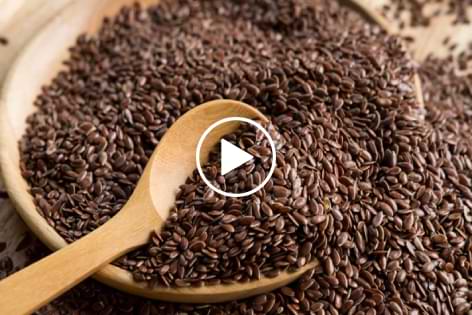
Flaxseeds, a humble yet extraordinary food source, pack a substantial punch when it comes to promoting good health. These tiny seeds are exceptionally rich in soluble fiber, which can help lower cholesterol levels and regulate blood sugar. Additionally, they are abundant in insoluble fiber, which can improve bowel regularity and benefit those dealing with irritable bowel syndrome.

One of the standout features of flaxseeds is their incredible lignan content. Lignans are natural compounds that possess potent antioxidant properties. Flaxseeds contain a whopping 800 times more lignans than any other food source on the planet. These unique lignans have a significant impact on health as they get metabolized by gut bacteria into two impressive phytonutrients known as enterolactone and enterodiol. These compounds are then absorbed into the bloodstream from the large intestine.

Enterolactone and Enterodiol: Nature’s Health Warriors

Enterolactone and enterodiol play a crucial role in counteracting the overstimulating effects of estrogen within the body. By doing so, they exhibit anti-proliferative effects, slowing down the rate of cell division – a pivotal step in preventing various forms of cancer. Ground flaxseed has demonstrated remarkable anti-cancer effects, particularly in breast, endometrial, and prostate cancer.

According to a 2014 review paper, “Flax lignans have shown promising effects in reducing the growth of cancerous tumors, especially hormone-sensitive ones such as those of the breast, endometrium, and prostate.”

Real-Life Impact: Ground Flaxseed in Action

The health benefits of ground flaxseed extend beyond research and theory. Clinical trials have shown its potential to reverse fibrocystic breast disease in women and slow the rate of cell division in prostate cancer patients awaiting surgery. These findings underscore the practical anti-proliferative effects of ground flaxseed in real-life scenarios.

Moreover, ground flaxseed has a positive impact on blood sugar regulation and cholesterol levels, making it beneficial not only for diabetics but for anyone looking to optimize these crucial health markers. Maintaining healthy fasting blood sugar, hemoglobin A1c, and LDL-cholesterol levels is essential for longevity and overall well-being.

A Personal Recommendation: Incorporating Ground Flaxseed Into Your Daily Routine

Embracing the numerous health benefits of ground flaxseed is as simple as incorporating two tablespoons into your daily routine. Whether you add it to your morning protein shake, sprinkle it on cereal, mix it into juices, or bake it into low-fat muffins and other baked goods, the versatility of ground flaxseed makes it a convenient and invaluable addition to your diet.

In summary, ground flaxseed is a true health and functional food superstar. Its high lignan content, fiber-rich composition, and proven anti-cancer properties make it an essential component of a comprehensive wellness and prevention program throughout adulthood.

Join us in recognizing the incredible health potential of this often-underappreciated gem – ground flaxseed.

References

  1. [Main Reference: “Flax and flaxseed oil: An ancient medicine & modern functional food.” J Food Sci Technol 214, 51(9):1633-1653](https://link.springer.com/article/10.1007/s13197-013-1247-9)
  2. [Flaxseed and Fibrocystic Breast Disease (Mastalgia)](https://www.researchgate.net/publication/317150397_Flaxseed_A_Good_Idea_for_Reduction_of_Mastalgia_Breast_Pain_and_Risk_of_Breast_Cancer)
  3. [Flaxseed and Breast Cancer Review (2018)](https://www.ncbi.nlm.nih.gov/pmc/articles/PMC5808339/)
  4. [Flaxseed and Prostate Cancer](https://www.naturalmedicinejournal.com/journal/2014-02/flaxseeds-reduce-prostate-cancer-aggressiveness)
Eat Smart, Live Well, Look Great
 

Dr. Meschino

Dr. James Meschino

Dr. James Meschino

ABOUT THE AUTHOR

Dr. James Meschino, DC, MS, ROHP, is an educator, author, and researcher having lectured to thousands of healthcare professionals across North America. He holds a Master’s Degree in Science with specialties in human nutrition and biology and is recognized as an expert in the field of nutrition, anti-aging, fitness, and wellness as well as the author of numerous books.