
Posted on

LMU 134 – Unlocking Longevity: Blood and Urine Clues to a Vibrant Life

LMU-134

LMU 134 – Unlocking Longevity: Blood and Urine Clues to a Vibrant Life

Source: The Journal of Gerontology (June 2012)

Lifestyle Medicine Update (July 6, 2019)

Introduction:

In the symphony of life, we all yearn for a prolonged and thriving existence—a journey marked by vitality, free from ailments, and brimming with vitality. In this pursuit, a groundbreaking study published in The Journal of Gerontology a few years ago uncovered a trio of blood and urine tests that serve as potent predictors of mobility disability and mortality as individuals advance in age. With data drawn from the Health Aging and Body Composition Study, encompassing over 2,000 non-disabled older individuals, this study illuminated a path to longevity that goes beyond the mere passage of years.

The Power of Insight: Unveiling Predictive Markers

Over the span of 11 to 12 years, this study embarked on a journey of discovery, delving into the lives of community-dwelling older individuals. Through meticulous blood and urine analyses, a trio of key indicators emerged as beacons of potential outcomes: Interleukin-6—an inflammatory chemical, fat oxidation products (8-iso-prostaglandin F24), and chemicals associated with heightened blood stickiness (11-dehydro-thromboxane B2). The revelations were profound, transcending gender boundaries.

Interleukin-6: The Inflammatory Harbinger

Drawing a vivid connection between inflammation and longevity, the study unveiled a significant correlation between higher blood levels of Interleukin-6 and augmented risks of mobility disability, severe mobility disability, and mortality. This inflammatory chemical, often associated with chronic diseases, emerged as a compass that could guide individuals away from the perils of compromised mobility and into the realm of health and vitality.

Unveiling Urine Clues: Fat Oxidation Products and Blood Stickiness

Venturing further, the study plunged into the realm of urine analysis, spotlighting fat oxidation products (8-iso-prostaglandin F24) and chemicals synonymous with increased blood stickiness (11-dehydro-thromboxane B2). The findings painted a sobering picture—higher urine levels of these compounds correlated with a significantly elevated risk of mortality. As these insights crystallize, the path to lasting wellness gains clarity.

Navigating the Terrain: Lifestyle and Longevity

As the curtain lifts on these predictive markers, an imperative question arises—how can individuals shape their destinies? The answer lies in the interplay of lifestyle and longevity. Dietary choices become architects of well-being, with the ability to influence blood and urine markers that chart one’s course. Steering clear of excess weight, embracing regular exercise, and avoiding trans-fats and saturated fats emerge as pillars of vitality. A diet rich in lean proteins such as poultry, fish, soy, and plant-based alternatives empowers individuals to lower inflammatory chemicals like Interleukin-6 and mitigate blood platelet stickiness.

Nutritional Allies: Fruits, Vegetables, and Legumes

The symphony of well-being extends to the realm of nutrition, where fruits, vegetables, and legumes emerge as virtuous allies. Laden with antioxidants, these dietary gems wield the power to curtail the release of inflammatory chemicals and fat oxidation products, fostering an environment of thriving health.

Aging Unveiled: Nurturing Longevity

In the lexicon of aging, a vital lesson emerges—holistic wellness is the key to a thriving existence. The canvas of longevity takes shape when healthy eating, regular exercise, and ideal weight converge. With these components harmoniously interwoven, blood and urine markers that foretell mobility disability and mortality gravitate towards a realm of optimal values. While the journey is not devoid of challenges, the dividends reaped over time are nothing short of transformational. A refrain echoes—the choices we make pave the way for a life of vibrancy.

Beyond the Horizon: The Essence of Wellness

In the quest for longevity, a tapestry of choices unravels—a tapestry woven from the threads of healthy living. While the markers explored in this study shed light on the path, the compass to vitality transcends mere figures. A smoke-free existence and a mindful approach to alcohol encompass the nuances of wellness. The narrative of longevity demands nuance, reflecting the myriad choices that shape our destiny.

References:

Cesari M et al. Oxidative damage, platelet activation, and inflammation to predict mobility disability and mortality in older persons: Results from the Health Aging and Body Composition Study. The Journal of Gerontology Series A, Volume 67A, Issue 6. June 2012: pages 671-676.

[https://academic.oup.com/biomedgerontology/article/67A/6/671/583247](https://academic.oup.com/biomedgerontology/article/67A/6/671/583247)


Eat Smart, Live Well, Look Great,

Dr. Meschino

Introduction:

In the symphony of life, we all yearn for a prolonged and thriving existence—a journey marked by vitality, free from ailments, and brimming with vitality. In this pursuit, a groundbreaking study published in The Journal of Gerontology a few years ago uncovered a trio of blood and urine tests that serve as potent predictors of mobility disability and mortality as individuals advance in age. With data drawn from the Health Aging and Body Composition Study, encompassing over 2,000 non-disabled older individuals, this study illuminated a path to longevity that goes beyond the mere passage of years.

The Power of Insight: Unveiling Predictive Markers

Over the span of 11 to 12 years, this study embarked on a journey of discovery, delving into the lives of community-dwelling older individuals. Through meticulous blood and urine analyses, a trio of key indicators emerged as beacons of potential outcomes: Interleukin-6—an inflammatory chemical, fat oxidation products (8-iso-prostaglandin F24), and chemicals associated with heightened blood stickiness (11-dehydro-thromboxane B2). The revelations were profound, transcending gender boundaries.

Interleukin-6: The Inflammatory Harbinger

Drawing a vivid connection between inflammation and longevity, the study unveiled a significant correlation between higher blood levels of Interleukin-6 and augmented risks of mobility disability, severe mobility disability, and mortality. This inflammatory chemical, often associated with chronic diseases, emerged as a compass that could guide individuals away from the perils of compromised mobility and into the realm of health and vitality.

Unveiling Urine Clues: Fat Oxidation Products and Blood Stickiness

Venturing further, the study plunged into the realm of urine analysis, spotlighting fat oxidation products (8-iso-prostaglandin F24) and chemicals synonymous with increased blood stickiness (11-dehydro-thromboxane B2). The findings painted a sobering picture—higher urine levels of these compounds correlated with a significantly elevated risk of mortality. As these insights crystallize, the path to lasting wellness gains clarity.

Navigating the Terrain: Lifestyle and Longevity

As the curtain lifts on these predictive markers, an imperative question arises—how can individuals shape their destinies? The answer lies in the interplay of lifestyle and longevity. Dietary choices become architects of well-being, with the ability to influence blood and urine markers that chart one’s course. Steering clear of excess weight, embracing regular exercise, and avoiding trans-fats and saturated fats emerge as pillars of vitality. A diet rich in lean proteins such as poultry, fish, soy, and plant-based alternatives empowers individuals to lower inflammatory chemicals like Interleukin-6 and mitigate blood platelet stickiness.

Nutritional Allies: Fruits, Vegetables, and Legumes

The symphony of well-being extends to the realm of nutrition, where fruits, vegetables, and legumes emerge as virtuous allies. Laden with antioxidants, these dietary gems wield the power to curtail the release of inflammatory chemicals and fat oxidation products, fostering an environment of thriving health.

Aging Unveiled: Nurturing Longevity

In the lexicon of aging, a vital lesson emerges—holistic wellness is the key to a thriving existence. The canvas of longevity takes shape when healthy eating, regular exercise, and ideal weight converge. With these components harmoniously interwoven, blood and urine markers that foretell mobility disability and mortality gravitate towards a realm of optimal values. While the journey is not devoid of challenges, the dividends reaped over time are nothing short of transformational. A refrain echoes—the choices we make pave the way for a life of vibrancy.

Beyond the Horizon: The Essence of Wellness

In the quest for longevity, a tapestry of choices unravels—a tapestry woven from the threads of healthy living. While the markers explored in this study shed light on the path, the compass to vitality transcends mere figures. A smoke-free existence and a mindful approach to alcohol encompass the nuances of wellness. The narrative of longevity demands nuance, reflecting the myriad choices that shape our destiny.

References:

Cesari M et al. Oxidative damage, platelet activation, and inflammation to predict mobility disability and mortality in older persons: Results from the Health Aging and Body Composition Study. The Journal of Gerontology Series A, Volume 67A, Issue 6. June 2012: pages 671-676.

[https://academic.oup.com/biomedgerontology/article/67A/6/671/583247](https://academic.oup.com/biomedgerontology/article/67A/6/671/583247)

Eat Smart, Live Well, Look Great,

Dr. Meschino

Dr. James Meschino

Dr. James Meschino

ABOUT THE AUTHOR

Dr. James Meschino, DC, MS, ROHP, is an educator, author, and researcher having lectured to thousands of healthcare professionals across North America. He holds a Master’s Degree in Science with specialties in human nutrition and biology and is recognized as an expert in the field of nutrition, anti-aging, fitness, and wellness as well as the author of numerous books.

Posted on

LMU 133 – Harnessing Glutamine: A Key Player in Immune Function

LMU-133

LMU 133 – Harnessing Glutamine: A Key Player in Immune Function

Source: Journal “Nutrients” (October 2018)

Lifestyle Medicine Update (June 28, 2019)

Introduction:

In the complex symphony of human health, immunity takes center stage, defending the body against invaders and maintaining equilibrium. Amid the chorus of immune cells, one amino acid stands out as a maestro—glutamine. Abundantly present in the body and sourced from a variety of protein-rich foods, glutamine’s multi-faceted role extends beyond mere nourishment. Among its myriad functions, a star role emerges—fuelling immune cells and bolstering immune function. As the spotlight shines on glutamine, its potential to fortify the immune response becomes a topic of intrigue and exploration.

Glutamine: The Unsung Hero of Immune Function

Within the expansive realm of amino acids, glutamine claims the throne as the most abundant. This amino acid, sourced from an array of protein-containing foods, dons many hats in the body. However, its most captivating role lies in fuelling the engines of the immune system. Immune cells, the sentinels of health, thrive on glutamine’s energy supply. A captivating aspect of glutamine’s contribution is its resilience under duress—when infections strike or the body succumbs to hypercatabolism, glutamine’s demand surges. Immune cells require this amino acid to function optimally, and any shortfall can tip the scales, leaving the immune system vulnerable and opening the door to negative health outcomes.

The Crucial Link: Glutamine Supplementation and Immune Resilience

The connection between glutamine and immune strength hasn’t gone unnoticed. In the realm of critical care and invasive surgeries, clinical trials have been unfurled to uncover the impact of glutamine supplementation. The results are promising, revealing a reduction in the risk of mortality, complications, and hospital stays for critically ill patients. As further studies unfold, the potential of glutamine supplementation gains ground, particularly during periods of immune duress. The indications are that under certain stressors, where the immune system bears the brunt, glutamine supplementation could emerge as an ally, curbing infections or aiding the immune system in its battle against ongoing infections.

Guardians of Stamina: Glutamine for Endurance Athletes

For endurance athletes who push their limits on the track or the road, the immune system often bears the brunt. Intense exercise training, while transformative, can compromise immunity, inviting a higher risk of upper respiratory tract infections. Enter glutamine—a potential solution. Studies indicate that supplementing with glutamine might tip the balance, reducing the incidence of these infections. As the findings illuminate this facet, glutamine asserts itself as a potential safeguard for athletes striving for peak performance without immune compromise.

Glutamine’s Role in Aging and Immunity

With aging, immunity can waver, leaving the body more susceptible to infections and diseases. Among the intricate players in this narrative, neutrophils—a crucial immune cell—take center stage. However, after the age of 60, these defenders lose their edge, rendering the body more vulnerable to threats. This is where glutamine enters the stage, supplying the raw materials required to boost the respiratory burst capacity of neutrophils. As an integral component of an anti-aging strategy, glutamine supplementation presents itself as a potential guardian of immune health.

Navigating Glutamine Supplementation: Considerations and Cautions

While the potential benefits of glutamine supplementation are enticing, a prudent approach is crucial. For those with autoimmune diseases, glutamine’s immune-stimulating effects warrant careful consideration. Moreover, the complex dynamics of cancer further paint a nuanced picture. While glutamine may bolster immune cells against cancer cells, it could inadvertently benefit certain cancer cells that feed on it. For cancer survivors or those battling the disease, alternative avenues like medicinal mushrooms might prove more prudent.

Incorporating Glutamine: A Balancing Act

In the grand tapestry of health, glutamine emerges as a potential thread, weaving immune strength and resilience. While it may not be the ultimate panacea, it holds promise as a strategic tool. During infections or periods of intense physical stress, glutamine supplementation—5 to 10 grams per day—could lend a supportive hand to the immune system’s battle. As studies continue to illuminate its potential, glutamine assumes its role as a potential guardian of immune function, ready to take its place in the quest for holistic well-being.

References:

  1. Cruzat V, Rogero MM, Keane KN, Curi R, Newsholme P. Glutamine: Metabolism and immune function, supplementation, and clinical translation. Nutrients. Oct 23, 2018 10(1): 1564 [https://www.ncbi.nlm.nih.gov/pmc/articles/PMC6266414/](https://www.ncbi.nlm.nih.gov/pmc/articles/PMC6266414/)
  2. Meils GC, ter Wengel N, Boelens PG, van Leeuwen PA. Glutamine; recent developments in research on the clinical significance of glutamine. Curr Opin Clin Nutr Metab Care. 2004 Jan;7(1):59-70 [https://www.ncbi.nlm.nih.gov/pubmed/15090905](https://www.ncbi.nlm.nih.gov/pubmed/15090905)
  3. [https://www.ncbi.nlm.nih.gov/pubmed/12589192](https://www.ncbi.nlm.nih.gov/pubmed/12589192)

Eat Smart, Live Well, Look Great,

Dr. Meschino

Dr. James Meschino

Dr. James Meschino

ABOUT THE AUTHOR

Dr. James Meschino, DC, MS, ROHP, is an educator, author, and researcher having lectured to thousands of healthcare professionals across North America. He holds a Master’s Degree in Science with specialties in human nutrition and biology and is recognized as an expert in the field of nutrition, anti-aging, fitness, and wellness as well as the author of numerous books.

Posted on

LMU 132 – Unveiling the Immune Modulator: Vitamin D’s Role in Autoimmune Health

LMU-132

LMU 132 – Unveiling the Immune Modulator: Vitamin D's Role in Autoimmune Health

Source: Frontiers in Immunology (March 2019)

Lifestyle Medicine Update (June 15, 2019)

Introduction:

The intricate dance of the human immune system is a delicate balance that safeguards the body against invaders while preserving its own tissues. However, for around 6% of the population plagued by autoimmune diseases, this balance falters, leading to the immune system’s misdirected assault on its own cells. The emergence of new drugs in recent years has transformed the management of these conditions, but there’s an unexpected addition to the arsenal—vitamin D supplementation. In the evolving landscape of autoimmune health, vitamin D has emerged as a potential game-changer, with mounting evidence of its pivotal role in taming the immune response.

Autoimmune Ailments: The Battle Within

Autoimmune diseases cast a shadow over the lives of millions, as the immune system turns traitor, attacking normal tissues instead of defending them. From lupus to rheumatoid arthritis, these conditions can disrupt lives and health. In a bid to alleviate the burden, researchers and healthcare professionals have been exploring novel strategies, leading to the development of new drugs that tackle autoimmune conditions head-on. Amid these advancements, an unexpected contender has taken center stage—vitamin D.

Vitamin D’s Immune Influence: Unveiling the Mechanism

In recent years, the scientific community has uncovered a hitherto unforeseen facet of vitamin D’s role—it wields a direct impact on a specific type of immune cell known as dendritic cells. These cells are key instigators in the autoimmune process when they deviate from their intended path. Vitamin D, it seems, can step in as a regulator, influencing dendritic cells’ behavior. Research has highlighted the vitamin’s ability to inhibit the production and expression of co-stimulatory molecules and specific receptors on dendritic cells, molecules that fan the flames of inflammation, a hallmark of autoimmune diseases. By restraining these inflammation-propelling elements, vitamin D exerts a calming influence on the autoimmune cascade.

A New Chapter: Vitamin D and CD31 Adhesion Molecule

The narrative takes an intriguing turn in the March issue of the journal Frontiers in Immunology, where researchers unveil another layer of vitamin D’s immune-modulating prowess. Their study unveils a previously unknown role—encouraging dendritic cells to exhibit a molecule on their surface, known as the CD31 adhesion molecule. This molecule serves as a direct messenger of anti-inflammation to another key player in the immune symphony—the CD4 cell. In the tumult of autoimmune disease, dendritic cells and their counterparts orchestrate the transformation of CD4 cells into aggressive warriors that unleash torrents of inflammatory substances, triggering a domino effect of immune turmoil. By fostering the expression of CD31 molecules on dendritic cells’ surfaces, vitamin D indirectly communicates with CD4 cells, hindering them from rallying the immune troops against the body’s own tissues. CD31 assumes the role of an inhibitory messenger, curbing the inflammatory chorus that characterizes autoimmune conditions.

Clinical Wisdom: The Role of Rheumatologists

In the field of rheumatology, where autoimmune diseases hold sway, healthcare professionals are embracing the potential of vitamin D as a complementary tool. It’s not uncommon for rheumatologists to incorporate vitamin D supplementation into their treatment regimens. The rationale is clear—vitamin D’s multifaceted influence on the immune response resonates with the complex tapestry of autoimmune conditions. While a general guideline of 2,000 IU of vitamin D per day is often recommended, personalized approaches are gaining traction. Tailoring dosages based on the specific autoimmune disease and individual vitamin D levels optimizes the potential benefits.

From Prevention to Intervention: Vitamin D’s Spectrum

The connection between vitamin D levels and autoimmune risk is a subject of growing interest. Low vitamin D levels are closely associated with heightened susceptibility to autoimmune diseases. For those aiming at prevention, maintaining vitamin D blood levels within the range of 80 to 150 nmol/L (32 – 60 ng/ml) could be a strategic step. As the pieces of the puzzle fall into place, it’s becoming evident that vitamin D’s impact extends beyond immune modulation—it’s a guardian of autoimmune health.

Conclusion: A Promising Path Forward

As science delves deeper into the intricate nuances of the immune system, the role of vitamin D becomes ever more captivating. Its influence on dendritic cells and CD4 cells paints a vivid picture of immune orchestration. While vitamin D is not a panacea, it’s undoubtedly a piece of the puzzle in the realm of autoimmune health. As healthcare professionals fine-tune treatment plans and individuals strive for proactive wellness, vitamin D emerges as a potential ally, offering hope and new avenues in the fight against autoimmune diseases.

References:

Louise Saul, Iris Mair, Alasdair Ivens, Pamela Brown, Kay Samuel, John D. M. Campbell, Daniel Y. Soong, Nadine Kamenjarin, Richard J. Mellanby. 1,25- dihydroxyvitamin D3 Restrains CD4 T Cell Priming Ability of CD11c Dendritic Cells by Upregulating Expression of CD31. Frontiers in Immunology, 2019; 10.3389/fimmu.2019.00600


Eat Smart, Live Well, Look Great

Dr. Meschino

Introduction:

The intricate dance of the human immune system is a delicate balance that safeguards the body against invaders while preserving its own tissues. However, for around 6% of the population plagued by autoimmune diseases, this balance falters, leading to the immune system’s misdirected assault on its own cells. The emergence of new drugs in recent years has transformed the management of these conditions, but there’s an unexpected addition to the arsenal—vitamin D supplementation. In the evolving landscape of autoimmune health, vitamin D has emerged as a potential game-changer, with mounting evidence of its pivotal role in taming the immune response.

Autoimmune Ailments: The Battle Within

Autoimmune diseases cast a shadow over the lives of millions, as the immune system turns traitor, attacking normal tissues instead of defending them. From lupus to rheumatoid arthritis, these conditions can disrupt lives and health. In a bid to alleviate the burden, researchers and healthcare professionals have been exploring novel strategies, leading to the development of new drugs that tackle autoimmune conditions head-on. Amid these advancements, an unexpected contender has taken center stage—vitamin D.

Vitamin D’s Immune Influence: Unveiling the Mechanism

In recent years, the scientific community has uncovered a hitherto unforeseen facet of vitamin D’s role—it wields a direct impact on a specific type of immune cell known as dendritic cells. These cells are key instigators in the autoimmune process when they deviate from their intended path. Vitamin D, it seems, can step in as a regulator, influencing dendritic cells’ behavior. Research has highlighted the vitamin’s ability to inhibit the production and expression of co-stimulatory molecules and specific receptors on dendritic cells, molecules that fan the flames of inflammation, a hallmark of autoimmune diseases. By restraining these inflammation-propelling elements, vitamin D exerts a calming influence on the autoimmune cascade.

A New Chapter: Vitamin D and CD31 Adhesion Molecule

The narrative takes an intriguing turn in the March issue of the journal Frontiers in Immunology, where researchers unveil another layer of vitamin D’s immune-modulating prowess. Their study unveils a previously unknown role—encouraging dendritic cells to exhibit a molecule on their surface, known as the CD31 adhesion molecule. This molecule serves as a direct messenger of anti-inflammation to another key player in the immune symphony—the CD4 cell. In the tumult of autoimmune disease, dendritic cells and their counterparts orchestrate the transformation of CD4 cells into aggressive warriors that unleash torrents of inflammatory substances, triggering a domino effect of immune turmoil. By fostering the expression of CD31 molecules on dendritic cells’ surfaces, vitamin D indirectly communicates with CD4 cells, hindering them from rallying the immune troops against the body’s own tissues. CD31 assumes the role of an inhibitory messenger, curbing the inflammatory chorus that characterizes autoimmune conditions.

Clinical Wisdom: The Role of Rheumatologists

In the field of rheumatology, where autoimmune diseases hold sway, healthcare professionals are embracing the potential of vitamin D as a complementary tool. It’s not uncommon for rheumatologists to incorporate vitamin D supplementation into their treatment regimens. The rationale is clear—vitamin D’s multifaceted influence on the immune response resonates with the complex tapestry of autoimmune conditions. While a general guideline of 2,000 IU of vitamin D per day is often recommended, personalized approaches are gaining traction. Tailoring dosages based on the specific autoimmune disease and individual vitamin D levels optimizes the potential benefits.

From Prevention to Intervention: Vitamin D’s Spectrum

The connection between vitamin D levels and autoimmune risk is a subject of growing interest. Low vitamin D levels are closely associated with heightened susceptibility to autoimmune diseases. For those aiming at prevention, maintaining vitamin D blood levels within the range of 80 to 150 nmol/L (32 – 60 ng/ml) could be a strategic step. As the pieces of the puzzle fall into place, it’s becoming evident that vitamin D’s impact extends beyond immune modulation—it’s a guardian of autoimmune health.

Conclusion: A Promising Path Forward

As science delves deeper into the intricate nuances of the immune system, the role of vitamin D becomes ever more captivating. Its influence on dendritic cells and CD4 cells paints a vivid picture of immune orchestration. While vitamin D is not a panacea, it’s undoubtedly a piece of the puzzle in the realm of autoimmune health. As healthcare professionals fine-tune treatment plans and individuals strive for proactive wellness, vitamin D emerges as a potential ally, offering hope and new avenues in the fight against autoimmune diseases.

References:

Louise Saul, Iris Mair, Alasdair Ivens, Pamela Brown, Kay Samuel, John D. M. Campbell, Daniel Y. Soong, Nadine Kamenjarin, Richard J. Mellanby. 1,25- dihydroxyvitamin D3 Restrains CD4 T Cell Priming Ability of CD11c Dendritic Cells by Upregulating Expression of CD31. Frontiers in Immunology, 2019; 10.3389/fimmu.2019.00600

Eat Smart, Live Well, Look Great

Dr. Meschino

Dr. James Meschino

Dr. James Meschino

ABOUT THE AUTHOR

Dr. James Meschino, DC, MS, ROHP, is an educator, author, and researcher having lectured to thousands of healthcare professionals across North America. He holds a Master’s Degree in Science with specialties in human nutrition and biology and is recognized as an expert in the field of nutrition, anti-aging, fitness, and wellness as well as the author of numerous books.

Posted on

LMU 131 – The Unexpected Link: Glucosamine’s Heart-Protective Potential

LMU-131

LMU 131 – The Unexpected Link: Glucosamine's Heart-Protective Potential

Source: British Medical Journal (May 2019)

Lifestyle Medicine Update (June 5, 2019)

Introduction:

In the realm of health and wellness, the pursuit of effective strategies to prevent chronic conditions like joint arthritis is a common endeavor. However, a recent revelation has emerged, bridging the gap between joint health and cardiovascular wellness. A study published in the British Medical Journal in May 2019 has unearthed an intriguing connection—the possibility that regular glucosamine supplementation, often sought to manage joint pain and stiffness, might also harbor the potential to reduce the risk of heart attacks and strokes by an impressive 22%. This unexpected link beckons further exploration into the multifaceted benefits of glucosamine, underscoring its potential as a heart-protective agent.

From Joint Health to Heart Health: A Startling Discovery

Amid the panorama of health supplements, glucosamine has garnered popularity as a go-to remedy for joint-related ailments, with around 20% of adults aged 40 to 69 years turning to its potential benefits. However, the narrative took an unexpected turn with the emergence of a groundbreaking study in the British Medical Journal. The study delves into uncharted territory, suggesting that glucosamine’s effects may extend beyond joint health, encompassing the realm of cardiovascular wellness. Intriguingly, individuals who embraced daily glucosamine supplementation to alleviate joint discomfort were met with an astonishing revelation—their propensity to develop heart disease or experience a stroke was notably diminished.

Scientific Exploration: The Method Behind the Revelation

To unravel this intricate web of connections, researchers embarked on a rigorous journey. Their path involved analyzing the dietary patterns and lifestyles of a vast cohort of almost half a million adults aged 40 to 69 in the UK. This diverse group was followed for an average of seven years, allowing the researchers to discern patterns and correlations. The study’s scope extended beyond the realm of joint health, encompassing cardiovascular events, painting a comprehensive picture of the potential interplay between glucosamine supplementation and heart health.

Variables Considered: A Multifaceted Perspective

The research methodology left no stone unturned, considering an array of variables that could sway the outcomes. Factors ranging from age, gender, race, income, smoking, alcohol consumption, body mass index, body weight, physical activity levels, and dietary habits to the presence or absence of diabetes, high cholesterol, and high blood pressure were meticulously considered. The goal was to isolate the potential impact of glucosamine supplementation from the myriad factors that influence heart health.

The Revelation: A 22% Reduction in Risk

The study’s results unveiled a remarkable connection—one that holds the promise of transforming heart health paradigms. Those who faithfully incorporated glucosamine supplementation into their daily routines experienced a significant 22% reduction in the risk of mortality due to heart attacks or strokes. However, the researchers approach their findings with caution, acknowledging the complexity of the human body’s responses and the need for further exploration. Their statement underscores the necessity for clinical trials to substantiate the hypothesis and unlock the mechanisms that underlie this intriguing link.

Beyond the Study: The Science of Possibilities

This newfound correlation between glucosamine and cardiovascular wellness finds support from the scientific realm. Animal studies have unearthed a realm of possibilities, revealing that glucosamine may hold the power to extend lifespan and furnish protective effects against the onset of cardiovascular diseases. The substance’s potent anti-inflammatory properties serve as a plausible explanation for these findings. However, the intrigue doesn’t stop there. The researchers unveil the multifaceted nature of glucosamine’s potential, underscoring properties that could contribute to a reduced risk of heart attacks and strokes.

A Balancing Act: Realizing the Potential

While the findings of this study hold promise, it’s essential to view them within a broader context. The researchers emphasize the need for additional evidence before conclusively affirming glucosamine’s role in preventing heart diseases. The paramount importance of holistic heart health cannot be understated. Managing known risk factors, from cholesterol levels to blood pressure, and embracing a healthy lifestyle encompassing exercise, cessation of smoking, and balanced nutrition remain pivotal.

Conclusion: A Promising Pathway

As the curtain falls on this chapter of scientific inquiry, a newfound appreciation for glucosamine emerges—a substance that transcends its role in joint health. While not a standalone solution, the potential of glucosamine as a heart-protective agent is a beacon of hope. This revelation adds another proactive layer to the pursuit of cardiovascular wellness, offering individuals a potential avenue to complement their efforts and lower the risk of heart attacks and strokes.

References:

Ma, H., Li, X., Zhou, T., et al. The BMJ: Association of habitual glucosamine use with risk of cardiovascular disease: Prospective study in UK Biobank.

Eat Smart, Live Well, Look Great,

Dr. Meschino

Dr. James Meschino

Dr. James Meschino

ABOUT THE AUTHOR

Dr. James Meschino, DC, MS, ROHP, is an educator, author, and researcher having lectured to thousands of healthcare professionals across North America. He holds a Master’s Degree in Science with specialties in human nutrition and biology and is recognized as an expert in the field of nutrition, anti-aging, fitness, and wellness as well as the author of numerous books.
Posted on

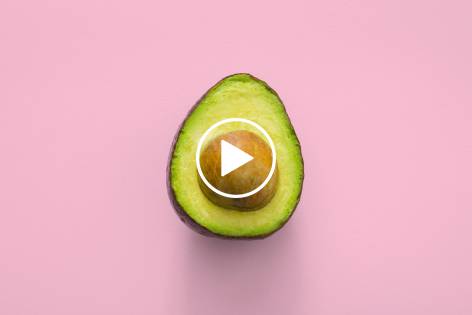
LMU 130 – A Weight Loss Revelation: Avocadoes as Satiety Powerhouses

LMU-130

LMU 130 – A Weight Loss Revelation: Avocadoes as Satiety Powerhouses

Source: Journal Nutrients (March 2019)

Lifestyle Medicine Update (May 24, 2019)

Introduction

In the dynamic realm of dietary science, a groundbreaking revelation has emerged—a secret weapon in the battle against excess weight. The unsuspecting hero of this narrative is none other than the avocado, a nutrient-packed fruit that boasts a plethora of benefits beyond its creamy texture and delectable taste. A study published in the journal Nutrients in March 2019 has unearthed the transformative potential of substituting avocadoes for starchy carbohydrates in meals, illuminating a path towards weight loss without hunger pangs or deprivation. This strategy, in addition to aiding weight management, showcases the ability to tame blood sugar levels and mitigate the risk of both diabetes and cardiovascular diseases.

The Trial of Transformation: Avocadoes vs. Carbohydrates

This groundbreaking study embarked on a scientific expedition involving 31 overweight participants, exploring the consequences of three distinct diets in a randomized, 3-arm, 6-hour crossover clinical trial. The diets under scrutiny included a popular low-fat, high-carbohydrate regimen, alongside an intriguing variation—substituting avocadoes, despite their high fat content, for carbohydrates in a meal. The outcomes were nothing short of remarkable. Overweight subjects, traditionally burdened by the woes of dieting, experienced a paradigm shift in their journey towards weight management.

The Nourishing Equation: Fat, Fiber, and Satiety

Avocadoes, heralded for their rich fat content, reveal a captivating facet in the world of nutrition. Despite the common notion that fats are adversaries in weight loss pursuits, avocadoes defy convention. Their fat profile is primarily dominated by monounsaturated fat, often referred to as oleic acid—a heart-healthy component. In addition to this, avocadoes boast a substantial fiber content, enhancing their appeal as a satiety powerhouse. For instance, a mere 100 grams of avocado or a cupful contains approximately 160 calories, accompanied by a generous dose of monounsaturated fat and an impressive 7 grams of fiber. Furthermore, despite their calorie content, avocadoes exhibit low carbohydrate sugar calories, rendering them an ally in weight management efforts.

Satiety Unveiled: The Role of Monounsaturated Fat

Intriguingly, the study illuminates the concept of satiety—a sensation of post-meal satisfaction that transcends mere fullness. Avocadoes, with their monounsaturated fat and fiber synergy, emerge as a beacon of satiety, extending their embrace long after the meal is over. Unlike starchy carbohydrates that induce rapid spikes in blood sugar levels, avocadoes orchestrate a gradual and sustainable release of energy. This phenomenon not only curbs hunger but also contributes to stable blood sugar levels—an essential aspect in diabetes prevention.

The Heart-Healthy Symphony: Monounsaturated Fat and Cardiovascular Health

Diving into the realm of cardiovascular health, the study uncovers a symphony of benefits orchestrated by the monounsaturated fat content of avocadoes. Contrary to the concerns often associated with dietary fats, the monounsaturated fat found in these green wonders doesn’t trigger excessive cholesterol production, steering clear of the risks posed by saturated and trans fats. As a result, avocadoes stand as a guardian against elevated blood cholesterol levels, heart disease, and stroke—an ensemble that lends itself to a healthier, more resilient heart.

The Weight Loss Paradox: Appetite Suppression and Metabolic Enhancement

Intriguingly, the study heralds a paradox—substituting avocadoes, relatively high in fat, for carbohydrates actually aids weight loss endeavors. This transformative phenomenon is rooted in the prolonged satiety offered by avocadoes, ensuring a sustained gap between meals. Moreover, this dietary swap ushers in a cascade of benefits for internal physiology. The study’s revelations extend beyond the realm of weight management, delving into metabolic enhancement. As blood sugar and insulin levels experience modulation, the risk of diabetes diminishes, ushering a protective shield against this formidable ailment.

Embracing the Green Revolution: Rethinking Meal Components

Armed with the revelations of this study, a tangible strategy emerges—a strategy that invites a paradigm shift in meal planning. The substitution of avocadoes for conventional starchy carbohydrates embodies a culinary revolution. Whether it’s swapping rice, bread, pasta, or even indulgent French fries with avocadoes, this approach redefines meal components, making weight management an achievable and gratifying endeavor.

Conclusion: Elevating Wellness Through Culinary Innovation

As the curtain falls on this culinary saga, an aura of empowerment lingers—a transformational journey that reimagines weight loss through the prism of avocadoes. Beyond their indulgent taste, these fruits encapsulate the essence of sustainable weight management. The study’s resounding message resonates—a simple dietary switch can usher in profound health benefits, from satiety and blood sugar regulation to diabetes prevention and cardiovascular protection. Embracing this green revolution ignites a path towards optimal wellness—one meal at a time.

References:

Lanjun Zhu, Yancui Huang, Indika Edirisinghe, Eunyoung Park, Britt Burton-Freeman. Using the Avocado to Test the Satiety Effects of a Fat-Fiber Combination in Place of Carbohydrate Energy in a Breakfast Meal in Overweight and Obese Men and Women: A Randomized Clinical Trial. Nutrients, 2019; 11 (5): 952. [doi:10.3390/nu11050952](https://doi.org/10.3390/nu11050952)


Eat Smart, Live Well, Look Great,

Dr. Meschino

Dr. James Meschino

Dr. James Meschino

ABOUT THE AUTHOR

Dr. James Meschino, DC, MS, ROHP, is an educator, author, and researcher having lectured to thousands of healthcare professionals across North America. He holds a Master’s Degree in Science with specialties in human nutrition and biology and is recognized as an expert in the field of nutrition, anti-aging, fitness, and wellness as well as the author of numerous books.

Posted on

LMU 129 – Creatine Improves Neurocognition in Vegetarians

LMU-129

LMU 129 – Enhancing Brain Power: The Role of Creatine in Vegetarian Diets

Source: The American Physiology Society Press Release (April 8, 2019)

Lifestyle Medicine Update (May 16, 2019)

Introduction

In the realm of dietary choices, a noteworthy trend is emerging among the younger generation—a shift towards embracing a more vegetarian lifestyle. Whether driven by health concerns, ethical values, or environmental consciousness, this shift signifies a profound shift in dietary landscapes. While the benefits of a vegetarian diet are aplenty, one aspect often remains overlooked—the impact on a vital nutrient called creatine. Exploring the interplay between vegetarian diets, brain health, and creatine supplementation uncovers a fascinating narrative of nourishment and cognition.

The Nutrient Mosaic: Vegetarian Diets and Creatine

The symphony of reasons steering individuals towards vegetarianism is diverse—health and ethical considerations find their harmonious place. Health-wise, vegetarians boast a lower incidence of several cancers, heart disease, and cardiovascular ailments. Ethical motivations often revolve around animal welfare and environmental stewardship. However, within this harmonious tapestry lies a potential gap—a deficiency in creatine, an essential nutrient for both muscles and the brain.

Unveiling Creatine’s Dual Role: Muscles and Mind

Creatine’s dual role is a tale of two vital domains—muscles and the mind. Muscles rely on creatine for lean mass support, muscle growth, and strength. Meanwhile, the brain finds its ally in creatine, which fuels energy production and sustains optimal cognitive function. The dichotomy lies in the origin of creatine-rich sources—meat, pork, poultry, and fish. Studies reveal that individuals consuming these animal protein foods exhibit higher brain cell creatine content compared to their vegetarian counterparts.

Research Voyage: Creatine Supplementation and Neurocognitive Enhancement

Embarking on a research voyage, a team from Stetson University in Florida embarked on a study that could potentially bridge the creatine gap in vegetarians. Enter creatine supplementation—the spotlight of the study. The methodology was elegant in its simplicity—vegetarian participants underwent neurocognitive testing (ImPACT Test) before and after a four-week creatine supplementation period. The results ignited intrigue—those who incorporated creatine supplements demonstrated significant enhancement in neurocognitive scores.

The Luminary Role of Creatine: Boosting Neurocognitive Function

Delving deeper, one must grasp the significance of neurocognitive function—a grand orchestra of cognitive faculties encompassing concentration, memory, information processing, learning, speech, and comprehension. Creatine, as the study underscores, acts as a conductor for this orchestra, orchestrating an improvement in these essential brain functions. Curiously, the same enhancement was not observed in meat eaters who consumed creatine, as their diet already provided ample reserves of this brain-boosting nutrient.

A Creative Resolution: Embracing Creatine Supplementation

For those journeying down the vegetarian path or embracing a predominantly plant-based diet, the crevices of creatine deficiency beckon a creative resolution—creatine supplementation. Often available in powder form, this nutrient can be seamlessly incorporated into daily rituals. A fusion of 1-2 teaspoons into a juice concoction or protein shake serves as an elixir for optimal neurocognitive function. Beyond its cognitive prowess, creatine also stands guard against age-related muscle decline, safeguarding lean mass.

Conclusion: Nourishing the Mind and Muscles

As the final chord resonates, a harmonious narrative emerges—a narrative of nourishment. The decision to embrace vegetarianism carries profound implications for health, ethics, and the environment. Yet, nestled within this virtuous journey is the art of balancing nutrient scales. Creatine, an unsung hero, bridges the gap, supporting brain function and muscle vitality. In this dietary symphony, creativity manifests as creatine supplementation—a pathway to fortify both mind and muscles.

References:

The American Physiology Society Press Release (annual meeting at Experimental Biology 2019 in Orlando, Florida). April 8, 2019.

[Research Link](https://www.researchgate.net/publication/49646067_The_influence_of_creatine_supplementation_on_the_cognitive_functioning_of_vegetarians_and_omnivores)


Eat Smart, Live Well, Look Great,

Dr. Meschino

Dr. James Meschino

Dr. James Meschino

ABOUT THE AUTHOR

Dr. James Meschino, DC, MS, ROHP, is an educator, author, and researcher having lectured to thousands of healthcare professionals across North America. He holds a Master’s Degree in Science with specialties in human nutrition and biology and is recognized as an expert in the field of nutrition, anti-aging, fitness, and wellness as well as the author of numerous books.
Posted on

LMU 128 – The Cholesterol-Reducing Powers of Soy Protein: A Melodic Symphony of Heart Health

LMU-128

LMU 128 – The Cholesterol-Reducing Powers of Soy Protein: A Melodic Symphony of Heart Health

Source: Journal of Nutrition (April 2019)

Lifestyle Medicine Update (May 8, 2019)

Introduction:

In the grand tapestry of health, dietary choices often take center stage. Among the diverse array of nutritional symphonies, one instrumental piece has gained renewed prominence—a study published in the esteemed Journal of Nutrition in April 2019. This study, akin to a melodic composition, unravels the harmonious relationship between soy protein and cholesterol levels, resonating with profound implications for heart health.

The Prelude: A Meta-Analysis of Promise

The symphony’s overture opens with a meta-analysis—an ensemble of 46 studies orchestrated by researchers from St. Michael’s Hospital in Toronto. The focus? The delicate interplay between soy intake and cholesterol levels. As the curtains rise, these researchers delve into a comprehensive review of the clinical landscape, seeking the crescendo of evidence that underscores soy’s potential in lowering the notorious “bad cholesterol” (LDL-cholesterol) and total blood cholesterol levels.

Resonating Harmonies: Soy’s Cholesterol-Reducing Cadence

In the realm of heart health, soy emerges as a virtuoso, serenading LDL-cholesterol levels with a symphony of reduction. As the research spotlight shines on 41 trials, the melody becomes clear—soy protein possesses the prowess to quell LDL-cholesterol, the cholesterol variant infamous for fostering arterial plaque buildup. A three to four percent reduction in LDL cholesterol emerges as a subtle yet significant transformation.

The Counterpoint: Soy as a Sublime Substitute

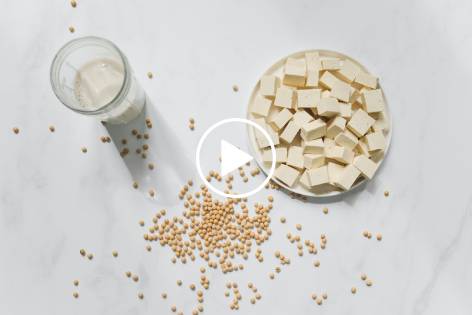
Yet, within this composition, an elegant counterpoint emerges. The allure of soy protein extends beyond its direct effects—it resides in its power to replace protein sources laden with saturated fats. Imagine the culinary tableau—a vibrant vegetable stir-fry infused with tofu, a veggie burger sizzling with possibility, or the embrace of textured vegetable protein in lieu of meat-based indulgences. In this elegant exchange, soy protein stands as a guardian of heart health, lowering LDL-cholesterol while thwarting the ascent of cholesterol-raising saturated fats found in meats.

The Refrain: A Cholesterol-Lowering Cadence

This chorus of soy’s potential is not confined to individual meals—it spans the melodic journey of a consistent dietary practice. As soy’s harmonies continue to resonate, the lead researcher, Dr. Jenkins, underscores the importance of this dietary cadence. He likens this harmony to the recently released Food Guide by Health Canada, a harmonious symphony that underscores the value of plant protein consumption.

Conclusion: Orchestrating Heart Health

As the final notes of this nutritional symphony fade into the realm of possibility, they linger with a poignant truth. The dietary choices we make are not mere culinary whims but powerful compositions that shape the harmonies of our health. The study’s revelation shines a spotlight on soy protein’s role as a virtuoso in the realm of cholesterol reduction, painting a lyrical picture of heart health and paving the way for plant-based melodies to resound in the dietary landscape.

References:

Sonia Blanco Mejia, Mark Messina, Siying S Li, Effie Viguiliouk, Laura Chiavaroli, Tauseef A Khan, Korbua Srichaikul, Arash Mirrahimi, John L Sievenpiper, Penny Kris-Etherton, David J A Jenkins. A Meta-Analysis of 46 Studies Identified by the FDA Demonstrates that Soy Protein Decreases Circulating LDL and Total Cholesterol Concentrations in Adults. *The Journal of Nutrition*, 2019.
[Link](https://academic.oup.com/jn/article/149/6/968/5426307)


Eat Smart, Live Well, Look Great,

Dr. Meschino

Introduction

In the grand tapestry of health, dietary choices often take center stage. Among the diverse array of nutritional symphonies, one instrumental piece has gained renewed prominence—a study published in the esteemed Journal of Nutrition in April 2019. This study, akin to a melodic composition, unravels the harmonious relationship between soy protein and cholesterol levels, resonating with profound implications for heart health.

The Prelude: A Meta-Analysis of Promise

The symphony’s overture opens with a meta-analysis—an ensemble of 46 studies orchestrated by researchers from St. Michael’s Hospital in Toronto. The focus? The delicate interplay between soy intake and cholesterol levels. As the curtains rise, these researchers delve into a comprehensive review of the clinical landscape, seeking the crescendo of evidence that underscores soy’s potential in lowering the notorious “bad cholesterol” (LDL-cholesterol) and total blood cholesterol levels.

Resonating Harmonies: Soy’s Cholesterol-Reducing Cadence

In the realm of heart health, soy emerges as a virtuoso, serenading LDL-cholesterol levels with a symphony of reduction. As the research spotlight shines on 41 trials, the melody becomes clear—soy protein possesses the prowess to quell LDL-cholesterol, the cholesterol variant infamous for fostering arterial plaque buildup. A three to four percent reduction in LDL cholesterol emerges as a subtle yet significant transformation.

The Counterpoint: Soy as a Sublime Substitute

Yet, within this composition, an elegant counterpoint emerges. The allure of soy protein extends beyond its direct effects—it resides in its power to replace protein sources laden with saturated fats. Imagine the culinary tableau—a vibrant vegetable stir-fry infused with tofu, a veggie burger sizzling with possibility, or the embrace of textured vegetable protein in lieu of meat-based indulgences. In this elegant exchange, soy protein stands as a guardian of heart health, lowering LDL-cholesterol while thwarting the ascent of cholesterol-raising saturated fats found in meats.

The Refrain: A Cholesterol-Lowering Cadence

This chorus of soy’s potential is not confined to individual meals—it spans the melodic journey of a consistent dietary practice. As soy’s harmonies continue to resonate, the lead researcher, Dr. Jenkins, underscores the importance of this dietary cadence. He likens this harmony to the recently released Food Guide by Health Canada, a harmonious symphony that underscores the value of plant protein consumption.

Conclusion: Orchestrating Heart Health

As the final notes of this nutritional symphony fade into the realm of possibility, they linger with a poignant truth. The dietary choices we make are not mere culinary whims but powerful compositions that shape the harmonies of our health. The study’s revelation shines a spotlight on soy protein’s role as a virtuoso in the realm of cholesterol reduction, painting a lyrical picture of heart health and paving the way for plant-based melodies to resound in the dietary landscape.

References:

Sonia Blanco Mejia, Mark Messina, Siying S Li, Effie Viguiliouk, Laura Chiavaroli, Tauseef A Khan, Korbua Srichaikul, Arash Mirrahimi, John L Sievenpiper, Penny Kris-Etherton, David J A Jenkins. A Meta-Analysis of 46 Studies Identified by the FDA Demonstrates that Soy Protein Decreases Circulating LDL and Total Cholesterol Concentrations in Adults. *The Journal of Nutrition*, 2019.
[Link](https://academic.oup.com/jn/article/149/6/968/5426307)

Eat Smart, Live Well, Look Great,

Dr. Meschino

Dr. James Meschino

Dr. James Meschino

ABOUT THE AUTHOR

Dr. James Meschino, DC, MS, ROHP, is an educator, author, and researcher having lectured to thousands of healthcare professionals across North America. He holds a Master’s Degree in Science with specialties in human nutrition and biology and is recognized as an expert in the field of nutrition, anti-aging, fitness, and wellness as well as the author of numerous books.
Posted on

LMU 127 – Crafting a Balanced Morning Symphony: The Power of Low-Carb Breakfasts for Blood Sugar Control

LMU-127

LMU 127 – Crafting a Balanced Morning Symphony: The Power of Low-Carb Breakfasts for Blood Sugar Control

Source: American Journal of Clinical Nutrition (April 2019)

Lifestyle Medicine Update (April 26, 2019)

Introduction

The dawn of a new day often ushers in a chorus of health decisions, and none may be more pivotal than the one that graces your breakfast table. A study unveiled in the pages of the April 2019 edition of the esteemed American Journal of Clinical Nutrition harmoniously resonates with a principle long embraced by health practitioners and individuals navigating the terrain of effective weight loss and blood sugar regulation. This principle, elegant in its simplicity, illuminates a path less travelled—the realm of low-carb breakfasts.

The Overture: Unveiling the Truth

In a world where health fads and dietary dogmas flourish, science’s steady rhythm provides a beacon of clarity. This study, akin to a musical overture, assembles data from various corners of knowledge—a mosaic crafted from the experiences of  overweight type 2 diabetics. The spotlight falls on the potent role of breakfast choices, which not only wield the power to sway blood sugar but also influence the appetite’s cadence throughout the day.

Challenging Oatmeal’s Aura: The Carb Conundrum

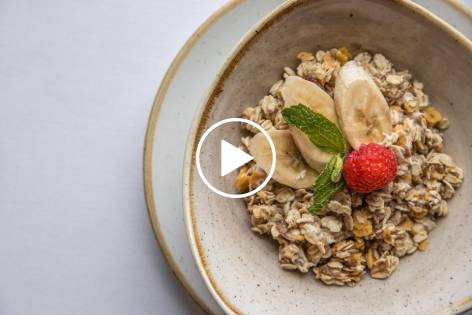
Amid the dietary tapestry, oatmeal emerges as a celebrated protagonist, often adorned with the mantle of health. Yet, beneath its wholesome veneer, the study casts a spotlight on a truth often obscured—oatmeal, although low glycemic, carries the banner of carbohydrates (66% of its calories to be precise). Moreover, many variations of oatmeal invite sweet companions—brown sugar, honey, or maple syrup—adding a sugary crescendo to an otherwise nutritional melody.

The Daylight Symphony: Low-Carb Breakfasts and Blood Sugar Ballet

As the study’s narrative unfolds, a symphony of transformation graces the stage. Overweight type 2 diabetics journey through a 24-hour span marked by the sweet refrain of reduced carbohydrate calories at breakfast. The day’s melody takes an unexpected twist—a lowering of blood sugar, a harmonious dance that extends well beyond the morning hours. A chorus of participants adds their voices, attesting to reduced hunger, a culinary sonnet composed in the anticipation of an evening’s dinner.

Insulin’s Morning Whispers: Carbohydrates and Blood Sugar

In the realm of human biology, insulin orchestrates a ballet of intricate coordination. The study’s spotlight falls on the morning hours, where insulin resistance—more potent in its symphony—directs the cadence of carbohydrate metabolism. The insight emerges—consumption of carbohydrate-rich foods in the morning, even those deemed healthy like fruits and oatmeal, ushers in a crescendo of elevated blood sugar. This momentary symphony sets the tone for a day marked by blood sugar fluctuations, with each note potentially amplifying the risk of long-term blood sugar issues.

A Melodic Strategy: Crafting Harmonious Breakfast Choices

In the realm of practical wisdom, the study provides a compass—an elegantly orchestrated strategy for crafting breakfast choices that resonate with blood sugar harmony. A trio of choices emerges, each a melodic masterpiece:

  1. Whey Protein Shake: A symphony of protein unfolds, harmonizing with water, ice cubes, ground flaxseed, and the possibility of creatine monohydrate. This medley not only soothes the appetite but also resonates with the potential to reverse insulin resistance and foster improved blood sugar regulation.
  2. Egg White Omelet: This creation weaves egg whites with a rich tapestry of low glycemic vegetables—broccoli, peppers, onions, and mushrooms. A slice of tomato and dry whole-grain toast or avocado slices add a finishing flourish.
  3. Non-fat Greek Yogurt: A bowl of non-fat Greek yogurt, unburdened by sugary additives, invites the company of high-fiber, low-carb breakfast cereals. The symphony of flavors resonates as a chorus of satiety.

The Encore: Exercise’s Echoes

As the study’s symphony nears its finale, a second motif enters the spotlight—a motif that intertwines exercise with breakfast’s harmony. The power of 30 minutes of endurance exercise or strength training complements the low-carb breakfast, extending the melody of blood sugar control, cardiovascular vitality, metabolism acceleration, and weight loss triumph.

Conclusion: A Symphony of Choices

As the final notes of this nutritional symphony echo, they resonate with a truth crafted by science and underscored by experience. The breakfast table is not merely a culinary canvas but a platform for shaping the symphony of health. The study’s revelation extends an invitation—one that beckons individuals to embrace low-carb breakfasts, and in doing so, embrace a transformative journey towards blood sugar balance, weight loss, and a life harmonized by health.

References:

Courtney R Chang, Monique E Francois, Jonathan P Little. Restricting carbohydrates at breakfast is sufficient to reduce 24-hour exposure to postprandial hyperglycemia and improve glycemic variability. *The American Journal of Clinical Nutrition*, 2019. [Link](https://academic.oup.com/ajcn/article/109/4/1306/5476600)

Eat Smart, Live Well, Look Great,

Dr. Meschino

Dr. James Meschino

Dr. James Meschino

ABOUT THE AUTHOR

Dr. James Meschino, DC, MS, ROHP, is an educator, author, and researcher having lectured to thousands of healthcare professionals across North America. He holds a Master’s Degree in Science with specialties in human nutrition and biology and is recognized as an expert in the field of nutrition, anti-aging, fitness, and wellness as well as the author of numerous books.
Posted on

LMU 126 – Heart-Healthy Swaps: Embracing Plant Proteins for Cardiovascular Wellness

LMU-126

LMU 126 – Heart-Healthy Swaps: Embracing Plant Proteins for Cardiovascular Wellness

Source: Journal – Circulation (April 2019)

Lifestyle Medicine Update (April 13, 2019)

Introduction

In the vast realm of dietary choices, the heartbeat of health resonates with every bite. As science delves deeper into the symphony of nutrition, a new crescendo emerges—a symphony that replaces red meat with wholesome plant proteins to create a harmonious tune of cardiovascular wellness. The spotlight falls on a study, unfurling its findings in the April 2019 issue of the esteemed journal Circulation, painting a vivid picture of how dietary shifts can orchestrate a transformation in risk factors for heart and cardiovascular disease (CVD).

A Dietary Voyage: Pioneering Plant Proteins

This scientific voyage unfolds, weaving together data from 36 randomized controlled trials, spanning across 1,803 participants. The canvas of investigation captures the essence of dietary swaps, specifically focusing on the replacement of red meat with an ensemble of healthy plant proteins. As the study’s cast takes the stage, the researchers steer their ship towards uncharted waters—a realm where diets undergo metamorphosis, guided by a higher purpose of cardiovascular well-being.

Unveiling the Tapestry: A Closer Look

The tapestry of exploration unfolds, juxtaposing the diets of red meat enthusiasts against those who embraced alternative culinary paths. The spectrum of comparison broadens, encompassing chicken, fish, carbohydrates, and a constellation of plant proteins—legumes, soy, and nuts. As the dietary narratives intertwine, the researchers pivot their gaze towards a plethora of cardiovascular risk factors, unfurling a holistic view of blood concentrations of cholesterol, triglycerides, blood pressure, and other harbingers of cardiovascular disease.

The Heartfelt Discovery: Plant Proteins and Cardiovascular Triumph

In the heart of this symphony, a resounding discovery takes center stage—a discovery that resounds with transformative potential. The spotlight falls on the regal presence of high-quality plant proteins, casting their protective embrace on cardiovascular health. The melodies of legumes, soy, and nuts reverberate with a rhythm that orchestrates lower levels of total and LDL (“bad”) cholesterol. This revelation emerges as a harmonious cadence, woven with scientific wisdom.

Saturated Fats and Cholesterol: An Intricate Dance

In the intricate dance of dietary choices, saturated fats from red meat emerge as a pivotal player. These fats unfurl a symphony of cholesterol production, casting a spotlight on the LDL (“bad”) cholesterol—a protagonist that weaves intricate webs of arterial clogs. Moreover, these fats render the blood sticky—a tempestuous dance that amplifies the risk of cardiovascular disease. The scientific stage resounds with this revelation, showcasing the interplay between dietary decisions and their impact on heart health.

Plant Proteins and Cardiovascular Resilience: A Harmonious Serenade

The echoes of this study find resonance in other harmonies of scientific inquiry. The composition of long-term epidemiologic studies paints a similar canvas—one that celebrates lower heart attack risks when plant sources of protein are embraced over red meat. The scientific chorus reverberates, weaving a seamless thread that binds these studies in a symphonic embrace.

Nutritional Symphony: Plant Proteins and Environmental Harmony

In the crescendo of this study, an unexpected note emerges—one that transcends individual health and embraces the larger harmony of the environment. The authors extend a symphonic recommendation, inviting individuals to embrace healthy vegetarian and Mediterranean-style diets. These choices, adorned with plant proteins, mirror their own health benefits and stand as advocates of environmental sustainability. The study’s narrative, once confined to cardiovascular wellness, unfurls wings that span both personal health and the vitality of our planet.

Conclusion: Embracing the Heartfelt Melody of Plant Proteins

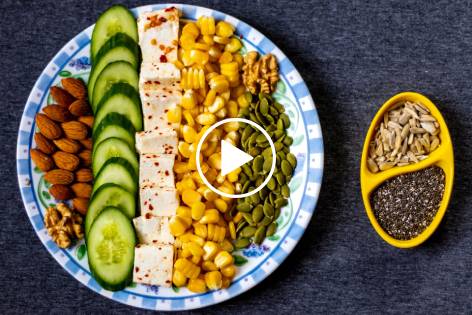
As the final notes of this symphonic journey resound, they invite us to embark on our own culinary odyssey—a voyage where red meat yields its throne to the vibrant ensemble of legumes, soy, and nuts. In this dietary voyage, we find ourselves not only nurturing our cardiovascular wellness but also becoming stewards of a harmonious environment. The study etches its legacy on the canvas of science, beckoning us to make heart-healthy swaps that resonate with the rhythm of life.

References:

Marta Guasch-Ferré, Ambika Satija, Stacy A. Blondin, Marie Janiszewski, Ester Emlen, Lauren E. O’Connor, Wayne W. Campbell, Frank B. Hu, Walter C. Willett, Meir J. Stampfer. A Meta-Analysis of Randomized Controlled Trials of Red Meat Consumption in Comparison With Various Comparison Diets on Cardiovascular Risk Factors. *Circulation*, 2019. [Link](https://www.ahajournals.org/doi/10.1161/CIRCULATIONAHA.118.035225)

Eat Smart, Live Well, Look Great

Dr. Meschino

Dr. James Meschino

Dr. James Meschino

ABOUT THE AUTHOR

Dr. James Meschino, DC, MS, ROHP, is an educator, author, and researcher having lectured to thousands of healthcare professionals across North America. He holds a Master’s Degree in Science with specialties in human nutrition and biology and is recognized as an expert in the field of nutrition, anti-aging, fitness, and wellness as well as the author of numerous books.

Posted on

LMU 125 – Omega 3 reduces asthma children

LMU-125

LMU 125 – Nurturing Breathing Freedom: The Role of Omega-3 Fats in Childhood Asthma

Source: American Journal of Respiratory and Critical Care Medicine (March 2019)

Lifestyle Medicine Update (April 7, 2019)

Introduction

In the symphony of childhood, the rhythmic dance of breath is a fundamental melody. Yet, for children grappling with asthma, this melody is often disrupted by the discordant notes of wheezing and breathlessness. In the quest for a harmonious breath, science unfolds a new verse—a verse that highlights the potential of omega-3 fats to safeguard children against the tempestuous onslaught of asthma attacks. A study published in the American Journal of Respiratory and Critical Care Medicine beckons us into this exploration, revealing the nuanced interplay between dietary fats and childhood asthma.

Omega-3 and Omega-6: Unravelling the Fatscape

As the study’s curtain rises, the spotlight falls on omega-3 and omega-6 fats—an intricate duet in the realm of dietary fats. These fats, once relegated to dietary discussions, emerge as potential allies in the battle against childhood asthma. The stage is set with 135 children, aged 5-12, with asthma as their shared narrative. Divided into thirds, each segment reflects a spectrum of asthma intensity—mild, moderate, and severe. This ensemble embarks on a journey, under the watchful gaze of science, to unravel the connection between dietary fats, asthma symptoms, and indoor particulate air pollution.

A Symphony of Findings: Omega-3’s Protective Cadence

As the notes of the study unfold, a compelling revelation takes shape. Children with a higher intake of omega-3 fats bask in the sanctuary of milder asthma and fewer symptoms, even in the face of elevated indoor particulate air pollution. The link between omega-3 fats and asthma resilience dances with grace, offering a glimmer of hope to those who navigate the labyrinth of wheezes and breathlessness.

Omega-6: The Discordant Chorus of Inflammation

In this complex narrative, the counterpart of omega-6 fats steps onto the stage—a discordant chorus entwined with inflammation. As the study’s plot unravels, omega-6 fats unveil their role in amplifying asthma severity and symptoms. The children’s diets, rich in omega-6 fats, resonate with heightened vulnerability to indoor particulate air pollution. As these fats converge with the triggers of asthma, a symphony of white blood cell response, spearheaded by neutrophils, resounds. Omega-6 fats kindle the flames of inflammation, a tempestuous force in the realm of asthma.

Dr. Bringham’s Proclamation: Dietary Notes on Lung Health

In the wake of these discoveries, the lead author of the study, Dr. Bringham, steps forward, proclaiming the mounting evidence of diet’s role in lung health. The symphony of omega-3 and omega-6 fats, once confined to biochemical corridors, emerges as a potent refrain in the orchestration of lung resilience.

Biochemical Ballet: Omega-3’s Anti-Inflammatory Choreography

The biochemical tapestry of omega-3 and omega-6 fats unveils a ballet of contrasts. Omega-3 fats, the protagonists of this dance, orchestrate an anti-inflammatory cadence at the cellular level. Their transformation within tissues gives rise to anti-inflammatory local hormones—prostaglandin series-3. In stark contrast, omega-6 fats assume a contrasting role. Their journey within tissues yields inflammatory local hormones—prostaglandin series-2. This biochemical juxtaposition mirrors the symphonic battle between inflammation and resilience.

Culinary Crescendo: A Dietary Overture to Omega-3 Richness

The culinary canvas takes center stage, as the spotlight falls on omega-3 fat-rich sources. Fatty fish, a maritime treasure trove encompassing mackerel, salmon, sardines, anchovies, and herring, captivate the senses. Omega-3 fat supplements, infused with the essence of fish and flaxseed oil, add depth to this symphony. Walnuts and soybeans, with their natural abundance, enrich the narrative. A gastronomic journey to embrace omega-3 fats unfolds—a journey that kindles the fires of anti-inflammatory potential.

Omega-6’s Tempestuous Trails: An Ominous Overture

In this culinary odyssey, omega-6 fats tread ominous trails. They flourish in common vegetable oils, notably corn and mixed vegetable oils. Yet, amidst these treacherous paths, an oasis of monounsaturated fat beckons—olive oil. As the curtain rises on salads and sautéed vegetables, olive oil steps into the limelight, offering a high monounsaturated fat content that evades the formation of inflammatory prostaglandins. The stage also bears the imprints of beef, red meat products, high-fat dairy, and egg yolks, all bearing the signature of omega-6 fats.

Resonating Wisdom: A Dietary Path for Asthma Warriors

For those engaged in the battle against asthma, the stage is set for wisdom to resonate. The insights unveiled by science echo with a resounding call—to elevate omega-3 fat intake and curtail omega-6 fat consumption. This harmonious dance with dietary fats emerges as a beneficial ally, nurturing both short-term and long-term asthma management.

References:

Emily P Brigham, Han Woo, Meredith McCormack, Jessica Rice, Kirsten Koehler, Tristan Vulcain Tianshi Wu, Abigail Koch, Sangita Sharma, Fariba Kolahdooz, Sonali Bose; Corrine Hanson, Karina Romero; Gregory Diette, and Nadia N Hansel. Omega-3 and Omega-6 Intake Modifies Asthma Severity and Response to Indoor Air Pollution in Children. *American Journal of Respiratory and Critical Care Medicine*, 2019. [Link](https://www.atsjournals.org/doi/10.1164/rccm.201808-1474OC)


Eat Smart, Live Well, Look Great

Dr. Meschino

Dr. James Meschino

Dr. James Meschino

ABOUT THE AUTHOR

Dr. James Meschino, DC, MS, ROHP, is an educator, author, and researcher having lectured to thousands of healthcare professionals across North America. He holds a Master’s Degree in Science with specialties in human nutrition and biology and is recognized as an expert in the field of nutrition, anti-aging, fitness, and wellness as well as the author of numerous books.