Posted on

LMU 214 – The Power of Plant-Based Diets: A Shield Against COVID-19

LMU-214

The Power of Plant-Based Diets: A Shield Against COVID-19

Source: Journal, Gut (September 2021)

Lifestyle Medicine Update

Introduction:

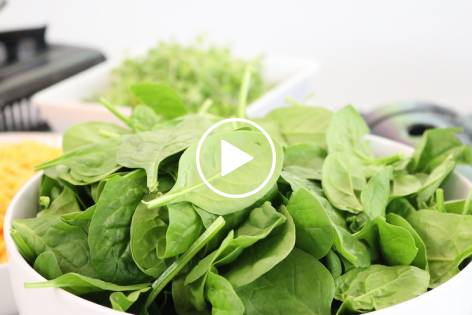
A groundbreaking study published in Gut in September 2021 unveils the potential of plant-based diets in reducing the risk of COVID-19 and its severity. Spanning the UK and the US, this research included 600,000 participants, shedding light on the profound impact of dietary choices on resilience against the virus. While obesity and diabetes have been known risk factors, this study explicitly connects diet to COVID-19 risk. Those with healthier, plant-based diets exhibited a 9% lower risk of infection and a remarkable 41% lower risk of severe symptoms, emphasizing the importance of nutrition in the fight against COVID-19.

The Plant-Based Diet Revelation

In the ever-evolving saga of COVID-19, a groundbreaking study published in the journal Gut in September 2021 has illuminated a potential game-changer: the role of plant-based diets in reducing the risk of contracting the virus and mitigating its severity. This monumental research, spanning both the U.K. and the U.S., encompassed a staggering 600,000 participants, providing compelling evidence for the profound impact of dietary choices on our resilience against COVID-19.

COVID-19 and Diet: A Missing Link

While metabolic conditions like obesity and type 2 diabetes have long been recognized as risk factors for COVID-19, mainstream discourse has often overlooked the pivotal influence of diet on both infection risk and symptom severity. Past reports have hinted at poor nutrition being common among groups disproportionately affected by the pandemic. However, until this remarkable study in Gut, we were missing data that explicitly connected diet to the risk and severity of COVID-19.

The Journey of Discovery

The study meticulously examined data from the COVID-19 Symptom Study, a smartphone-based initiative, involving 592,571 participants. Spanning from March 24, 2020, to December 2, 2020, the study began with participants providing insights into their dietary habits before the pandemic. The researchers assessed diet quality using a healthful Plant-Based Diet Score. Astonishingly, those with the highest Plant-Based Diet Scores (in the top 25%) enjoyed a 9% lower risk of contracting COVID-19 and a remarkable 41% lower risk of experiencing severe symptoms and complications. In simpler terms, the healthier the diet, the lower the risk of infection and COVID-19-related complications.

Dr. Merino’s Insights: A Call to Action

Dr. Jordi Merino, one of the study’s lead researchers, underscored the significance of these findings. He emphasized that the observed effects persisted even when accounting for other healthy behaviors, social determinants of health, and community virus transmission rates. Dr. Andrew Chan, another co-researcher and a gastroenterologist, added his voice to the chorus of importance. While vaccines, masks, and social distancing remain critical, he stressed that individuals can potentially reduce their COVID-19 risk and severity by paying attention to their diet.

The Impact of Nutrition and Lifestyle

The study’s models suggest that a significant portion of COVID-19 cases could have been prevented with healthier, more plant-based diets and improvements in socioeconomic circumstances that influence food choices. Dr. Merino made a resounding call to governments and stakeholders to prioritize healthy diets and well-being through impactful policies, warning that neglecting this aspect could result in substantial health disparities and economic setbacks.

The Immune System’s Silent Heroes

Ultimately, the study underscores that specific nutrients are vital for bolstering the immune system. While it’s unfortunate that health authorities have not yet fully emphasized evidence-based dietary strategies, lifestyle choices, and nutritional medicine in supporting immune function alongside vaccinations, mask-wearing, and social distancing, the September 2021 Gut study reinforces the importance of nutrition, lifestyle, and nutritional medicine practices in reducing the risk of COVID-19 infections and their severe consequences.

References:

  1. Main Reference: Jordi Merino, Amit D Joshi, Long H Nguyen, Emily R Leeming, Mohsen Mazidi, David A Drew, Rachel Gibson, Mark S Graham, Chun-Han Lo, Joan Capdevila, Benjamin Murray, Christina Hu, Somesh Selvachandran, Alexander Hammers, Shilpa N Bhupathiraju, Shreela V Sharma, Carole Sudre, Christina M Astley, Jorge E Chavarro, Sohee Kwon, Wenjie Ma, Cristina Menni, Walter C Willett, Sebastien Ourselin, Claire J Steves, Jonathan Wolf, Paul W Franks, Timothy D Spector, Sarah Berry, Andrew T Chan. Diet quality and risk and severity of COVID-19: a prospective cohort study. Gut, 2021. [Link to the study](https://gut.bmj.com/content/early/2021/09/06/gutjnl-2021-325353)
  2. [ScienceDaily](https://www.sciencedaily.com/releases/2021/09/210908180530.htm)
Eat Smart, Live Well, Look Great,

Dr. Meschino

Dr. James Meschino

Dr. James Meschino

ABOUT THE AUTHOR

Dr. James Meschino, DC, MS, ROHP, is an educator, author, and researcher having lectured to thousands of healthcare professionals across North America. He holds a Master’s Degree in Science with specialties in human nutrition and biology and is recognized as an expert in the field of nutrition, anti-aging, fitness, and wellness as well as the author of numerous books.

Posted on

LMU 213 – Unmasking the Hidden Threat: TMAO – A New Culprit in Heart Health

Unmasking the Hidden Threat: TMAO - A New Culprit in Heart Health

Source: journal Science (August 2021)

Lifestyle Medicine Update (September 9, 2021)

Introduction:

In the landscape of cardiovascular risk factors, Trimethylamine-N-oxide (TMAO) has emerged as a recent concern. Elevated TMAO levels in blood and urine have been closely linked to major adverse cardiovascular events. This article explores how a high-fat diet disrupts the gut microbiota, leading to increased TMAO levels and contributing to heart disease and strokes. Understanding this connection enables proactive steps to protect heart health by adopting a lower-fat diet and incorporating probiotics.

The TMAO Mystery Unveiled: A Diet’s Dark Secret

In the realm of heart disease and stroke risk factors, a relatively new player has emerged on the scene: Trimethylamine-N-oxide or TMAO. This enigmatic compound, found in elevated levels in blood and urine, has been closely linked to major adverse cardiovascular events (MACE), including heart attacks and strokes. But how does our diet, particularly one high in fats, contribute to the rise of TMAO levels in our bodies? Recent research, published in the journal Science in August 2021, has shed light on this intriguing connection.

High-Fat Diet: Unveiling the Culprit

A diet rich in fats, especially saturated and trans fats, has long been recognized as a risk factor for heart disease. What’s new is the revelation that such diets disrupt the intestinal lining and gut microbiota, triggering a chain reaction that culminates in elevated TMAO levels. The high-fat diet impairs the functioning of intestinal epithelial cells, which line the gut, causing them to produce excess oxygen and nitrate. Concurrently, it alters the composition of gut bacteria, promoting the growth of less friendly inhabitants, including E. Coli and other Enterobacteriaceae microbes. These unfriendly bacteria metabolize compounds found in certain foods we consume, such as carnitine, choline, and betaine, into Trimethylamine (TMA). TMA then enters the bloodstream and heads to the liver, where it undergoes transformation into TMAO before being released into circulation.

TMAO: The Silent Saboteur

But how does TMAO wreak havoc on our cardiovascular system? Experimental studies have highlighted its role in accelerating the narrowing of arteries (atherosclerosis), increasing the risk of abnormal clots (thrombosis), and igniting inflammation within blood vessels. These mechanisms are key contributors to heart attacks and strokes. In essence, the high-fat diet sets off a domino effect: it damages intestinal cells, fosters the growth of unfriendly gut bacteria, and ultimately leads to elevated TMAO levels, increasing the risk of cardiovascular events.

Double Trouble: A Warning for High-Fat Diets

Interestingly, many of the high-fat foods notorious for elevating blood cholesterol levels also drive up TMAO levels. It’s a double whammy effect on the risk of heart attacks and strokes. Having a TMAO blood level above 5.1 umol/L is now considered a significant risk factor for major adverse cardiovascular events, while levels below 3.9 umol/L are deemed safe. The catch? Most doctors don’t routinely order TMAO blood tests; you often need to request it.

The Road to Heart Health: Diet and Probiotics

So, what can you do to protect your cardiovascular health? One crucial step is to steer clear of unhealthy fats, especially those found in beef, pork, high-fat dairy products, coconut oil, deep-fried and battered foods, and pastries. Additionally, consider taking a daily probiotic supplement containing a variety of gut-friendly bacteria. These beneficial microbes help crowd out the unfriendly gut bacteria responsible for TMA synthesis, aiding in the maintenance of desirable TMAO blood levels. Don’t forget to explore fermented foods as well, as they are rich sources of probiotics. By adopting these two strategies—a lower-fat diet and probiotic supplementation, along with incorporating probiotic-rich foods—you can actively manage your TMAO levels and reduce your risk of heart attacks and strokes.

In Conclusion

TMAO, the newly discovered player in heart health, emphasizes the profound impact our diet choices can have on our cardiovascular well-being. By understanding the intricate connections between diet, gut health, and TMAO levels, we can take proactive steps to safeguard our hearts.

References:

  1. Woongjae Yoo, Jacob K. Zieba, Nora J. Foegeding, Teresa P. Torres, Catherine D. Shelton, Nicolas G. Shealy, Austin J. Byndloss, Stephanie A. Cevallos, Erik Gertz, Connor R. Tiffany, Julia D. Thomas, Yael Litvak, Henry Nguyen, Erin E. Olsan, Brian J. Bennett, Jeffrey C. Rathmell, Amy S. Major, Andreas J. Bäumler, Mariana X. Byndloss. High-fat diet–induced colonocyte dysfunction escalates microbiota-derived trimethylamine N-oxide. Science, 2021. [Link to the study](https://www.science.org/lookup/doi/10.1126/science.aba3683)
  2. Journal American College Cardiology: 2020. [Link to the study](https://www.jacc.org/doi/abs/10.1016/j.jacc.2019.11.060)
  3. BMC Cardiology: 2020. [Link to the study](https://bmccardiovascdisord.biomedcentral.com/articles/10.1186/s12872-019-01310-5)
  4. Journal American Heart Association: 2019. [Link to the study](https://www.ahajournals.org/doi/full/10.1161/JAHA.118.010606)
  5. Uremic Toxicology: 2016. [Link to the study](https://www.mdpi.com/2072-6651/8/11/326)
 
Eat Smart, Live Well, Look Great,
 

Dr. Meschino

Dr. James Meschino

Dr. James Meschino

ABOUT THE AUTHOR

Dr. James Meschino, DC, MS, ROHP, is an educator, author, and researcher having lectured to thousands of healthcare professionals across North America. He holds a Master’s Degree in Science with specialties in human nutrition and biology and is recognized as an expert in the field of nutrition, anti-aging, fitness, and wellness as well as the author of numerous books.

Posted on

LMU 212 – Revolutionizing Heart Health: The Walnut Wonder

Revolutionizing Heart Health: The Walnut Wonder

Source: American Heart Association Journal – Circulation (August 2021)

Lifestyle Medicine Update (September 2, 2021)

Introduction:

Unlocking the Cholesterol Solution with Walnuts: A groundbreaking 2021 Circulation study reveals that consuming just half a cup of walnuts daily can significantly lower LDL-cholesterol, even in older individuals already taking statin drugs. This two-year research involved healthy adults, and the results are impressive, indicating that walnuts could be a potent ally in the fight against high cholesterol, offering a natural, accessible, and delicious approach to heart health.

Cracking the Cholesterol Conundrum with Walnuts

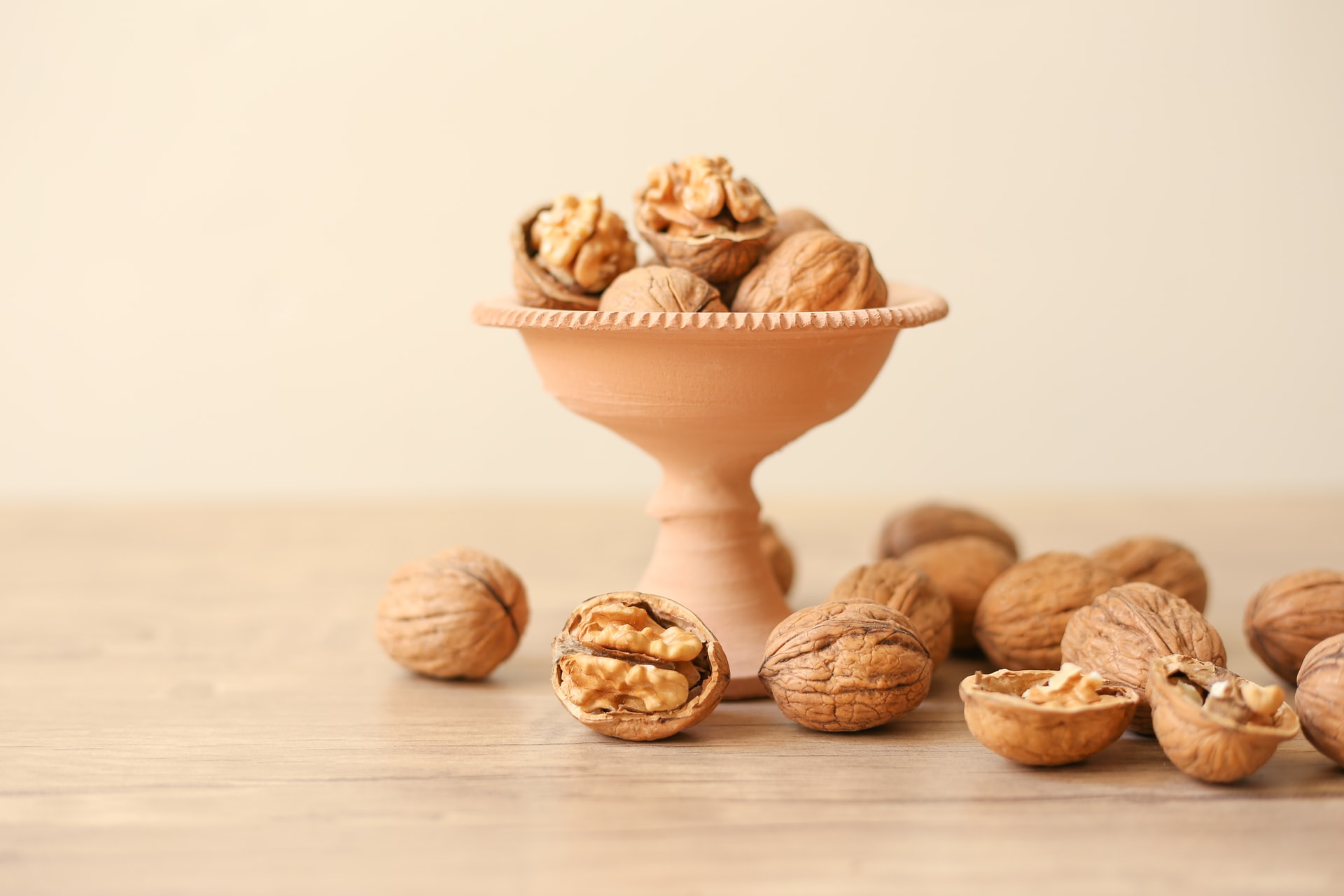
We’ve long been aware that high levels of LDL-cholesterol in the bloodstream are a major red flag for heart attacks and various cardiovascular ailments. Strategies such as reducing saturated and trans fats, steering clear of deep-fried and battered foods, and embracing a diet rich in soluble fiber from sources like beans, peas, oats, soy products, and more have been cornerstones in our battle against cholesterol. But what if we told you that a humble nut could hold the key to cholesterol control? A groundbreaking study published in the esteemed journal Circulation in August 2021 reveals that consuming just half a cup of walnuts each day can significantly reduce both total cholesterol and the notorious LDL-cholesterol, even in older individuals already taking cholesterol-lowering statin drugs such as Crestor and Lipitor.

The Walnut Revolution: A Two-Year Study

This revelatory research spanned a period of two years and included 708 male and female participants aged 63 to 79. These individuals, hailing from both Barcelona, Spain, and Loma Linda, California, were healthy, independent-living adults. Half of the participants were tasked with incorporating half a cup of walnuts into their daily diet for the duration of the study, while the other half were instructed to abstain from walnut consumption during the same period.

Walnuts: Cholesterol’s Nemesis

The results of the study are nothing short of impressive. Participants who consumed half a cup of walnuts daily experienced an average reduction of 7.9% in LDL-cholesterol levels for men and 2.6% for women by the study’s conclusion. What’s even more remarkable is that 32% of these subjects were already on cholesterol-lowering statin drugs. This suggests that the cholesterol-lowering benefits of walnuts could potentially be even more pronounced in individuals who are not taking statin medications. These findings carry significant weight, as statin drugs alone sometimes fall short of bringing LDL cholesterol down to the optimal range for preventing heart attacks and strokes. Incorporating just half a cup of walnuts into your daily routine could provide an additional layer of defence against high cholesterol, potentially reducing the need for statin medications.

Beyond Genetics: A Holistic Approach to Cholesterol Control

It’s important to note that approximately 5-10% of the population grapples with genetically high cholesterol levels, necessitating the use of statin drugs to bring LDL-cholesterol within the safe range. However, even in these cases, adopting prudent dietary and lifestyle strategies, including the daily inclusion of half a cup of walnuts, can be remarkably beneficial in achieving ideal LDL-cholesterol levels. Additionally, taking a daily supplement that combines natural agents like Gum Guggul and Artichoke Leaf extract has been shown to further aid in achieving this goal.

While it’s true that various nuts can modestly reduce LDL-cholesterol levels, with almonds and cashews making notable appearances, walnuts stand out as the frontrunners in this cholesterol-reducing race. Not only do they have the most substantial impact, but they also offer an extra dose of omega-3 fats in the form of alpha-linolenic acid.

In Closing

The 2021 Circulation study has unveiled the remarkable potential of walnuts as allies in the quest for heart health. With the ability to lower both total cholesterol and LDL-cholesterol, walnuts have emerged as a natural, accessible, and delicious strategy for enhancing cardiovascular well-being. Whether you’re already on statin medications or seeking proactive measures for cholesterol control, embracing the power of walnuts may be the heart-smart choice you’ve been looking for.

References:

  1. Sujatha Rajaram, Montserrat Cofán, Aleix Sala-Vila, Ella Haddad, Mercè Serra-Mir, Edward Bitok, Irene Roth, Tania M. Freitas-Simoes, Amandeep Kaur, Cinta Valls-Pedret, Mónica Doménech, Keiji Oda, Dolores Corella, Joan Sabaté, Emilio Ros. Effects of Walnut Consumption for 2 Years on Lipoprotein Subclasses Among Healthy Elders: Findings From the WAHA Randomized Controlled Trial. Circulation, 2021. [Link to the study](https://www.ahajournals.org/doi/10.1161/CIRCULATIONAHA.121.054051)
  2. Other Nuts That Lower Cholesterol. WebMD. [Link to the article](https://www.webmd.com/cholesterol-management/features/nuts-help-lower-bad-cholesterol)

Eat Smart, Live Well, Look Great,

Dr. Meschino

Introduction:

Unlocking the Cholesterol Solution with Walnuts: A groundbreaking 2021 Circulation study reveals that consuming just half a cup of walnuts daily can significantly lower LDL-cholesterol, even in older individuals already taking statin drugs. This two-year research involved healthy adults, and the results are impressive, indicating that walnuts could be a potent ally in the fight against high cholesterol, offering a natural, accessible, and delicious approach to heart health.

Cracking the Cholesterol Conundrum with Walnuts

We’ve long been aware that high levels of LDL-cholesterol in the bloodstream are a major red flag for heart attacks and various cardiovascular ailments. Strategies such as reducing saturated and trans fats, steering clear of deep-fried and battered foods, and embracing a diet rich in soluble fiber from sources like beans, peas, oats, soy products, and more have been cornerstones in our battle against cholesterol. But what if we told you that a humble nut could hold the key to cholesterol control? A groundbreaking study published in the esteemed journal Circulation in August 2021 reveals that consuming just half a cup of walnuts each day can significantly reduce both total cholesterol and the notorious LDL-cholesterol, even in older individuals already taking cholesterol-lowering statin drugs such as Crestor and Lipitor.

The Walnut Revolution: A Two-Year Study

This revelatory research spanned a period of two years and included 708 male and female participants aged 63 to 79. These individuals, hailing from both Barcelona, Spain, and Loma Linda, California, were healthy, independent-living adults. Half of the participants were tasked with incorporating half a cup of walnuts into their daily diet for the duration of the study, while the other half were instructed to abstain from walnut consumption during the same period.

Walnuts: Cholesterol’s Nemesis

The results of the study are nothing short of impressive. Participants who consumed half a cup of walnuts daily experienced an average reduction of 7.9% in LDL-cholesterol levels for men and 2.6% for women by the study’s conclusion. What’s even more remarkable is that 32% of these subjects were already on cholesterol-lowering statin drugs. This suggests that the cholesterol-lowering benefits of walnuts could potentially be even more pronounced in individuals who are not taking statin medications. These findings carry significant weight, as statin drugs alone sometimes fall short of bringing LDL cholesterol down to the optimal range for preventing heart attacks and strokes. Incorporating just half a cup of walnuts into your daily routine could provide an additional layer of defence against high cholesterol, potentially reducing the need for statin medications.

Beyond Genetics: A Holistic Approach to Cholesterol Control

It’s important to note that approximately 5-10% of the population grapples with genetically high cholesterol levels, necessitating the use of statin drugs to bring LDL-cholesterol within the safe range. However, even in these cases, adopting prudent dietary and lifestyle strategies, including the daily inclusion of half a cup of walnuts, can be remarkably beneficial in achieving ideal LDL-cholesterol levels. Additionally, taking a daily supplement that combines natural agents like Gum Guggul and Artichoke Leaf extract has been shown to further aid in achieving this goal.

While it’s true that various nuts can modestly reduce LDL-cholesterol levels, with almonds and cashews making notable appearances, walnuts stand out as the frontrunners in this cholesterol-reducing race. Not only do they have the most substantial impact, but they also offer an extra dose of omega-3 fats in the form of alpha-linolenic acid.

In Closing

The 2021 Circulation study has unveiled the remarkable potential of walnuts as allies in the quest for heart health. With the ability to lower both total cholesterol and LDL-cholesterol, walnuts have emerged as a natural, accessible, and delicious strategy for enhancing cardiovascular well-being. Whether you’re already on statin medications or seeking proactive measures for cholesterol control, embracing the power of walnuts may be the heart-smart choice you’ve been looking for.

References:

  1. Sujatha Rajaram, Montserrat Cofán, Aleix Sala-Vila, Ella Haddad, Mercè Serra-Mir, Edward Bitok, Irene Roth, Tania M. Freitas-Simoes, Amandeep Kaur, Cinta Valls-Pedret, Mónica Doménech, Keiji Oda, Dolores Corella, Joan Sabaté, Emilio Ros. Effects of Walnut Consumption for 2 Years on Lipoprotein Subclasses Among Healthy Elders: Findings From the WAHA Randomized Controlled Trial. Circulation, 2021. [Link to the study](https://www.ahajournals.org/doi/10.1161/CIRCULATIONAHA.121.054051)
  2. Other Nuts That Lower Cholesterol. WebMD. [Link to the article](https://www.webmd.com/cholesterol-management/features/nuts-help-lower-bad-cholesterol)
 

Eat Smart, Live Well, Look Great,

Dr. Meschino

Dr. James Meschino

Dr. James Meschino

ABOUT THE AUTHOR

Dr. James Meschino, DC, MS, ROHP, is an educator, author, and researcher having lectured to thousands of healthcare professionals across North America. He holds a Master’s Degree in Science with specialties in human nutrition and biology and is recognized as an expert in the field of nutrition, anti-aging, fitness, and wellness as well as the author of numerous books.

Posted on

LMU 211 – Unlocking the Secrets of Longevity: Omega-3 Fats and the 5-Year Lifespan Boost

Unlocking the Secrets of Longevity: Omega-3 Fats and the 5-Year Lifespan Boost

Source: The American Journal of Clinical Nutrition (2021)

Lifestyle Medicine Update (August 19, 2021)

Introduction:

Discover the groundbreaking 2021 Framingham Offspring Study, which reveals that higher omega-3 fatty acid levels can extend life expectancy by approximately five years. This incredible finding not only underscores the importance of omega-3s but suggests they could offset the negative impact of smoking. Learn how to enhance your longevity by incorporating omega-3s into your daily diet and explore their multifaceted health benefits, from heart health to brain function. Discover practical steps to ensure optimal omega-3 levels and embark on a path to a longer, healthier life.

Incorporating Omega-3s into Your Life: A Game Changer in Longevity

We all know the age-old adage that omega-3 fatty acids are good for our health, but recent findings from the extensive Framingham Offspring Study group have elevated this message to a whole new level when it comes to longevity and life expectancy. According to this groundbreaking study, having higher levels of omega-3 fats circulating in your body can extend your lifespan by nearly five years (1). Incredibly, this is roughly equivalent to the years subtracted from your life expectancy if you happen to be a regular smoker. Yes, you read that correctly – omega-3 fats could offset the detrimental effects of smoking.

The Science Behind the Discovery

This illuminating study followed a cohort of 2,200 individuals, all aged 65 or older, for an average of 11 years. What it revealed was nothing short of remarkable. Those participants who boasted higher levels of omega-3 fats in the membranes of their red blood cells, known as erythrocytes, exhibited significantly improved life expectancy outcomes. This underscores that the content of omega-3 fats in your red blood cells can serve as a reliable predictor of mortality risk.

Empowering Your Health: A Path to Longevity

The pivotal question then becomes, how can you harness the power of omega-3s to enhance your own longevity? The answer lies in the ability of omega-3 fats to increase your red blood cell omega-3 fat index over time. By simply incorporating optimal amounts of omega-3 fats into your daily diet, you can elevate your omega-3 fat nutritional status and position yourself in the high-life expectancy category.

The Multifaceted Benefits of Omega-3s

Omega-3 fats don’t just stop at increasing your lifespan; they also offer an array of health benefits. Previous studies have demonstrated that higher omega-3 fat nutritional status can reduce the risk of sudden heart attacks and the development of arrhythmias. They help mitigate high blood pressure, serve as a complementary measure for managing premenstrual syndrome and rheumatoid arthritis, and even improve pregnancy outcomes. Furthermore, maintaining higher omega-3 fat nutritional status has been linked to reduced brain inflammation and a decreased risk of developing Alzheimer’s disease in various research studies.

Practical Steps Toward a Longer Life

From a practical perspective, adopting a diet that includes fish two or three times a week can significantly boost your omega-3 fat nutritional status. However, experts, including myself, often recommend incorporating an essential fatty acid supplement into your routine to ensure optimal omega-3 fat levels. Personally, I take a daily supplement containing 400 mg each of high-yield fish oil, flaxseed oil, and borage seed oil. Numerous studies suggest that this combination produces synergistic effects that combat inflammation throughout the body, bolster cardiovascular and brain health, and deliver benefits to various tissues and organs. Typically, I consume 2-3 capsules daily with a meal.

In Conclusion

The 2021 Framingham Offspring Study has propelled our appreciation for omega-3 fats to new heights. It provides compelling evidence that maintaining higher omega-3 fat status can independently increase your longevity by nearly five years. This revelation underscores the significance of embracing omega-3 fats as a key player in your quest for a longer, healthier life.

For those interested in diving deeper into the study, you can find the reference below:

References:

  1. Michael I. McBurney, Nathan L. Tintle, Ramachandran S. Vasan, Aleix Sala-Vila, William S. Harris. “Using an erythrocyte fatty acid fingerprint to predict risk of all-cause mortality: the Framingham Offspring Cohort.” *The American Journal of Clinical Nutrition*, 2021. [Link to the study](https://academic.oup.com/ajcn/advance-article/doi/10.1093/ajcn/nqab195/6301120)
  2. “Higher levels of omega-3 acids in the blood increase life expectancy by almost five years.” *Science Daily*, July 22, 2021. [Link to the article](https://www.sciencedaily.com/releases/2021/07/210722113004.htm)
 
Eat Smart, Live Well, Look Great,
 

Dr. Meschino

Dr. James Meschino

Dr. James Meschino

ABOUT THE AUTHOR

Dr. James Meschino, DC, MS, ROHP, is an educator, author, and researcher having lectured to thousands of healthcare professionals across North America. He holds a Master’s Degree in Science with specialties in human nutrition and biology and is recognized as an expert in the field of nutrition, anti-aging, fitness, and wellness as well as the author of numerous books.

Posted on

LMU 210 – Maximizing Muscle Strength: The Protein Power of Breakfast

Maximizing Muscle Strength: The Protein Power of Breakfast

Source: Journal Cell Reports (July 2021)

Lifestyle Medicine Update (August 11, 2021)

Introduction:

For years, many of us have focused our protein intake on lunch and dinner, relegating breakfast to a lighter, often carbohydrate-heavy affair. However, a groundbreaking study published in the journal “Cell Reports” in July 2021 has unveiled a surprising revelation: consuming more protein at breakfast, rather than during lunch or dinner, is a potent strategy to bolster muscle strength and foster muscle development. This revelation isn’t just beneficial for fitness enthusiasts; it also has implications for preventing age-related muscle loss and muscle wasting. Welcome to the world of chrononutrition, where timing your protein intake can unlock optimal muscle growth.

The Mouse Model: A Pioneering Discovery

The researchers embarked on their journey by conducting experiments with mice. They provided two groups of mice with meals containing varying protein concentrations: one with high protein content (11.5% by proportion) at breakfast and low protein content (8.5% by proportion) at dinner, and the other group with the reverse pattern. The findings were startling. Mice that received a high protein intake at breakfast exhibited increased muscle growth, surpassing their counterparts who consumed more protein at dinner. Even though the total protein intake was higher for the dinner-fed group, the ratio of muscle growth (known as hypertrophy) was 17% greater in the mice that had a protein-rich breakfast. Additionally, the study highlighted that branched-chain amino acids (BCAAs), consumed early in the day, proved to be particularly effective in enhancing muscle growth. Whey protein, a rich source of BCAAs, stood out as a noteworthy example.

Humans Confirm the Findings: A Study with Senior Women

To ensure the applicability of their findings to humans, the researchers conducted a study involving sixty women aged 65 and older. The goal was to determine if muscle function and grip strength would differ when high protein was provided at breakfast versus dinner. Mirroring the results from the mouse model, the women who consumed a higher protein breakfast exhibited improved muscle strength and increased muscle mass.

Practical Tips for a High-Protein Breakfast

Implementing a high-protein breakfast doesn’t have to be a daunting task. Here are some practical and delicious ways to enjoy your morning protein boost:

  1. Protein Shake: Consider starting your day with a protein shake. Whey protein shakes, rich in muscle-supporting BCAAs, can be an excellent choice. Opt for a low-fat, low-carb option and mix it with water, ice cubes, and a sprinkle of ground flaxseed.
  2. Egg White Omelet: Create a nutrient-packed egg white omelet with your favorite vegetables. Pair it with dry rye or whole-wheat toast and sliced tomatoes. Three egg whites can provide a substantial 21-27 grams of protein, akin to two scoops of whey protein.
  3. Greek Yogurt: Indulge in non-fat Greek yogurt paired with a high-fiber, low-sugar breakfast cereal. Some Greek yogurt brands offer a protein punch of 15-20 grams in an 8-ounce serving.

The Bottom Line: A Muscle-Boosting Breakfast

In conclusion, the timing of your protein intake, particularly favoring breakfast, can serve as a valuable wellness strategy. It not only helps preserve muscle mass as you age but also aids in gaining more muscle mass and strength through your strength training regimen. Additionally, it can accelerate your metabolism, making it easier to shed body fat and stave off excess weight as the years go by.

Remember, your breakfast choices today can lay the foundation for a stronger and healthier you tomorrow.

References:

  1. [Distribution of dietary protein intake in daily meals influences skeletal muscle hypertrophy via the muscle clock – Cell Reports](http://citeseerx.ist.psu.edu/viewdoc/download?doi=10.1.1.1033.9814&rep=rep1&type=pdf)
  2. [Cell Reports Study – ScienceDaily](https://www.sciencedaily.com/releases/2021/07/210719103109.htm)
 
Eat Smart, Live Well, Look Great,
 

Dr. Meschino

Dr. James Meschino

Dr. James Meschino

ABOUT THE AUTHOR

Dr. James Meschino, DC, MS, ROHP, is an educator, author, and researcher having lectured to thousands of healthcare professionals across North America. He holds a Master’s Degree in Science with specialties in human nutrition and biology and is recognized as an expert in the field of nutrition, anti-aging, fitness, and wellness as well as the author of numerous books.

Posted on

LMU 209 – Discovering the Secrets of Sound Sleep with Melatonin: A Natural Approach

Discovering the Secrets of Sound Sleep with Melatonin: A Natural Approach

Source: Frontiers of Endocrinology Journal (2019)

Lifestyle Medicine Update (August 4, 2021)


Introduction:

Sleep is a vital component of a healthy life, and when it’s elusive, it can have cascading effects on our well-being. If you’re among the many who grapple with insomnia or disrupted sleep patterns, a 2019 research paper published in the journal Frontiers of Endocrinology and other groundbreaking studies offer intriguing insights into a natural remedy for sleep issues: melatonin. In this article, we’ll explore the role of melatonin in brain function, its potential to prevent brain degeneration, and why it’s becoming an increasingly preferred choice for managing sleep problems, especially for those over 55.

The Alarming Risks of Prescription Sleeping Medications

In today’s fast-paced world, sleep disorders are increasingly common, leading to a surge in the use of prescription sleeping medications. According to research, about 4% of all adults and 10% of those over 65 years of age in this country regularly take prescription sleeping medications to combat insomnia and sleep problems.

However, recent studies have raised red flags about the use of these medications. One alarming finding suggests that sleeping pills are associated with an increased risk of unsteadiness, leading to falls and fractures, especially in the elderly. In fact, research from Dalhousie University suggested that one-third of hip fractures in people aged 85 and older may be attributed to the use of these drugs. Moreover, the use of sleep medications is linked to a higher risk of pneumonia, memory problems, dependence, and withdrawal issues.

In 2012 and 2018, reports in medical journals revealed that individuals using prescription sleep medications faced significantly increased risks of cancer, premature death, serious infections, mood disorders, accidental injuries, suicides, and homicides compared to those who did not use these drugs.

Melatonin: A Natural Alternative

In contrast to the risks associated with prescription sleeping medications, melatonin is a natural agent that offers a safer and non-toxic solution for sleep problems. Melatonin has not only been shown to help individuals fall asleep more quickly but also to provide a deep, restorative sleep.

Beyond its role as a sleep aid, melatonin holds promise in preventing brain degeneration. Studies suggest that melatonin may help block the development of Alzheimer’s disease, Parkinson’s disease, and possibly Lou Gehrig’s disease. It also modulates immune function, helping to maintain or restore immunity as we age.

Recent research even indicates that melatonin can reverse mild cognitive impairment, which is often the first step toward dementia and Alzheimer’s disease. Additionally, melatonin acts as a potent brain antioxidant, protecting against free radical damage.

Melatonin’s Wider Health Benefits

Melatonin’s benefits extend beyond sleep and brain health. Studies suggest that it may help prevent breast and prostate cancer, along with other cancer types. In breast cancer patients undergoing medical treatment, melatonin has been used as an adjunct therapy. Furthermore, melatonin shows promise in reducing the progression of macular degeneration, a leading cause of blindness in individuals over 55, and in aiding those suffering from tinnitus, a condition characterized by ringing in the ears.

A Natural Blend for Restful Sleep and Brain Health

For those seeking an alternative to prescription sleep medications, a combination of melatonin, GABA, 5-HTP, and Bacopa monnieri may offer a wiser, safer, and more natural choice. GABA and 5-HTP work together to improve sleep quality and counteract caffeine-induced insomnia. Bacopa monnieri, a natural plant-based agent, helps protect the brain against free radical damage and other processes associated with dementia and Alzheimer’s disease. As we age, these nutrients become increasingly important for brain health and the prevention of brain degeneration.

In conclusion, melatonin is a natural ally for sound sleep and overall health. Its potential to improve sleep quality and protect against various neurodegenerative diseases makes it an attractive option for those seeking to address sleep issues while promoting long-term well-being.

References:

  1. [2019 Update Melatonin and Neurodegeneration (Frontiers of Endocrinology)](https://www.frontiersin.org/articles/10.3389/fendo.2019.00480/full)
  2. [Dalhousie University – Dal News](https://www.dal.ca/news/2021/01/25/researchers-takes-aim-at-highest-rates-of-sleeping-pill-reliance.html)
  3. [BMJ Open – Risk of cancer in users of benzodiazepines and related drugs](https://bmjopen.bmj.com/content/2/1/e000850.full?sid=f0956753-511d-4e70-9230-c1e8aa5df0d3)
  4. [Prescription Medications for Insomnia: A Review of Longitudinal Ambulatory Care Data – American Journal of Public Health](https://www.ncbi.nlm.nih.gov/pmc/articles/PMC4890308/)
  5. [Melatonin for the prevention and treatment of cancer – Oncotarget Journal](https://www.ncbi.nlm.nih.gov/pmc/articles/PMC5503661/)
  6. [Dietary Supplements and Nutraceuticals Under Investigation for Covid-19 Prevention and Treatment – National Institutes of Health Preprint Pilot](https://www.ncbi.nlm.nih.gov/pmc/articles/PMC7872359/)
  7. [Melatonin’s effects on immunity: A systematic review and meta-analysis](https://www.ncbi.nlm.nih.gov/pmc/articles/PMC4946322/)
  8. [Overview of melatonin and breast cancer](https://www.naturalmedicinejournal.com/journal/2010-02/overview-melatonin-and-breast-cancer)
  9. [Melatonin for the prevention and treatment of cancer](https://www.ncbi.nlm.nih.gov/pmc/articles/PMC5503661/)
  10. [How to Optimize Sleep: The Sleep Foundation](https://www.sleepfoundation.org/sleep-hygiene/healthy-sleep-tips)
  11. [Melatonin for the prevention and treatment of cancer](https://www.ncbi.nlm.nih.gov/pmc/articles/PMC5503661/)
  12. [Melatonin and Age-Related Macular Degeneration](https://www.hindawi.com/journals/ecam/2012/606424/)

Eat Smart, Live Well, Look Great,

Dr. Meschino

Dr. James Meschino

ABOUT THE AUTHOR

Dr. James Meschino, DC, MS, ROHP, is an educator, author, and researcher having lectured to thousands of healthcare professionals across North America. He holds a Master’s Degree in Science with specialties in human nutrition and biology and is recognized as an expert in the field of nutrition, anti-aging, fitness, and wellness as well as the author of numerous books.


Posted on

LMU 208 – Fermented Foods: The Key to Gut Health and Immunity

Fermented Foods: The Key to Gut Health and Immunity

Source: Journal Cell (July 2021)

Lifestyle Medicine Update (July 14, 2021)

Introduction:

Recent findings published in the journal Cell in July 2021 have highlighted the remarkable benefits of incorporating fermented foods into your diet. This dietary choice not only supports your gut microflora but also reduces systemic inflammation markers throughout your body while positively regulating your immune system. In a world where health-conscious decisions are paramount, understanding the profound impact of fermented foods on your well-being is crucial.

The Gut Microbiota: A Hidden Universe

Within your large intestine resides a bustling ecosystem composed of 400-500 different bacteria and microorganisms. Far from passive observers, these microbial inhabitants are essential for your survival, immune function, and overall health. Their composition and diversity play a pivotal role in determining your susceptibility to various health issues.

The Gut Microbiota’s Role in Health

Studies involving patients with inflammatory bowel diseases, such as Crohn’s disease and Ulcerative Colitis, have illuminated a fascinating correlation. Those with a diverse gut microbiota, especially rich in friendly anaerobic bacteria like lactobacillus and Bifidus strains, are less likely to develop these debilitating conditions. This balance is critical for digestive health, as an overpopulation of unfriendly bacteria can lead to digestive issues, infections, inflammation, and even colon cancer, which ranks as the second leading cause of cancer-related death in North America and much of the Western world.

Harnessing the Power of Friendly Bacteria

On the flip side, a robust population of friendly gut bacteria confers numerous health benefits. It bolsters your immune system, aids in detoxification, enhances digestive processes, and plays a critical role in managing conditions like irritable bowel syndrome while suppressing inflammatory responses. Unlike pharmaceuticals, which target specific symptoms, friendly bacteria offer a holistic approach to improving your overall health and well-being.

The Fermentation Revolution: A Path to Gut Health

The groundbreaking study from July 2021 showcased the transformative effects of consuming a diet rich in fermented foods, teeming with friendly bacteria. Participants who integrated an array of fermented delights, such as yogurt, kefir, sauerkraut, kimchi, and kombucha tea, into their daily meals experienced astounding results. The more fermented foods they consumed over the 10-week study, the greater the biodiversity of their friendly gut bacteria, and the lower their systemic inflammation markers became.

The researchers assessed these changes through meticulous examinations of stool samples and by analyzing 19 blood markers linked to systemic inflammation. Additionally, the study revealed a reduction in the activation of certain immune cells, a promising development for individuals contending with conditions like Crohn’s disease, Ulcerative Colitis, Rheumatoid arthritis, and other autoimmune disorders.

Dysbiosis: A Common Challenge

In today’s modern society, an increasingly common issue called dysbiosis plagues many individuals. Dysbiosis signifies an imbalance in the gut microbiota, characterized by insufficient friendly bacteria, a lack of diversity, and an overabundance of unfriendly bacteria. Dysbiosis lays the groundwork for various gastrointestinal problems, compromised immunity, heightened susceptibility to inflammation, and possibly autoimmune disorders. This imbalance is exacerbated by several factors, including the overuse of antibiotics, a diet rich in highly processed foods, reduced consumption of fiber-rich foods, and the presence of antibiotics in animal feed, which ultimately enters the human food chain through dairy and meat products.

Simple Dietary Adjustments for a Healthier Gut

The findings from the July 2021 study underscore the potential for significant improvements in gut diversity and the concentration of friendly bacteria through dietary choices. Incorporating naturally fermented foods into your daily regimen can pave the way to a healthier gut within just ten weeks.

Consider complementing this dietary shift by adding a full-spectrum probiotic supplement to your daily routine. Additionally, be mindful of consuming foods rich in fiber, which serve as nourishment for friendly gut bacteria, enabling them to thrive and outcompete less-friendly strains.

For those grappling with digestive or inflammatory issues, exploring the potential benefits of supplements containing digestive enzymes and prebiotics may be worth considering. Considering these findings, reevaluate your dietary choices and contemplate the inclusion of more fermented foods—an effortless change with the potential for substantial health rewards.

References:

  1. Main Reference: Hannah C. Wastyk, Gabriela K. Fragiadakis, Dalia Perelman, Dylan Dahan, Bryan D. Merrill, Feiqiao B. Yu, Madeline Topf, Carlos G. Gonzalez, William Van Treuren, Shuo Han, Jennifer L. Robinson, Joshua E. Elias, Erica D. Sonnenburg, Christopher D. Gardner, Justin L. Sonnenburg. [Gut-microbiota-targeted diets modulate human immune status.](https://www.cell.com/cell/fulltext/S0092-8674(21)00754-6?_returnURL=https%3A%2F%2Flinkinghub.elsevier.com%2Fretrieve%2Fpii%2FS0092867421007546%3Fshowall%3Dtrue) Cell, 2021.
  1. [ScienceDaily – Gut-microbiota-targeted diets modulate human immune status](https://www.sciencedaily.com/releases/2021/07/210712122151.htm)
  1. [Gut Microbiota and Inflammatory Bowel Disease](https://gut.bmj.com/content/53/5/685.abstract)
  1. [The Gut Microbiota and Its Role in Obesity](https://www.hindawi.com/journals/ijbd/2016/2718275/)
  1. [Probiotics and Gut Health](https://www.tandfonline.com/doi/abs/10.1080/089106000750060305)
  1. [Antibiotics in Animal Feed and Their Impact](https://www.ncbi.nlm.nih.gov/pmc/articles/PMC6723656/)
 
Eat Smart, Live Well, Look Great,
 

Dr. Meschino

Dr. James Meschino

Dr. James Meschino

ABOUT THE AUTHOR

Dr. James Meschino, DC, MS, ROHP, is an educator, author, and researcher having lectured to thousands of healthcare professionals across North America. He holds a Master’s Degree in Science with specialties in human nutrition and biology and is recognized as an expert in the field of nutrition, anti-aging, fitness, and wellness as well as the author of numerous books.
Posted on

LMU 207 – The Secret to Heart Health: Ideal LDL-Cholesterol Levels

The Secret to Heart Health: Ideal LDL-Cholesterol Levels

Source: New England Journal of Medicine (2004); Cleveland Clinic (2019)

Lifestyle Medicine Update (June 22, 2021)

Introduction:

Maintaining heart health is a top priority, and recent studies have reaffirmed the significance of keeping LDL-cholesterol levels in the ideal range to prevent heart disease. We often hear about the importance of healthy cholesterol levels, but what exactly do these levels entail, and why are they crucial? Let’s delve into the latest research findings and discover what you can do to safeguard your heart.

Understanding the Importance of Cholesterol Checks

The Cleveland Clinic recommends that everyone aged 20 and older should undergo cholesterol checks at least every five years. These assessments encompass a comprehensive lipoprotein profile, which measures various components including total cholesterol, LDL cholesterol (commonly referred to as the “bad” cholesterol), high-density lipoprotein (HDL, the “good” cholesterol that aids in heart disease prevention), and triglycerides—a type of fat found in the bloodstream. It’s important to note that these tests should be conducted after fasting for a minimum of 12 hours.

Decoding LDL-Cholesterol and Its Connection to Heart Disease

LDL cholesterol takes center stage in heart health discussions due to its significant role in heart disease development. Elevated LDL cholesterol levels contribute to the accumulation of fatty deposits within the arteries, resulting in the narrowing or blockage of blood vessels, thereby reducing the flow of blood and oxygen to the heart. This process can lead to chest pain, heart attacks, and associated complications like stroke, kidney failure, and impaired circulation.

Reevaluating Ideal LDL-Cholesterol Levels

In patients at a high risk of heart disease, the target LDL-cholesterol level has been revised downwards to 60 mg/dL or less (1.5 mmol/L), compared to the earlier recommendation of 70 mg/dL (1.8 mmol/L). Surprisingly, the medical community still considers an acceptable LDL-cholesterol level to be any value below 100 mg/dL (2.6 mmol/L), irrespective of additional risk factors or prior heart attack or stroke history. This recommendation may appear perplexing, given the persistent prominence of cardiovascular disease as a leading cause of death.

Aim for Optimal Heart Health

In pursuit of heart health, striving to attain an LDL cholesterol level of 60 mg/dL (1.5 mmol/L) or lower should be a primary objective for every adult. Achieving and sustaining this level represents a critical step in preventing arterial blockages in the heart and other parts of the body, effectively thwarting plaque buildup within artery walls.

It’s important to recognize that while elevated LDL cholesterol is a key risk factor for heart disease and stroke, it’s not the sole determinant. Lifestyle choices, including dietary habits, regular exercise, and avoiding tobacco, play pivotal roles in overall cardiovascular health.

Take Charge of Your Heart Health

To safeguard your heart, it’s imperative to be informed about your LDL-cholesterol level. If your level surpasses 60 mg/dL (1.5 mmol/L), consider adopting a more proactive approach to your lifestyle aimed at lowering your LDL cholesterol. This involves reducing or eliminating consumption of high-fat animal products such as beef, pork, and lamb, as well as dairy items with more than 1% milkfat. Additionally, steer clear of saturated fat-rich foods like cheese, butter, cream, and deep-fried or trans-fat-laden items.

Conversely, incorporate foods rich in soluble fiber into your diet, such as beans, peas, oats, flaxseeds, and fiber-rich fruits like apples, pears, and plums—these can contribute to LDL-cholesterol reduction.

Should dietary adjustments fall short of achieving your ideal LDL-cholesterol range, consult your healthcare provider to explore potential interventions like statin drugs or Red Yeast Rice supplements. It’s essential to maintain close medical supervision for any potential side effects, including liver complications, diabetes risk, and memory-related concerns.

In your pursuit of heart health, maintain an active lifestyle, as physical activity complements dietary efforts and aids in keeping LDL cholesterol within the ideal range.

References:

  1. [Cleveland Clinic – Cholesterol Guidelines & Heart Health](https://my.clevelandclinic.org/health/articles/16866-cholesterol-guidelines–heart-health)
  1. [The New England Journal of Medicine – Cholesterol Lowering with Statin Drugs, NEJM, 2005](https://www.nejm.org/doi/full/10.1056/NEJMoa040583)
 
Eat Smart, Live Well, Look Great
 

Dr. Meschino

Dr. James Meschino

Dr. James Meschino

ABOUT THE AUTHOR

Dr. James Meschino, DC, MS, ROHP, is an educator, author, and researcher having lectured to thousands of healthcare professionals across North America. He holds a Master’s Degree in Science with specialties in human nutrition and biology and is recognized as an expert in the field of nutrition, anti-aging, fitness, and wellness as well as the author of numerous books.
Posted on

LMU 206 – How Vitamin D Levels May Hold the Key to Combatting Opioid Addiction

How Vitamin D Levels May Hold the Key to Combatting Opioid Addiction

Source: J Science Advances (June 2021)

Lifestyle Medicine Update (June 16, 2021)

Introduction:

Opioid addiction is a grave public health crisis, and a groundbreaking study published in the journal Science Advances in June 2021 has illuminated a previously unrecognized factor in this ongoing epidemic. This research suggests that individuals with optimal vitamin D blood levels are less likely to fall victim to opioid addiction. Given the severity of the opioid crisis, this discovery carries significant implications for addiction prevention and treatment.

Vitamin D and Opioid Addiction: Uncovering the Connection

The study, drawing from data sourced in the National Health and Nutrition Examination Survey (NHANES 2003-2004), brings to light a striking correlation: Americans with low vitamin D levels (below 20 ng/mL or 50 nmol/L) exhibit a higher propensity for opioid use and the development of opioid addiction compared to those with vitamin D levels at or above 20 ng/mL (50 nmol/). What sets this finding apart is its resilience even after accounting for factors like age, gender, history of fractures, the season of blood analysis, and the presence of chronic pain—conditions that frequently lead individuals to turn to opioids for pain relief.

The Sunshine Connection

Understanding this connection between vitamin D and opioid addiction becomes clearer when considering the role of sunlight exposure. Exposing the skin to sunlight or tanning beds not only triggers the synthesis of vitamin D but also enhances the production and release of endorphins. Endorphins, often referred to as “feel-good” hormones, provide a sense of euphoria and well-being. This phenomenon explains why many individuals crave the sensation of sunlight on their skin or even become mildly addicted to tanning beds—an endorphin rush is at play.

However, it’s essential to strike a balance since excessive UV-light exposure can lead to skin aging and skin cancer. Scientists posit that humans have evolved to seek sunlight because it not only triggers endorphin release but also facilitates vitamin D synthesis, guarding against vitamin D deficiency.

The Multifaceted Role of Vitamin D

Vitamin D serves as a vital nutrient with a broad spectrum of implications for our health. Inadequate vitamin D levels can lead to the malformation of developing bones (osteomalacia), as well as conditions like osteopenia, osteoporosis, cardiovascular disease, diabetes, and potentially other health issues, such as multiple sclerosis. Our ancestors who thrived in a primitive world were more likely to maintain optimal vitamin D levels through ample sun exposure, and our bodies are hardwired to crave sunlight to both generate endorphins and synthesize vitamin D.

The Role of Vitamin D in Opioid Addiction

To underscore the significance of vitamin D in addiction, Dr. Fisher, a co-author of the study, provides a compelling analogy. He suggests considering a surgical patient receiving morphine for pain relief after an operation. In cases of vitamin D deficiency, the euphoric effects of morphine could be intensified, potentially leading to addiction. To support this argument, Dr. Fisher’s team conducted an animal experiment using mice. The results indicated that mice rendered vitamin D deficient were more likely to seek out the drug morphine compared to mice with normal vitamin D levels. When vitamin D levels were restored in the deficient mice, their craving for morphine diminished significantly, as did withdrawal symptoms.

Dr. Fisher believes that while more research is necessary, addressing vitamin D deficiency could offer a new avenue to reduce the risk of opioid addiction and complement existing addiction treatments. He envisions that tackling the prevalent issue of vitamin D deficiency through cost-effective vitamin D supplements could play a pivotal role in combatting the ongoing opioid epidemic.

The Takeaway: Vitamin D and Opioid Addiction

In summary, maintaining a blood vitamin D level between 50, ideally within the range of 80 to 140 nmol/L (32 ng/mL – 56 ng/mL), may serve as a potent strategy to prevent opioid addiction in oneself and loved ones. Optimal vitamin D levels can potentially mitigate the high or euphoric sensations associated with morphine and other opioids, reducing the risk of addiction. Furthermore, vitamin D supplementation should be considered as a complementary approach for individuals undergoing opioid addiction withdrawal, particularly when their vitamin D blood levels are below 50 nmol/L (20 ng/mL), a common scenario.

In the battle against opioid addiction, recognizing the multifaceted influence of vitamin D levels opens a promising avenue for intervention and prevention.

References:

1. Lajos V. Kemény, Kathleen C. Robinson, Andrea L. Hermann, Deena M. Walker, Susan Regan, Yik Weng Yew, Yi Chun Lai, Nicholas Theodosakis, Phillip D. Rivera, Weihua Ding, Liuyue Yang, Tobias Beyer, Yong-Hwee E. Loh, Jennifer A. Lo, Anita A. J. van der Sande, William Sarnie, David Kotler, Jennifer J. Hsiao, Mack Y. Su, Shinichiro Kato, Joseph Kotler, Staci D. Bilbo, Vanita Chopra, Matthew P. Salomon, Shiqian Shen, Dave S. B. Hoon, Maryam M. Asgari, Sarah E. Wakeman, Eric J. Nestler, David E. Fisher. [Vitamin D deficiency exacerbates UV/endorphin and opioid addiction. Science Advances, 2021; 7 (24): eabe4577](https://advances.sciencemag.org/content/7/24/eabe4577)

2. [ScienceDaily – Vitamin D deficiency exacerbates UV/endorphin and opioid addiction](https://www.sciencedaily.com/releases/2021/06/210611174042.htm)


Eat Smart, Live Well, Look Great,


Dr. Meschino

Dr. James Meschino

Dr. James Meschino

ABOUT THE AUTHOR

Dr. James Meschino, DC, MS, ROHP, is an educator, author, and researcher having lectured to thousands of healthcare professionals across North America. He holds a Master’s Degree in Science with specialties in human nutrition and biology and is recognized as an expert in the field of nutrition, anti-aging, fitness, and wellness as well as the author of numerous books.

Posted on

LMU 205 – Your Genes Are Not Your Destiny: How Lifestyle Choices Can Reduce the Risk of Colon Cancer

LMU-205

Your Genes Are Not Your Destiny: How Lifestyle Choices Can Reduce the Risk of Colon Cancer

Source: The American Journal of Clinical Nutrition (April 2021)

Lifestyle Medicine Update (June 7, 2021)

Introduction:

For decades, the scientific community held high hopes that the Human Genome Project would unlock the secrets behind age-related degenerative diseases like Alzheimer’s and various cancers. The prevailing belief was that specific gene mutations would be pinpointed as direct causes of these conditions. However, the reality turned out to be quite different. A study published in the April 2021 issue of the American Journal of Clinical Nutrition sheds light on this paradigm shift, illustrating that our genes alone are not the sole culprits behind diseases like colon cancer. Instead, it’s the intricate interplay between our genes and lifestyle choices that significantly influences our health outcomes.

A Complex Genetic Landscape

Contrary to initial expectations, the Human Genome Project revealed that age-related diseases, including Alzheimer’s and certain types of cancer, are not triggered by a single gene mutation but rather by a complex web of gene variants. These variants interact in ways that elevate the risk of developing these conditions. The intricacies of these gene interactions remain a subject of ongoing research, and scientists are still unravelling how they influence each other.

To further complicate matters, not everyone carrying these gene variants succumbs to diseases like Alzheimer’s or colon cancer. Instead, an individual’s diet, physical activity, and other lifestyle factors play a pivotal role in mitigating or exacerbating these risks. The study highlighted here, focusing on colon cancer, exemplifies this intriguing relationship between genes and lifestyle choices.

Reducing Colon Cancer Risk Through Lifestyle Choices

In this extensive study involving nearly 350,000 participants as part of the UK Biobank Study, researchers delved into the genetic underpinnings of colon cancer. They assessed participants based on their genetic risk scores for the disease, determined by the presence of multiple gene variants associated with an elevated risk of colon cancer.

What the researchers discovered was remarkable: individuals with high genetic risk scores for colon cancer, who also boasted high Healthy Lifestyle Scores, exhibited a remarkable 40% reduction in their risk of developing the disease compared to those with identical genetic risk factors but less healthy lifestyle scores. In essence, it was a compelling revelation that genes do not act in isolation to predetermine one’s fate with colon cancer or many other degenerative illnesses.

Genes and Lifestyle: A Dynamic Partnership

Instead of genes acting as deterministic forces, it’s the intricate dance between our genetic makeup and lifestyle choices that either triggers or prevents the onset of degenerative conditions. In the context of the UK Biobank Study, participants with high genetic risk scores for colon cancer benefited immensely from lifestyle practices that included increased physical activity, healthier body shape measurements with lower body fat, avoidance of processed and red meat, higher consumption of vegetables and fruits, limited or no alcohol intake, and refraining from smoking.

To put it simply, individuals with less healthy lifestyle practices, even when carrying high genetic risk factors, faced a 40% higher risk of developing colon cancer.

Your Wellness Game Plan Matters

The key takeaway from this research is clear: your genes are not your destiny. Your wellness game plan, comprising dietary choices and lifestyle patterns, significantly influences your overall health and longevity. By making mindful decisions about what you eat and how you live, you can take charge of your well-being and enhance your healthy life expectancy—the number of years during which you enjoy a highly functioning body and mind.

In essence, the intricate tapestry of your health is woven from both genetic threads and the choices you make in life. So, remember that your actions today can shape your health tomorrow, proving that your genes are not the sole dictators of your destiny.

Reference:

Jungyoon Choi, Guochong Jia, Wanqing Wen, Xiao-Ou Shu, Wei Zheng. [Healthy lifestyles, genetic modifiers, and colorectal cancer risk: a prospective cohort study in the UK Biobank. The American Journal of Clinical Nutrition, 2021; 113 (4)](https://academic.oup.com/ajcn/article-abstract/113/4/810/6155851?redirectedFrom=fulltext)

Eat Smart, Live Well, Look Great,

Dr. Meschino

Dr. James Meschino

Dr. James Meschino

ABOUT THE AUTHOR

Dr. James Meschino, DC, MS, ROHP, is an educator, author, and researcher having lectured to thousands of healthcare professionals across North America. He holds a Master’s Degree in Science with specialties in human nutrition and biology and is recognized as an expert in the field of nutrition, anti-aging, fitness, and wellness as well as the author of numerous books.