
Posted on

LMU 104 – Lifestyle Program for High Blood Pressure Management

LMU-104

LMU 104 – Lifestyle Program for High Blood Pressure Management

Source: American Heart Association (September 8, 2018)

Lifestyle Medicine Update (September 13, 2018)

Introduction:

The prevailing approach to high blood pressure often involves medication as a primary solution. However, the 2017 American Guidelines by the College of Cardiology/American Heart Association advocate lifestyle changes as the initial step in managing mild cases of high blood pressure (hypertension).

The Impact of Lifestyle and Nutrition

In September 2018, the American Heart Association reinforced the potency of lifestyle and nutrition in blood pressure management. The study involved 129 overweight or obese individuals aged 40 to 80 years with elevated blood pressure (130-160/80-99 mmHg). Notably, more than half met the criteria for medication based on recent guidelines.

Three Distinct 16-Week Programs

Participants were divided into three groups for a 16-week intervention:

  1. DASH Diet + Weight Management: Adopted the DASH diet while engaging in supervised exercise and behavioral counseling. Resulted in an average weight loss of 19 pounds and blood pressure reduction of 16/10 mmHg.
  2. DASH Diet Only: Focused solely on the DASH diet with nutritionist guidance, excluding exercise and weight loss counseling. Led to a blood pressure drop of 11/8 mmHg.
  3. No Change: Maintained usual exercise and dietary habits, causing minimal blood pressure decrease of 3/4 mmHg.

Promising Outcomes

  • Comprehensive Approach: Those combining DASH diet with exercise and counseling achieved remarkable weight loss and significant blood pressure reduction.
  • Diet-Centric Benefits: Participants adhering solely to the DASH diet also experienced meaningful blood pressure improvement.
  • Marginal Impact: Individuals without lifestyle changes had negligible blood pressure decrease.

Implications and Success Rate

By the study’s end:

  • 15% in the comprehensive lifestyle group were still candidates for antihypertensive medication.
  • 23% in the diet-only group remained candidates for medication.
  • 50% in the no-change group met criteria for high blood pressure drugs.

Holistic Health Enhancement

This research underscores that simple dietary and lifestyle modifications can effectively lower blood pressure in mild cases. These changes also positively influence blood sugar, cholesterol, and triglycerides, vital risk factors for heart disease and stroke. The comprehensive lifestyle approach showcased a decrease in cardiovascular disease risk through weight loss, adding to its efficacy.

Conclusion: Embracing Lifestyle Medicine

Evidently, lifestyle adjustments hold considerable potential to manage high blood pressure and reduce cardiovascular risks. Given that heart-related ailments remain a significant cause of premature mortality and disability, embracing lifestyle medicine proves crucial in safeguarding health and longevity.

Reference:

Lifestyle changes reduce the need for blood pressure medications. The American Heart Association Meeting Report – Presentation P388:
https://newsroom.heart.org/news/lifestyle-changes-reduce-the-need-for-blood-pressure-medications?preview=c059 (September 8, 2018)

Eat Smart, Live Well, Look Great,

Dr. Meschino

Dr. James Meschino

Dr. James Meschino

ABOUT THE AUTHOR

Dr. James Meschino, DC, MS, ROHP, is an educator, author, and researcher having lectured to thousands of healthcare professionals across North America. He holds a Master’s Degree in Science with specialties in human nutrition and biology and is recognized as an expert in the field of nutrition, anti-aging, fitness, and wellness as well as the author of numerous books.
Posted on

LMU 103 – Non-Fat Greek Yogurt: A Metabolism-Boosting Solution

LMU-103

LMU 103 – Non-Fat Greek Yogurt: A Metabolism-Boosting Solution

Source: American Journal of Clinical Nutrition (February 2018)

Lifestyle Medicine Update (September 7, 2018)

Introduction:

As we age, our bodies produce fewer anabolic hormones, leading to muscle loss and a slower metabolism. This not only affects physical function but also contributes to weight gain, as reduced metabolism often leads to increased fat mass.

Preserving Muscle Mass for Weight Management

The key to effective weight management as we age lies in maintaining muscle mass. Muscle loss can lead to a decreased metabolism and higher fat accumulation, making weight control more difficult.

Insights from Research: Dairy Protein and Muscle Growth

A significant study published in the American Journal of Clinical Nutrition (February 2018) investigated the impact of dairy protein on muscle development in older women (ages 65-75). The study revealed that consuming 15 gm of dairy protein twice daily led to notable muscle tissue improvement compared to other protein sources. The high leucine content in dairy protein triggers the mTOR pathway, a catalyst for muscle protein synthesis.

Leveraging Leucine’s Potential

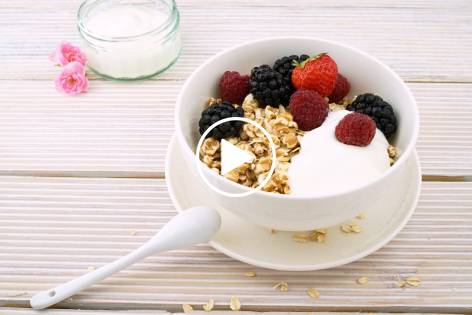
Non-Fat Greek Yogurt is an excellent source of leucine, a potent amino acid that activates the mTOR pathway. This process facilitates the conversion of ingested protein (amino acids) into new muscle protein. Such muscle growth not only boosts metabolism but also enhances strength, vital for maintaining daily activities.

Non-Fat Greek Yogurt: A Wholesome Choice

  • Protein Richness: Containing 15-20 gm of protein in 6-8 ounces, it’s a leucine powerhouse.
  • Balanced Nutrition: Low in carbs, sugars, fats, and lactose, it offers a holistic nutritional profile.
  • Digestive Health: Elevated probiotics content supports digestive well-being.
  • Bone Support: Providing around 400 mg of calcium in two servings, it promotes strong bones.

Enhancing Metabolic Resilience and Well-Being

Incorporating two servings of Non-Fat Greek Yogurt daily can yield significant benefits. Combining this with resistance and cardio exercises can expedite fat reduction, boost muscle mass, and refine muscle tone. This approach amplifies metabolism, strengthens muscles, and fosters overall vitality.

Conclusion: Nurturing Metabolic Health with Non-Fat Greek Yogurt

Non-Fat Greek Yogurt, enriched with leucine and a range of benefits, emerges as a powerful tool against metabolic slowdown and weight gain. Prioritizing muscle preservation through this nutritional choice can revitalize metabolism, bolster muscles, and promote holistic well-being.

References:

  1. Devries MC, McGlory C, Bolster DR, Kamil A, Rahn M. Protein leucine content is a determinant of shorter- and longer-term muscle protein synthetic responses at rest and following resistance exercise in healthy older women: a randomized, controlled trial. The American Journal of Clinical Nutrition, Volume 107, Issue 2, 1 February 2018, Pages 217–226
    https://academic.oup.com/ajcn/article-abstract/107/2/217/4911436?redirectedFrom=fulltext
  2. Greek Yogurt: https://www.quora.com/Does-Greek-yogurt-help-build-muscle-after-exercise

Eat Smart, Live Well, Look Great,

Dr. Meschino

Dr. James Meschino

Dr. James Meschino

ABOUT THE AUTHOR

Dr. James Meschino, DC, MS, ROHP, is an educator, author, and researcher having lectured to thousands of healthcare professionals across North America. He holds a Master’s Degree in Science with specialties in human nutrition and biology and is recognized as an expert in the field of nutrition, anti-aging, fitness, and wellness as well as the author of numerous books.
Posted on

LMU 102 – Soy (Genistein) Benefits for Fatty Liver and Health Improvement

LMU-102

LMU 102 – Soy (Genistein) Benefits for Fatty Liver and Health Improvement

Source: Clinical Nutrition (journal) August 2018

Lifestyle Medicine Update (September 1, 2018)

Introduction:

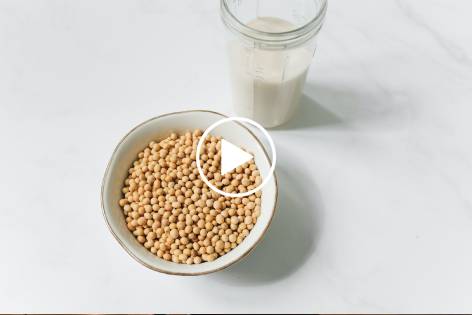
Soybeans contain isoflavones, including genistein and daidzein, which offer potential health advantages, from cancer prevention to cholesterol reduction.

Anti-Cancer and Cholesterol-Lowering Effects:

Isoflavones, particularly genistein, display anti-cancer properties and can help lower cholesterol, especially when replacing high-fat animal products in the diet.

Genistein’s Impact on Blood Sugar and Triglycerides:

A significant study published in Clinical Nutrition (August 2018) showcased genistein’s potential to enhance blood sugar regulation and reduce triglycerides in pre-diabetic patients with fatty liver (NASH).

Study Details and Results:

The double-blind clinical trial involved 82 subjects with pre-diabetes and NASH. Half took 250 mg of genistein supplement for 8 weeks, revealing improved blood sugar control, lowered triglyceride levels, reduced inflammation markers, and decreased oxidative stress.

Complementary Health Improvements:

Beyond blood sugar and triglyceride benefits, the genistein group also experienced reductions in belly fat and percentage body fat.

Natural Sources of Soy Isoflavones:

Regularly consuming soy-based foods (edamame, tofu, soy nuts, tempeh, etc.) can provide 50-75 mg of soy isoflavones daily. Replacing high-fat animal proteins with these options can improve cholesterol levels and reduce cancer risk.

Accumulative Benefits over Time:

Long-term consumption of soy isoflavones, including genistein, through dietary choices can offer accumulated health advantages by accumulating in key body tissues.

Considering Genistein Supplements:

If dealing with fatty liver, pre-diabetes, or type 2 diabetes, discussing the Clinical Nutrition study with a healthcare professional can help determine the potential benefits of incorporating a genistein supplement.

Conclusion: Leveraging Soy’s Power for Health Improvement

Soy, rich in genistein and isoflavones, presents a range of health benefits from combating cancer to enhancing blood sugar control and reducing triglycerides. Incorporating soy-based foods into the diet offers a natural way to reap these advantages, with the potential option of considering genistein supplements under medical guidance.

Reference:

Amant S, Effekharri MH et al. Genistein supplementation improves insulin resistance and inflammatory state in non-alcoholic fatty liver patients: A Randomized, controlled trial. Clinical Nutrition. 2018. 37;4:1210-1215.
https://www.clinicalnutritionjournal.com/article/S0261-5614(17)30202-9/fulltext

Eat Smart, Live Well, Look Great,

Dr. Meschino

Dr. James Meschino

Dr. James Meschino

ABOUT THE AUTHOR

Dr. James Meschino, DC, MS, ROHP, is an educator, author, and researcher having lectured to thousands of healthcare professionals across North America. He holds a Master’s Degree in Science with specialties in human nutrition and biology and is recognized as an expert in the field of nutrition, anti-aging, fitness, and wellness as well as the author of numerous books.

Posted on

LMU 101 – Nutritional Psychiatry for Enhancing Mental Health

LMU-101

LMU 101 – Nutritional Psychiatry for Enhancing Mental Health

Source: Food and Behaviour Research (FAB) 2018

Lifestyle Medicine Update (August 24, 2018)

Introduction:

Introducing Nutritional Psychiatry – a growing concept in healthcare. It is gaining traction among mental health professionals who follow research trends. Emerging studies highlight the potential of specific dietary and supplementation practices to address mental health concerns such as depressionanxiety, and stress-related issues. This approach is complementary to standard therapies and can offer valuable benefits.

Key Points:

  1. Significance of Nutritional Psychiatry:  
    • Nutritional Psychiatry is gaining acceptance among psychiatrists, psychologists, and family physicians.
    • Studies suggest that targeted dietary and supplementation strategies can prevent and treat mental health problems.
  1. Complementary Role in Mental Health:
    • Nutritional approaches don’t replace standard medications; they complement them.
    • Research shows combining dietary strategies with drug therapies improves outcomes.
    • Suitable for both prevention and complementary treatment for depressionanxiety, and stress.
  1. Evidence on Supplements and Mental Health:
    • Some studies indicate the potential benefits of supplements like L-Taurine, even for conditions like schizophrenia.
    • Experts don’t advocate replacing medications with nutrition but highlight the enhancement potential.
  1. Key Nutrients for Mental Well-being:
  1. The Gut-Brain Connection:
    • Focus on the gut-brain axis and its impact on mental health.
    • Probiotics and prebiotics show promise in improving mental well-being.
  1. Importance of Education and Training:
    • Nutritional Psychiatry stresses the need for better education on nutrition’s role in mental health.
    • Improved awareness among the public and professionals is essential.
  1. Recommendations for Individuals:
    • For those dealing with mental health issues, seeking help from trained Nutritional Psychiatry professionals is recommended.
    • Personalized dietary plans, supplementation, and exercise can complement medical treatments.
    1. Holistic Approach for Better Lives:
      • Combining personalized dietary and supplementation plans with medical treatment enhances mental health.
      • Offers potential for significant improvement, relapse prevention, and improved quality of life.

    Conclusion:

    Nutritional Psychiatry holds promise for enhancing mental health. Collaboration between traditional treatments and personalized dietary strategies can lead to a more comprehensive approach. Continued research, education, and awareness are crucial to integrating nutritional approaches into mental health care practices.

    References:

    1. Chu W. Nutritional Psychiatry: Accessing the gut to address the brain. Food and Behaviour Research (August 17, 2018) https://www.fabresearch.org/viewItem.php?id=11919
    2. Taylor AM, Holsher HD. A review of dietary and microbial connections to depressionanxiety, and stress. Nutr Neurosci. 2016, July 9:1-14 https://www.ncbi.nlm.nih.gov/pubmed/?term=A+review+of+dietary+and+microbial+connections+to+depression%2C+anxiety%2C+and+stress
    3. Jacka FN. Nutritional psychiatry: Where do we go next? EBioMedicine. 2017. March 17:24-29. https://www.ncbi.nlm.nih.gov/pmc/articles/PMC5360575/

    Eat Smart, Live Well, Look Great,

    Dr. Meschino

    Introduction:

    Introducing Nutritional Psychiatry – a growing concept in healthcare. It is gaining traction among mental health professionals who follow research trends. Emerging studies highlight the potential of specific dietary and supplementation practices to address mental health concerns such as depression, anxiety, and stress-related issues. This approach is complementary to standard therapies and can offer valuable benefits.

    Key Points:

    1. Significance of Nutritional Psychiatry:
      • Nutritional Psychiatry is gaining acceptance among psychiatrists, psychologists, and family physicians.
      •  Studies suggest that targeted dietary and supplementation strategies can prevent and treat mental health problems.
    1. Complementary Role in Mental Health:
      • Nutritional approaches don’t replace standard medications; they complement them.
      • Research shows combining dietary strategies with drug therapies improves outcomes.
      • Suitable for both prevention and complementary treatment for depression, anxiety, and stress.
    1. Evidence on Supplements and Mental Health:
      • Some studies indicate the potential benefits of supplements like L-Taurine, even for conditions like schizophrenia.
      • Experts don’t advocate replacing medications with nutrition but highlight the enhancement potential.
    1. Key Nutrients for Mental Well-being:
      • Essential nutrients play a vital role in addressing depression and anxiety.
      • Nutrients like folic acid, iron, magnesium, selenium, vitamins A, B6, B12, and C are crucial.
    1. The Gut-Brain Connection:
      • Focus on the gut-brain axis and its impact on mental health.
      • Probiotics and prebiotics show promise in improving mental well-being.
    1. Importance of Education and Training:
      • Nutritional Psychiatry stresses the need for better education on nutrition’s role in mental health.
      • Improved awareness among the public and professionals is essential.
    1. Recommendations for Individuals:
      • For those dealing with mental health issues, seeking help from trained Nutritional Psychiatry professionals is recommended.
      • Personalized dietary plans, supplementation, and exercise can complement medical treatments.
    1. Holistic Approach for Better Lives:
      • Combining personalized dietary and supplementation plans with medical treatment enhances mental health.
      • Offers potential for significant improvement, relapse prevention, and improved quality of life.

    Conclusion:

    Nutritional Psychiatry holds promise for enhancing mental health. Collaboration between traditional treatments and personalized dietary strategies can lead to a more comprehensive approach. Continued research, education, and awareness are crucial to integrating nutritional approaches into mental health care practices.

    References:

    1. Chu W. Nutritional Psychiatry: Accessing the gut to address the brain. Food and Behaviour Research (August 17, 2018) https://www.fabresearch.org/viewItem.php?id=11919
    2. Taylor AM, Holsher HD. A review of dietary and microbial connections to depression, anxiety, and stress. Nutr Neurosci. 2016, July 9:1-14 https://www.ncbi.nlm.nih.gov/pubmed/?term=A+review+of+dietary+and+microbial+connections+to+depression%2C+anxiety%2C+and+stress
    3. Jacka FN. Nutritional psychiatry: Where do we go next? EBioMedicine. 2017. March 17:24-29. https://www.ncbi.nlm.nih.gov/pmc/articles/PMC5360575/

    Eat Smart, Live Well, Look Great,

    Dr. Meschino

    Dr. James Meschino

    Dr. James Meschino

    ABOUT THE AUTHOR

    Dr. James Meschino, DC, MS, ROHP, is an educator, author, and researcher having lectured to thousands of healthcare professionals across North America. He holds a Master’s Degree in Science with specialties in human nutrition and biology and is recognized as an expert in the field of nutrition, anti-aging, fitness, and wellness as well as the author of numerous books.
    Posted on

    LMU 100 – Unveiling the Sweet Connection: High Glycemic Diets and Colorectal Cancer Risk

    LMU-100

    LMU 100 – Unveiling the Sweet Connection: High Glycemic Diets and Colorectal Cancer Risk

    Source: American Journal of Clinical Nutrition (August 2018)

    Lifestyle Medicine Update (August 17, 2018)

    Introduction

    The intricate tapestry of health is woven from an intricate interplay of factors, a dance between choices and consequences. In this intricate choreography, a significant study emerged in August 2018, published in the American Journal of Clinical Nutrition. This study unfurled a narrative of paramount importance, connecting the dots between dietary habits, insulin response, and the risk of a menacing adversary: colorectal cancer. By merging the threads of two landmark studies—the Health Professionals Follow-Up Study and the Nurses’ Health Study—this research cast light on a pressing concern: the glycemic potential of diets and their insidious link to the realm of colorectal cancer.

    Unravelling the Threads: The Study’s Genesis

    Stepping onto the stage of scientific exploration, the study showcased a pioneering blend of data. Fuelled by the Health Professionals Follow-Up Study’s expansive journey into the lives of over 46,000 male health practitioners and the Nurses’ Health Study’s dedicated pursuit of over 74,000 female nurses, the canvas stretched over decades. The tapestry of inquiry spanned from 1984 to 2012, an intricate narrative encompassing the dietary rhythms and health trajectories of these dedicated individuals.

    Glycemic Potential: A Glimpse into Colorectal Cancer Risk

    As the narrative unfolded, the crux of the investigation emerged—the glycemic nature of the diets embraced by these health warriors. The Empirical Dietary Index for Hyperinsulinemia (EDIH), a gauge of glycemic response, took center stage. This index cast its gaze upon the potential for blood sugar elevation and insulin secretion provoked by each individual’s dietary choices. The correlation between these glycemic footprints and the spectre of colorectal cancer was poised for revelation.

    The Resounding Echo: Diet’s Role in Colorectal Cancer Risk

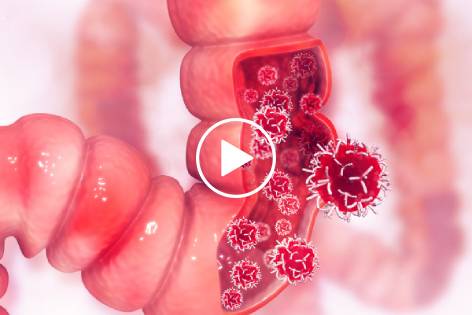
    As the findings were laid bare, a crescendo reverberated—an unmistakable link between high glycemic diets and colorectal cancer risk. The male participants bearing the weight of high glycemic diets stood before a 33% heightened risk of colon cancer, a striking contrast to their counterparts who adhered to the sanctuary of low glycemic dietary patterns. Women too shared this sombre fate, as those consuming high glycemic diets faced a 22% amplified risk of colon cancer compared to their low glycemic adherents. The tale these statistics wove was not unfamiliar—previous chapters of research had already etched the correlation between sugary and starchy diets, surging blood sugars, insulin overdrive, and the spectre of colorectal cancer.

    The Unveiling of Insulin’s Dual Role: A Mediator of Risk

    As the curtains of insight drew back, a dual role of insulin emerged—one of promoting rapid cell division in the lining of the colon and rectum. A perilous dance ensued, the cells of the gastrointestinal tract thrust into a frenetic rhythm. More rapid cell division paved the path for genetic mutations to flourish, setting the stage for the ominous transformation into cancerous entities. As the researchers illuminated this intricate choreography, they underscored the pivotal role of insulin in influencing the march towards colorectal cancer.

    Crafting a Prelude to Prevention: The Holistic Wellness Ensemble

    Amidst the tapestry of findings, a refrain emerged—a clarion call for prevention, an arsenal of strategies designed to disarm the threat of colorectal cancer. Assembling a symphony of wellness, the clarion call bore the promise of significant reduction in risk. The list of strategies unveiled a roadmap—a roadmap to resilience:

    1. Reducing high-fat animal products, trans-fats, deep-fried foods, and processed meats.
    2. Incorporating calcium-rich foods or supplements.
    3. Sustaining optimal vitamin D levels.
    4. Ensuring sufficient B-vitamin, folic acid intake.
    5. Moderating or eliminating alcohol consumption.
    6. Avoiding smoked, charred, or high-temperature-cooked meats.
    7. Steering clear of nitrates and nitrites in preserved foods.
    8. Embracing dietary fiber.
    9. Maintaining an ideal body weight.
    10. Engaging in regular physical exercise.
    11. Abandoning the smoking habit.

    The Symphony of Lifelines: A Vibrant Conclusion

    In the grand finale of this intricate dance, the researchers’ voices harmonized—a symphony of lifelines resonated. This comprehensive ensemble, a chorus of nutritional wisdom and lifestyle resilience, heralded a path to optimized longevity—a roadmap illuminated by reduced risk of colon cancer and a myriad of degenerative diseases. As the curtain fell on this chapter, the researchers’ parting words echoed—a resounding call for vigilance, for colo-rectal cancer’s mantle as the second leading cause of cancer death necessitates a profound embrace of prevention. In a world where choices echo through the corridors of health, this study stands as a sentinel, guiding the way to a future where the risk of colon cancer is written into the sands of history.

    References

    1. Tabung F, Wang, W, Fung, T, et al. (2018). Association of dietary insulinemic potential and colorectal cancer risk in men and women. Am J Clin Nutri. [Link] (https://academic.oup.com/ajcn/article-abstract/108/2/363/5036567?redirectedFrom=fulltext)
    2. C-peptide as a Marker of Insulinemic Response to Diet. [Link] (https://www.ncbi.nlm.nih.gov/pmc/articles/PMC1829170/)
    3. Assessing Insulin Response. [Link] (https://www.ncbi.nlm.nih.gov/books/NBK278954/)

    Eat Smart, Live Well, Look Great,

    Dr. Meschino

    Dr. James Meschino

    Dr. James Meschino

    ABOUT THE AUTHOR

    Dr. James Meschino, DC, MS, ROHP, is an educator, author, and researcher having lectured to thousands of healthcare professionals across North America. He holds a Master’s Degree in Science with specialties in human nutrition and biology and is recognized as an expert in the field of nutrition, anti-aging, fitness, and wellness as well as the author of numerous books.

    Posted on

    LMU 99 – Battling Brain Aging: The Weighty Link Between Abdominal Fat and Cognitive Decline

    LMU-99

    LMU 99 – Battling Brain Aging: The Weighty Link Between Abdominal Fat and Cognitive Decline

    Source: British Journal of Nutrition (July 2018)

    Lifestyle Medicine Update (August 10, 2018)

    Introduction

    In the realm of health, the intricate connection between body and mind continues to unfold. A seminal study, unveiled in the British Journal of Nutrition in July 2018, spotlighted the profound interplay between weight and cognitive health. As whispers of cognitive decline, dementia, and Alzheimer’s disease become louder with age, this study surfaced as a beacon of insight, unravelling the weighty implications that excess pounds hold for our brain’s longevity.

    A Bridge Between Weight and Mind: The Study’s Genesis

    Amidst the sea of research, a study emerged bearing the hallmark of importance. Rooted in the British Journal of Nutrition, the study illuminated a well-tread path—one that had previously connected being overweight with cognitive decline. Yet, this exploration delved deeper, carving a niche within the realm of weight distribution. The canvas stretched across 5,000 individuals, a congregation beyond the age of 60. As participants embarked on a journey of cognitive assessment, their minds traversed the labyrinth of neuropsychological and memory tests. Their bodies too bore witness to this saga, subjected to a symphony of physical examinations and the scrutiny of blood work analysis.

    A Mirror of Consequence: The Abdominal Fat Connection

    As the tapestry of data unfurled, a revelation etched in bold strokes—the perilous dance between higher abdominal fat and cognitive function. The waist-to-hip ratio (WHR) emerged as a key protagonist, unveiling its role as a harbinger of reduced cognitive function. This cast of individuals, adorned with higher WHR, bore a distinctive mark—elevated inflammatory markers graced their blood analyses, accompanied by a resounding higher hemoglobin A1c reading (HbA1c).

    Inflammation’s Veil: Unmasking the Brain Damage Culprit

    The plot thickened as researchers peeled back the layers, revealing a sinister undercurrent. Abdominal fat, a silent perpetrator, was unmasked as a source of inflammation. Inflammatory chemicals known as cytokines, secreted by abdominal fat, ignited a cascade of events that fan the flames of brain inflammation, promoting the brain damage intimately associated with dementia and cognitive decline. As the dust settled, one blood marker stood resolute—the high-specific C-Reactive Protein blood test (hs-CRP). This test painted a vivid picture, tracing the footsteps of inflammation as it meandered through blood vessels, setting ablaze brain cells and vascular territories alike.

    The Sugar-Coated Assault: Blood Sugar and Brain Health

    A grand revelation emerged, casting a spotlight on blood sugar’s sinister undercurrents. Like a stealthy infiltrator, elevated blood sugar coated the hemoglobin within red blood cells with a sugary veneer. This sugar-coated hemoglobin, a harbinger of destruction, precipitated the crystallization of damage—a cascade that wreaked havoc upon blood vessels, setting the stage for inflammation to cast its suffocating web. Amid this vortex, a new character emerged—the hemoglobin A1c test. A higher reading, a clarion call, heralded the union of excess abdominal fat with cognitive decline.

    The Belly Fat Equation: Weight, Cognitive Decline, and Hope

    Amid the labyrinth of findings, a truth beckoned—weight, in its entirety, might not wield the reins of age-related cognitive decline. Instead, a specific facet—excess abdominal fat—stood resolute as the harbinger of risk. The message woven into this revelation was unequivocal—those harboring the burden of abdominal fat must heed its siren call. An intervention is more than a lifeline—it’s a passport to uncharted territories, away from the precipice of dementia and Alzheimer’s disease. The researchers’ counsel echoed through the corridors of prevention—trim the excess, recalibrate the abdominal score, and check the vitals. Elevations in C-reactive protein and HbA1c, once abated, relinquish their dominion over the menacing shadow of cognitive decline.

    The Symphony of Reversal: A Tale of Hope

    As the study unfurled, it bore testimony to a truth often sidelined—excess abdominal fat is not an immutable destiny. A symphony of hope resonated through its findings, revealing a harmonious dance between prudent dietary practices and regular physical activity. The equation, though weighty, bore the promise of reversal—a beacon for those in pursuit of cognitive longevity.

    Conclusion: An Overture of Wellness

    In the annals of health, this study’s revelation resounds—a triumphant ode to the unity of body and mind. The symphony of evidence unveiled a bridge—one that traversed from abdominal fat to cognitive decline. As the curtain fell on this study, it rose on a journey of intervention—a path where abdominal fat is not a lament, but a beacon towards cognitive vitality.

    References

    1. Ntlholang O et al. (2018). The relationship between adiposity and cognitive function in a large community-dwelling population: data from the Trinity Ulster Department of Agriculture (TUDA) ageing cohort study. British J Nutr.
      [Link] (https://www.cambridge.org/core/journals/british-journal-of-nutrition/article/relationship-between-adiposity-and-cognitive-function-in-a-large-communitydwelling-population-data-from-the-trinity-ulster-department-of-agriculture-tuda-ageing-cohort-study/92B48D9F2754CE425A88482506CAAED6)
    2. C-Reactive Protein and Cognitive Decline: in Journal of Dement Geriatr Cogn Dis Extra (2016).
      [Link] (https://www.ncbi.nlm.nih.gov/pmc/articles/PMC4772636/)
    3. Central Obesity and high-sensitivity C-reactive protein in metabolic syndrome: Int J Obesity (2005).
      [Link] (https://www.ncbi.nlm.nih.gov/pubmed/16077717)

    Eat Smart, Live Well, Look Great,

    Dr. Meschino

    Dr. James Meschino

    Dr. James Meschino

    ABOUT THE AUTHOR

    Dr. James Meschino, DC, MS, ROHP, is an educator, author, and researcher having lectured to thousands of healthcare professionals across North America. He holds a Master’s Degree in Science with specialties in human nutrition and biology and is recognized as an expert in the field of nutrition, anti-aging, fitness, and wellness as well as the author of numerous books.

    Posted on

    LMU 98 – Unveiling the Shield: A French Study Redefines Cancer Prevention through Nutrition and Lifestyle

    LMU-98

    LMU 98 – Unveiling the Shield: A French Study Redefines Cancer Prevention through Nutrition and Lifestyle

    Source: American Association for Cancer Research journal (July 2018)

    Lifestyle Medicine Update (August 3, 2018)

    Introduction

    In the ever-evolving landscape of cancer prevention, a pivotal French study surfaced in July 2018, capturing attention with its revelations. Published in the prestigious American Association for Cancer Research journal, this research probed the intricate interplay between nutrition, lifestyle, and cancer risk. Against the backdrop of rising cancer incidences, this study embarked on a journey to decipher the impact of adhering to dietary recommendations on cancer prevention.

    A Panoramic Gaze: The Scope of the Study

    With a canvas spanning 41,543 participants aged 40 and above, residing in France, this study weaved a narrative of cancer prevention. Their collective tapestry held a common thread—they had not encountered the spectre of cancer before the study’s initiation. As these individuals journeyed through almost eight years, from May 2009 to January 2017, their dietary choices and lifestyles underwent scrutiny. In this span, 488 breast cancers, 222 prostate cancers, and 118 colorectal cancer cases emerged—a backdrop against which the story of cancer prevention would be painted.

    A Beacon of Health: Guided by the American Institute for Cancer Research

    The heart of this study lay in contrasting the outcomes of diverse dietary programs with the recommendations championed by the American Institute for Cancer Research. Amid the contenders were renowned regimes—the Mediterranean Diet, the Alternate Healthy Eating Index, and the French Nutrition and Health Program. As the findings unfurled, a beacon of insight emerged—those who embraced the American Institute for Cancer Research’s guidelines reaped the most promising cancer prevention outcomes. This revelation illuminated the path to shielding against the incursions of cancer.

    Statistics Unveiled: The Power of a Point

    Quantifying the impact, the study’s architects uncovered a staggering correlation. For each incremental rise of one point in the American Institute for Cancer Research score, an astonishing 12% decrease in overall cancer risk danced to the fore. Delving deeper, the intricate dance of statistics heralded a 14% drop in breast cancer risk and a parallel 12% dip in prostate cancer risk. The thread of prevention intertwined with every digit, weaving a mosaic of hope.

    A Symphony of Seven: The Nutritional Commandments

    Within the study’s embrace lay the American Institute for Cancer Research’s seven nutritional and lifestyle commandments, echoing with resonance. These directives sculpted the roadmap to cancer resilience, entwining health and prevention:

    1. Remain at a healthy weight
    2. Be physically active
    3. Eat a diet rich in whole grains, vegetables, fruits, and beans
    4. Limit consumption of fast foods and other processed foods high in fat, starches, or sugars
    5. Limit consumption of red meat and processed meat
    6. Limit consumption of sugar-sweetened drinks
    7. Limit alcohol consumption

    Dismantling a Common Elixir: Alcohol and Cancer

    A spotlight shone on the role of alcohol—a common elixir embraced under the aegis of health. However, as researchers unravelled the tapestry of risk, a startling truth emerged. The reduction of cancer risk among adherents of the American Institute for Cancer Research’s guidelines stemmed, in part, from avoiding alcohol. Recent research cascaded with harmony—alcohol stood implicated in various cancers, shattering the illusion of a benign elixir. With the echoes of World Cancer Research Fund (WCRF) resonating, the symphony bore witness to the link between alcohol and cancers of the oropharynx, esophagus, liver, colorectal, post-menopausal breast, stomach, premenopausal breast, and prostate.

    A Mosaic of Protection: The Study’s Conclusion

    From the depths of data emerged a mosaic of protection. The findings etched a narrative that transcended dietary regimes and embraced holistic health. A diet weaved with healthy eating, physical activity, and the avoidance of alcohol emerged as a formidable arsenal against cancer risk. The symphony of resilience resonated—breast, prostate, and colorectal cancers confronted a tapestry of prevention woven from nutritional threads.

    A Vision for the Future: The Power of Adherence

    In the broader canvas of developed nations, the World Cancer Research Fund/American Institute for Cancer Research (WCRF/AICR) crafted an estimate—a future where 35% of breast cancers and 45% of colorectal cancers could be thwarted through unwavering adherence to prudent nutritional recommendations. Amid these numerical marvels, the beacon of the seven recommendations illuminated the path to a future marred by fewer cancer diagnoses.

    Conclusion: An Overture of Hope

    As the pages of the study beckon us to delve into its revelations, a symphony of hope unfurls. The French study’s journey through nutrition, lifestyle, and cancer prevention reaffirms the power we hold within our choices. Each morsel of nutrition, each step of exercise, each decision to abstain—all coalesce into an overture of hope against cancer’s pervasive shadow.

    References

    1. Céline Lavalette et al. (2018). Cancer-Specific and General Nutritional Scores and Cancer Risk: Results from the Prospective NutriNet-Santé Cohort. Cancer Research. [Link] (http://cancerres.aacrjournals.org/content/78/15/4427)
    2. American Institute for Cancer Research. Recommendations to Prevent Cancer. [Link] (http://www.aicr.org/reduce-your-cancer-risk/recommendations-for-cancer-prevention/)

    Eat Smart, Live Well, Look Great,

    Dr. Meschino

    Dr. James Meschino

    Dr. James Meschino

    ABOUT THE AUTHOR

    Dr. James Meschino, DC, MS, ROHP, is an educator, author, and researcher having lectured to thousands of healthcare professionals across North America. He holds a Master’s Degree in Science with specialties in human nutrition and biology and is recognized as an expert in the field of nutrition, anti-aging, fitness, and wellness as well as the author of numerous books.
    Posted on

    LMU 97 – Nature’s Armor: A Bounty of Fruits and Vegetables in the Fight Against Breast Cancer

    LMU-97

    LMU 97 – Nature's Armor: A Bounty of Fruits and Vegetables in the Fight Against Breast Cancer

    Source: International Journal of Cancer (July 2018)

    Lifestyle Medicine Update (July 27, 2018)

    Introduction

    In the relentless quest to combat breast cancer, a landmark study emerged in July 2018, illuminating the remarkable armor that nature’s offerings provide. While previous investigations hinted at the link between fruit and vegetable consumption and reduced breast cancer risk, limitations loomed over their conclusions. Enter the pivotal study led by Maryam Farvid, et al., gracing the pages of the International Journal of Cancer. This groundbreaking research offers an unparalleled panorama of the pivotal role that a diet rich in fruits and vegetables plays in the arena of breast cancer prevention.

    A Culmination of Insights: The Power of Abundant Produce

    As the pages of the International Journal of Cancer unfurled, the contours of a comprehensive study came into view. Driven by a thirst for knowledge, the researchers delved into data culled from the Nurses’ Health Study (NHS, 1980-2012) and NHSII (1991-2013). Over 182,000 women, aged 27-59 at the study’s inception, embarked on a journey of dietary disclosure every four years, weaving a tapestry of nutritional insights. Yet, this journey ventured beyond diet, encompassing the labyrinth of breast cancer risk factors—from age and weight to smoking status and familial cancer history. A symphony of variables converged to unravel a profound truth—one that would redefine the canvas of breast cancer prevention.

    The Nourishing Shield: Fruits and Vegetables Unveiled

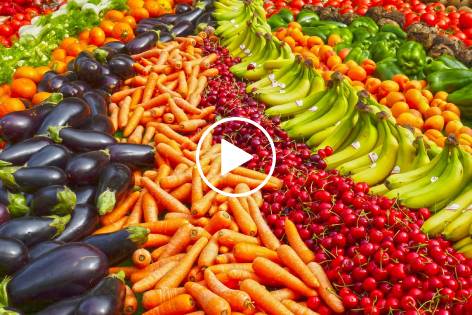
    As the data danced in the hands of researchers, the symphony of fruits and vegetables assumed center stage. The findings transcended mere consumption, revealing a staggering reality. Women who embraced a diet crowned by more than 5.5 servings of these nutritional gems daily wielded an 11% lower risk of breast cancer compared to their counterparts who embraced 2.5 or fewer servings. Each serving, whether a cup of raw leafy vegetables or half a cup of succulent fruits, wove a thread of protection against the ominous spectre of breast cancer. Yet, certain protagonists emerged from this nutritional ensemble—cruciferous vegetables, radiant in their green glory, and the sun-kissed brilliance of yellow and orange vegetables. Their embrace showcased a formidable association with reduced breast cancer risk, charting a path toward wellness.

    A Multifaceted Arsenal: Fruits, Vegetables, and Aggressive Tumors

    Unravelling the secrets within fruits and vegetables, the study ventured into the realm of tumor aggression. Here, the narrative took an unexpected turn. The warriors of health not only lowered breast cancer risk but also thwarted the ascent of more aggressive adversaries—ER-negative, HER2-positive, and basal-like tumors. This revelation etched the narrative of fruits and vegetables as custodians of health, fending off not only the conventional foe but also its fiercer incarnations.

    Beyond Fiber: Unveiling the Nutrient Ensemble

    In the theater of health, the spotlight often fixated on fiber as a guardian against breast cancer risk. However, this journey yielded a surprising twist—fruits and vegetables wielded their magic independently of their fiber content. Within their vibrant embrace, antioxidants, phytonutrients, and micronutrients wove an intricate tapestry of protection. This symphony of constituents stood as potent agents in the battle against breast cancer, casting light upon the path of prevention.

    Guiding Lights: Lifestyle Factors and Beyond

    As the study’s revelations echoed, they harmonized with other voices advocating for wellness. Beyond the world of fruits and vegetables, a chorus of lifestyle factors emerged as guiding lights in the symphony of prevention. An ideal weight, an alliance with regular exercise, a diet forsaking saturated fats, trans-fats, deep-fried fare, and alcohol, along with the maintenance of optimal vitamin D levels, painted a roadmap toward breast cancer resilience. The canvas of health embraced myriad hues, with each brushstroke imbued with the power to rewrite destinies.

    A Call to Nourishment: A Tale of Transformation

    The study’s narrative serves as a clarion call—a plea for transformation through nourishment. As individuals, we hold the palette of our health, capable of painting resilience against the canvas of life’s challenges. The fruits and vegetables that grace our tables extend an invitation—a dance of flavors that holds the promise of shielding against breast cancer’s incursions.

    Conclusion: The Symphony of Wellness

    In the grand symphony of health, the harmonious melodies of fruits and vegetables resound with remarkable potency. The research of Maryam Farvid and her team has cast a spotlight on a nutritional duo that transcends taste, serving as sentinels against breast cancer’s shadows. As we journey through life’s landscapes, the fruits and vegetables we embrace bear the promise of guarding our well-being—a testament to the power of nature’s offerings.

    References

    1. Maryam S. Farvid et al. (2018). Fruit and vegetable consumption and breast cancer incidence: Repeated measures over 30 years of follow-up. International Journal of Cancer. [Link] (https://onlinelibrary.wiley.com/doi/abs/10.1002/ijc.31653)

    Eat Smart, Live Well, Look Great

    Dr. Meschino

    Dr. James Meschino

    Dr. James Meschino

    ABOUT THE AUTHOR

    Dr. James Meschino, DC, MS, ROHP, is an educator, author, and researcher having lectured to thousands of healthcare professionals across North America. He holds a Master’s Degree in Science with specialties in human nutrition and biology and is recognized as an expert in the field of nutrition, anti-aging, fitness, and wellness as well as the author of numerous books.
    Posted on

    LMU 96 – Oranges: The Unexpected Guardians Against Macular Degeneration

    LMU-96

    LMU 96 – Oranges: The Unexpected Guardians Against Macular Degeneration

    Source: American Journal of Clinical Nutrition (July 2018)

    Lifestyle Medicine Update (July 20, 2018)

    Introduction

    In the vast tapestry of health, certain revelations shine like beacons, illuminating pathways towards better lives. A groundbreaking study emerged in 2018, etching a remarkable connection between oranges and the prevention of macular degeneration. Macular degeneration, a relentless adversary stealing sight from those over 55, finds no cure. Yet, within the vibrant hues of oranges, a potential shield against this threat emerges, capturing the attention of the eye disease research community.

    Oranges’ Power Against Macular Degeneration

    Within the annals of scientific literature, the American Journal of Clinical Nutrition heralded a game-changing study in 2018. Its focus? The transformative power of oranges in the realm of macular degeneration prevention. This ailment, a silent thief of sight, occupies the forefront as a leading cause of blindness among those in their golden years. Armed with a 15-year journey of exploration, the researchers navigated the intriguing landscape where oranges and macular degeneration intersect.

    A Journey Through Research: Oranges and Macular Degeneration

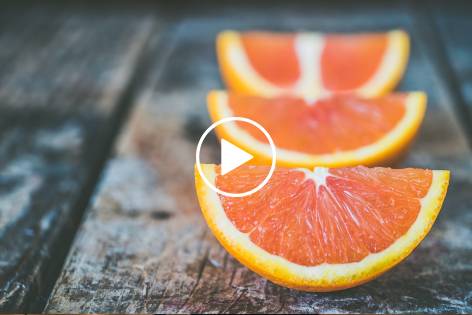
    Embarking on a journey to unearth the secrets held within oranges, the researchers engaged over 2,000 Australian adults aged over 50. These individuals became participants in a 15-year odyssey, a testament to science’s unwavering dedication to unravelling mysteries. The findings, unveiled with precision, showcased a remarkable statistic—a more than 60% reduced risk of developing advanced macular degeneration over 15 years for those who savored at least one serving of oranges daily. Even a weekly rendezvous with an orange bore significant benefits, echoing a simple yet powerful truth.

    Nutrition and Lifestyle: Building Blocks of Protection

    Amid the cacophony of health’s myriad factors, diet and lifestyle emerge as architects of protection. The footprint of macular degeneration bears testament to this truth. Diabetes, obesity, high blood pressure, high cholesterol, and smoking stand as looming shadows, casting risks upon the canvas of our lives. Counteracting these threats involves maintaining a lean physique, embracing exercise, nurturing a cholesterol-friendly diet, and eschewing the vice of smoking. Through these pillars, the risk of this formidable eye ailment retreats.

    The Role of Free Radicals and Antioxidants

    The narrative of macular degeneration is not solely penned by the hands of genetics and lifestyle. Free radicals, spawned by the sun’s ultraviolet embrace, wreak havoc upon the eyes. It is within this realm that antioxidants arise as steadfast allies, waging a battle against free radical incursions. A chorus of nutrients—vitamin C, vitamin E, beta-carotene, zinc, lutein, and zeaxanthin—forms the vanguard of this defence. United, they halt or slow the inexorable march of macular degeneration, while also safeguarding against cataract development.

    Flavonoids: Nature’s Canvas of Protection

    Within the canvas of nutrition, the 2018 study painted a portrait of flavonoids, vibrant compounds manifesting in various foods. Tea, apples, red wine, and oranges all contributed to this symphony of nutrients. Yet, in this chorus, only one voice soared—the orange. Its presence proved significant, with consumption emerging as a protective force against macular degeneration. The singular act of enjoying an orange daily or more offered a 60% lower risk of encountering this affliction over the 15-year span.

    A Taste of Wisdom: One Orange a Day

    The profound lesson embedded within the 2018 study is as simple as it is transformative. The consumption of a single orange daily may well serve as a cornerstone of ocular health. As the curtains rise on life’s stages, the role of oranges transcends taste, becoming guardians against the spectre of macular degeneration—a relentless foe lurking as we age.

    Conclusion: Savoring Health Through Oranges

    In the grand tapestry of health and wellness, oranges emerge as unsung heroes, bearing the gift of sight preservation. The symphony of research, painted across years of exploration, underscores the potent connection between oranges and macular degeneration’s deterrence. As the scientific and medical communities unravel these revelations, one truth remains—an orange a day may offer a vibrant shield, fending off the dark shroud of blindness.

    References

    1. Bamini Gopinath et al. (2018). Dietary flavonoids and the prevalence and 15-y incidence of age-related macular degeneration. American Journal of Clinical Nutrition. [Link] (https://academic.oup.com/ajcn/advance-article-abstract/doi/10.1093/ajcn/nqy114/5049680)
    2. 2018 Study Summary: [Link] (https://www.sciencedaily.com/releases/2018/07/180712100504.htm)
    3. AREDS Study – National Eye Institute: [Link] (https://academic.oup.com/ajcn/article-abstract/108/2/381/5049680)
    4. Macular Degeneration Risk Factors: [Link] (https://www.medicinenet.com/macular_degeneration/article.htm)
    5. UV-light and Macular Degeneration Risk from Free Radicals: [Link] (https://www.ncbi.nlm.nih.gov/pubmed/21646979)

    Eat Smart, Live Well, Look Great

    Dr. Meschino

    Dr. James Meschino

    Dr. James Meschino

    ABOUT THE AUTHOR

    Dr. James Meschino, DC, MS, ROHP, is an educator, author, and researcher having lectured to thousands of healthcare professionals across North America. He holds a Master’s Degree in Science with specialties in human nutrition and biology and is recognized as an expert in the field of nutrition, anti-aging, fitness, and wellness as well as the author of numerous books.

    Posted on

    LMU 95 – The Omega-3 Secret: A Youthful Shield Against High Blood Pressure

    LMU-95

    LMU 95 – The Omega-3 Secret: A Youthful Shield Against High Blood Pressure

    Source: Journal of Hypertension (July 2018)

    Lifestyle Medicine Update (July 13, 2018)

    Introduction

    In the realm of health and wellness, discoveries often serve as guideposts towards brighter futures. The year 2018 marked a pivotal moment when the Journal of Hypertension unveiled a revelation with far-reaching implications. The study, nestled in its pages, illuminated the remarkable power of omega-3 fats in the prevention of early-onset high blood pressure. Embarking on a journey through this research, we navigate the corridors of cardiovascular health, where omega-3 fats emerge as youthful guardians against the surge of hypertension.

    Omega-3 and Early-Onset Hypertension: A Connection Unveiled

    Among the myriad of studies that grace the scientific landscape, one stood out—a beacon of insight into early-onset high blood pressure prevention. This study, published in the Journal of Hypertension in July 2018, beckoned researchers to examine the link between omega-3 fat consumption in youth and the prevention of hypertension. Armed with a cohort of over 2,000 young individuals aged 21 to 40 years, the researchers embarked on a quest to unearth the secrets of omega-3 fats and their impact on blood pressure.

    The Study’s Unveiling: Tracking Blood Pressure and Omega-3 Index

    A multi-pronged approach was employed, where blood pressure monitoring played a central role. These young participants underwent office visits and were adorned with a 24-hour blood pressure monitoring device, capturing the ebb and flow of their blood pressure throughout the day. Additionally, blood samples were drawn to assess the omega-3 fat content in their red blood cells—a parameter known as the omega-3 index.

    Decoding the Omega-3 Index: A Simple Metric

    The omega-3 index unravels a profound metric within the realm of cardiovascular health. Comprising a fundamental aspect of red blood cell membranes, the omega-3 fats are evaluated as a percentage of all fats present. If the omega-3 fats constitute 8% of the total, the individual bears an omega-3 index of 8%, a measure that unveils the cardiovascular tapestry. The index’s simplicity mirrors its significance, serving as a pivotal indicator of health.

    Omega-3 Index: A Shield Against Hypertension

    The study’s findings converged with those of prior research, where an omega-3 index of 8% or higher stood as a sentinel against hypertension in older individuals. However, the 2018 study ventured beyond the threshold of age, encapsulating the transformative potential of omega-3 fats in youthful lives. Even in the bloom of youth, ages 21 to 40, a higher omega-3 index emerged as a shield, warding off the onset of borderline high blood pressure (pre-hypertension) or high blood pressure (hypertension). Amidst the inevitable march of aging, vessels often succumb to stiffening, heightening the risk of hypertension. Yet, those with an omega-3 index of 8% or more appeared to stand resilient against age’s pressure.

    Omega-3’s Symphony for Blood Pressure Harmony

    As the symphony of health unfolds, omega-3 fats emerge as a key orchestrator in maintaining blood pressure within the safe confines. In the body’s intricate tapestry, omega-3 fats metamorphose into miniature hormones known as prostaglandin series-3. This transformation ushers in a cascade of relaxation and expansion within blood vessels—a phenomenon known as dilation. Reduced resistance to blood flow ensues, and blood pressure finds equilibrium. Yet, omega-3’s role transcends mere relaxation, extending to a reduction in inflammation, inhibition of platelet aggregation, and prevention of excessive blood stickiness. With inflammation and sticky blood as potential culprits in cardiovascular diseases, omega-3 fats stand as formidable allies in the fight against heart ailments.

    Pursuing the Optimal Omega-3 Index

    Guiding individuals towards the optimal omega-3 index requires a multifaceted approach. A daily intake of 2,000 mg of omega-3 fats from fish and supplements surfaces as a pragmatic strategy. Fish with rich omega-3 content, such as salmon, mackerel, and sardines, seize the limelight. For those seeking the convenience of supplements, a blend comprising fish oil, flaxseed oil, and borage seed oil emerges as a potent ally. Regular intake elevates the omega-3 index, a metric fraught with significance.

    A Battle Against Escalating Trends

    Amidst the nuances of cardiovascular health, a disconcerting trend emerges—high blood pressure’s ascent among the young, ages 20-39 years. From 4% to a staggering 19%, the incidence of hypertension paints a stark picture. Here, the omega-3 index stands as a beacon of hope, offering a pathway to reverse this disquieting trajectory. Alongside exercise, weight maintenance, refraining from smoking, moderate alcohol consumption, and mindful sodium intake, the omega-3 index emerges as a potent tool in averting the menace of early-onset hypertension.

    Conclusion: A Lifelong Symphony of Health

    The echoes of the 2018 study resonate across generations, unveiling the potential of omega-3 fats in preserving youthful cardiovascular vitality. As we traverse the contours of life, omega-3 fats accompany us, orchestrating a symphony of health. A higher omega-3 index emerges as a shield, fending off hypertension’s advances and paving the way for vibrant living. In the quest for wellness, omega-3 fats extend an invitation—to weave them into the fabric of life, nurturing resilience against the tide of high blood pressure.

    References

    1. Journal of Hypertension: [Link] (https://www.ncbi.nlm.nih.gov/pubmed/?term=Whole+blood+omega-3+fatty+acid+concentrations+are+inversely+associated+with+blood+pressure+in+young%2C+healthy+adults)
    2. Omega-3 Index Research Review: [Link] (https://www.docsopinion.com/2015/10/05/the-omega-3-index/)
    3. Higher Blood Pressure In Young Adults 20-39: [Link] (https://medlineplus.gov/magazine/issues/fall11/articles/fall11pg10-11.html)

    Eat Smart, Live Well, Look Great

    Dr. Meschino

    Dr. James Meschino

    Dr. James Meschino

    ABOUT THE AUTHOR

    Dr. James Meschino, DC, MS, ROHP, is an educator, author, and researcher having lectured to thousands of healthcare professionals across North America. He holds a Master’s Degree in Science with specialties in human nutrition and biology and is recognized as an expert in the field of nutrition, anti-aging, fitness, and wellness as well as the author of numerous books.