Posted on

LMU 224 – The Secrets to Heart Health After 45: The CoQ10 and Hawthorn Combo

LMU224

The Secrets to Heart Health After 45: The CoQ10 and Hawthorn Combo

Source: Journal of Physiology and Pharmacology (2017)

Lifestyle Medicine Update (December 22, 2021)

Introduction:

Age, they say, brings wisdom, but it also brings changes to our bodies, particularly our cardiovascular health. After the age of 45, a remarkable transformation occurs within us that often goes unnoticed—a decline in the synthesis of Coenzyme Q10 (CoQ10). This vital compound plays a crucial role in converting food into energy within our cells, especially in the powerhouse muscle cells of our hearts.

CoQ10: The Energy Elixir

By the time we reach 45, our bodies produce less CoQ10, leaving most tissues with suboptimal levels. The consequence? A reduced ability to synthesize energy efficiently. When this decline affects the heart muscle, it can no longer contract with the vigor required, contributing to the development of congestive heart failure—a leading cause of hospital admissions among those aged 65 and older.

CoQ10 to the Rescue

Thankfully, research shows that CoQ10 supplementation can maintain and replenish optimal tissue levels, allowing the heart muscle to continue pumping blood vigorously. This preventive measure proves invaluable in warding off congestive heart failure and promoting heart health. Additionally, CoQ10 enhances nitric oxide production, relaxing blood vessels, which helps prevent high blood pressure—an all-too-common concern as we age.

Hawthorn’s Heart-Boosting Powers

But there’s more to the story. Enter Hawthorn, the herbal hero. The unique flavonoids found in hawthorn flowers and berries work in harmony with CoQ10 to bolster energy production in heart muscle fibers. This dynamic duo’s synergy results in enhanced heart function, making it a vital addition to your heart-healthy regimen.

A Multifaceted Approach

Hawthorn doesn’t stop there; its flavonoids also promote relaxation of blood vessels by increasing nitric oxide release. This double action reduces high blood pressure and improves blood circulation to the coronary blood vessels that supply the heart with oxygen-rich blood. These three remarkable effects of Hawthorn—enhancing heart muscle function, lowering and preventing high blood pressure, and improving coronary blood flow—make it an essential component of heart care beyond the age of 45.

Scientific Validation: The 2017 Review

In 2017, a comprehensive review paper in the Journal of Physiology and Pharmacology highlighted the impressive cardiovascular benefits of Hawthorn. It documented the positive outcomes observed in recent human clinical trials involving patients with high blood pressure and early to moderate-stage congestive heart failure. The results were nothing short of remarkable.

A Pre-emptive Approach: Your Daily Regimen

An ounce of prevention is often more valuable than a pound of cure. To maintain cardiovascular health proactively, consider a daily supplement containing 30 mg of CoQ10 and 35-40 mg of Hawthorn (standardized to 5% flavonoid content) once you reach 45. If you’re between 45 and 55 years old, one capsule per day is likely sufficient. At 56, two capsules per day may be prudent, and by age 65, consider taking three capsules daily.

Caution and Consultation

It’s important to exercise caution when considering supplementation, particularly if you are taking the drug digoxin or digitalis. Consulting with a healthcare specialist before making changes to your supplement regimen is advisable, as individual circumstances can vary. However, for most individuals aged 45 and older, a combination supplement featuring CoQ10 and Hawthorn should be a strong contender for maintaining cardiovascular health.

In Closing: A Heartfelt Reminder

In the closing remarks of the 2017 review paper, the researchers emphasized Hawthorn’s potential not only as an adjunctive therapy for chronic heart failure but also as a promising option for addressing a range of cardiovascular issues, from endothelial dysfunction to coronary disease and arrhythmias. It may even play a role in preventing restenosis after endovascular treatments. Hawthorn, it seems, is poised to become a crucial ally in our quest for enduring heart health.

Reference

Zorniak M, Szydlo B, Krzeminski T.F. “Crategus special extract WS 1442: Up-to-date review of experimental and clinical experiences.” Journal of Physiology and Pharmacology, 2017, 68(4), 521-526 [Link](http://www.jpp.krakow.pl/journal/archive/08_17/pdf/521_08_17_article.pdf)

Eat Smart, Live Well, Look Great,

Dr. Meschino

Recommended Supplements
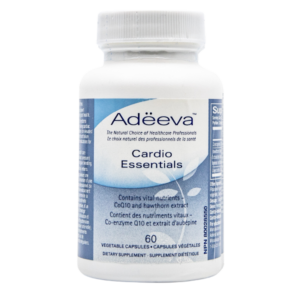
Cardio-Essentials-1Cardio Essentials

Contains Coenzyme Q10, the standardized grade of Hawthorn, and the flavonoid Quercetin. These active ingredients support energy production at the cellular level, promoting cardiovascular health and the function of other tissues and organs.
Dr. James Meschino

Dr. James Meschino

ABOUT THE AUTHOR

Dr. James Meschino, DC, MS, ROHP, is an educator, author, and researcher having lectured to thousands of healthcare professionals across North America. He holds a Master’s Degree in Science with specialties in human nutrition and biology and is recognized as an expert in the field of nutrition, anti-aging, fitness, and wellness as well as the author of numerous books.

Posted on

LMU 223 – Boosting Immunity in Older Adults: The Power of Multivitamins and Minerals

LMU223

Boosting Immunity in Older Adults: The Power of Multivitamins and Minerals

Source: Journal Nutrients (August 2020)

Lifestyle Medicine Update (December 14, 2021)

Introduction:

As aging impacts the immune system, a study by Oregon State University suggests that a daily multivitamin and mineral supplement, rich in zinc and vitamin C, can enhance immunity in older adults. Nutrient levels and immunity are closely linked, with higher levels resulting in shorter and milder illness symptoms. Nutrient deficiencies become more common with age, increasing the risk of immune system decline. Multivitamin and mineral supplements can play a crucial role in supporting immune function, offering a holistic approach to immune health.

The Immune Challenge for Aging Adults

As we age, our immune systems face new challenges, making us more susceptible to infections and longer recovery times. But a fascinating study conducted by Oregon State University, published in the journal Nutrients in August 2020, sheds light on a simple yet effective solution to bolstering immunity in older adults. This study explores the benefits of a daily multivitamin and mineral supplement, enriched with zinc and high doses of vitamin C, on immune system parameters, common cold-type symptoms, and blood levels of key nutrients.

The Study: A Glimpse into Immunity

The study focused on 42 healthy individuals aged 55 to 75, aiming to understand the impact of a specific multivitamin and mineral supplement on their immune function. This supplement contained significant doses of vitamin C (1,000 mg) and zinc, two vital nutrients crucial for supporting the immune system. Researchers compared this group’s results with those of participants who received a placebo.

Nutrient Levels and Immunity

The findings were compelling: the group receiving the multivitamin and mineral supplement boasted higher blood levels of vitamin C and zinc compared to the placebo group. These nutrients play pivotal roles in supporting immune function. Remarkably, this translated into a shorter duration of cold and flu-like symptoms during the 3-month study. Those taking the supplement experienced only 3 days of illness per bout, whereas the placebo group endured more than 6 days of sickness. Additionally, the symptoms in the supplement group were less severe and resolved faster.

Aging, Deficiencies, and Immune Decline

The researchers emphasized that as individuals age, the risk of vitamin and mineral deficiencies that contribute to age-related immune system decline increases. Surprisingly, studies have shown that more than one-third of older adults in the United States, Canada, and Europe are deficient in at least one micronutrient, often more. This deficiency often leads to an immune system characterized by increased inflammation, reduced innate immune function, and decreased T-cell function.

The Power of Multivitamins and Minerals

The study’s authors pointed out that since multiple nutrients play a crucial role in supporting immune function, older adults can significantly benefit from multivitamin and mineral supplements. As one author commented, “This supports findings that stretch back decades, even to the days of Linus Pauling’s work with vitamin C.”

Conclusion: A Holistic Approach to Immune Health

This research study reaffirms the importance of supplementing with key nutrients that support immune function. Studies in recent years have consistently demonstrated that such supplementation can lead to improved protection against a range of infections. For most adults, a high-potency multiple vitamin and mineral supplement providing the following daily dosages can help fortify the immune system:

  • Vitamin A – 2500 IU
  • Vitamin C – 1,000 mg
  • Vitamin D – 1,000 IU (to achieve a blood level of 85-140 nmol/L or 35-56 ng/ml)
  • Vitamin E – 400 IU
  • Zinc – 15 mg
  • Selenium – 200 mcg

References

  1. Mary L. Fantacone, Malcolm B. Lowry, Sandra L. Uesugi, Alexander J. Michels, Jaewoo Choi, Scott W. Leonard, Sean K. Gombart, Jeffrey S. Gombart, Gerd Bobe, Adrian F. Gombart. “The Effect of a Multivitamin and Mineral Supplement on Immune Function in Healthy Older Adults: A Double-Blind, Randomized, Controlled Trial.” Nutrients, 2020; 12 (8): 2447 [Link](https://www.mdpi.com/2072-6643/12/8/2447)
  2. Science Daily, August 18, 2020: “Multivitamin, mineral supplement linked to less-severe, shorter-lasting illness symptoms”
 
Eat Smart, Live Well, Look Great,
 

Dr. James Meschino

Recommended Supplements

All-in-One-Multi-Vitamin-Mineral-1 All-in-One Multi-Vitamin & Mineral

Dr. James Meschino

Dr. James Meschino

ABOUT THE AUTHOR

Dr. James Meschino, DC, MS, ROHP, is an educator, author, and researcher having lectured to thousands of healthcare professionals across North America. He holds a Master’s Degree in Science with specialties in human nutrition and biology and is recognized as an expert in the field of nutrition, anti-aging, fitness, and wellness as well as the author of numerous books.
Posted on

LMU 222 – Boosting Male Fertility: The Role of Antioxidant Supplements

Antioxidant Supplements Can Reverse Male Infertility Problems

Boosting Male Fertility: The Role of Antioxidant Supplements

Source: International Journal of Reproductive Biomedicine (2016)

Lifestyle Medicine Update (December 8, 2021)

Introduction:

Male infertility affects millions of couples worldwide, contributing to over 50% of infertility cases. Recent studies have revealed a promising solution: specific antioxidant supplements can reverse male infertility issues in a significant number of cases. This article explores the science behind this breakthrough and provides insights into safeguarding male reproductive health.

 The Troubling World of Male Infertility

Infertility, characterized by the inability to conceive despite regular, unprotected sexual intercourse for at least a year, poses a significant challenge for more than 70 million couples worldwide. Surprisingly, male factors account for at least half of all infertility cases. Various factors, including radiation exposure, smoking, varicocele, infections, environmental toxins, nutritional deficiencies, and oxidative stress, contribute to male infertility. This oxidative stress occurs when the production of reactive oxygen species (ROS) exceeds the body’s natural antioxidant defences, particularly in oxygen-dependent tissues like the testes and sperm cells within them.

Oxidative Stress and Male Fertility: A Damaging Duo

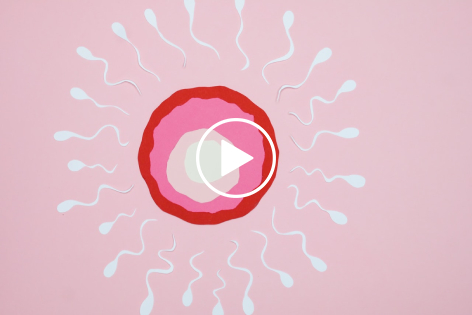
Sperm cells are particularly vulnerable to oxidative stress due to their outer membrane’s high content of polyunsaturated fatty acids (PUFAs). This vulnerability can lead to issues such as decreased sperm motility, DNA damage, and mitochondrial dysfunction, all of which are implicated in male infertility problems.

The Role of Antioxidants in Semen

Seminal fluid contains natural antioxidants, including vitamin E, vitamin C, superoxide dismutase, glutathione, and thioredoxin, which neutralize free radicals and protect sperm from ROS. However, infertile men often exhibit lower antioxidant capacity in their semen, leading to increased sperm damage and infertility.

Antioxidant Supplementation: A Promising Solution

A review paper published in the International Journal of Reproductive Biomedicine in December 2016 sheds light on clinical studies where antioxidant supplements have effectively reversed male infertility. For example, daily supplementation with vitamin C (200 mg) and vitamin E (200 IU) increased spontaneous pregnancy rates by over 10% in previously infertile men. These supplements also improved sperm motility, reduced free radical end products in seminal fluid, decreased DNA damage in sperm cells, and demonstrated other signs of enhanced sperm integrity.

Other Beneficial Supplements

In addition to vitamin C and vitamin E, minerals like zinc and selenium, as well as comprehensive vitamin and mineral supplements, have shown promise in improving sperm counts, motility, and integrity. Coenzyme Q10, N-acetylcysteine (NAC), and L-Carnitine have also demonstrated positive effects on sperm quality in various studies.

Guarding Against Testicular Cancer: A Compelling Bonus

Testicular cancer is a significant concern for men, with a lifetime risk of 1 in 250. This cancer, most common among males in their 30s, shares a susceptibility to free radical damage with sperm cells. This suggests a potential link between antioxidant supplementation and the prevention of testicular cancer.

The Need for Daily Supplementation

Considering the potential benefits for both fertility and testicular health, it’s advisable for males over the age of 15 to incorporate a high-potency multiple vitamin and mineral supplement into their daily routine. Such a supplement should provide 500-1000 mg of vitamin C, 400 IU of vitamin E, 200 mcg of selenium, 15 mg of zinc, a B-50 complex, and a full spectrum of other vitamins and minerals at optimal doses.

Conclusion: A Holistic Approach to Male Fertility

While many fertility clinics focus on the detrimental effects of smoking and alcohol on sperm quality, the positive impact of specific vitamin, mineral, and antioxidant supplements often goes overlooked. As research continues to unveil the potential of these supplements in enhancing sperm quality and reversing male infertility, incorporating them into one’s daily regimen becomes an appealing strategy for safeguarding reproductive health and overall well-being.

References

  1. Ahmadi S et al. “Antioxidant supplements and semen parameters: An evidence-based review.” Int J Reprod Biomed. 2016, 14(12): 729-736 [Link](https://www.ncbi.nlm.nih.gov/pmc/articles/PMC5203687/).
  1. Asadi N et al. “The impact of oxidative stress on testicular function and the role of antioxidants in improving it: A review.” J Clin Diagn Res. 2017, 11(5): IE01 – IE05 [Link](https://www.ncbi.nlm.nih.gov/pmc/articles/PMC5483704/).
 
Eat Smart, Live Well, Look Great,
 

Dr. Meschino

Dr. James Meschino

Dr. James Meschino

ABOUT THE AUTHOR

Dr. James Meschino, DC, MS, ROHP, is an educator, author, and researcher having lectured to thousands of healthcare professionals across North America. He holds a Master’s Degree in Science with specialties in human nutrition and biology and is recognized as an expert in the field of nutrition, anti-aging, fitness, and wellness as well as the author of numerous books.
Posted on

LMU 221 – The Fountain of Youth: The Evolutionary Significance of Staying Active in Later Life

Physical Activity in Later Life

The Fountain of Youth: The Evolutionary Significance of Staying Active in Later Life

Source: Proceedings of the National Academy of Sciences (December 2021)

Lifestyle Medicine Update (Dec 1, 2021)

Introduction:

In a groundbreaking study published in the December 2021 issue of the Proceedings of the National Academy of Sciences, a team of evolutionary biologists and biomedical researchers unveiled a fascinating revelation. They delved into the evolutionary and scientific evidence suggesting that humans, who continued to live long after their reproductive years, remained physically active in their later stages of life. Not only did this discovery shed light on our ancestral past, but it also highlighted the profound benefits of staying physically active in later life.

The Link Between Physical Activity and Health

The research team argued that maintaining physical activity in later life plays a pivotal role in reducing the risk of various debilitating conditions. These include cardiovascular disease, type 2 diabetes, osteoporosis, Alzheimer’s disease, depression, and even certain types of cancer. Surprisingly, physical activity’s impact on these conditions goes beyond mere exercise; it affects energy allocation within the body, directing resources toward vital repair and maintenance processes that counteract age-related deterioration.

Energy Allocation for Longevity

Humans, it seems, have evolved to stay active as they age, allocating energy resources strategically to prolong their health. Physical activity directs energy towards repairing muscle fibers, mending cartilage damage, and healing microfractures. Additionally, exercise triggers the release of exercise-related antioxidants and natural anti-inflammatory agents while enhancing blood flow. Collectively, these mechanisms significantly lower the risk of developing diabetes, obesity, some cancers, osteoporosis, Alzheimer’s disease, and depression.

Historical Insights: The Hunter-Gatherers

To gauge just how much physical activity is needed for a long and healthy life, researchers turned to historical evidence. Contemporary hunter-gatherers, who lived approximately 40,000 years ago, offer intriguing insights. These ancestral humans engaged in an impressive average of 135 minutes of moderate to vigorous physical activity per day. Remarkably, those who survived childhood often lived up to seven decades, roughly two decades beyond the reproductive age limit.

Contrary to the belief that early human lifespans were notably short, fossil evidence suggests that extended lifespans were relatively common by 40,000 years ago. Equally surprising is the fact that these hunter-gatherers burned six to ten times more energy each day than today’s average North American adults.

Dr. Daniel Lieberman, the lead author of the study, emphasizes, “Because we evolved to be active throughout our lives, our bodies need physical activity to age well. In the past, daily physical activity was necessary for survival, but today we have to choose to exercise, that is to do voluntary physical activity for the sake of health and fitness.” Furthermore, Dr. Lieberman notes that physical activity levels have been on a global decline as machines and technology replace human labor, a concerning trend highlighted by a recent study from his lab showing that Americans engage in less physical activity compared to 200 years ago.

The Imperative of Physical Activity

While previous Lifestyle Medicine Updates have explored dietary and supplementation strategies to slow aging and improve health, physical activity remains a foundational requirement. Exercise is a unique and essential component of promoting health, longevity, and reducing the risk of degenerative diseases. It complements a prudent diet and personalized supplementation program.

Endorsing the combination of resistance training and endurance activity, this approach helps preserve muscle strength, balance, bone density, and blood flow while benefiting the heart, brain, lungs, and overall circulation. Simply put, there is no substitute for exercise when it comes to achieving these specific health outcomes.

Finding Your Exercise Regimen

While formal aerobic exercises such as jogging, cycling, or high-intensity dance classes offer clear benefits, there’s room for personalization. Engaging in sports or activities that provide endurance training benefits can be an excellent alternative for those who may not enjoy traditional aerobic exercises. The key is to discover an activity that suits your preferences and can be pursued regularly, with a target of at least 60 minutes of moderate exercise intensity each day.

Conclusion

In summary, the remarkable findings from the Proceedings of the National Academy of Sciences study highlight the enduring connection between human longevity and physical activity. As we continue to evolve in a world dominated by technology, the choice to exercise becomes increasingly critical. The evidence is clear: to unlock the fountain of youth, we must embrace physical activity as an indispensable partner to a prudent diet and personalized supplementation program.

By acknowledging our evolutionary heritage and committing to an active lifestyle, we can significantly reduce the risk of cardiovascular disease, type 2 diabetes, osteoporosis, Alzheimer’s disease, depression, and even certain cancers. In doing so, we harness the power of our own biology to promote a longer, healthier, and more fulfilling life.

References

  1. Daniel E. Lieberman, Timothy M. Kistner, Daniel Richard, I-Min Lee, Aaron L. Baggish. “The active grandparent hypothesis: Physical activity and the evolution of extended human health spans and lifespans.” Proceedings of the National Academy of Sciences, 2021; 118 (50) [Link](https://www.pnas.org/content/118/50/e2107621118).
  2. “Taking it easy as you get older? Wrong.” Science Daily, November 22, 2021. [Link](https://www.sciencedaily.com/releases/2021/11/211122172720.htm).
 
Eat Smart, Live Well, Look Great,
 

Dr. Meschino


Dr. James Meschino

Dr. James Meschino

ABOUT THE AUTHOR

Dr. James Meschino, DC, MS, ROHP, is an educator, author, and researcher having lectured to thousands of healthcare professionals across North America. He holds a Master’s Degree in Science with specialties in human nutrition and biology and is recognized as an expert in the field of nutrition, anti-aging, fitness, and wellness as well as the author of numerous books.

Posted on

LMU 220 – Unlocking the Potential of Vitamin B12: A Defender Against Alzheimer’s

Vitamin B12 in Alzheimer’s Prevention

Unlocking the Potential of Vitamin B12: A Defender Against Alzheimer's

Source: J Cell Reports September 2021

Nutrition / Natural Medicine Update (November 24, 2021)

Introduction: The Battle Against Alzheimer’s

Alzheimer’s disease (AD) is a relentless neurodegenerative disorder that, until now, has defied effective treatment. It casts a dark shadow over millions of lives worldwide. However, amidst this bleak landscape, researchers have unveiled a ray of hope—vitamin B12. In a groundbreaking study published in the September issue of the journal Cell Reports, scientists proclaimed that diet, a modifiable risk factor for AD, could be harnessed to slow its onset and progression. The study’s revelations extend beyond mere prevention; they delve into the very core of cellular processes contributing to the disease.

The Role of Vitamin B12: A Cellular Guardian

Within this innovative study, vitamin B12 emerged as a pivotal player in the fight against Alzheimer’s. Researchers illuminated the profound impact of vitamin B12 supplementation in preventing the disease and intervening in the underlying biological mechanisms responsible for its development.

Homocysteine: A Culprit in Alzheimer’s

At the heart of this research lies the relationship between vitamin B12 and homocysteine, a crucial amino acid. Homocysteine, when allowed to accumulate, poses a significant risk for Alzheimer’s disease, as indicated by various human studies. Vitamin B12’s role in this context is to recycle homocysteine back into methionine, a process essential for averting homocysteine buildup.

A Journey Back to 2010: Early Clues

The journey towards understanding vitamin B12’s role in Alzheimer’s began over a decade ago. An article published on WebMD in October 2010 hinted at the potential protective effects of vitamin B12 on the brain. This revelation emerged from a 7-year Finnish study tracking 271 individuals aged 65-79, initially symptom-free of Alzheimer’s. The study, published in the journal Neurology, uncovered a remarkable link between vitamin B12 levels and Alzheimer’s risk. For every picomolar increase in blood vitamin B12 levels, there was a corresponding 2% reduction in Alzheimer’s risk. Conversely, an increase in blood homocysteine levels by one micromolar elevated Alzheimer’s risk by 16%. In simpler terms, lower vitamin B12 and higher homocysteine levels correlated with a heightened risk of Alzheimer’s disease—a concept rooted in cell biology.

A Widespread Issue: Vitamin B12 Deficiency

The issue of vitamin B12 deficiency is far from trivial, particularly among the elderly. Surveys indicate that over 20% of individuals above the age of 65 suffer from this deficiency. Several factors contribute to this prevalence, including reduced stomach acid secretion with age, hindering vitamin B12 absorption. Additionally, the common use of antacid drugs, such as Tums and proton pump inhibitors like Omeprazole, can lead to vitamin B12 deficiency. Changes in dietary habits as people age, often marked by reduced consumption of vitamin B12-rich foods like meat, poultry, and fish, further exacerbate the problem. This multifaceted issue underscores the importance of addressing vitamin B12 intake among the aging population.

The Broader Implications of Vitamin B12

While vitamin B12’s role in Alzheimer’s prevention is noteworthy, its significance extends to the realm of mental health. Numerous studies have demonstrated the positive impact of vitamin B12 supplementation on patients dealing with depression or cognitive decline attributed to low vitamin B12 levels. It is increasingly clear that adequate vitamin B12 levels are crucial in thwarting key steps in Alzheimer’s disease development.

The Team of B-Vitamins: Working in Harmony

Vitamin B12 doesn’t work in isolation; it’s part of a team of B-vitamins essential for homocysteine recycling. This collaborative effort involves vitamin B12, folic acid, and vitamin B6. Collectively, they keep homocysteine levels in check, ideally below 7.2 umol/L. This synergy underscores the value of incorporating a B-50 complex into one’s routine 5-7 times a week throughout adulthood. Many individuals opt for a high-potency multiple vitamin and mineral supplement that includes not only B-vitamins but also elevated levels of crucial antioxidants like vitamin C and vitamin E. These antioxidants play a pivotal role in reducing free radical damage to the body and the brain, potentially slowing age-related cognitive decline.

A Holistic Approach to Brain Health

In the quest for optimal brain health, a holistic approach proves most effective. While vitamin B12 offers promise in Alzheimer’s prevention, it should complement rather than replace conventional treatments. Instead of an either-or scenario, vitamin B12 serves as a supportive ally, providing an extra layer of protection and support.

Conclusion: Unveiling Nature’s Secret Weapon

Vitamin B12 emerges as a silent hero in the battle against Alzheimer’s, offering the potential to rewrite the narrative of this devastating disease. It highlights the profound influence of diet on our brain’s health and the importance of preserving the delicate balance of homocysteine. As research continues to unravel the multifaceted benefits of vitamin B12, it becomes increasingly clear that nature’s arsenal holds hidden treasures waiting to be discovered.

References:

  1. Cell Reports, 2021. Vitamin B12 impacts amyloid beta-induced proteotoxicity by regulating the methionine/S-adenosylmethionine cycle. [Read More](https://www.cell.com/cell-reports/fulltext/S22111247(21)012079?_returnURL=https%3A%2F%2Flinkinghub.elsevier.com%2Fretrieve%2Fpii%2FS2211124721012079%3Fshowall%3Dtrue)
  2. WebMD: October 18, 2010. Vitamin B12 and Alzheimer’s disease. [Read More](https://www.webmd.com/alzheimers/news/20101018/vitamin-b12-linked-to-lower-alzheimers-risk)
  3. Morris MC et al. Thoughts on B-vitamins and Dementia. J Alzheimer’s Disease, 2006, 9(4): 429-433 [Read More](https://www.ncbi.nlm.nih.gov/pmc/articles/PMC3428233/)
 
Eat Smart, Live Well, Look Great!
 

Dr. James Meschino


Dr. James Meschino

Dr. James Meschino

ABOUT THE AUTHOR

Dr. James Meschino, DC, MS, ROHP, is an educator, author, and researcher having lectured to thousands of healthcare professionals across North America. He holds a Master’s Degree in Science with specialties in human nutrition and biology and is recognized as an expert in the field of nutrition, anti-aging, fitness, and wellness as well as the author of numerous books.

Posted on

LMU 219 – Boswellia: Nature’s Hidden Gem for Health and Healing

Boswellia

Boswellia: Nature's Hidden Gem for Health and Healing

Source: Integrative Cancer Therapy Journal (2017)

Lifestyle Medicine Update (November 16, 2021)

Introduction:

Discover the power of Boswellia, a natural anti-inflammatory remedy with potential beyond pain relief. Recent research reveals its ability to target certain cancer cells, alleviate brain swelling, and reduce skin reactions from radiation therapy. Boswellia can be a valuable addition to conventional treatments and a holistic approach to health. Explore the multifaceted benefits of this hidden gem of nature.

Unveiling the Power of Boswellia

When it comes to natural remedies for inflammation and pain relief, many have heard of curcumin from turmeric, and white willow extract. These natural anti-inflammatory agents have garnered attention for their potential to alleviate conditions like osteoarthritis and rheumatoid arthritis, often serving as valuable adjuncts to conventional treatments. However, there’s another player in the arena of natural healing that remains relatively unknown to the masses—Boswellia.

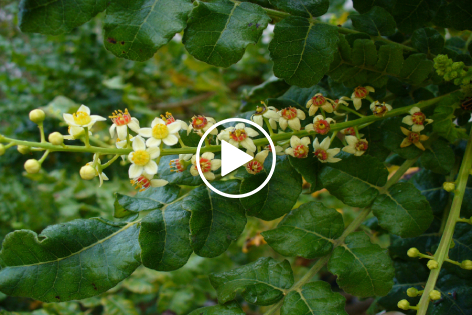
Boswellia, a tree native to India, North Africa, and the Middle East, yields a resin rich in boswellic acids, which possess remarkable natural anti-inflammatory properties. Just like its counterparts, such as Curcumin, White Willow Extract, and Ginger, recent clinical studies have begun shedding light on the incredible potential of Boswellia, specifically when standardized to a grade of 70% boswellic acids. It has demonstrated the ability to reduce pain and inflammation in patients grappling with osteoarthritis and rheumatoid arthritis. Moreover, the exceptional facet of Boswellia is its minimal side effects, making it a safe option for those navigating the challenges of joint inflammation.

The Hidden Power of Boswellia: A Closer Look

In the realm of natural remedies, Boswellia stands as a hidden gem. Its potential reaches far beyond inflammation and joint pain relief. Recent clinical trials and experimental studies have unveiled a more profound impact, including its ability to target certain types of human cancer cells and even induce programmed cell death, known as apoptosis.

The Anti-Cancer Arsenal of Boswellia

The tantalizing prospect of Boswellia’s anti-cancer potential emerged when it was found to be toxic to specific human cancer cells. This discovery led to its inclusion in several human cancer trials in recent years, showcasing its versatility and promise.

Brain Cancer: A Battleground for Boswellia

In the realm of brain cancer, particularly glioblastoma, Boswellia made an impressive mark. In a study published in 2017, Boswellia supplementation demonstrated the ability to reduce brain swelling in patients grappling with this aggressive brain cancer. The same research paper reported cases where Boswellia supplementation reversed multiple brain metastases in a breast cancer patient, offering a glimmer of hope where few treatment options exist.

A Ray of Hope in Brain Tumor Treatment

Another study involving forty-four patients with brain tumors further underscored the potential of Boswellia. The supplementation effectively reduced brain swelling following radiation treatment to a remarkable degree, outperforming the placebo. This is particularly noteworthy as the blood-brain barrier often poses a formidable challenge for chemotherapy drugs. Boswellic acids, however, exhibit the unique ability to cross into the brain from the bloodstream, offering a beacon of hope for patients.

Preventing Cancer Recurrence: The Boswellia Connection

A case report in the 2017 update revealed a remarkable story of cancer recurrence prevention. A patient who underwent bladder cancer surgery chose not to pursue follow-up chemotherapy and radiation treatment, a decision not universally endorsed by medical professionals. Instead, the patient opted for Boswellia supplementation. Astonishingly, for the first two years of follow-up, the patient remained cancer-free. While the debate over the decision lingers, it underscores the potential of Boswellia as a complementary addition to conventional cancer treatments.

Radiation Therapy: Alleviating Skin Reactions

In a study involving 144 breast cancer patients undergoing radiation treatment, Boswellia made an unexpected appearance. The group that applied Boswellia cream to their skin after each radiation session experienced less intense skin reactions, characterized by sunburn-type reactions, redness, and pain (erythema), compared to the placebo group. This application showcased Boswellia’s potential in ameliorating the adverse effects of radiation therapy on the skin.

The Takeaway: A Natural Ally for Health

The bottom line is that Boswellia supplementation, when standardized to 70% boswellic acids, is poised to play a significant role in managing joint inflammation, a hallmark of conditions like osteoarthritis and certain autoimmune diseases such as rheumatoid arthritis. A typical daily dosage ranges around 250 mg when used as a standalone supplement. Many companies, recognizing the synergistic potential of combining natural anti-inflammatory agents, often incorporate Boswellia alongside other proven counterparts like curcumin, white willow extract, and ginger. This combination offers a more robust anti-inflammatory and pain-relieving effect. Importantly, some of these natural anti-inflammatory agents also exhibit potent anti-cancer properties, broadening their health benefits beyond inflammation and pain management.

A Holistic Approach to Healing

In the journey towards better health, a holistic approach is often the most effective. While Boswellia holds promise in the realm of inflammation and cancer, it should not replace conventional medical treatments. Instead, it can serve as a complementary addition, offering additional layers of support and protection.

In closing, Boswellia’s potential continues to unfold as research expands our understanding of its multifaceted benefits. For those seeking natural ways to alleviate inflammation, manage pain, or enhance their overall well-being, Boswellia stands as a testament to the hidden treasures of nature.

References:

  1. Integrative Cancer Therapies, 2017. Cancer chemotherapeutic effects of Boswellia sacra gum resin hydrodistillates on invasive urothelial cell carcinoma: Report of a case. [Read More](https://www.ncbi.nlm.nih.gov/pmc/articles/PMC5739138/)
  2. Ethnopharmacology, 2016. Pharmacological evidence for cytotoxic and antitumor properties of Boswellia acids from Boswellia serrata. [Read More](https://pubmed.ncbi.nlm.nih.gov/27346540/)
  3. Reduction of Brain Swelling: [Read More](https://addon.life/2021/07/09/boswellia-cancer/)
  4. Reduction in Skin Erythema: [Read More](https://addon.life/2021/07/09/boswellia-cancer/)
  5. Anti-inflammatory Studies: [Read More](https://www.sciencedirect.com/science/article/abs/pii/S0944711396800195)
Eat Smart, Live Well, Look Great,

Dr. Meschino

Dr. James Meschino

Dr. James Meschino

ABOUT THE AUTHOR

Dr. James Meschino, DC, MS, ROHP, is an educator, author, and researcher having lectured to thousands of healthcare professionals across North America. He holds a Master’s Degree in Science with specialties in human nutrition and biology and is recognized as an expert in the field of nutrition, anti-aging, fitness, and wellness as well as the author of numerous books.
Posted on

LMU 218 – Defeating Cervical Cancer: The Role of Nutrition and a Cruciferous Ally

Constituent of Cruciferous Vegetable

Defeating Cervical Cancer: The Role of Nutrition and a Cruciferous Ally

Source: Oncology Time (2002)

Lifestyle Medicine Update (November 10, 2021)

Introduction:

Cervical cancer, a global women’s health challenge, has seen progress with the Pap smear and HPV vaccine. Nutrition and lifestyle are crucial in the ongoing battle. Research suggests links between key nutrients and reduced cervical cancer risk. A Louisiana State University study revealed indole-3-carbinol’s potential to reverse cervical dysplasia. Cruciferous vegetables, I-3-C, and supplementation play roles. Early detection and vaccination are vital, but nutrition offers additional defense. Women can empower themselves through holistic approaches, incorporating cruciferous vegetables and supplements like indole-3-carbinol, in their journey to cervical health.

Unmasking the Global Challenge of Cervical Cancer

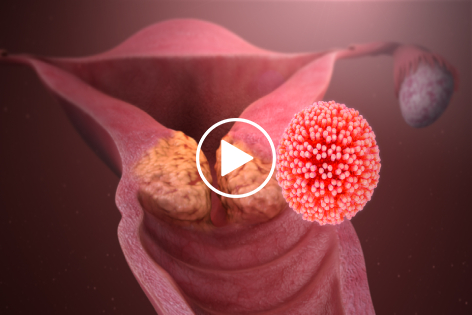
Cervical cancer, a formidable adversary in the realm of women’s health, stands as the fourth most common cancer affecting women worldwide. With a devastating annual toll of 300,000 lives lost to this disease, the urgency to combat it remains paramount. Thankfully, medical science has not remained idle in this battle. The advent of the Pap smear test for early detection has already achieved a remarkable 75% reduction in cervical cancer deaths. In recent years, the HPV vaccine, designed to thwart the development of cervical cancer, has shown a nearly 90% success rate in offering protection.

However, despite these significant advancements, achieving a 100% success rate in the prevention of cervical cancer remains an elusive goal. This is where the spotlight shifts to nutrition and lifestyle factors, which appear to play a pivotal role in this ongoing battle. In a previous Lifestyle Medicine Update, we delved into the research showcasing the link between optimal intake and nutritional status of various key nutrients and a reduced risk of developing cervical cancer. Additionally, small-scale studies have hinted at the potential of folic acid supplementation to reverse cervical dysplasia (CIN I and II) in select women using oral contraceptives.

Harnessing the Power of Cruciferous Vegetables

Building upon this foundation, we turn to a pivotal report published in the journal “Oncology Times” in 2002. This groundbreaking research unveils the potential of supplementation with a key anti-cancer nutrient found in cruciferous vegetables. These cruciferous champions include broccoli, brussels sprouts, cabbage, cauliflower, Bok choy, and turnips, among others. Multiple studies have consistently demonstrated that individuals who incorporate these vegetables into their diets on a regular basis enjoy a reduced risk of various cancers, including those affecting the reproductive organs.

The Indole-3-Carbinol Breakthrough

In this particular study, conducted at Louisiana State University in New Orleans, 27 women grappling with stage 2 and stage 3 cervical dysplasia (CIN 1 and CIN 2) took center stage. They were randomly assigned to receive either a placebo or a supplement containing indole-3-carbinol (I-3-C), a potent anti-cancer nutrient abundant in cruciferous vegetables. The women in the treatment group were administered doses of either 200 mg/day or 400 mg/day of indole-3-carbinol (I-3-C) over a four-week period. The condition of their cervix was meticulously assessed at the study’s commencement and subsequently every four weeks. Each participant underwent a biopsy at the outset and again at the 12-week mark.

What emerged from this groundbreaking investigation was nothing short of astonishing. Intriguingly, seven out of ten placebo patients tested positive for HPV, mirroring the trend in the I-3-C groups where seven out of eight patients in the 200-mg group and eight out of nine in the 400-mg group were HPV positive. However, when the 12-week biopsy results rolled in, a stark contrast emerged. None of the placebo patients exhibited any signs of cervical dysplasia reversal. In contrast, four out of eight patients in the 200-mg I-3-C group and four out of nine in the 400-mg I-3-C group demonstrated complete regression or reversal of their cervical dysplasia condition. Intriguingly, a dose-response relationship unfolded—the higher the dose of I-3-C, the more profound the reversal of cervical dysplasia in these women. It is noteworthy that no patient reported any treatment-related toxicity, underscoring the safety of I-3-C supplementation.

A Glimpse into the Future

While further studies of this nature are underway, the key takeaway from this research, as well as the broader narrative, is clear—optimal nutritional intake appears to be a potent strategy in reducing the risk of developing cervical dysplasia and cervical cancer. Furthermore, this study underscores the potential of indole-3-carbinol supplementation to reverse stage 2 and stage 3 cervical dysplasia. The collective body of human studies paints a compelling picture, urging women to embrace cruciferous vegetables as a regular part of their diets. For those seeking an added layer of protection, supplementation with indole-3-carbinol, potentially combined with other essential anti-cancer and immune-modulating constituents, alongside a high-potency multiple vitamin and mineral supplement, could be considered.

Looking Ahead: A Holistic Approach

In the battle against cervical cancer, a multifaceted approach is essential. While early detection through screening tests like the Pap smear and vaccination against HPV offer crucial defence lines, the role of nutrition and lifestyle should not be underestimated. These factors can function as allies in the fight, contributing to the prevention of cervical dysplasia and cervical cancer.

In closing, the journey against cervical cancer continues to unveil exciting possibilities. As research evolves and we deepen our understanding of the links between nutrition, lifestyle, and cervical health, women have the opportunity to take charge of their well-being. With a holistic approach that includes regular consumption of cruciferous vegetables and consideration of supplements like indole-3-carbinol, women can empower themselves on their path to cervical health.

References:

  1. Oncology Times, Sept 2002 (vol 24, issue 9, p8). “Update on Chemoprevention of Cervical Cancer.” [Read More](https://journals.lww.com/oncology-times/fulltext/2002/09000/update_on_chemoprevention_of_cervical_cancer.7.aspx)
  2. BBC News, November 4, 2021. “HPV vaccine cutting cervical cancer by nearly 90%.” [Read More](https://www.bbc.com/news/health-59148620)
 
Eat Smart, Live Well, Look Great,
 

Dr. Meschino

Dr. James Meschino

Dr. James Meschino

ABOUT THE AUTHOR

Dr. James Meschino, DC, MS, ROHP, is an educator, author, and researcher having lectured to thousands of healthcare professionals across North America. He holds a Master’s Degree in Science with specialties in human nutrition and biology and is recognized as an expert in the field of nutrition, anti-aging, fitness, and wellness as well as the author of numerous books.
Posted on

LMU 217 – Cracking the Code of Cervical Cancer: The Role of Nutrition and Lifestyle

Constituent of Cruciferous Vegetable

Cracking the Code of Cervical Cancer: The Role of Nutrition and Lifestyle

Source: Osteopathic Family Physician (2012)

Lifestyle Medicine Update (November 3, 2021)

Introduction:

Cervical cancer is a significant challenge in women’s health, but progress has been made. Rates have dropped thanks to early detection methods, such as the Pap smear. Yet, cervical cancer remains a critical health concern. This article explores the role of nutrition in preventing cervical cancer. Research suggests that nutrients like folate, B12, and antioxidants found in fruits and vegetables can play a protective role. Exercise haslso shown to reduce risk. The research emphasizes the importance of nutrition and lifestyle in the fight against cervical cancer.

Unveiling the Ongoing Battle Against Cervical Cancer

In the realm of women’s health, cervical cancer poses a formidable challenge. Ranked as the second most common female tumor worldwide, it casts a long shadow over the lives of countless women. The silver lining, however, emerges from decades of relentless research and medical advancement. Over the past half-century, annual rates of cervical cancer have plummeted by more than 75%, thanks in large part to the introduction of the Pap smear, a highly effective early detection test for cervical cancer and its precursor, cervical dysplasia. Yet, this battle is far from over, as cervical cancer continues to assert its presence as a critical health concern in the modern era.

Unveiling the Complex Tapestry of Cervical Cancer

Cervical cancer, like many health challenges, is a multifaceted adversary with diverse roots. Its causes are intertwined with a complex tapestry of risk factors, making it imperative to understand the intricate web of influences. Among the culprits, the human papillomavirus (HPV) stands as a primary instigator, often transmitted through sexual intercourse. Smoking, alcohol consumption (with a dose-dependent relationship), engaging in sexual relations with multiple partners, and genetic predisposition are all identified as potential triggers. However, beyond these well-documented factors, a less explored avenue opens: nutrition and the status of key nutrients within the body.

The Role of Nutrition: A Glimpse into the Research

In 2012, a seminal review surfaced in the journal “Osteopathic Family Physician.” This comprehensive exploration delved into the intriguing relationship between nutrition and cervical cancer, with a particular focus on cervical dysplasia. The researchers’ findings illuminated a path toward prevention through dietary choices and nutrient status.

Nutritional Guardians: Fruits and Vegetables

A significant body of research suggests that a diet rich in fruits and vegetables may serve as a protective shield against various cancers. Within this realm, the spotlight shines on specific dietary and plasma nutrients, including but not limited to folate, B12, vitamin C, vitamin A, vitamin E (tocopherols), and fiber. Astonishingly, higher vegetable consumption alone was associated with a staggering 54% decreased risk of HPV persistence—a phenomenon where the virus persists in the body for an extended period. Moreover, women with the highest levels of lycopene, a powerful antioxidant found in tomatoes and other red-hued vegetables, enjoyed a remarkable 56% reduction in HPV persistence compared to those with lower levels. This intriguing link suggests that an increased intake of lycopene-rich vegetables might serve as a protective barrier against HPV infection.

Dietary Heroes: Folate and B12

The results of a hospital-based case-control study on cervical cancer unveiled an array of dietary heroes: fiber, vitamin C, vitamin E, vitamin A, alpha-carotene, beta-carotene, folate, lutein, and lycopene. These nutritional powerhouses were found to be associated with a significant reduction in the risk of cervical cancer. Furthermore, women with higher plasma folate levels and sufficient B12 levels experienced a remarkable 70% reduction in cervical dysplasia (CIN II) compared to their counterparts with low folate and inadequate B12 levels.

The Intricate Dance of Folate and HPV

A fascinating insight emerged from the research: folate levels play a pivotal role in modulating HPV persistence and, consequently, cancer risk. The connection was stark—women with HPV-16 seropositivity faced a five-fold greater risk of cervical dysplasia when coupled with diminished red blood cell folate levels. This critical juncture revealed that even modest reductions in folate levels could influence carcinogenesis. Importantly, the impact extended to individuals who regularly consumed alcohol. The researchers emphasized that oral contraceptive use, a well-established independent risk factor for cervical cancer, could compromise folate status. Yet, there was a glimmer of hope: folic acid supplementation showcased its potential to improve CIN I and II in women using oral contraceptives.

The Exercise Factor: A Surprising Ally

Beyond the realm of nutrition, another surprise awaited—a profound risk reduction of cervical cancer, a staggering 44%, was observed in women who engaged in exercise more than three to four times per week. This unexpected ally in the fight against cervical cancer underscored the importance of an active lifestyle.

Crafting a Nutritional Blueprint

As the researchers concluded their enlightening journey through the nexus of nutrition and cervical health, they offered actionable insights for healthcare professionals and individuals alike. Physicians were encouraged to advise at-risk patients to embrace diets abundant in fruits and vegetables, with a particular emphasis on leafy greens such as spinach, kale, turnip greens, and collard greens. Such dietary choices could serve as a formidable defence against disease. For those who found this dietary shift challenging, dietary supplementation emerged as a valuable tool to bridge the nutritional gap. Recognizing that many women fail to reach optimal levels of key nutrients associated with cervical cancer risk reduction, such as vitamin E, folic acid, lycopene, other carotenes, and vitamin A, a high-potency multiple vitamin and mineral supplement was recommended. This approach served as insurance against both overt nutrient deficiencies and the more insidious, yet equally concerning, marginal deficiencies that contribute to heightened risk for cervical dysplasia and cervical cancer.

A Glimpse into the Future: Indole-3-Carbinol

The journey through the landscape of cervical health doesn’t end here. A tantalizing promise lies on the horizon, one involving the phytonutrient found in cruciferous vegetables: indole-3-carbinol supplementation. This emerging research holds the potential to reverse certain cases of cervical dysplasia, paving the way for normal Pap smear results. Stay tuned for the next Lifestyle Medicine Update, where we delve into this exciting frontier.

In closing, the message is clear—nutritional medicine is a powerful ally in the fight against cervical cancer and cervical dysplasia. While modern medicine has made tremendous strides, the role of nutrition and lifestyle should not be underestimated. These factors have the potential to tip the scales in favor of prevention and better health.

Reference:

Cox A et al. Current nutritional considerations for prevention of cervical cancer. Osteopathic Family Physician (2012) 4, 81-84.

Eat Smart, Live Well Look Great,

Dr. Meschino

Introduction:

Cervical cancer is a significant challenge in women’s health, but progress has been made. Rates have dropped thanks to early detection methods, such as the Pap smear. Yet, cervical cancer remains a critical health concern. This article explores the role of nutrition in preventing cervical cancer. Research suggests that nutrients like folate, B12, and antioxidants found in fruits and vegetables can play a protective role. Exercise has also shown to reduce risk. The research emphasizes the importance of nutrition and lifestyle in the fight against cervical cancer.

Unveiling the Ongoing Battle Against Cervical Cancer

In the realm of women’s health, cervical cancer poses a formidable challenge. Ranked as the second most common female tumor worldwide, it casts a long shadow over the lives of countless women. The silver lining, however, emerges from decades of relentless research and medical advancement. Over the past half-century, annual rates of cervical cancer have plummeted by more than 75%, thanks in large part to the introduction of the Pap smear, a highly effective early detection test for cervical cancer and its precursor, cervical dysplasia. Yet, this battle is far from over, as cervical cancer continues to assert its presence as a critical health concern in the modern era.

Unveiling the Complex Tapestry of Cervical Cancer

Cervical cancer, like many health challenges, is a multifaceted adversary with diverse roots. Its causes are intertwined with a complex tapestry of risk factors, making it imperative to understand the intricate web of influences. Among the culprits, the human papillomavirus (HPV) stands as a primary instigator, often transmitted through sexual intercourse. Smoking, alcohol consumption (with a dose-dependent relationship), engaging in sexual relations with multiple partners, and genetic predisposition are all identified as potential triggers. However, beyond these well-documented factors, a less explored avenue opens: nutrition and the status of key nutrients within the body.

The Role of Nutrition: A Glimpse into the Research

In 2012, a seminal review surfaced in the journal “Osteopathic Family Physician.” This comprehensive exploration delved into the intriguing relationship between nutrition and cervical cancer, with a particular focus on cervical dysplasia. The researchers’ findings illuminated a path toward prevention through dietary choices and nutrient status.

Nutritional Guardians: Fruits and Vegetables

A significant body of research suggests that a diet rich in fruits and vegetables may serve as a protective shield against various cancers. Within this realm, the spotlight shines on specific dietary and plasma nutrients, including but not limited to folate, B12, vitamin C, vitamin A, vitamin E (tocopherols), and fiber. Astonishingly, higher vegetable consumption alone was associated with a staggering 54% decreased risk of HPV persistence—a phenomenon where the virus persists in the body for an extended period. Moreover, women with the highest levels of lycopene, a powerful antioxidant found in tomatoes and other red-hued vegetables, enjoyed a remarkable 56% reduction in HPV persistence compared to those with lower levels. This intriguing link suggests that an increased intake of lycopene-rich vegetables might serve as a protective barrier against HPV infection.

Dietary Heroes: Folate and B12

The results of a hospital-based case-control study on cervical cancer unveiled an array of dietary heroes: fiber, vitamin C, vitamin E, vitamin A, alpha-carotene, beta-carotene, folate, lutein, and lycopene. These nutritional powerhouses were found to be associated with a significant reduction in the risk of cervical cancer. Furthermore, women with higher plasma folate levels and sufficient B12 levels experienced a remarkable 70% reduction in cervical dysplasia (CIN II) compared to their counterparts with low folate and inadequate B12 levels.

The Intricate Dance of Folate and HPV

A fascinating insight emerged from the research: folate levels play a pivotal role in modulating HPV persistence and, consequently, cancer risk. The connection was stark—women with HPV-16 seropositivity faced a five-fold greater risk of cervical dysplasia when coupled with diminished red blood cell folate levels. This critical juncture revealed that even modest reductions in folate levels could influence carcinogenesis. Importantly, the impact extended to individuals who regularly consumed alcohol. The researchers emphasized that oral contraceptive use, a well-established independent risk factor for cervical cancer, could compromise folate status. Yet, there was a glimmer of hope: folic acid supplementation showcased its potential to improve CIN I and II in women using oral contraceptives.

The Exercise Factor: A Surprising Ally

Beyond the realm of nutrition, another surprise awaited—a profound risk reduction of cervical cancer, a staggering 44%, was observed in women who engaged in exercise more than three to four times per week. This unexpected ally in the fight against cervical cancer underscored the importance of an active lifestyle.

Crafting a Nutritional Blueprint

As the researchers concluded their enlightening journey through the nexus of nutrition and cervical health, they offered actionable insights for healthcare professionals and individuals alike. Physicians were encouraged to advise at-risk patients to embrace diets abundant in fruits and vegetables, with a particular emphasis on leafy greens such as spinach, kale, turnip greens, and collard greens. Such dietary choices could serve as a formidable defence against disease. For those who found this dietary shift challenging, dietary supplementation emerged as a valuable tool to bridge the nutritional gap. Recognizing that many women fail to reach optimal levels of key nutrients associated with cervical cancer risk reduction, such as vitamin E, folic acid, lycopene, other carotenes, and vitamin A, a high-potency multiple vitamin and mineral supplement was recommended. This approach served as insurance against both overt nutrient deficiencies and the more insidious, yet equally concerning, marginal deficiencies that contribute to heightened risk for cervical dysplasia and cervical cancer.

A Glimpse into the Future: Indole-3-Carbinol

The journey through the landscape of cervical health doesn’t end here. A tantalizing promise lies on the horizon, one involving the phytonutrient found in cruciferous vegetables: indole-3-carbinol supplementation. This emerging research holds the potential to reverse certain cases of cervical dysplasia, paving the way for normal Pap smear results. Stay tuned for the next Lifestyle Medicine Update, where we delve into this exciting frontier.

In closing, the message is clear—nutritional medicine is a powerful ally in the fight against cervical cancer and cervical dysplasia. While modern medicine has made tremendous strides, the role of nutrition and lifestyle should not be underestimated. These factors have the potential to tip the scales in favor of prevention and better health.

Reference:

Cox A et al. Current nutritional considerations for prevention of cervical cancer. Osteopathic Family Physician (2012) 4, 81-84.


Eat Smart, Live Well Look Great,

Dr. Meschino

Dr. James Meschino

Dr. James Meschino

ABOUT THE AUTHOR

Dr. James Meschino, DC, MS, ROHP, is an educator, author, and researcher having lectured to thousands of healthcare professionals across North America. He holds a Master’s Degree in Science with specialties in human nutrition and biology and is recognized as an expert in the field of nutrition, anti-aging, fitness, and wellness as well as the author of numerous books.
Posted on

LMU 216 – Unleashing the Power of Lifestyle: The Triumph Over Resistant Hypertension

Diet and Aerobic Exercise Successful Against Resistant High Blood Pressure

Unleashing the Power of Lifestyle: The Triumph Over Resistant Hypertension

Source: Journal Circulation (September 2021)

Lifestyle Medicine Update (September 29, 2021)

Introduction:

A groundbreaking study published in Circulation in September 2021 highlights the significant impact of a holistic lifestyle approach in combatting resistant hypertension. Resistant hypertension, where blood pressure remains high despite medication, affects millions globally, posing serious health risks. The TRIUMPH study unveiled the potential of lifestyle modifications, including dietary improvements and supervised exercise programs, in significantly reducing blood pressure and enhancing cardiovascular health. Dr. James A. Blumenthal, one of the study’s researchers, emphasizes that a healthy lifestyle remains a potent weapon against hypertension.

Unlocking the Potential of Lifestyle Modifications to Defeat Resistant Hypertension

High blood pressure, the silent assassin of cardiovascular health, has met its match in a groundbreaking study published in September 2021 in the esteemed journal Circulation. This illuminating research reveals the potent impact of a holistic approach encompassing healthy eating, weight loss, and improved aerobic fitness on individuals grappling with resistant hypertension.

Resistant Hypertension: A Formidable Foe

In the realm of hypertension, a formidable adversary known as resistant hypertension emerges when blood pressure refuses to bow to conventional treatment. To qualify, one’s blood pressure must stubbornly remain at or above 130/80 mm Hg, despite the administration of three or more high blood pressure medications of diverse classes. Resistant hypertension, lurking in the shadows, affects an estimated 5% of the global population and casts a menacing shadow over 20% to 30% of adults grappling with high blood pressure. A sinister spectre, it is associated with dire consequences, including end-organ damage such as kidney failure and a harrowing 50% increased risk of catastrophic cardiovascular events, such as stroke, heart attack, and sudden death. In the face of this relentless foe, any glimmer of hope for reducing blood pressure commands our unwavering attention.

The Triumph of Lifestyle: A New Dawn

In June 2021, the American Heart Association championed a new paradigm in the fight against mild to moderately elevated blood pressure and blood cholesterol, particularly in individuals with low heart disease risk. It proclaimed that physical activity should take center stage as the primary therapeutic intervention. The unveiling of the “Treating Resistant Hypertension Using Lifestyle Modification to Promote Health (TRIUMPH)” study in September 2021 marked a historic turning point in the battle against resistant hypertension. This groundbreaking research delved into the transformative power of lifestyle modifications for those wrestling with this relentless condition.

The TRIUMPH Study: A Beacon of Hope

Conducted over four months, the TRIUMPH study engaged 140 adults grappling with resistant hypertension, embarking on a journey toward better health. Half of the participants embraced the Dietary Approaches to Stop Hypertension (DASH) eating plan, an oasis of fruits, vegetables, low-fat dairy products, and limited salt intake—a diet aligning seamlessly with the American Heart Association’s nutritional counsel. These brave souls also participated in supervised exercise training, a thrice-weekly ritual within the hallowed halls of cardiac rehabilitation.

The remaining half received a single informational session from a health educator, along with written guidelines on exercise, weight loss, and nutritional objectives to pursue independently. With an average age of 63, the participants comprised a diverse group, with 48% being women, 59% Black adults, 31% facing type 2 diabetes, and 21% already bearing the burden of chronic kidney disease.

The Triumph of Transformation

As the TRIUMPH study unfolded, the results spoke volumes. Participants in the supervised exercise program achieved a remarkable 12-point drop in systolic blood pressure, compared to the 7-point reduction seen in the self-guided group. Beyond this dramatic reduction in blood pressure, the supervised program heralded greater improvements in key indicators of heart health, painting a promising picture of a lower risk of future cardiovascular events.

The Voice of Insight

Dr. James A. Blumenthal, one of the study’s researchers, shared his insights, stating, “Our findings showed lifestyle modifications among people with resistant hypertension can help them successfully lose weight and increase their physical activity, and as a result, lower blood pressure and potentially reduce their risk of heart attack or stroke.” He emphasized that these successes did not warrant discontinuation of medications but rather a discussion with physicians about possible dosage reductions or medication adjustments in light of improved blood pressure values.

Dr. Blumenthal’s closing words resonate deeply: “The most important point is that it is not too late to lower blood pressure by making healthy lifestyle choices. Adopting a healthy lifestyle pays huge dividends, even for people whose blood pressure remains elevated despite being on three or more antihypertensive medications.” His remarks underscore the profound impact of targeted dietary and exercise protocols in the fight against high blood pressure and resistant hypertension.

In conclusion, the TRIUMPH study shines as a beacon of hope, demonstrating that lifestyle medicine stands as a pivotal component of self-health care throughout one’s lifetime. Its results remind us that even in the face of a relentless adversary like resistant hypertension, the power of a healthy lifestyle can be our triumphant ally.

References:

  1. James A. Blumenthal, Alan L. Hinderliter, Patrick J. Smith, Stephanie Mabe, Lana L. Watkins, Linda Craighead, Krista Ingle, Crystal Tyson, Pao-Hwa Lin, William E. Kraus, Lawrence Liao, Andrew Sherwood. Effects of Lifestyle Modification on Patients With Resistant Hypertension: Results of the TRIUMPH Randomized Clinical Trial. Circulation, 2021. [Read More](https://www.ahajournals.org/doi/10.1161/CIRCULATIONAHA.121.055329)
  2. Healthy Lifestyle Can Lower Blood Pressure Even in Resistant Hypertension. ScienceDaily, September 27, 2021. [Read More](https://www.sciencedaily.com/releases/2021/09/210927092147.htm)
 
Eat Smart, Live Well, Look Great,
 

Dr. Meschino

Dr. James Meschino

Dr. James Meschino

ABOUT THE AUTHOR

Dr. James Meschino, DC, MS, ROHP, is an educator, author, and researcher having lectured to thousands of healthcare professionals across North America. He holds a Master’s Degree in Science with specialties in human nutrition and biology and is recognized as an expert in the field of nutrition, anti-aging, fitness, and wellness as well as the author of numerous books.

Posted on

LMU 215 – Empowering Your Brain: The Remarkable Benefits of Creatine Supplementation

Empowering Your Brain: The Remarkable Benefits of Creatine Supplementation

Source: Exp Gerontology (2018)

Lifestyle Medicine Update (September 22, 2021)

Introduction:

Creatine, renowned for enhancing athletic performance, extends its benefits beyond the gym. It powers not only muscles but also the heart and brain. In the cardiovascular realm, creatine contributes to optimal heart function, opening avenues for managing heart conditions like congestive heart failure. Furthermore, it’s an essential energy source for the brain, positively impacting memory function, particularly in individuals with lower dietary creatine intake. The potential cognitive improvements in memory and reasoning make creatine a promising choice for maintaining brain health. With its multifaceted health advantages, creatine supports overall well-being and body preservation.

Building Stronger Bodies and Minds: The Role of Creatine

For years, creatine supplementation has been a trusted ally in the world of athletic performance. Its ability to enhance muscle development, strength gains, and explosive power has made it a go-to choice for many athletes. However, the story of creatine doesn’t end in the gym. This powerhouse compound also plays a crucial role in the heart and brain, offering a range of benefits that extend far beyond the realm of sports.

The Heart: An Unsung Hero of Creatine

Creatine doesn’t just fuel your muscles; it’s a valuable energy source for the heart as well. It aids the heart in generating the energy it needs to function optimally. This has led to the exploration of creatine supplementation as a complementary approach in managing certain heart conditions, like congestive heart failure.

The Brain’s Silent Partner

The brain, too, relies on creatine to produce energy and maintain the integrity of brain cells and related nerve cells throughout the body. Studies have highlighted creatine’s positive effects on memory function, especially in populations with lower dietary creatine intake, such as vegans.

Unlocking Creatine’s Potential: Cognitive Enhancement

Creatine has shown remarkable potential in enhancing cognitive function, particularly in the realm of memory. Studies have investigated its impact on healthy individuals across various age groups, with promising results. A review paper published in the journal Experimental Gerontology in July 2018 summarized the findings of six studies involving a total of 281 individuals.

According to the researchers, creatine administration demonstrated evidence of improvements in short-term memory and intelligence/reasoning. Interestingly, vegetarians appeared to respond even better in memory-related tasks. The conclusion was clear: “Oral creatine administration may improve short-term memory and intelligence/reasoning in healthy individuals.” Furthermore, the findings hinted at potential benefits for aging individuals and those facing stress.

Creatine: A Beacon of Hope for Cognitive Health

The impact of creatine supplementation on cognitive health is not only promising but also safe. Based on these findings, researchers called for more extensive studies examining the effects of creatine supplementation in patients with dementia and early Alzheimer’s disease.

Preserving Brain and Body

Beyond cognitive benefits, creatine supplementation offers a multifaceted approach to preserving overall health. It can help counteract age-related muscle loss and weakness, which can lead to reduced functionality and an increased risk of falls and fractures among older adults. Moreover, creatine supports the heart’s energy needs, ensuring it continues to pump efficiently.

Incorporating Creatine Into Your Routine

Adding creatine to your daily routine is simple. A 5-gram (1 teaspoon) serving of creatine monohydrate powder mixed into juice, a protein shake, or a smoothie can provide the brain with the support it needs. Many adults, especially those in their golden years, may benefit from this straightforward addition to their wellness regimen.

In conclusion, creatine is not just a sports supplement; it’s a potent ally for brain health and overall well-being. Its potential to enhance memory and cognition, coupled with its positive effects on muscle strength and heart health, make it a compelling choice for those seeking to optimize both body and mind.

References:

  1. Main Reference: Avgerinos K.I. “Effects of creatine supplementation on cognitive function of healthy individuals: A systematic review of randomized controlled trials.” *Exp Gerontol*, July 2018. [Read the study](https://www.ncbi.nlm.nih.gov/pmc/articles/PMC6093191/)
  2. Creatine and Dementia – Is there a link? READEMENTIA, April 29, 2021. [Read the article](https://readementia.com/creatine-and-dementia/)

Eat Smart, Live Well, Look Great,

Dr. Meschino

Dr. James Meschino

Dr. James Meschino

ABOUT THE AUTHOR

Dr. James Meschino, DC, MS, ROHP, is an educator, author, and researcher having lectured to thousands of healthcare professionals across North America. He holds a Master’s Degree in Science with specialties in human nutrition and biology and is recognized as an expert in the field of nutrition, anti-aging, fitness, and wellness as well as the author of numerous books.