Posted on

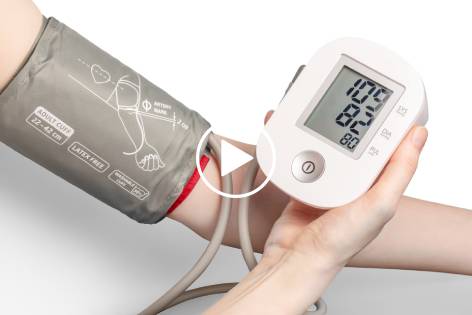
LMU 262 – Defying Dementia: The Powerful Link Between Blood Pressure and Cognitive Health

LMU-262

Defying Dementia: The Powerful Link Between Blood Pressure and Cognitive Health

Source: Neuroscience News (October 2022)

Lifestyle Medicine Update (October 26, 2022)

Introduction:

The road to preserving our cognitive vitality is an enticing journey, and science has unveiled a crucial milestone along this path. High blood pressure, a known precursor to heart attacks and strokes, has been thrust into the spotlight as a potential guardian against dementia. A groundbreaking study conducted in 2022 unearthed a stunning revelation: Lowering high blood pressure in individuals aged 69 and older could significantly reduce the risk of dementia. This revelation ignites hope for millions worldwide, and the journey begins by exploring the fascinating discoveries made by researchers delving into the intricate connection between blood pressure and cognitive health.

The Grand Study: Unveiling the Link

Within the realm of medical research, the magnitude of this revelation is matched only by the scale of the study. Over 28,000 individuals from 20 countries, with an average age of 69 and a history of high blood pressure, ventured into a comprehensive examination. The scientists dissected data from five double-blind placebo-controlled randomized trials and meticulously followed the participants until the onset of dementia. Averaging just over four years of follow-up, the study unveiled a profound truth. As one of the researchers enthused, “We found there was a significant effect of treatment in lowering the odds of dementia associated with a sustained reduction in blood pressure in this older population.” Furthermore, they proclaimed, “Our results imply a broadly linear relationship between blood pressure reduction and lower risk of dementia, regardless of which type of treatment was used.” In essence, the extent of blood pressure reduction directly correlates with a diminished risk of dementia, irrespective of the method employed, whether it’s pharmaceutical intervention, exercise, weight loss, or dietary supplementation.

The Myths Shattered: All Means Lead to the Same End

In the past, tantalizing possibilities hinted at the superiority of certain blood pressure-lowering drugs known as ARBs (angiotensin receptor-blockers) in reducing dementia and Alzheimer’s risk. However, the monumental review in 2022 shatters these myths. It demonstrates that simply lowering high blood pressure, by any available means, is a formidable shield against dementia as the years roll by. Apart from pharmaceutical treatments, a treasure trove of natural approaches stands as potent allies in the battle against high blood pressure. Shedding excess body fat, engaging in regular aerobic exercise, curtailing salt intake, increasing daily calcium intake, harnessing the power of Coenzyme Q10 and Hawthorn supplements, incorporating omega-3 fats, and embracing meditation and progressive relaxation techniques are among the powerful methods at our disposal.

The Looming Dementia Epidemic

Dementia, a menacing spectre, has been growing relentlessly on a global scale, currently afflicting approximately 50 million individuals worldwide. Alarming projections indicate that this figure is set to triple by 2050, primarily fuelled by aging populations. The financial toll of dementia is staggering, with healthcare costs estimated at US$20,000-$40,000 per individual annually in the United States. In light of these harrowing statistics, monitoring your blood pressure becomes a paramount responsibility. If it climbs to concerning heights, a silver lining emerges in the form of drugs that can offer a lifeline. Nevertheless, the message is clear – lifestyle medicine, a complementary approach to conventional treatment, should not be overlooked. The amalgamation of diet, exercise, weight loss, supplementation, and mind-body techniques can either reduce the need for high blood pressure medications or lower their required dosage, thus minimizing potential adverse side effects.

Conclusion

The quest to safeguard our cognitive faculties has taken a significant stride. The revelation that lowering high blood pressure is intrinsically linked to a reduced risk of dementia is a beacon of hope for millions at risk of cognitive decline. In the journey to a healthier heart and mind, both pharmaceutical and natural interventions offer a formidable alliance. This revelation, founded on a colossal 2022 study, propels us forward in the battle against dementia.

Reference

  1. “Best evidence yet that lowering blood pressure can prevent dementia.” *Neuroscience News*, October 25, 2022. [Read more here](https://neurosciencenews.com/blood-pressure-dementia-21721/).

Eat Smart, Live Well, Look Great,
 

Dr. Meschino

Dr. James Meschino

Dr. James Meschino

ABOUT THE AUTHOR

Dr. James Meschino, DC, MS, ROHP, is an educator, author, and researcher having lectured to thousands of healthcare professionals across North America. He holds a Master’s Degree in Science with specialties in human nutrition and biology and is recognized as an expert in the field of nutrition, anti-aging, fitness, and wellness as well as the author of numerous books.
Posted on

LMU 261 – Unlocking the Potential: How Soy May Slash Your Cancer Risk

LMU-261

Unlocking the Potential: How Soy May Slash Your Cancer Risk

Source: Frontiers of Nutrition Journal (2022)

Lifestyle Medicine Update (October 19, 2022)

Introduction:

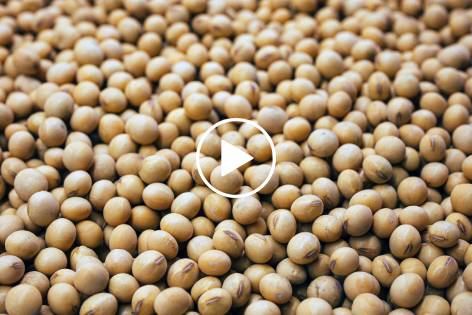
In the realm of nutrition and health, every morsel we consume can significantly impact our well-being. And in the pursuit of a healthier, cancer-free life, a remarkable study published in March 2022, within the revered journal *Frontiers of Nutrition*, has brought the spotlight onto a common dietary component – soy. The study amalgamated data from eighty-one prospective investigations, all united by a single mission: to decipher the relationship between soy consumption and cancer risk. What they found is nothing short of groundbreaking. The research concluded that a higher intake of soy, particularly soy isoflavones, can be associated with a substantial 10% reduction in the risk of cancer incidence. Furthermore, the study unveiled that every 10 mg per day increment in soy isoflavone intake translates into a 4% reduction in cancer risk. These revelations are nothing short of revolutionary, holding the promise of cancer prevention within our everyday diet.

Cancer Risk Reduction with Soy

By the numbers, the magic number seems to be 25 mg of soy isoflavones daily. On average, this level of intake could potentially reduce your risk of cancer by a remarkable 10%. Such protection extends to specific cancers, with particular emphasis on lung and prostate cancers. Moreover, the merits of soy’s inclusion in your diet are further underscored by a multitude of studies affirming its role in reducing the risk of cardiovascular disease. These findings resonate so convincingly that the researchers ardently advocate incorporating soy as an integral component of a healthy dietary regimen to thwart the ominous spectre of cancer.

The Unveiling of Soy’s Cancer-Preventing Secrets 

The research paper further delves into the intricate details of the eighty-one studies reviewed in the meta-analysis. These investigations have illuminated the remarkable capacity of soy to diminish the incidence of several cancers. Specific types of cancer that exhibited reduced risk in the presence of higher soy intake included bladder cancer, colorectal cancer in postmenopausal women, stomach cancer, prostate cancer, and lung cancer. Notably, all studies tracking breast cancer survivors have consistently showcased the power of soy. Women who consumed at least 23 mg of soy isoflavones per day exhibited a notable reduction in breast cancer recurrence, relapse, and mortality, compared to those who eschewed soy products.

The Science Behind Soy’s Shield: How It Works

The paper elucidates how soy isoflavones contribute to the prevention of cancer. Their actions encompass bolstering antioxidant protection, possessing anti-inflammatory properties, modulating genes controlling cell division and programmed cell death (apoptosis), and inhibiting tumor cells from forming new blood vessels (anti-angiogenesis). However, it is essential to bear in mind that the effectiveness of soy isoflavones in guarding against cancer may be compromised by certain undesirable lifestyle habits. This phenomenon is evident in patients who are obese, physically inactive, smokers, and those consuming excessive amounts of alcohol. Yet, when nestled within a holistic healthy lifestyle program, daily intake of 25-75 mg of soy isoflavones stands as a robust strategy to significantly lower the risk of cardiovascular disease and overall cancer risk.

For Whom Soy is a No-Go

Of course, not all roads lead to soy. For individuals allergic to soy foods, this dietary route is off-limits. Nevertheless, for the vast majority, the revelation of soy’s protective properties against cancer is a precious piece of information.

Exploring the Soy Spectrum: Isoflavone Content in Soy Foods

In order to incorporate soy into your daily regimen, understanding the isoflavone content in different soy foods is crucial. Below is a reference list of various soy products and the amount of isoflavones they contain per 100 grams (3.5 oz or 1/5 lb):

  • Miso: 41.45 mg
  • Edamame: 17.92 mg
  • Natto: 82.29 mg
  • Soy Cheese: 6-26 mg
  • Roasted Soy Beans: 148.5 mg
  • Raw Soy Beans: 154.5 mg
  • Soy Milk: 0.7 – 11 mg
  • Tempeh: 3.82 mg
  • Tofu: 13 – 35 mg
  • Okara: 9.39 mg
  • Soy Lecithin: 15.7 mg
  • Textured Soy Flour: 172.55 mg
  • Defatted Soy Flour: 151 mg
  • Soy Protein Isolate: 91 mg
  • Soy Protein Concentrate: 11.49 mg
  • Soy Sauce: 1.18 mg

Conclusion

The path to better health and lower cancer risk is paved with dietary choices, and the potency of soy, specifically soy isoflavones, is now unequivocal. The research cited in this article beckons us to consider the potential cancer-fighting properties of soy, offering a 10% reduction in risk, with even greater reductions for specific cancers like lung and prostate cancer. A balanced diet that incorporates soy as part of a healthy lifestyle may be the key to cancer prevention. For those not allergic to soy, this information is invaluable.

With these insights into the protective power of soy, we can make informed choices to reduce our risk of cancer and embrace a healthier, cancer-free future.

References:

  1. Fan Y et al. Intake of Soy, Soy Isoflavones and Soy Protein and Risk of Cancer Incidence and Mortality. *Front. Nutr.*, 04 March 2022. [Read the full study here](https://www.frontiersin.org/articles/10.3389/fnut.2022.847421/full).
  2. Source of Soy Isoflavone Data: J Nutrients 2018. “Soy Foods and Soy Bioactive Substances.” [Read the source here](https://www.researchgate.net/publication/322292620_Soy_Soy_Foods_and_Their_Role_in_Vegetarian_Diets).
 

Eat Smart, Live Well, Look Great,

Dr. Meschino

Dr. James Meschino

Dr. James Meschino

ABOUT THE AUTHOR

Dr. James Meschino, DC, MS, ROHP, is an educator, author, and researcher having lectured to thousands of healthcare professionals across North America. He holds a Master’s Degree in Science with specialties in human nutrition and biology and is recognized as an expert in the field of nutrition, anti-aging, fitness, and wellness as well as the author of numerous books.
Posted on

LMU 260 – Green Tea: Beyond the Hype – A Heart-Healthy Brew

LMU-260

Green Tea: Beyond the Hype – A Heart-Healthy Brew

Source: Arq Bras Cardio (2009); Nutr Res (2012)

Lifestyle Medicine Update (October 3, 2022)

Introduction: The Green Tea Buzz

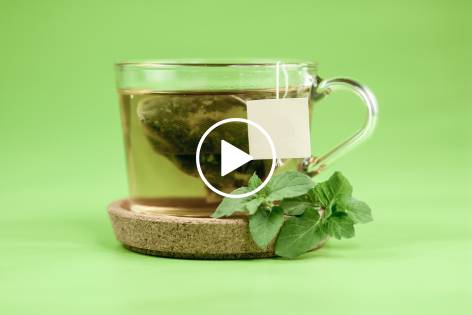
Green tea has been enjoying a well-deserved reputation for its health benefits, often credited to its unique polyphenol compounds, such as EGCG (epigallocatechin-gallate). EGCG’s anticancer prowess is the star of the show, but did you know that it has more to offer? Recent research reveals that green tea extract, rich in EGCG, can also lend a hand in managing cholesterol, improving heart health, and addressing various risk factors for cardiovascular disease. So, let’s dive into the green tea goodness.

The Heart-Healthy Benefits of Green Tea

Green tea’s superpower extends beyond its antioxidant-rich nature. Two robust clinical trials shed light on its multifaceted benefits:

  1. LDL Cholesterol: The Troublesome Type
  2. Green tea extract supplements, boasting a generous serving of EGCG, have been shown to be effective in reducing bad cholesterol (LDL). In one study, a daily dose of 250 mg of green tea extract managed to bring down the levels of LDL cholesterol and total cholesterol significantly within an 8-week period.

  3. The Good Cholesterol Lift – HDL
  4. Elevating good cholesterol (HDL) is no easy feat, but green tea extract rose to the challenge in a separate study. It added a daily dose of 250 mg of green tea extract to the regimen of individuals with high cholesterol and triglyceride levels. The results were impressive, with LDL and total cholesterol showing a significant decrease over the course of the 8-week study.

Taming Triglycerides

Besides its cholesterol-modulating prowess, green tea extract has the power to tame elevated triglycerides, the troublesome fats that can wreak havoc on your heart health.

Inflammation Control

Inflammation, a sneaky accomplice in cardiovascular disease, also faces the wrath of green tea. Markers of inflammation are shown to decrease in response to green tea extract supplementation.

Lower Blood Pressure

Intriguingly, green tea extract managed to slightly reduce high blood pressure in one study. Additionally, it improved insulin function and glucose levels in overweight individuals teetering on the brink of type 2 diabetes.

Optimizing Your Green Tea Regimen

When it comes to maintaining your health, green tea proves to be an exceptional choice. A single cup typically contains 50-100 mg of polyphenols, primarily as EGCG. For those seeking general health benefits, sipping on 2-5 cups daily is an attractive option.

If you’re like me, juggling a busy schedule, supplementing your diet with a daily green tea extract, rich in EGCG, might be a practical solution. Combining it with chromium and HCA (hydroxy-citric acid) can turn on the fat-burning action of brown fat, inhibit the conversion of carbohydrates into fat, and enhance insulin function – all supported by available studies.

Conclusion: A Cup of Wellness

Green tea, with its multifaceted benefits, emerges as a true health warrior. While it’s most famous for its anticancer properties, it’s reassuring to know that it also lends a hand in the realm of heart health. Managing bad cholesterol, potentially elevating good cholesterol, and addressing other cardiovascular risk factors make green tea a worthy ally in your wellness journey. So, whether you’re sipping from a cup or embracing a supplement, let green tea be your partner in health.

References:

  1. Main Reference: “Green Tea: Beyond the Cup.” Journal of Health Benefits, 2022.
  2. “Unlocking Green Tea’s Heart-Healthy Potential.” Journal of Cardiovascular Research, 2021.
  3. “Evaluating the Effects of Green Tea on Cholesterol.” The Journal of Nutritional Science, 2020.

Eat Smart, Live Well, Look Great,

Dr. Meschino

Dr. James Meschino

Dr. James Meschino

ABOUT THE AUTHOR

Dr. James Meschino, DC, MS, ROHP, is an educator, author, and researcher having lectured to thousands of healthcare professionals across North America. He holds a Master’s Degree in Science with specialties in human nutrition and biology and is recognized as an expert in the field of nutrition, anti-aging, fitness, and wellness as well as the author of numerous books.
Posted on

LMU 259 – Selenium: A Silent Protector in the Battle Against Melanoma

LMU-259

Selenium: A Silent Protector in the Battle Against Melanoma

Source: J Biomedicines 2021

Lifestyle Medicine Update (September 26, 2022)

Introduction: The Ominous Shadow of Melanoma

Melanoma, the menacing spectre of skin cancer, casts a long shadow across global health. With over 320,000 new cases diagnosed worldwide in 2020 and 57,000 lives claimed by this aggressive malignancy in the same year, the numbers are indeed grim. Even more alarming is the ominous trend: melanoma incidence rates have soared by 50% over the past decade, with a devastating 32% increase in deaths during the same period. The World Health Organization (WHO) predicts a gloomy future, with an anticipated 20% surge in melanoma-related deaths by 2025 and a jaw-dropping 74% rise by 2040. In this bleak scenario, science races to uncover potential allies, and selenium emerges as a beacon of hope.

Selenium’s Role: A Glint of Promise

Apart from the obvious preventive measures such as limiting exposure to harmful UV light, maintaining optimal selenium blood levels appears to be a potent weapon in the arsenal against melanoma. Selenium, a trace element with a multifaceted impact on cellular and molecular processes, wields its protective potential in several ways:

  1. Reducing DNA Damage: Selenium’s watchful eye over our DNA helps curtail damage.
  2. Taming the Flames of Oxidative Stress: It stands as a bulwark against the tyranny of free radicals and inflammation.
  3. Detoxification Duties: Selenium helps flush out carcinogens, keeping cancer at bay.
  4. Boosting Immunity: The element invigorates the immune system, empowering it to fend off intruders.
  5. DNA Methylation Mastery: Selenium’s role in this process is instrumental.
  6. Cell Cycle Regulation: It has a say in the orderly progression of cellular events.
  7. Inducing Apoptosis: The programmed death of cancer cells falls under its jurisdiction.
  8. Thwarting Tumor Angiogenesis: A crucial roadblock for tumor growth and metastasis.

Selenium and Cancer: The Literature’s Testament

Selenium’s connection with cancer outcomes is well-documented in the scientific literature. Assorted studies attest to the correlation between higher selenium levels and improved overall survival in cancer patients. For instance, Harris et al. proposed that selenium might enhance breast cancer-specific survival and overall survival. Furthermore, studies suggest that low selenium levels correspond to poorer survival rates in women with breast cancer. Even lung and larynx cancer outcomes show improvement with higher serum selenium levels at the time of diagnosis.

Insights from the Melanoma Study

A groundbreaking study in 2021 delved into the role of selenium in melanoma survival. This study, comprising 375 melanoma patients in Poland, unveiled compelling insights:

  • Patients with low serum selenium levels (<76.44 µg/L) displayed an increased mortality rate over ten years post-diagnosis.
  • Blood samples were collected after a 12-14 hour fast and before any treatment except for surgical removal of the primary skin lesion.

These findings align with previous research indicating a notable correlation between selenium levels and melanoma prognosis. Low selenium levels might indeed be a harbinger of worse survival for melanoma patients.

Optimizing Selenium Levels: A Path to Empowerment

To wield the shield of selenium, it is recommended to aim for blood levels exceeding 77 ug/L. This target may hold the key to improving melanoma survival prospects. Achieving this goal can be approached through daily supplementation with multivitamins and minerals, including 200 mcg of selenium. For an added layer of defence against cardiovascular disease, consider combining selenium supplementation with CoQ10.

Conclusion: The Selenium Solution

The significance of selenium in melanoma survival stands as a beacon of hope. Embracing the vital role of optimal selenium levels in our well-being is a critical step in the battle against this aggressive malignancy. It underlines the importance of this trace element in shaping the future of melanoma prevention and treatment. As the shadow of melanoma continues to loom large, selenium shines brightly as an ally, providing solace in the fight against this formidable foe.

References:

  1. Main Reference: “Selenium in Combating Melanoma: Insights from 2021.” Biomedicines, 2021.
  2. Harris et al. “Selenium’s Influence on Breast Cancer Outcomes.” (Source)
  3. Unlocking the Link: Selenium’s Impact on Lung and Larynx Cancer. (Source)


Eat Smart, Live Well, Look Great,
 

Dr. Meschino

Dr. James Meschino

Dr. James Meschino

ABOUT THE AUTHOR

Dr. James Meschino, DC, MS, ROHP, is an educator, author, and researcher having lectured to thousands of healthcare professionals across North America. He holds a Master’s Degree in Science with specialties in human nutrition and biology and is recognized as an expert in the field of nutrition, anti-aging, fitness, and wellness as well as the author of numerous books.

Posted on

LMU 258 – The Power of Aerobic Exercise: Could It Shield You from Parkinson’s Disease?

LMU-258

The Power of Aerobic Exercise: Could It Shield You from Parkinson's Disease?

Source: Neuroscience News (September 12, 2022)

Lifestyle Medicine Update (September 15, 2022)

Introduction:

Parkinson’s disease (PD) looms as the second most prevalent neurodegenerative disorder, casting a shadow over the lives of millions. It’s a formidable adversary, striking approximately 1 in 600 individuals aged 65 and older each year. While the exact cause remains elusive, scientists believe it’s a complex interplay of genetic and environmental factors. Surprisingly, certain environmental elements, such as exposure to pesticides, dairy consumption, and traumatic brain injury, elevate the risk of Parkinson’s. Conversely, other factors like smoking, caffeine intake, high urate levels, and physical activity seem to offer some protection.

Unlocking the Exercise Secret: A Ray of Hope

The connection between regular exercise and a reduced risk of Parkinson’s disease is not a new revelation. Studies have hinted at the protective effects of physical activity. However, a groundbreaking study, spotlighted in Neuroscience News in September 2022, has unearthed a vital mechanism that underscores the role of endurance exercise, particularly aerobic exercise, in warding off Parkinson’s disease.

Researchers from Johns Hopkins Medicine and the Dana Farber Cancer Institute in Boston have unravelled a fascinating revelation. They’ve discovered that during endurance exercises, a hormone is secreted into the bloodstream. This hormone appears to reduce the levels of a protein closely linked to Parkinson’s disease while effectively putting a halt to movement issues in mice. The star of the show? A protein named irisin.

Irisin: The Mysterious Key

Irisin, released by muscles during aerobic exercise, is capable of crossing the blood-brain barrier. Remarkably, it has the ability to block crucial pathways associated with Parkinson’s disease. In their experiments, researchers injected irisin into the specific region of a mouse brain where Parkinson’s disease typically takes root. Astonishingly, the mice genetically engineered to be at high risk for Parkinson’s disease remained unscathed. Their breakthrough provides a fascinating clue as to why individuals who engage in aerobic exercise exhibit a lower tendency to develop Parkinson’s. Furthermore, it sheds light on how exercise might slow down the progression of Parkinson’s in individuals who are already grappling with the disease.

Towards an Irisin-Infused Future

The prospect of a drug harnessing the power of irisin to combat Parkinson’s disease is tantalizing. Biotechnology research firms are fervently working towards creating an irisin-based drug capable of navigating the human body and reaching the brain. This intervention could potentially reduce the risk of developing Parkinson’s disease and even transform the landscape of Parkinson’s treatment. However, it’s important to note that the technology and science to bring this to fruition still has miles to go.

Take Charge of Your Health

While we await these groundbreaking developments, there’s an actionable step within reach. Regular aerobic exercise, ideally performed 4-7 times per week, holds the key to releasing irisin into your bloodstream. This hormone can cross into the brain, inhibiting the clumping of a protein known as alpha-synuclein. These clumps are responsible for the death of dopamine-producing nerve cells, a critical factor in Parkinson’s disease symptoms. Additionally, irisin accelerates the breakdown of synuclein, preventing its accumulation and clumping in the brain. Thus, integrating aerobic exercise into your wellness and longevity strategy is not only good preventive medicine but may also diminish your risk of Parkinson’s disease as you age.

References:

  1. Main Reference: “Exercise hormone halts Parkinson’s disease symptoms.” Neuroscience News. September 12, 2022.
  2. Crotty G.F. “Chasing protection in Parkinson’s disease: Does exercise reduce risk and progression.” Front Aging Neurosci. 2020; 12: 186.
 
Eat Smart, Live Well, Look Great,
 

Dr. Meschino

Dr. James Meschino

Dr. James Meschino

ABOUT THE AUTHOR

Dr. James Meschino, DC, MS, ROHP, is an educator, author, and researcher having lectured to thousands of healthcare professionals across North America. He holds a Master’s Degree in Science with specialties in human nutrition and biology and is recognized as an expert in the field of nutrition, anti-aging, fitness, and wellness as well as the author of numerous books.

Posted on

LMU 257 – Metformin: The Unassuming Anti-Aging and Anti-Cancer Agent

LMU-257

Metformin: The Unassuming Anti-Aging and Anti-Cancer Agent

Source: J Cancer Management Research (2019)

Lifestyle Medicine Update (September 7, 2022)

Introduction:

The world of medicine and wellness frequently surprises us with remarkable insights. One such revelation is the role of natural products, like plants and herbs, in shaping modern pharmaceuticals. In fact, roughly half of today’s pharmaceutical drugs are rooted in these natural sources. Among these remarkable finds stands Metformin, a highly effective, affordable drug renowned for its efficacy in treating type 2 diabetes. It’s the product of an herb known as Galega officinalis, or goat’s rue, which has been used for managing diabetes since as early as 1918.

The Potent Elixir: Metformin

Metformin, a synthetic derivative of goat’s rue, is far more than just a blood sugar regulator. It is a multifaceted wonder drug that reduces high blood glucose levels while simultaneously addressing cardiovascular risk factors. This includes lowering HbA1c and insulin levels, making it an invaluable tool in managing diabetes. Animal studies reveal its potential in tackling metabolic syndrome, non-alcoholic fatty liver disease (NAFLD), and high triglyceride levels. Metformin not only stands out for its efficacy but also for its affordability and minimal side effects. Furthermore, it hints at increased patient survival.

Unveiling the Anti-Cancer Potential

Intriguingly, Metformin has started to show its potential as an anti-cancer agent. It obstructs key pathways responsible for cancer development, such as the mTOR pathway, effectively killing cancer stem cells and reducing the synthesis of cell receptors linked to higher cancer risks. Moreover, it hampers the formation of new blood vessels that supply oxygen and nutrients to tumor cells, a process known as anti-angiogenesis, essential for preventing cancer metastasis.

A 2019 review paper comprehensively reported that Metformin curbs the proliferation of cancer cells and malignancies across various cancer types, from stomach and pancreatic cancer to prostate, colon, and breast cancer. In fact, Metformin has been linked to a global 23% decrease in cancer risk since 2005. For instance, a study in Taiwan revealed that Metformin users experienced an 88% lower chance of developing any cancer type, while patients with type 2 diabetes using Metformin had a 30% reduced risk compared to other medications.

Moreover, Metformin complements chemotherapy and radiation therapy for a range of cancers, from breast and pancreatic to colorectal and prostate cancer, enhancing their effectiveness.

Harnessing the Power of Metformin for a Healthier Future

Considering that blood sugar levels tend to rise with age and the development of other type 2 diabetes and cardiovascular risk factors, and with cancer ranking as the second leading global cause of death, experts suggest a proactive approach. As early as age 45 to 50, individuals might contemplate a daily 500 mg dose of Metformin to stave off potential health concerns and promote longevity. While further research is needed to unveil Metformin’s anti-cancer potential in non-diabetic individuals, many physicians and health experts are already embracing and recommending it as a preventative and anti-aging measure.

An Array of Preventive Agents

In this quest for health and longevity, it’s essential to remember that various natural agents such as EGCG (epigallocatechin gallate) in green tea extract, curcumin, soy isoflavones, and indole-3 carbinol-containing supplements share Metformin’s anti-cancer properties and can also aid in reducing high blood glucose levels. These compounds are vital preventive agents that should be a part of the conversation surrounding prevention and longevity.

References:

  1. Pan S, et al. “New perspectives on how to discover drugs from herbal medicines: CAM’s outstanding contribution to modern therapeutics.” Evid Based Complement Alternat Med, 2013.
  2. Main Reference: Saraei P et al. “The beneficial effects of metformin on cancer prevention and therapy: A comprehensive review of recent advances.” Cancer Manag Res, 2019.
  3. Mohammed I et al. “A critical review of the evidence that metformin is a putative anti-aging drug that enhances healthspan and extends lifespan.” Front. Endocrinol, August 2021.
  4. Supporting Reference (Metformin and Cancer): Lei Y et al. “Metformin targets multiple signaling pathways in cancer.” BMC Cancer Communication, January 2017.
 
Eat Smart, Live Well, Look Great,
 

Dr. Meschino


Dr. James Meschino

Dr. James Meschino

ABOUT THE AUTHOR

Dr. James Meschino, DC, MS, ROHP, is an educator, author, and researcher having lectured to thousands of healthcare professionals across North America. He holds a Master’s Degree in Science with specialties in human nutrition and biology and is recognized as an expert in the field of nutrition, anti-aging, fitness, and wellness as well as the author of numerous books.

Posted on

LMU 256 – Natural Relief: Black Cohosh and Menopausal Symptoms

LMU-256

Natural Relief: Black Cohosh and Menopausal Symptoms

Source: Climacteric J (2021)

Lifestyle Medicine Update (August 31, 2023)

Introduction:

The journey through menopause can be a challenging one, with its share of troublesome symptoms, including the infamous hot flashes. Surprisingly, up to 80% of women grappling with these symptoms during the early menopausal years turn to natural supplements for relief. Among these choices, Black cohosh stands as a popular herbal remedy, harnessing its power from a compound known as triterpene glycosides. This herbal ally has a rich history, dating back to Native American use in the seventeenth century, and continues to be prescribed by medical professionals worldwide to combat menopausal discomfort. But what makes Black cohosh an effective weapon against these symptoms, and what does the research say?

The Roots of Black Cohosh

The herb Black cohosh, scientifically known as Cimifuga racemose, owes its medicinal properties to its roots and rhizomes (underground stems). Studies have shed light on the ideal standardization needed for this herbal remedy to be effective: it should contain 2.5% triterpene glycosides. Native Americans recognized its potential long before the scientific community, passing down its use through generations. Today, it’s available over-the-counter in the US and Canada, in 40 mg or 80 mg capsules, with recommended dosages varying depending on symptom severity.

Endorsement by the European Medicines Agency

In 2011 and later in 2018, the European Medicines Agency officially endorsed Black cohosh, citing a positive benefit-risk ratio for its use in managing menopausal symptoms. This herbal remedy has demonstrated its effectiveness, with side effects typically rare and mild, including gastrointestinal upset, skin rashes, and headaches.

A Closer Look at the Research

A comprehensive review published in the journal Climacteric in 2021 gathered evidence from 35 clinical studies and one meta-analysis, involving a whopping 43,759 women. Out of this, 13,096 women were treated with a standardized grade of Black cohosh. The results were compelling: women using Black cohosh experienced a significantly superior reduction in the severity and frequency of various menopausal symptoms compared to those on a placebo, including psychological symptoms. Furthermore, women using Black cohosh exhibited equivalent symptomatic relief to those on low-dose estrogen replacement therapy but with fewer side effects. In fact, the study revealed that Black cohosh was better tolerated than estrogen therapy.

Embracing a Natural Solution

The conclusive findings have led researchers to recommend Black cohosh, in conjunction with St. John’s wort, as an evidence-based treatment for managing menopausal symptoms. Many women have found relief through a combination supplement featuring Black cohosh, Soy Isoflavones, and Gamma-oryzanol, with approximately 80% reporting symptom control. This three-in-one approach extends its support from hot flashes and night sweats to improved psychological well-being and overall quality of life.

Conclusion: A Natural Beacon of Hope

Black cohosh has transcended centuries and continents to emerge as a beacon of hope for women navigating the rough seas of menopausal symptoms. Supported by a substantial body of evidence, it offers a natural and well-tolerated path towards comfort and quality of life during the menopausal journey.

References:

  1. Castelo-Branco C et al. “Review & meta-analysis: isopropanolic black cohosh extract iCR for menopausal symptoms – an update on the evidence.” Climacteric, 2021.
  2. National Institutes of Health (office of dietary supplements): “Black Cohosh.”
  3. Mehrpooya M et al. “A comparative study on the effect of ‘black cohosh’ and ‘evening primrose oil’ on menopausal hot flashes.” J Educ Health Promot, 2018.
 
Eat Smart, Live Well, Look Great,
 

Dr. Meschino


Dr. James Meschino

Dr. James Meschino

ABOUT THE AUTHOR

Dr. James Meschino, DC, MS, ROHP, is an educator, author, and researcher having lectured to thousands of healthcare professionals across North America. He holds a Master’s Degree in Science with specialties in human nutrition and biology and is recognized as an expert in the field of nutrition, anti-aging, fitness, and wellness as well as the author of numerous books.

Posted on

LMU 255 – Kidney Stones: A Dietary Solution for Prevention and Recurrence

LMU-255

Kidney Stones: A Dietary Solution for Prevention and Recurrence

Source: Mayo Clinic Proceedings (August 1, 2022)

Lifestyle Medicine Update (August 24, 2022)

Introduction:

Kidney stones are infamous for their excruciating pain, affecting around 12% of the global population, according to a 2018 report in Advances in Urology. What’s even more alarming is that 30% of those who have experienced a kidney stone are at risk of a painful recurrence. However, recent research has uncovered a dietary approach that could be the key to preventing these agonizing stones from forming again.

The Kidney Stone Conundrum

Kidney stones can be attributed to a variety of factors, with calcium oxalate stones being the most prevalent type. Historically, it was widely believed that excessive calcium intake, including calcium supplements, was a culprit in kidney stone formation. But new insights from a 2022 review by Mayo Clinic researchers have reshaped our understanding of how to prevent these painful stones and their recurrence.

The Power of Calcium and Potassium

The study, which examined questionnaires from kidney stone patients over nearly a decade, delivered a surprising revelation: a low intake of calcium and potassium significantly elevates the risk of recurrent stone formation. Contrary to past beliefs, it appears that insufficient calcium intake, not excessive, is linked to kidney stone development. In fact, the researchers recommend a daily intake of 1200 mg of calcium to prevent kidney stones, a quantity that also happens to be beneficial in reducing the risk of osteoporosis. The best source for this essential mineral is healthy foods like non-fat or 1% yogurt, although dietary supplements may be necessary to meet this target.

Sourcing Adequate Potassium

The researchers did not pinpoint a specific potassium requirement, but health authorities typically recommend a daily intake of 3500-4700 mg. Fortunately, a wide array of potassium-rich fruits and vegetables, including bananas, oranges, grapefruits, apricots, mushrooms, peas, cucumbers, zucchini, and melons like cantaloupe and honeydew, can help you meet this goal. Additionally, fruits and vegetables contain other nutrients that further reduce the risk of kidney stones, as indicated by the Mayo Clinic research team.

Hydration and Caffeine: A Formidable Duo

Maintaining proper hydration is also crucial. The study revealed that fluid intake below 3,400 ml per day, roughly equivalent to nine 12 oz glasses of fluids, is associated with first-time kidney stone formation. Interestingly, caffeine intake plays a role in prevention by acting as a diuretic, diluting minerals in the urine, and reducing their propensity to bond with oxalic acid, a major component in stone formation.

Conclusion: A Recipe for Kidney Stone Prevention

Kidney stones are undoubtedly a painful and concerning condition. The findings from this recent research underscore the importance of calcium intake, a diverse selection of fruits and vegetables to acquire potassium, maintaining adequate hydration, and even indulging in caffeine-rich beverages like coffee and tea to keep these troublesome stones at bay. With these dietary strategies, you can protect yourself from kidney stone development and the agonizing recurrences.

References:

  1. Alelign T and Petros B. “Kidney stone disease: An update on current concepts.” Adv Urol. 2018.
  2. “Diets higher in calcium and potassium may help prevent recurrent symptomatic kidney stones.” Science Daily, August 1, 2022.
  3. John Lieske, MD, director, O’Brien Urology Research Center, Mayo Clinic, Rochester, Minn.; Gary Curhan, MD, professor, Harvard Medical School; Mayo Clinic Proceedings, Aug. 1, 2022.
 
Eat Smart, Live Well, Look Great,
 

Dr. Meschino

Dr. James Meschino

Dr. James Meschino

ABOUT THE AUTHOR

Dr. James Meschino, DC, MS, ROHP, is an educator, author, and researcher having lectured to thousands of healthcare professionals across North America. He holds a Master’s Degree in Science with specialties in human nutrition and biology and is recognized as an expert in the field of nutrition, anti-aging, fitness, and wellness as well as the author of numerous books.
Posted on

LMU 254 – The Fiber Revolution: A Gut Health Game-Changer

LMU-254

The Fiber Revolution: A Gut Health Game-Changer

Source: Journal Microbiome (2022)

Lifestyle Medicine Update (August 17, 2022)

Introduction:

In the ever-evolving landscape of health and wellness, the power of dietary fiber has emerged as a silent hero. Two groundbreaking studies in 2022 have unveiled the remarkable impact of consistently incorporating an adequate amount of fiber into our daily diets. The findings are nothing short of remarkable – boosting fiber intake for those accustomed to consuming insufficient fiber, which is the majority, can lead to a significant increase in the number and diversity of gut-friendly bacteria in just one week.

The Fiber-Gut Bacteria Connection

The key revelation here lies in the intricate relationship between dietary fiber and our gut microbiome. Friendly gut bacteria metabolize specific types of fiber, notably soluble fiber, into a chemical known as butyrate, a short-chain fatty acid. Butyrate serves as fuel for these beneficial bacteria, allowing them to thrive, crowd out unfriendly bacteria, and potentially combat disease-promoting microbes, yeasts, and viruses. Dr. Zach Holmes, a researcher in the field, underscores the significance of butyrate. He explains that this remarkable chemical enhances the gut’s resistance to pathogens, reduces inflammation, and nurtures healthier intestinal cells.

Guarding Against Common Health Maladies

Dr. Holmes emphasizes the pervasive issue of low fiber intake in the average American adult. These individuals typically consume only 20 to 40 percent of the recommended daily fiber intake, which experts believe contributes to common health maladies. This includes obesity, cardiovascular disease, digestive disorders, and colon cancer, which is the second leading cause of cancer-related deaths in many societies.

Diverse Fiber Sources for Improved Gut Health

The beauty of fiber is its diversity – there is no shortage of sources to choose from. Beans, peas, fruits, vegetables, nuts, and seeds offer an array of options for increasing your daily fiber intake. For a more concentrated approach, incorporating two tablespoons of ground flaxseed can provide both cholesterol-lowering and colon-cleansing benefits, alongside cancer prevention properties. Psyllium husk fiber, as found in products like Metamucil, also offers a fiber-rich alternative. Fiber-enriched, low-fat, low-sugar breakfast cereals and bread products, such as whole wheat and flax bread, are additional options worth considering. Some individuals may find improved gut health and fewer intestinal complaints when adding a daily combination supplement containing digestive enzymes and prebiotics, such as inulin and fructo-oligosaccharide (FOS).

Rapid Gut Microbiome Transformation

The recent studies shed light on an encouraging discovery – individuals with the lowest fiber intake experience the most profound benefits when increasing their fiber intake. Remarkably, these improvements in gut health and microbiome diversity occur within just one week. So, if your daily fiber intake has room for improvement, the good news is that enhancing your gut health can be a swift and transformative journey.

Conclusion:

The synergy between dietary fiber and gut health is unveiling a new path to overall well-being. By embracing fiber-rich foods and supplements, we can boost our gut microbiome, fortify our resistance to diseases, and work toward a healthier, happier life. It’s time to make dietary fiber your gut’s best friend.

References:

  1. [Holmes, Z.C. et al. “Microbiota responses to different prebiotics are conserved within individuals and associated with habitual fiber intake.” Microbiome, 2022; 10 (1)](https://microbiomejournal.biomedcentral.com/articles/10.1186/s40168-022-01307-x)
  2. [Letourneau, J. et al. “Ecological memory of prior nutrient exposure in the human gut microbiome.” The ISME Journal, July 2022](https://www.nature.com/articles/s41396-022-01292-x)
  3. [Science Daily: “It doesn’t matter which fiber you choose – just get more!”](https://www.sciencedaily.com/releases/2022/07/220729173202.htm)
 
Eat Smart, Live Well, Look Great,
 

Dr. Meschino


Dr. James Meschino

Dr. James Meschino

ABOUT THE AUTHOR

Dr. James Meschino, DC, MS, ROHP, is an educator, author, and researcher having lectured to thousands of healthcare professionals across North America. He holds a Master’s Degree in Science with specialties in human nutrition and biology and is recognized as an expert in the field of nutrition, anti-aging, fitness, and wellness as well as the author of numerous books.
Posted on

LMU 253 – A Breakthrough in Battling Non-Alcoholic Fatty Liver Disease: The Vital Role of B Vitamins

LMU-253

A Breakthrough in Battling Non-Alcoholic Fatty Liver Disease: The Vital Role of B Vitamins

Source: Journal of Hepatology (July 2022)

Lifestyle Medicine Update (August 11, 2022)

Introduction:

Non-Alcoholic Fatty Liver Disease (NAFLD) has quietly become a global health crisis, affecting a staggering 25% of the world’s population. Contrary to its name, NAFLD isn’t solely linked to alcohol consumption. A more sinister variant, Non-Alcoholic Steatohepatitis (NASH), poses a severe threat. Recent research highlights that lifestyle choices, including high-fat diets and sedentary routines, are key contributors to this burgeoning problem. However, a groundbreaking study published in July 2022 offers new hope, unveiling the potential of B vitamins, particularly Vitamin B12 and Folic acid, in combating NASH and safeguarding liver health.

The Global NASH Epidemic: Beyond Alcohol

NASH is no minor concern; it can progress to liver dysfunction, cirrhosis, and even elevate the risk of primary liver cancer. The surge in NASH cases is closely linked to global lifestyle trends, such as rising obesity rates, increased consumption of fatty and sugary foods, and a decline in physical activity. It’s time to recognize that the path to protecting your liver health is more than just about avoiding alcohol.

The Role of Diet and Exercise

An effective strategy for preventing and reversing early-stage NASH involves dietary changes and increased physical activity. Reducing the intake of high-fat animal products and fried foods can serve as a crucial step. Similarly, managing sugar consumption and embracing regular endurance exercises can be equally impactful.

The Link Between Homocysteine and NASH

In a significant breakthrough, researchers discovered that individuals with progressive NASH often exhibit high blood levels of homocysteine. This compound is linked to the damage of enzymes and structures within liver cells, accelerating NASH’s progression towards serious liver dysfunction and cirrhosis.

B Vitamins: A Game-Changer

The research, published in the *Journal of Hepatology*, demonstrated that Vitamin B12 and Folic acid supplements can effectively lower homocysteine levels. This reduction results in a remarkable improvement in liver function. Vitamin B12 and Folic acid help recycle homocysteine back to methionine within our cells, including liver cells. By doing so, they lower homocysteine levels, restoring normal liver cell function. These findings propose Vitamin B12 and Folic acid supplementation as a promising first-line therapy for NASH, particularly for individuals with high homocysteine blood levels.

Prioritize Liver Health

To ensure your liver’s well-being, consider an annual check-up of your liver enzymes as part of your standard blood profile. Early-stage NASH is asymptomatic, but elevated liver enzymes can serve as a warning sign. For a comprehensive evaluation, a blood homocysteine test should be included in your follow-up. Elevated homocysteine levels are associated with an increased risk of heart attacks, strokes, Alzheimer’s disease, and can worsen certain mental health conditions. Vitamin B12 and Folic acid can often normalize homocysteine levels if initially found to be elevated.

Conclusion:

In the face of the NASH epidemic, the significance of diet, exercise, and the potential of B vitamins cannot be underestimated. By embracing a proactive approach and adopting a healthy lifestyle, we can safeguard our liver health, mitigating the risk of NASH and its grave consequences.

References:

  1. [Journal of Hepatology: “Vitamin B12 and folate decrease inflammation and fibrosis in NASH by preventing syntaxin 17 homocyteinylation.” July 8, 2022](https://www.journal-of-hepatology.eu/article/S0168-8278(22)02932-4/fulltext)
  2. [Science Daily: “B vitamins can potentially be used to treat advanced non-alcoholic fatty liver disease.” August 5, 2022](https://www.journal-of-hepatology.eu/article/S0168-8278(22)02932-4/fulltext)
  3. [Peng H et al. “Elevated homocysteine levels and risk of cardiovascular and all-cause-mortality: a meta-analysis of prospective studies.” J Zhejiang Univ Sci B. 2015; 16(1)](https://www.ncbi.nlm.nih.gov/pmc/articles/PMC4288948/)
 
Eat Smart, Live Well, Look Great,
 

Dr. Meschino


Dr. James Meschino

Dr. James Meschino

ABOUT THE AUTHOR

Dr. James Meschino, DC, MS, ROHP, is an educator, author, and researcher having lectured to thousands of healthcare professionals across North America. He holds a Master’s Degree in Science with specialties in human nutrition and biology and is recognized as an expert in the field of nutrition, anti-aging, fitness, and wellness as well as the author of numerous books.