Posted on

LMU 84 – Guarding Your Vital Organs: Navigating Acetaminophen with Wisdom

LMU-84

LMU 84 – Guarding Your Vital Organs: Navigating Acetaminophen with Wisdom

Source: Journal Drug Development Research (2015)

Lifestyle Medicine Update (March 24, 2018)

Introduction

In the labyrinth of pain relief and fever reduction, acetaminophen stands as a familiar warrior, offering solace through its widespread presence in over-the-counter medications. A household name, epitomized by Tylenol, this pharmaceutical soldier has witnessed an astonishing 27 billion doses dispensed in 2009 alone. With its unparalleled efficacy, however, comes an ominous downside—acetaminophen’s potential to ravage the liver and, to some extent, the kidneys. Positioned as the leading culprit behind drug-induced liver failure in our world, acetaminophen warrants attention and understanding. It’s time to delve into this intricate narrative, exploring the mechanisms that render this painkiller a double-edged sword, capable of both healing and harm.

The Stealthy Culprit: Acetaminophen’s Wrath on the Liver

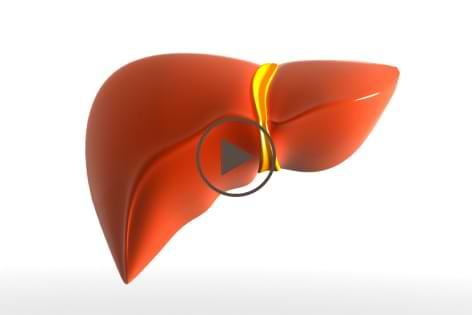
Acetaminophen has garnered notoriety for inducing liver failure, a consequence that stems from its transformation within the liver. Metabolized into a fierce and reactive agent known as the NAPQI metabolite, acetaminophen emerges as a formidable adversary to liver cells. This metabolite inflicts damage and even death upon these cells, culminating in the tragic cascade of liver failure. The twist in this tale lies in the role of glutathione, a vital protector that can counteract and neutralize the NAPQI metabolite, rendering it harmless and paving the way for its elimination from the body.

The Depleting Defender: Acetaminophen’s Impact on Glutathione

However, a cruel irony unfolds with the chronic use of acetaminophen. This seemingly benevolent ally stealthily depletes glutathione levels not just in the liver, but throughout the body, orchestrating a gradual deterioration of liver cells. The consequence is twofold: liver cell damage and eventual cell death. The intricate dance between acetaminophen, its metabolite, and the body’s defence mechanism is a critical juncture to understand in the quest to protect our precious organs.

A Lifesaving Ally: NAC Steps onto the Stage

Amidst the tumultuous backdrop of acetaminophen’s impact, an unsung hero emerges in the form of N-Acetylcysteine (NAC). This natural substance holds the key to mitigating the impending damage caused by acetaminophen overdose. In cases of acute overdose, hospitals administer NAC as a potent antidote. NAC serves as a building block for the synthesis of glutathione, rapidly restoring its levels and halting liver failure in its tracks. This medical marvel has paved the way for a potential safeguard against liver damage induced by regular acetaminophen usage.

NAC: Beyond Acute Overdose

Recent studies have unveiled a promising prospect—the oral ingestion of NAC, available as a supplement, as a defence against chronic acetaminophen usage. A notable study published in the journal Drug Development Research in 2015 shed light on this matter. This research postulates that acetaminophen-containing drugs should ideally be paired with an equal dose of NAC to avert liver damage with each dose of acetaminophen ingested. Although this recommendation has yet to be heeded by lawmakers and pharmaceutical companies, its potential to shape the future of pain relief strategies is undeniable.

Elevating Glutathione: A Symphony of Natural Allies

While NAC takes center stage, other natural allies can also join the fight to preserve and elevate glutathione levels:

  • Alpha-lipoic acid (ALA): A powerful antioxidant that complements NAC in raising and maintaining glutathione levels.
  • Silymarin (Milk Thistle): Not only supporting liver repair but also safeguarding kidney cells from the clutches of diverse free radicals induced by various drugs and toxins.
  • L-Glutamine: A pivotal amino acid vital for glutathione synthesis.
  • Combination Supplements: Some companies have harnessed the synergy of NAC, ALA, Silymarin, and L-Glutamine into a single supplement.

Nutrition: A Fundamental Defender

Beyond supplements, the realm of nutrition also wields the power to fortify liver function and bolster detoxification. Incorporating certain foods can support your body’s innate ability to thrive:

  • Garlic: A natural ally in the pursuit of liver health.
  • Onions: Partnering with garlic in promoting overall well-being.
  • Cruciferous Vegetables: A host of superheroes, such as broccoli, Brussels sprouts, cabbage, cauliflower, and Bok choy, offer indole 3 carbinol and sulforaphane, compounds that amplify detoxification.

A Lesson in Moderation: Beware the Alcohol Trap

While navigating the realm of acetaminophen, another crucial factor beckons for attention—alcohol. Combining alcohol with acetaminophen amplifies the liver and kidney damage potential of this drug. A cardinal rule emerges: abstain from alcohol while under the influence of acetaminophen to shield your vital organs from this potent combination.

Conclusion: Empower Yourself with Knowledge

In the tapestry of our lives, acetaminophen’s role emerges as both a healer and a harvester of damage. Armed with the understanding of its potential pitfalls and protective allies, you can take charge of your well-being. While lawmakers and pharmaceutical giants ponder the integration of NAC with acetaminophen, you can proactively safeguard your liver and kidneys. By embracing NAC supplements, harnessing the power of natural agents, and incorporating liver-friendly foods, you embark on a journey of empowerment. In the pursuit of wellness, knowledge is your greatest armor.

References

  1. Owumi S, Andrus JP, et al. Co-administration of N-Acetylcysteine and Acetaminophen Efficiently Blocks Acetaminophen Toxicity. Drug Dev Res 76 : 251-258, 2015. © 2015 Wiley Periodicals, Inc. [Link to study](https://onlinelibrary.wiley.com/doi/full/10.1002/ddr.21262#references-section)
  2. Deaths from Acetaminophen: [ProPublica Article](https://www.propublica.org/article/tylenol-mcneil-fda-behind-the-numbers)
  3. Sears S.E. Chelation: Harnessing and Enhancing Heavy Metal Detoxification – A Review. Scientific World Journal. 2013. [Link to study](https://www.hindawi.com/journals/tswj/2013/219840) : Children’s Hospital of Eastern Ontario Research Institute

Eat Smart, Live Well, Look Great

Dr. Meschino

Dr. James Meschino

Dr. James Meschino

ABOUT THE AUTHOR

Dr. James Meschino, DC, MS, ROHP, is an educator, author, and researcher having lectured to thousands of healthcare professionals across North America. He holds a Master’s Degree in Science with specialties in human nutrition and biology and is recognized as an expert in the field of nutrition, anti-aging, fitness, and wellness as well as the author of numerous books.

Posted on

LMU 83 – Unlocking the Power of Leucine: A Small Molecule with a Mighty Impact on Muscle

LMU-83

LMU 83 – Unlocking the Power of Leucine: A Small Molecule with a Mighty Impact on Muscle

Source: American Journal of Clinical Nutrition (February 2018)

Lifestyle Medicine Update (March 17, 2018)

Introduction

As the sands of time sweep us into the realm of aging, one universal truth stands firm: “little things make the big difference.” This adage resonates anew in the realm of scientific discovery, particularly in the research we’re exploring today. Nestled within the February 2018 edition of the American Journal of Clinical Nutrition, a revelation has unfolded—a revelation that holds the potential to reshape how we navigate the journey of growing older. This revelation comes in the form of an amino acid, a building block of life found in dairy products, which emerges as a powerful ally in the fight against the gradual decline of muscle mass and strength that plagues many as they age. This discovery is poised to mark a turning point, as it shines a spotlight on a seemingly small player with the ability to exert a monumental influence on our physical well-being.

The Battle Against Muscle Mass Decline: A New Contender Emerges

Aging, a profound journey marked by wisdom and experience, carries with it a less-welcomed companion: the gradual loss of muscle mass and strength. This decline, while seemingly inevitable, has drawn the attention of researchers and scientists who are striving to rewrite the narrative. The stark reality is that beyond the age of 40, a steady erosion of muscle mass and strength often begins, and by the time individuals reach their 60s, 70s, or 80s, the impact can be substantial. This process strips individuals of stability, predisposing them to falls, inhibiting the performance of daily tasks, and contributing to a slew of health issues including weight gain, pre-diabetes, type 2 diabetes, and its associated complications.

Unveiling the Science Behind Muscle Loss

The underpinning of this muscle mass decline is rooted in the hormonal shifts that occur with aging. Key hormones like Growth Hormone, Testosterone, Estrogen, Progesterone, and Insulin-like Growth Factor-1, known for their role in muscle development, take a hit as the aging process advances. The result? Our precious muscle mass becomes vulnerable to breakdown. However, amid this landscape of hormonal decline emerges a noteworthy contender: Leucine, an amino acid residing in dairy products. Leucine’s potency lies in its ability to activate muscle protein synthesis, even within the aging population. Remarkably, this action can counteract the age-related muscle loss—a revelation that carries profound implications for the well-being of older individuals.

Leucine: The Muscle Savior

What sets Leucine apart is its unique capability to initiate the mTOR pathway in muscle cells, a process that propels muscle protein synthesis into action. This phenomenon is so powerful that even individuals who don’t engage in exercise can witness the reversal of age-related muscle loss. Leucine emerges as the catalyst, triggering the cellular processes needed to restore muscle mass and amplify strength. Of course, when coupled with resistance training, Leucine’s impact is magnified, paving the way for a dynamic duo that reclaims the vitality of aging muscles.

The Magic Number: Unlocking Leucine’s Potential

So, how much Leucine is needed to harness its transformative effects? The answer underscores a significant issue: suboptimal Leucine intake across the aging population. With advancing years, protein and Leucine consumption tend to dwindle, often plummeting to a single protein-rich meal per day. However, a groundbreaking study published in the American Journal of Clinical Nutrition demonstrated that by simply ingesting 3-4 grams of Leucine during breakfast and lunch, a marked improvement in muscle mass and strength was observed among older participants—even those who abstained from resistance exercise. This revelation is particularly pertinent considering that the average older individual consumes less than 2 grams of Leucine during these meals. The goal? Elevate this intake to a target of 4 grams whenever feasible.

Incorporating Leucine: A Small Step with Profound Impact

Amid the quest to amplify daily Leucine intake, simple strategies emerge that promise to pack a punch in the battle against muscle loss. One such approach involves adding 4 ounces of non-fat Greek yogurt to both breakfast and lunch. This seemingly small act injects the missing 2 grams of Leucine while simultaneously introducing 8-9 grams of total protein—an equation primed to boost muscle health. Another effective avenue entails incorporating a daily whey protein shake, which brims with Leucine and a complementary blend of amino acids that bolster muscle protein synthesis. By blending one scoop or 25 grams of whey protein powder with water and ice cubes, the missing Leucine can be seamlessly integrated into daily nutrition, without the burden of excess calories.

A New Dawn of Strength and Vitality

As the threads of scientific inquiry are woven into the fabric of practical application, a new chapter emerges in the tale of aging. The revelation of Leucine’s power serves as a beacon of hope for those navigating the terrain of muscle loss. Amid the delicate dance of time, the potency of Leucine promises to preserve strength, safeguard muscle mass, and cultivate a higher quality of life. Indeed, it’s the little things, like a scoop of protein powder or a cup of Greek yogurt, which hold the potential to create the most significant difference in our journey through the tapestry of aging.

References

  1. American Journal of Clinical Nutrition (Feb 2018) – [Link to the study](https://academic.oup.com/ajcn/article/107/2/143/4911455)
  2. Leucine in Greek Yogurt – [Link to source] (http://healthyeating.sfgate.com/greek-yogurt-amino-acid-profile-12074.html)

Eat Smart, Live Well, Look Great

Dr. Meschino

Dr. James Meschino

Dr. James Meschino

ABOUT THE AUTHOR

Dr. James Meschino, DC, MS, ROHP, is an educator, author, and researcher having lectured to thousands of healthcare professionals across North America. He holds a Master’s Degree in Science with specialties in human nutrition and biology and is recognized as an expert in the field of nutrition, anti-aging, fitness, and wellness as well as the author of numerous books.

Posted on

LMU 82 – Unravelling the Mysteries of Irritable Bowel Syndrome: Personalized Dietary Approaches for Relief

LMU-82

LMU 82 – Unravelling the Mysteries of Irritable Bowel Syndrome: Personalized Dietary Approaches for Relief

Source: British Medical Journal (Open) Gastroenterology (March 2018)

Lifestyle Medicine Update (March 10, 2018)

Introduction

Irritable Bowel Syndrome (IBS), a pervasive disorder affecting approximately one in five adults, casts a shadow of discomfort over the lives of those it touches. Characterized by chronic abdominal pain, fluctuations between diarrhea and constipation, as well as unwelcome companions like gas and bloating, IBS is a complex condition that often extends its grasp into the realms of sleep disorders, depression, anxiety, and fatigue. Living with IBS can be truly debilitating, demanding a multifaceted approach to management that transcends mere conventional wisdom. While there exist standard recommendations for addressing IBS symptoms, groundbreaking research from Yale University unveils a realm of personalized dietary approaches that promise a new dawn of hope for IBS sufferers. With the ability to pinpoint specific food sensitivities, this study opens doors to tailored dietary regimens that have demonstrated significant improvements in IBS patients’ lives.

Standard IBS Management: The Road Thus Far

The management of IBS has long posed a challenge to both medical professionals and individuals grappling with the disorder. Conventional wisdom has outlined several standard recommendations to alleviate symptoms and enhance the quality of life for those affected:

  1. Limit or eliminate foods exacerbating symptoms, such as caffeine, alcohol, carbonated drinks, milk products, high-sugar foods, fatty foods, gas-producing foods, and certain artificial sweeteners.
  2. Address constipation with increased fiber intake, ample water consumption, and regular exercise.
  3. Maintain proper hydration to achieve light yellow or clear urine.
  4. Consider moderating high-fiber foods, especially those leading to gas and bloating.
  5. Restrict intake of “resistant starch,” found in foods like cold or reheated potatoes, bread, and cereal.
  6. Consume fresh fruit in moderation (3 portions a day).
  7. Adopt mindful eating habits in a serene environment without skipping meals.
  8. Incorporate probiotics to promote beneficial gut bacteria.
  9. Enhance digestion by using digestive enzymes with major meals.

Personalization: A Glimpse into the Future of IBS Management

While these conventional guidelines have provided a foundation for IBS management, the advent of personalized medicine has paved the way for a more nuanced approach. Researchers at Yale University have broken new ground by showing that identifying specific food sensitivities can revolutionize the dietary approach to IBS management, yielding significant improvements for patients. Published in the British Medical Journal Open Gastroenterology in March 2018, their study hails the potential of a tailored dietary strategy that caters to individual sensitivities.

Unveiling the Study’s Design and Impact

The Yale team embarked on a rigorous clinical trial encompassing 58 IBS patients. Employing the Leukocyte Activation Test – Alcat Test, a blood test gauging white blood cell inflammation response to particular foods, the researchers embarked on a journey to unveil the connection between dietary sensitivities and IBS symptoms. The essence of the Alcat Test lies in its ability to identify foods that trigger immune cell activation in individual patients. Armed with this knowledge, the study participants were placed on customized diets, either avoiding foods that aligned with test results or steering clear of those inconsistent with the test findings. Several weeks into the personalized dietary regimens, the participants underwent assessment for symptom severity and quality of life.

The results painted a transformative picture. While both groups exhibited improvements, those adhering to diets congruent with test results emerged as the clear victors in terms of overall improvement and symptom severity reduction. This breakthrough offers a glimmer of hope to those grappling with the burdensome reality of IBS, suggesting that a simple blood test can pave the way to tailored dietary strategies capable of enhancing comfort levels and quality of life.

The Path Forward: A Personalized Approach

As the Yale study’s findings unfold, a promising trajectory emerges for individuals afflicted by IBS. The key takeaway lies in the possibility of engaging with healthcare professionals to conduct the straightforward Alcat Test, ultimately unveiling the specific foods that trigger immune responses and exacerbate symptoms. Armed with this personalized dietary roadmap, IBS patients stand to experience a significant transformation in their well-being.

Conclusion: A New Dawn for IBS Sufferers

The landscape of IBS management is evolving, propelled by the pioneering efforts of researchers at Yale University. The concept of personalized dietary approaches, as demonstrated through the Alcat Test, offers a beacon of hope for individuals burdened by the challenges of IBS. As medical science continues to delve deeper into the intricacies of individual responses to foods, the potential for relief and enhanced quality of life emerges as a tangible reality on the horizon. For those living with IBS, the journey toward comfort and vitality may well begin with a simple blood test, ushering in a new era of tailored strategies and empowered well-being.

References

  • Ather Ali, Theresa R Weiss, Douglas McKee, Alisa Scherban, Sumiya Khan, Maxine R Fields, Damian Apollo, Wajahat Z Mehal. Efficacy of individualized diets in patients with irritable bowel syndrome: a randomized controlled trial. BMJ Open Gastroenterology, 2017; 4 (1) 10.1136/bmjgast-2017-000164
  • Full-Text PDF Article: [http://bmjopengastro.bmj.com/content/bmjgast-4-1-e000164.full.pdf]

Eat Smart, Live Well, Look Great

Dr. Meschino

Dr. James Meschino

Dr. James Meschino

ABOUT THE AUTHOR

Dr. James Meschino, DC, MS, ROHP, is an educator, author, and researcher having lectured to thousands of healthcare professionals across North America. He holds a Master’s Degree in Science with specialties in human nutrition and biology and is recognized as an expert in the field of nutrition, anti-aging, fitness, and wellness as well as the author of numerous books.

Posted on

LMU 81 – Unlocking the Link: How Dietary Cholesterol Fuels Colon Cancer Development

LMU-81

LMU 81 – Unlocking the Link: How Dietary Cholesterol Fuels Colon Cancer Development

Source: Journal Cell Stem Cell (January 2018)

Lifestyle Medicine Update (January 31, 2018)

Introduction

In the intricate realm of human health, the impact of dietary choices continues to captivate researchers and ignite discussions. One of the long-standing debates revolves around the role of dietary fats, particularly animal fats, in influencing the risk of colon cancer. Colon cancer, the second leading cause of cancer-related deaths in developed countries, has consistently piqued the interest of scientists due to its multifaceted origins and impact. For years, studies have pointed to a correlation between high animal fat consumption (excluding fish) and elevated colon cancer rates. Unravelling the intricacies of this relationship, researchers have delved into the mechanisms that underlie the association between animal fat consumption and colon cancer risk. Moreover, recent breakthroughs have uncovered the role of dietary cholesterol as a key player in this intricate puzzle, shedding light on the direct link between cholesterol intake and colon cancer development.

Animal Fat Diet and Colon Cancer: Bridging the Connection

A mounting body of evidence over the years has established a compelling connection between a diet rich in animal fats (excluding fish) and an increased susceptibility to colon cancer. While fish, a source of beneficial omega-3 fatty acids, appears to buck this trend, other sources of animal fat have been implicated in promoting the development of colon cancer. Researchers have dedicated extensive efforts to deciphering the mechanisms that drive this association. Intriguingly, it has been observed that the consumption of high levels of animal fats can trigger the production of secondary sterols and provoke alterations in the gut microflora, both of which have been linked to the progression of colon cancer. These findings open a window into the intricate interplay between dietary choices and the delicate balance of the human gut ecosystem.

Cholesterol: The Silent Culprit

As researchers delved deeper into the labyrinthine landscape of colon cancer development, an intriguing figure emerged on the scene: cholesterol. Beyond its notorious reputation as a cardiovascular risk factor, cholesterol has now been implicated in the realm of colon cancer. A groundbreaking study published in the journal Cell Stem Cell in January 2018 forged a crucial link between dietary cholesterol and the mechanics of colon cancer initiation. What set this study apart was its revelation of the precise mechanism through which dietary cholesterol exacerbates the risk of colon cancer. As one researcher noted, “while the connection between dietary cholesterol and colon cancer is well established, no one has previously explained the mechanism behind it.”

Unlocking the Mechanism: Cholesterol’s Role in Colon Cancer

The study embarked on a transformative journey by utilizing an animal model to dissect the intricate relationship between dietary cholesterol and colon cancer. By subjecting the model to varying levels of dietary cholesterol, the researchers uncovered a remarkable sequence of events. Higher cholesterol intake corresponded to an accumulation of cholesterol within the cell membrane, the outer skin, of colon cells. This accumulation served as a molecular trigger, compelling these cells to undergo accelerated division. With each division, the cells accrued genetic errors at an alarming rate, effectively steering them down the perilous path towards malignancy. Astonishingly, the study revealed that the influence of high dietary cholesterol boosted the formation of tumor cells in the colon by more than a staggering 100-fold.

Elaborating on these findings, the researchers elucidated the process: “as the animals’ cholesterol levels rose, their cells divided more rapidly, causing the tissue lining their guts to expand and their intestines to lengthen. These changes significantly sped up the rate of tumor formation in their colons.” This revelation offered a crucial insight into the interplay between dietary cholesterol, cell division, and the intricate dance of colon cancer development.

A New Paradigm: Dietary Choices and Cancer

The implications of these findings are monumental, painting a vivid picture of the intricate ways in which dietary choices influence the development of colon cancer. As this silent culprit, cholesterol, assumes a prominent role in fuelling cancer progression, it is imperative to reimagine our dietary habits. With colon cancer emerging as a leading cause of mortality, particularly in developed nations, the significance of adopting healthier dietary practices cannot be overstated.

Conclusion: A Call to Action

In the quest to decode the intricate web of factors that drive colon cancer development, researchers have achieved a significant breakthrough by establishing the direct link between dietary cholesterol and malignancy. The study’s revelations underscore the critical importance of adopting dietary habits that minimize cholesterol intake, animal fat consumption, and the consumption of trans-fats and deep-fried foods. The dynamic landscape of nutrition and its impact on human health continues to unveil its secrets, guiding us toward informed choices that hold the potential to transform our well-being.

References

Wang, B., Rong, X., Palladino, E. N. D., Wang, J., Fogelman, A. M., Martín, M. G., … Tontonoz, P. (2018). Phospholipid Remodelling and Cholesterol Availability Regulate Intestinal Stemness and Tumorigenesis. Cell Stem Cell.
https://www.cell.com/cell-stem-cell/fulltext/S1934-5909(17)30519-2

Eat Smart, Live Well, Look Great,

Dr. Meschino

Dr. James Meschino

Dr. James Meschino

ABOUT THE AUTHOR

Dr. James Meschino, DC, MS, ROHP, is an educator, author, and researcher having lectured to thousands of healthcare professionals across North America. He holds a Master’s Degree in Science with specialties in human nutrition and biology and is recognized as an expert in the field of nutrition, anti-aging, fitness, and wellness as well as the author of numerous books.
Posted on

LMU 80 – The Omega-3 Puzzle: Unveiling the Cancer-Preventing Power

LMU-80

LMU 80 – The Omega-3 Puzzle: Unveiling the Cancer-Preventing Power

Source: Journal of Biochemistry (December 2017)

Lifestyle Medicine Update (January 31, 2018)

Introduction

Over the years, the scientific spotlight has shone brightly on the potential cancer-fighting properties of omega-3 fats. This intriguing journey has woven together human observational studies, experimental research with animals, and the complex cellular dance of prostaglandin series-3 (PG-3) – mini-hormones that arise from omega-3 fats. These PG-3 molecules are skilled orchestrators of cell division, holding the key to cancer risk reduction by curbing the rapid replication of cells and preserving the integrity of DNA. Moreover, the connection between omega-3 fats and telomeres, the guardians of DNA’s end, adds another layer to the saga of cancer prevention.

Omega-3 Fats: Navigating the Landscape

Within the realm of omega-3 fats lies a triumvirate of players. Flaxseed oil emerges with its 58% omega-3 fat content, setting the stage for plant-based omega-3 fats. Distinguished from this, fish and fish oil bring forth EPA and DHA – the dynamic duo transforming into PG-3 within the body. It is EPA that takes the reins, slowing cellular replication and elongating telomeres, fortifying the battle against cancer. With this landscape set, the question arises: Is EPA-laden fish oil superior in preventing cancer compared to ALA-containing flaxseed oil? This query became the focus of a study at the University of Guelph, whose findings graced the Journal of Biochemistry in December 2017.

A Pioneering Study: Plant-Based vs. Fish Oil Omega-3s

Venturing into uncharted territory, the University of Guelph embarked on a study poised to reshape cancer prevention strategies. The study’s canvas stretched across breast tumor development, exploring the potency of plant-based and fish oil omega-3 fats. The spotlight shone on a breed of mice harboring the aggressive HER-2 form of human breast cancer, notorious for its 25% prevalence and grim prognosis. These mice, nurtured from their inception, encountered the two types of omega-3 fats – plant-based and fish oil-based.

The Tapestry Unveiled: Fish Oil’s Triumph

As the study’s tapestry unravelled, a revelation emerged. Fish oil-based omega-3 fats unfurled their prowess, diminishing tumor size by a remarkable 60-70% and curbing tumor numbers by 30%. This symphony of prevention was orchestrated by EPA and DHA, which deftly activated immune system genes while obstructing the pathways of tumor growth. The conclusion drawn was compelling – fish oil’s omega-3s wielded superior influence in this intricate dance against breast cancer.

Plant-Based Omegas Shine Bright: The Flaxseed Perspective

Yet, amidst the symphony of fish oil’s triumph, the plant-based omega-3 fats held their own. Plant-derived sources, especially the beloved flaxseed oil, showcased their potential. Notably, the researchers affirmed that higher doses of plant-based omega-3s yielded the same cancer-preventive effect. This revelation underscores the diversity of pathways through which omega-3 fats contribute to the grand mosaic of cancer defence.

The Conductor’s Verdict: Dietary Harmony

The study’s conductor, David W.L. Ma, offered his insights on the symphony’s resonance. He conveyed that omega-3s orchestrate a multifaceted composition – activating immune genes, blocking tumor growth avenues, and nurturing a defence against breast cancer. A nod to the North American diet revealed a dearth of these vital nutrients, highlighting an opportunity for transformation. The study’s dosages prompted a suggestion – two to three servings of fish weekly could mirror the cancer-preventive effect.

Beyond the Study: Nurturing Comprehensive Well-Being

As the study’s echoes reverberate, it beckons us to ponder the broader canvas of well-being. Essential fatty acid supplements enter the stage, encompassing fish oil, flaxseed oil, and borage seed oil. This trinity weaves a narrative of health, with borage seed oil playing a vital role in boosting prostaglandin series-1 (PG-1) synthesis. PG-1’s anti-inflammatory prowess, coupled with its potential in cancer prevention, heightens the value of this symphony of supplements.

A Symphony’s Encore: A Call to Action

The study unfurls an invitation, urging us to embrace dietary choices as a gateway to empowered health. The nexus between omega-3 fats and cancer prevention emerges as a reminder – the choices we make echo in our well-being. As the curtain falls, the symphony of omega-3 fats continues to resound, painting a portrait of vibrancy, vitality, and longevity.

References

  1. Research Study: Jiajie Liu, Salma A. Abdelmagid, Christopher J. Pinelli, Jennifer M. Monk, Danyelle M. Liddle, Lyn M. Hillyer, Barbora Hucik, Anjali Silva, Sanjeena Subedi, Geoffrey A. Wood, Lindsay E. Robinson, William J. Muller, David W.L. Ma. Marine fish oil is more potent than plant-based n-3 polyunsaturated fatty acids in the prevention of mammary tumours. The Journal of Nutritional Biochemistry, 2017 [10.1016/j.jnutbio.2017.12.011]
    http://10.1016/j.jnutbio.2017.12.011
Dr. James Meschino

Dr. James Meschino

ABOUT THE AUTHOR

Dr. James Meschino, DC, MS, ROHP, is an educator, author, and researcher having lectured to thousands of healthcare professionals across North America. He holds a Master’s Degree in Science with specialties in human nutrition and biology and is recognized as an expert in the field of nutrition, anti-aging, fitness, and wellness as well as the author of numerous books.
Posted on

LMU 79 – Nutty Delights: Cashews as Cholesterol Champions

LMU-79

LMU 79 – Nutty Delights: Cashews as Cholesterol Champions

Source: American Journal of Clinical Nutrition (May 2017)

Lifestyle Medicine Update (January 27, 2018)

Introduction:

In the realm of nutritional exploration, certain ingredients rise above the rest, revealing their potential to reshape health outcomes. As we’ve previously uncovered the heart-healthy prowess of almonds and walnuts, our journey now leads us to the intriguing world of cashews. In May 2017, the American Journal of Clinical Nutrition unveiled a study that bestowed cashews with a remarkable ability – the power to lower bad cholesterol levels. This revelation adds another layer of depth to the role of nuts in shaping cardiovascular health.

A Symphony of Cholesterol Management: The Cashew Revelation

Our journey into the world of cashews commences with a recognition of their status as the third most-consumed tree nut in the United States. Rich in monounsaturated fats and polyunsaturated fats, cashews weave a tapestry of health-promotion, intricately linked to reduced cardiovascular disease risk. While a touch of saturated fat graces their composition, a third of this component is stearic acid – a friend to cholesterol levels, as it refrains from causing a surge in their realms.

Unravelling the Study: Cashews Versus Potato Chips

To witness cashews’ cholesterol-altering prowess, we must traverse the study’s landscape. Enrolled in this exploration were 51 men and women, aged 21 to 73, bearing high bad cholesterol readings – a concern that stood as a potent backdrop. These individuals carried a pronounced risk, with an average LDL-cholesterol reading of 4.1 mmol/L (159 mg/dL). Above 2.5 mmol/L (96 mg/dL) lies the realm of heightened heart attack and stroke risk, with the ideal residing under 2.0 mmol/L (77 mg/dL).

Within this framework, the study pursued its mission. The participants adhered to their typical American dietary patterns, with a twist. One group embraced the allure of potato chips, while the other embarked on a cashew-laden journey, consuming 1-2 oz of cashews daily for 28 days. A 2-week intermission saw a switch in roles, allowing a comprehensive view of cashews’ effects.

The Symphony’s Crescendo: Cholesterol Transformation

As the curtain lifted, the study’s findings unveiled a symphony of change. After 28 days of cashew consumption, a 4% decline in total cholesterol and a 5% reduction in LDL-cholesterol danced before the researchers’ eyes. HDL-cholesterol, the benevolent guardian of heart health, and triglyceride levels stood unchanged. In contrast, the group embracing potato chips witnessed a different tale. A nearly 1% uptick in total cholesterol and a 1.2% increase in LDL-cholesterol painted a contrasting picture.

The Nutty Conclusion: A Bounty of Health

In the realm of dietary choices, the study’s implications reverberate with significance. A mere handful of cashews stands poised as a worthy adversary to the allure of potato chips and their high carbohydrate counterparts. This nutty alternative showcases its potential to lower bad cholesterol and total cholesterol, transforming the landscape of heart health.

Nuts as Pillars of Health: A Harmonious Symphony

Drawing the threads together, nuts continue to form the cornerstone of cardiovascular well-being. The journey has revealed almonds’ prowess in balancing cholesterol, walnuts’ remarkable anti-cancer and heart disease properties, and now, cashews’ potential to usher in cholesterol transformation. The overarching narrative is one of enhanced heart health and mortality reduction, sculpted by the regular consumption of these nutrient-rich wonders.

Culmination and Call to Action

The study in the American Journal of Clinical Nutrition has cast a spotlight on the potential of cashews in the realm of cardiovascular health. As science and nutrition intertwine, a simple truth emerges: the choices we make in our diets hold the power to shape our well-being. In the tapestry of health, the inclusion of cashews stands as an invitation to partake in a symphony of nutty delights – a journey towards heart health, vitality, and longevity.

References

Cashews Research: http://ajcn.nutrition.org/content/105/5/1070.abstract
Mah E et al. Cashew consumption reduces total and LDL-cholesterol: a randomized, crossover, controlled-feeding trial. Am J Clin Nutr. Vol 15 No. 5:1070-1078 (May 2017)
HDL Research: Berryman CE, Fleming JA, Kriss-Etherton PM. Inclusion of almonds in a cholesterol-lowering diet improves plasma HDL subspecies and cholesterol efflux to serum in normal-weight individuals with elevated LDL cholesterol. Journal of Nutrition. August 1, 2017. Vol 147, No 8:1517-1523
http://jn.nutrition.org/content/147/8/1517


Eat Smart, Live Well, Look Great,

Dr. Meschino

Introduction
In the realm of nutritional exploration, certain ingredients rise above the rest, revealing their potential to reshape health outcomes. As we’ve previously uncovered the heart-healthy prowess of almonds and walnuts, our journey now leads us to the intriguing world of cashews. In May 2017, the American Journal of Clinical Nutrition unveiled a study that bestowed cashews with a remarkable ability – the power to lower bad cholesterol levels. This revelation adds another layer of depth to the role of nuts in shaping cardiovascular health.

A Symphony of Cholesterol Management: The Cashew Revelation
Our journey into the world of cashews commences with a recognition of their status as the third most-consumed tree nut in the United States. Rich in monounsaturated fats and polyunsaturated fats, cashews weave a tapestry of health-promotion, intricately linked to reduced cardiovascular disease risk. While a touch of saturated fat graces their composition, a third of this component is stearic acid – a friend to cholesterol levels, as it refrains from causing a surge in their realms.

Unravelling the Study: Cashews Versus Potato Chips
To witness cashews’ cholesterol-altering prowess, we must traverse the study’s landscape. Enrolled in this exploration were 51 men and women, aged 21 to 73, bearing high bad cholesterol readings – a concern that stood as a potent backdrop. These individuals carried a pronounced risk, with an average LDL-cholesterol reading of 4.1 mmol/L (159 mg/dL). Above 2.5 mmol/L (96 mg/dL) lies the realm of heightened heart attack and stroke risk, with the ideal residing under 2.0 mmol/L (77 mg/dL).

Within this framework, the study pursued its mission. The participants adhered to their typical American dietary patterns, with a twist. One group embraced the allure of potato chips, while the other embarked on a cashew-laden journey, consuming 1-2 oz of cashews daily for 28 days. A 2-week intermission saw a switch in roles, allowing a comprehensive view of cashews’ effects.

The Symphony’s Crescendo: Cholesterol Transformation
As the curtain lifted, the study’s findings unveiled a symphony of change. After 28 days of cashew consumption, a 4% decline in total cholesterol and a 5% reduction in LDL-cholesterol danced before the researchers’ eyes. HDL-cholesterol, the benevolent guardian of heart health, and triglyceride levels stood unchanged. In contrast, the group embracing potato chips witnessed a different tale. A nearly 1% uptick in total cholesterol and a 1.2% increase in LDL-cholesterol painted a contrasting picture.

The Nutty Conclusion: A Bounty of Health
In the realm of dietary choices, the study’s implications reverberate with significance. A mere handful of cashews stands poised as a worthy adversary to the allure of potato chips and their high carbohydrate counterparts. This nutty alternative showcases its potential to lower bad cholesterol and total cholesterol, transforming the landscape of heart health.

Nuts as Pillars of Health: A Harmonious Symphony
Drawing the threads together, nuts continue to form the cornerstone of cardiovascular well-being. The journey has revealed almonds’ prowess in balancing cholesterol, walnuts’ remarkable anti-cancer and heart disease properties, and now, cashews’ potential to usher in cholesterol transformation. The overarching narrative is one of enhanced heart health and mortality reduction, sculpted by the regular consumption of these nutrient-rich wonders.

Culmination and Call to Action
The study in the American Journal of Clinical Nutrition has cast a spotlight on the potential of cashews in the realm of cardiovascular health. As science and nutrition intertwine, a simple truth emerges: the choices we make in our diets hold the power to shape our well-being. In the tapestry of health, the inclusion of cashews stands as an invitation to partake in a symphony of nutty delights – a journey towards heart health, vitality, and longevity.

References
Cashews Research: http://ajcn.nutrition.org/content/105/5/1070.abstract
Mah E et al. Cashew consumption reduces total and LDL-cholesterol: a randomized, crossover, controlled-feeding trial. Am J Clin Nutr. Vol 15 No. 5:1070-1078 (May 2017)
HDL Research: Berryman CE, Fleming JA, Kriss-Etherton PM. Inclusion of almonds in a cholesterol-lowering diet improves plasma HDL subspecies and cholesterol efflux to serum in normal-weight individuals with elevated LDL cholesterol. Journal of Nutrition. August 1, 2017. Vol 147, No 8:1517-1523
http://jn.nutrition.org/content/147/8/1517


Dr. James Meschino

Dr. James Meschino

ABOUT THE AUTHOR

Dr. James Meschino, DC, MS, ROHP, is an educator, author, and researcher having lectured to thousands of healthcare professionals across North America. He holds a Master’s Degree in Science with specialties in human nutrition and biology and is recognized as an expert in the field of nutrition, anti-aging, fitness, and wellness as well as the author of numerous books.
Posted on

LMU 78 – The Mighty Mineral: Magnesium’s Impact on Blood Pressure

LMU-78

LMU 78 – The Mighty Mineral: Magnesium's Impact on Blood Pressure

Source: American Journal of Clinical Nutrition (September 2017)

Lifestyle Medicine Update (January 19, 2017)

Introduction

In the intricate tapestry of human health, the quest for solutions to prevailing health issues often takes researchers on a journey of exploration. In September 2017, the American Journal of Clinical Nutrition bore witness to a study that ventured into the realm of magnesium supplementation. This study, resplendent in its pursuit of understanding, delved into the impact of magnesium on blood pressure levels among individuals with prediabetes, insulin resistance, or noncommunicable chronic diseases. This endeavor sought to unravel the connection between magnesium supplementation and blood pressure reduction, casting light on a vital aspect of human well-being.

Unravelling the Study: Magnesium’s Role in Blood Pressure Regulation

Guided by the spirit of scientific inquiry, the study unfurled its methodology. The focus rested on individuals harboring prediabetic conditions, insulin resistance, or chronic noncommunicable diseases. A mosaic of eleven randomized controlled trials emerged as the foundation for this exploration. These trials wove a narrative that encapsulated magnesium supplementation’s potential to curtail high blood pressure in individuals bearing this unique profile.

As the pieces of evidence coalesced, the study laid bare its findings. Among the eleven trials, a total of 543 subjects with varying follow-up periods, spanning from 1 to 6 months, formed the canvas. Within this intricate tableau, the dosage of magnesium supplementation oscillated between 365 to 450 mg/d. Baseline and trial-end blood pressure readings etched a comprehensive picture of magnesium’s impact.

Magnesium’s Silent Symphony: Unveiling the Findings

The culmination of these trials yielded a symphony of findings, resonating with profound implications. An orchestration of evidence revealed a noteworthy reduction in systolic blood pressure – a resounding decrease of over 4 mmHg (4.18 mm Hg). The diastolic counterpart, too, yielded to magnesium’s influence, witnessing a reduction of over 2 mmHg (2.27 mm Hg). Within these figures lay a testament to magnesium’s potential as a guardian against high blood pressure.

Reflections on the Study: Bridging Science and Lifestyle

Interpreting the study’s findings is akin to viewing a vibrant tapestry of health. This revelatory journey offers insights that ripple across the realm of well-being. The bridge between scientific revelation and practical application becomes apparent, invoking reflection on the avenues available for blood pressure management.

    • The Weight of Health: A cornerstone of blood pressure management resides in shedding excess weight. A weight reduction of 10-15% can wield transformative effects, rendering this journey a powerful ally against high blood pressure.
    • Harmony through Exercise: Aerobic exercise, a rhythmic symphony of motion, emerges as a potent strategy. A harmonious cadence of 30 minutes, at least five times a week, orchestrates a melody that harmonizes with blood pressure regulation.
    • The Nutritional Ensemble: The study’s findings echo the harmony of nutrients. Calcium, a stalwart companion to magnesium, unveils its prowess in blood pressure reduction. Consideration of supplements that intertwine calcium and magnesium could thus amplify health benefits.
    • The Ensemble Expands: The chorus of nutrients extends beyond calcium and magnesium. Coenzyme Q10 and Hawthorn, known for their cardiovascular contributions, stand as players in the symphony of blood pressure regulation. The resonance of beetroot juice, rich in nitrates that usher in nitric oxide release, unveils a unique path to vascular expansion and pressure reduction.
    • Tempering Sodium: The wise counsel of sodium moderation finds its place in this orchestration. The act of reducing sodium intake reverberates as a vital note in the melody of blood pressure management.

Harmonizing Health: Considerations and Caveats

As the crescendo of blood pressure management unfolds, certain considerations and caveats arise. The presence of chronic kidney disease, a pivotal factor, calls for prudence in magnesium supplementation. In these instances, magnesium’s impact can be counterproductive, necessitating a nuanced approach to wellness.

Conclusion

The study published in the American Journal of Clinical Nutrition marks a chapter in the ongoing saga of health exploration. Within its pages, magnesium emerges as a silent protagonist, wielding its influence over blood pressure regulation. As science and lifestyle interweave, a holistic approach to blood pressure management materializes. Weight reduction, exercise, nutrient supplementation, sodium moderation, and mindful practices converge to form the symphony of health. This composition holds the promise of resonant health, where the rhythm of life harmonizes with vitality.

References

American Journal of Clinical Nutrition (September, 2017)

http://ajcn.nutrition.org/content/106/3/921.abstract

Eat Smart, Live Well, Look Great,

Dr. Meschino

Dr. James Meschino

Dr. James Meschino

ABOUT THE AUTHOR

Dr. James Meschino, DC, MS, ROHP, is an educator, author, and researcher having lectured to thousands of healthcare professionals across North America. He holds a Master’s Degree in Science with specialties in human nutrition and biology and is recognized as an expert in the field of nutrition, anti-aging, fitness, and wellness as well as the author of numerous books.
Posted on

LMU 77 – The Vital Role of Coenzyme Q10: Energizing Your Body’s Powerhouse

LMU-77

LMU 77 – The Vital Role of Coenzyme Q10: Energizing Your Body's Powerhouse

Source: Multiple Source (see References Below)

Lifestyle Medicine Update (January 10, 2017)

Introduction:

In the intricate dance of life, there exists a substance that orchestrates energy production within our cells – Coenzyme Q10, often affectionately referred to as CoQ10. This vitamin-like entity emerges as a crucial cog in the machinery of our body, playing a pivotal role in transforming food into energy. Visualize it as a dedicated shuttle service that ferries hydrogen electrons through the cellular energy production factory, known as the mitochondria. As we venture into the realm of CoQ10, we uncover its significance, its connection to heart health, and the dynamic interplay between aging, medications, and this essential compound.

Fuelling the Energy Factory: The Role of Coenzyme Q10

Imagine your body as a complex automobile, with each cell serving as an engine. CoQ10 is akin to the fuel that ignites these engines, converting food into the energy required for cellular processes. This vitamin-like substance embarks on a journey within the cellular mitochondria, acting as a beacon of energy transformation. Just as a car with missing pistons sputters, cells with a CoQ10 deficiency falter in their energy production. A deficiency equates to reduced energy availability, akin to dimming the lights of vitality within our cells.

The Heart’s Cry: CoQ10 and Heart Health

While CoQ10’s impact reverberates throughout the body, it assumes a crucial role in the heart’s symphony. The heart, an ever-pulsating marvel, relies on a steady influx of energy to sustain its rhythmic contractions. Herein lies the heart of the matter – a deficiency in CoQ10 can spell trouble for the heart’s vigor. As this deficiency infiltrates the heart muscle, the energy production wanes, setting the stage for heart failure. In this scenario, the heart’s pumping mechanism weakens over time, leading to fluid accumulation in the lungs and extremities. This culminates in congestive heart failure, a grave condition that holds the mantle of being the leading cause of hospital admissions among individuals aged 65 and above.

Aging and the CoQ10 Connection

The passage of time leaves an indelible mark on CoQ10 levels within our bodies. As we journey through the years, our bodies gradually produce less CoQ10. This transformation becomes evident around the age of 45 to 50, where we produce less than half the amount synthesized in our vibrant 20s. The heart, an unwitting victim of this decline, reflects this diminished state, raising concerns about the potential risk of congestive heart failure. This revelation forms a clarion call for those approaching their 40s and beyond to consider fortifying their CoQ10 levels through supplementation.

Medications as CoQ10 Depleters

In the intricate tapestry of health, medications weave a complex narrative. Certain drugs, which serve as lifelines for various conditions, bear the unintended consequence of depleting CoQ10 levels. Statin drugs, wielded to lower cholesterol, stand as a prime example. These drugs curtail CoQ10 synthesis within the body, creating a paradox where the very agents designed to promote health inadvertently undermine it. Gemfibrozil, used to lower triglycerides, and specific medications aimed at managing high blood sugar and blood pressure, all fall within the realm of CoQ10 depleters.

Empowerment through Supplementation

In the quest for a vibrant and thriving life, empowerment emerges as a guiding light. For those navigating the landscape of aging, CoQ10 supplementation presents a beacon of hope. Experts in the realm of nutritional medicine, attuned to the symphony of health, advocate for CoQ10 supplementation after the age of 40. Doses ranging from 30 to 60 mg per day are often deemed sufficient to replenish the declining CoQ10 levels. Moreover, individuals taking medications that deplete CoQ10 should initiate a dialogue with their healthcare providers. Conversations revolving around increasing CoQ10 intake, in the range of 90 to 100 mg per day, hold the promise of safeguarding against the adverse effects linked to CoQ10 deficiency, notably congestive heart failure.

Conclusion

As we delve into the realm of Coenzyme Q10, the canvas of vitality unfurls before us. Within the depths of our cells, this unassuming entity ignites the flames of energy, propelling us forward in the dance of life. With every heartbeat and every pulse of energy, CoQ10 plays its part, a silent yet indispensable partner in our journey. As the pages of time turn and the spectre of aging looms, the tale of CoQ10’s decline unfolds. Yet, in this narrative, lies the promise of empowerment. Through supplementation and mindful consideration of medications, we stand poised to script our own story of vibrant living, fortifying our hearts and minds against the ravages of time.

References

  1. Kaikkonen J, Nyyssonen K, Tuomainen TP, et al.: Determinants of plasma coenzyme Q10 in humans. Federation of European Biochemical Societies Letters 443(2): 163-166, 1999.
  2. Thibault A, Samid D, Tompkins AC, et al.: Phase I study of lovastatin, an inhibitor of the mevalonate pathway, in patients with cancer. Clinical Cancer Research 2(3): 483-491, 1996.
  3. Pepping J: Coenzyme Q. American Journal of Health-System Pharmacy 56: 519-521, 1999.
 
Eat Smart, Live Well, Look Great,

Dr. Meschino

Introduction

In the intricate dance of life, there exists a substance that orchestrates energy production within our cells – Coenzyme Q10, often affectionately referred to as CoQ10. This vitamin-like entity emerges as a crucial cog in the machinery of our body, playing a pivotal role in transforming food into energy. Visualize it as a dedicated shuttle service that ferries hydrogen electrons through the cellular energy production factory, known as the mitochondria. As we venture into the realm of CoQ10, we uncover its significance, its connection to heart health, and the dynamic interplay between aging, medications, and this essential compound.

Fuelling the Energy Factory: The Role of Coenzyme Q10

Imagine your body as a complex automobile, with each cell serving as an engine. CoQ10 is akin to the fuel that ignites these engines, converting food into the energy required for cellular processes. This vitamin-like substance embarks on a journey within the cellular mitochondria, acting as a beacon of energy transformation. Just as a car with missing pistons sputters, cells with a CoQ10 deficiency falter in their energy production. A deficiency equates to reduced energy availability, akin to dimming the lights of vitality within our cells.

The Heart’s Cry: CoQ10 and Heart Health

While CoQ10’s impact reverberates throughout the body, it assumes a crucial role in the heart’s symphony. The heart, an ever-pulsating marvel, relies on a steady influx of energy to sustain its rhythmic contractions. Herein lies the heart of the matter – a deficiency in CoQ10 can spell trouble for the heart’s vigor. As this deficiency infiltrates the heart muscle, the energy production wanes, setting the stage for heart failure. In this scenario, the heart’s pumping mechanism weakens over time, leading to fluid accumulation in the lungs and extremities. This culminates in congestive heart failure, a grave condition that holds the mantle of being the leading cause of hospital admissions among individuals aged 65 and above.

Aging and the CoQ10 Connection

The passage of time leaves an indelible mark on CoQ10 levels within our bodies. As we journey through the years, our bodies gradually produce less CoQ10. This transformation becomes evident around the age of 45 to 50, where we produce less than half the amount synthesized in our vibrant 20s. The heart, an unwitting victim of this decline, reflects this diminished state, raising concerns about the potential risk of congestive heart failure. This revelation forms a clarion call for those approaching their 40s and beyond to consider fortifying their CoQ10 levels through supplementation.

Medications as CoQ10 Depleters

In the intricate tapestry of health, medications weave a complex narrative. Certain drugs, which serve as lifelines for various conditions, bear the unintended consequence of depleting CoQ10 levels. Statin drugs, wielded to lower cholesterol, stand as a prime example. These drugs curtail CoQ10 synthesis within the body, creating a paradox where the very agents designed to promote health inadvertently undermine it. Gemfibrozil, used to lower triglycerides, and specific medications aimed at managing high blood sugar and blood pressure, all fall within the realm of CoQ10 depleters.

Empowerment through Supplementation

In the quest for a vibrant and thriving life, empowerment emerges as a guiding light. For those navigating the landscape of aging, CoQ10 supplementation presents a beacon of hope. Experts in the realm of nutritional medicine, attuned to the symphony of health, advocate for CoQ10 supplementation after the age of 40. Doses ranging from 30 to 60 mg per day are often deemed sufficient to replenish the declining CoQ10 levels. Moreover, individuals taking medications that deplete CoQ10 should initiate a dialogue with their healthcare providers. Conversations revolving around increasing CoQ10 intake, in the range of 90 to 100 mg per day, hold the promise of safeguarding against the adverse effects linked to CoQ10 deficiency, notably congestive heart failure.

Conclusion

As we delve into the realm of Coenzyme Q10, the canvas of vitality unfurls before us. Within the depths of our cells, this unassuming entity ignites the flames of energy, propelling us forward in the dance of life. With every heartbeat and every pulse of energy, CoQ10 plays its part, a silent yet indispensable partner in our journey. As the pages of time turn and the spectre of aging looms, the tale of CoQ10’s decline unfolds. Yet, in this narrative, lies the promise of empowerment. Through supplementation and mindful consideration of medications, we stand poised to script our own story of vibrant living, fortifying our hearts and minds against the ravages of time.

References

  1. Kaikkonen J, Nyyssonen K, Tuomainen TP, et al.: Determinants of plasma coenzyme Q10 in humans. Federation of European Biochemical Societies Letters 443(2): 163-166, 1999.
  2. Thibault A, Samid D, Tompkins AC, et al.: Phase I study of lovastatin, an inhibitor of the mevalonate pathway, in patients with cancer. Clinical Cancer Research 2(3): 483-491, 1996.
  3. Pepping J: Coenzyme Q. American Journal of Health-System Pharmacy 56: 519-521, 1999.

Eat Smart, Live Well, Look Great,

Dr. Meschino

Dr. James Meschino

Dr. James Meschino

ABOUT THE AUTHOR

Dr. James Meschino, DC, MS, ROHP, is an educator, author, and researcher having lectured to thousands of healthcare professionals across North America. He holds a Master’s Degree in Science with specialties in human nutrition and biology and is recognized as an expert in the field of nutrition, anti-aging, fitness, and wellness as well as the author of numerous books.

Posted on

LMU 76 – Unveiling Nutritional Deficiencies in Aging: A Closer Look at Vitamin D, B12, and More

LMU-76

LMU 76 – Unveiling Nutritional Deficiencies in Aging: A Closer Look at Vitamin D, B12, and More

NMU 76 – Vitamin Deficiencies Common in Aging: How to identify them and prevent consequences

Lifestyle Medicine Update (December 20, 2017)

Introduction

As the pages of time turn and we venture into the realm of aging, an illuminating study beckons our attention, shedding light on the profound impact of nutritional deficiencies on our golden years. Published in the journal Nutrients in 2017, this study delves into the lives of an aging population in southern Germany, uncovering startling revelations about the prevalence of sub-optimal levels of essential micronutrients such as vitamin D, B12, iron, and folate. In this exploration, we unearth the significance of these deficiencies, their consequences, and the empowerment that lies within annual blood tests.

The Aging Enigma: Unveiling the KORA-Age Study

Encompassing the canvas of aging, the KORA-Age Study embarked on a mission to scrutinize the lives of 1,079 older adults, spanning from ages 65 to 93 years. This remarkable endeavor, undertaken by the KORA Cooperative Health Research platform, delved into the depths of four vital micronutrients – vitamin D, folate, vitamin B12, and iron. What emerged from this canvas of investigation was a tapestry of revelations, illuminating the prevalence of sub-optimal levels of these micronutrients in the aging populace.

Unmasking Vitamin D Insufficiency

The spotlight turns to vitamin D, a renowned ally in the battle against a myriad of ailments, from cancer to osteoporosis and diabetes. The study cast a revealing light, showcasing that over 50% of the examined older adults bore blood levels of vitamin D below 50 nmol/L, indicating a suboptimal status. This finding strikes a chord, considering the recommended level for optimal prevention stands at 75 nmol/L or higher. The research resonates as a cautionary tale, hinting at the need to address this prevalent deficiency to safeguard against the ravages of various health maladies.

Vitamin B12: A Memory’s Guardian

Vitamin B12, a sentinel for memory and cognition, takes center stage. The study unfurls a disconcerting truth – 27% of the elderly subjects bore blood levels of vitamin B12 below the established threshold. Beyond its role in preventing anemia, vitamin B12 wields its influence in the realms of memory and cognitive function. Its absence can unleash memory loss and dementia-related symptoms, as B12 plays a pivotal role in crafting brain neurotransmitters crucial for memory retention. This revelation underscores the imperative of addressing this deficiency early to preserve cognitive prowess and stave off the shadows of memory loss.

Folate and Iron: Guardians of Vitality

Folate and iron, unassuming yet vital players, unfurl their significance on this stage. The study exposes the sobering truth – 9% of participants grappled with low folate levels, while 11% bore the burden of low iron levels. These deficiencies are harbingers of subtle yet impactful consequences. Folate and vitamin B12 deficiencies herald memory loss and cognitive impairment, disrupting the delicate equilibrium of brain health. Iron, even in its marginal scarcity, can sow the seeds of low energy, memory lapses, concentration struggles, and weakened resistance to infections. These findings serve as a clarion call to address these deficiencies to preserve vitality and overall well-being.

Annual Blood Tests: A Beacon of Empowerment

In the realm of health, knowledge is power, and annual blood tests stand as the beacon of this empowerment. The study underscores the value of monitoring blood levels of these essential micronutrients. It beckons individuals to advocate for themselves, urging them to request comprehensive tests during their annual physical exams. While some insurance plans might not cover tests for vitamin D or homocysteine, their impact on health is immeasurable. The revelations these tests unveil provide a roadmap to potential future diseases, spurring individuals to take charge of their well-being.

The Path Forward: Nurturing Optimal Health

In the grand tapestry of life, aging is a chapter that deserves to be written with vibrancy, vitality, and resilience. The study’s findings echo a universal truth – to nurture health and well-being, one must be proactive. Regular monitoring of blood levels, particularly for vitamin D, B12, folate, iron, and homocysteine, holds the key to longevity and disease-free living. Armed with this knowledge, individuals can embrace the journey ahead with the assurance that their bodies and minds are fortified against the challenges of time.

Conclusion

As the curtain falls on the pages of this study, a narrative of empowerment emerges. The echoes of deficiency dissolve into the promise of proactive measures. The insights gained from this study transcend mere numbers, resonating as a call to action for all seeking a vibrant and thriving life. With the tapestry of aging before us, armed with the knowledge gleaned from annual blood tests, we can navigate the journey with vitality and resilience, embracing each chapter with the grace of well-nourished minds and bodies.

References

  1. Conzade R, et al. Prevalence and Predictors of Subclinical Micronutrient Deficiency in German Older Adults: Results from the Population-Based KORA-Age Study. Nutrients 2017, 9(12), 1276
  2. [Link to the Study] (http://www.mdpi.com/2072-6643/9/12/1276)

Eat Smart, Live Well, Look Great,

Dr. Meschino

Dr. James Meschino

Dr. James Meschino

ABOUT THE AUTHOR

Dr. James Meschino, DC, MS, ROHP, is an educator, author, and researcher having lectured to thousands of healthcare professionals across North America. He holds a Master’s Degree in Science with specialties in human nutrition and biology and is recognized as an expert in the field of nutrition, anti-aging, fitness, and wellness as well as the author of numerous books.

Posted on

LMU 75 – Ashwagandha: A Natural Stress Buster

LMU-75

LMU 75 – Ashwagandha: A Natural Stress Buster

Source: Indian Journal of Psychological Medicine (2012)

Lifestyle Medicine Update

Introduction

In a modern world that often teeters on the edge of chaos, stress has emerged as an unwelcome companion, weaving its way into the fabric of our lives and impacting both mental and physical health. The escalating prevalence of mental health disorders and the confluence of stress with physical ailments like ulcers, high blood pressure, and heart disease attest to its formidable influence. However, amidst the challenges, a beacon of hope shines through a captivating study published in the Indian Journal of Psychological Medicine in 2012. This study unveils the remarkable potential of an adaptogen herb called “Ashwagandha” to alleviate stress, enhance well-being, and even mitigate key biological markers of stress in individuals burdened by its weight.

The Vicious Cycle of Stress

Stress, stemming from external physical or mental burdens, casts a shadow that can engulf us in feelings of turmoil, anxiety, and unease. Prolonged exposure to stress serves as a catalyst, triggering a cascade of unbalanced mental and physiological states. The consequences extend beyond the emotional realm, ushering in a host of conditions ranging from depression to high blood pressure, heart disease, and metabolic disorders such as diabetes. These ailments, with their roots in mental and emotional factors, are surging in prevalence, emerging as significant global health challenges. In the face of this crisis, a growing fraction of the population seeks solace through medical intervention, striving to conquer the shackles of stress.

The Trailblazing Study: Ashwagandha’s Triumph

At the heart of this narrative rests a groundbreaking randomized controlled study that enrolled 64 participants afflicted by chronic stress. This study, meticulously crafted, summoned clinical examinations and laboratory tests to discern the impact of supplementation with Ashwagandha, an adaptogen herb renowned for its stress-modulating properties. The study delved into the abyss of subjective feelings of stress, objective biochemical markers, and vital well-being assessments. Half of the participants were administered a supplement containing 300 mg of Ashwagandha root extract standardized to 5% withanolide content, while the other half received a placebo.

The Power of Ashwagandha: Transformation Unveiled

The study’s findings read like a tale of transformation. After 60 days, subjects embraced by Ashwagandha experienced a surge of improvement in various dimensions, eclipsing the placebo group:

  • Feelings of Anxiety
  • Insomnia
  • Depression
  • Social Dysfunction

Akin to an enchanting spell, Ashwagandha wove its magic, inciting a marked reduction in blood cortisol levels – a direct reflection of the body’s stress response. This study stood as a testament to Ashwagandha’s ability to enact a resolute stand against stress, bolstering self-assessed quality of life for its recipients.

The Cortisol Conquest: A 30% Reduction

Cortisol, the renowned stress hormone, yielded to Ashwagandha’s might. The study showcased a jaw-dropping 28% reduction in cortisol levels within the Ashwagandha group. In contrast, the placebo group registered a mere 8% reduction. This staggering 30% decrease in cortisol levels attests to the profound influence of Ashwagandha in curbing the body’s stress-driven cortisol surge.

Beyond Stress: The Multidimensional Impact

The significance of this cortisol reduction ripples through the landscape of health. Elevated cortisol levels, often associated with chronic stress, pave the way for a range of adverse consequences:

    • Weakened Immune System – Leaving the body vulnerable to infections and even cancer, possibly triggering autoimmune diseases.
    • Ulcer Development – Fuelling the development of ulcers.
    • Increased High Blood Sugar – Elevating blood sugar levels.
    • Heightened Inflammation – Exacerbating inflammation, a precursor to numerous health woes.

Embracing Ashwagandha: A Vital Component of Stress Management

Researchers concluded with an unequivocal assertion that high-concentration full-spectrum Ashwagandha root extract empowers individuals to defy stress, elevating self-assessed quality of life. This adaptogen herb emerges as a safe and effective intervention for adults besieged by stress’s grasp.

A Holistic Approach to Stress Management

While Ashwagandha’s prowess offers a beacon of hope, it stands as part of a larger tapestry in stress management. It complements a holistic approach that embraces diverse strategies such as aerobic exercise, meditation, yoga, progressive relaxation, psychotherapy, and stress management. However, the potent ability of adaptogen herbs like Ashwagandha to recalibrate cortisol levels is a crucial facet in the pursuit of comprehensive well-being.

Conclusion

Amidst the cacophony of modern life, Ashwagandha emerges as a silent hero, bestowing the gift of stress alleviation. This research mirrors the transformative potential of harnessing nature’s treasures to combat the crippling weight of stress. While not a panacea, Ashwagandha’s capacity to tame cortisol levels is an invaluable tool in the quest for holistic health.

References

    1. Chandrasekhar K, Kapoor J, Anishetty S. A Prospective, Randomized Double-Blind, Placebo-Controlled Study of Safety and Efficacy of a High-Concentration Full-Spectrum Extract of Ashwagandha Root in Reducing Stress and Anxiety in Adults. Indian Journal of Psychological Medicine. 2012;34(3):255-262.
Dr. James Meschino

Dr. James Meschino

ABOUT THE AUTHOR

Dr. James Meschino, DC, MS, ROHP, is an educator, author, and researcher having lectured to thousands of healthcare professionals across North America. He holds a Master’s Degree in Science with specialties in human nutrition and biology and is recognized as an expert in the field of nutrition, anti-aging, fitness, and wellness as well as the author of numerous books.