
Posted on

TWM 03 – Don’t focus on what you are giving up, but rather on the healthy foods you like

TWM-03

Don't focus on what you are giving up, but rather on the healthy foods you like

Today's Will Power Moment - 03

with Dr. James Meschino

A key mental strategy used by people who succeed long-term with their weight loss and wellness goals is that they’ve trained their mind to:

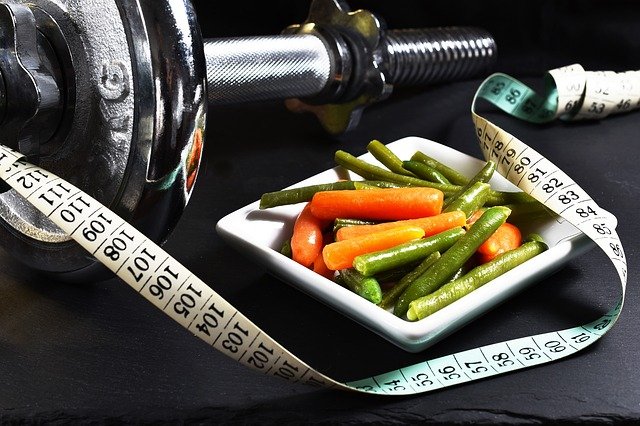
Not to focus on what the foods they are giving up, but rather on seeking out and choosing healthy foods that taste good and meet their taste preference.

The truth is, if you truly want to have a great looking body and

  • Keep your cholesterol, glucose and triglyceride levels in the ideal range,
  • Reduce your risk of cancer to a significant degree,
  • Reduce your Alzheimer’s disease as you age,
  • Prevent or better manage Diabetes,

…there are certain foods that you have to avoid or reduce your intake of to a substantial degree.

Your Wellness Feedback Report contains the details of the dietary changes that are personalized to your case but it’s not easy to say good-bye to fattening and disease-promoting foods you are accustomed to.

People who succeed simply do the following:

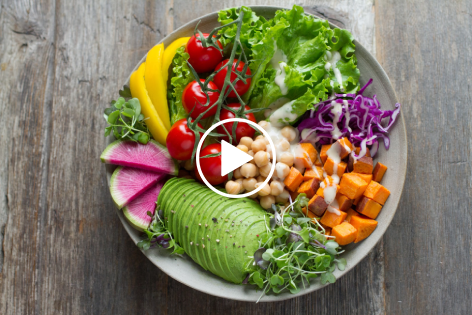
To a large degree “they decide in their mind that these bad foods no longer exist”, and rather than focusing on what they are missing, and feeling resentful and sad about it, they simply make a list of the healthier food choices they can use as a substitute.

They focus all their dietary mental energy on seeking out and choosing healthier food that satisfies their taste buds, exploring ways to make them taste as good as possible, and be enjoyable.

You’ll have much more success with your nutrition goals if you think only about the foods you can have, and not the ones you can’t. This means that your shopping list contains only the foods you approved for yourself – starting now. It means opening up a menu at a restaurant and looking specifically for the food choices you can have, and completely ignoring the ones that no longer make sense for you. It means not putting tempting foods in your home, or in your desk, so you won’t cave in during a moment of weakness.

Make any food temptations inconvenient to access – and out of sight – and out of stomach.

People who succeed long-term, simply set their mental radar to seek out and focus only on foods that are on their approved list, – and never – or rarely – considering to deviate from the plan. It’s really that simple, and, in my view, it’s really worth it if maintaining your health and appearance is a truly a priority for you.

Eat Smart, Live Well, Look Great.

Dr. James Meschino
DC,MS, ROHP
Dr. James Meschino

Dr. James Meschino

ABOUT THE AUTHOR

Dr. James Meschino, DC, MS, ROHP, is an educator, author, and researcher having lectured to thousands of healthcare professionals across North America. He holds a Master’s Degree in Science with specialties in human nutrition and biology and is recognized as an expert in the field of nutrition, anti-aging, fitness, and wellness as well as the author of numerous books.
Posted on

TWM 02 – Unclutter Your Environment

TWM-02

Unclutter Your Environment

Today's Will Power Moment - 02

with Dr. James Meschino

A key strategy to succeeding with your exercise goals and eating healthier is to unclutter your environment. In the beginning it takes extra energy to be consistent with exercise and dietary changes. As you know, most people have trouble sustaining these initiatives, and at the first sign of fatigue or feeling overwhelmed, revert back to skipping workouts and eating comfort food to ease the anxiety of the day and/or reward themselves for working so hard. This can lead to feelings of guilt and reinforces the belief that you are a person who is unable to succeed. This belief is wrong. It’s usually that you are not using the right strategy

The truth is that it’s usually not lack of physical energy that leads to fatigue, but rather mental fatigue. This is a state whereby your brain is tired and overwhelmed – and your brain convinces you that your body is too tired to exercise. But this is false evidence appearing real, as they say. In a state of mental fatigue (or “ego depletion”, as it’s called in the willpower world) it becomes very difficult to find the extra energy (mental energy) to make the positive, healthy choices you had originally intended to make. A key way to prevent mental fatigue from derailing you is to unclutter your environment, as I explain in the short video. Uncluttering your environment will remove much of the visual cues that lead to mental fatigue and will help you find the extra energy required to stay on track.  It will also give you the inspiring feeling of a fresh start and instill a sense of self-command that will propel you towards success with your wellness goals.

This is critically important in the early stages because that is when failure is most likely to occur. Over time, your exercise program and positive dietary changes will become an automatic extension of who you are. When that happens, they become a thing called habits. Habits are much easier to sustain because you no longer have to find the mental energy to defeat competing drives (lying on the couch, watching TV, vs going for a 30 minute power walk). Once you sew the habit it gets much easier.  But, in the beginning you need to guard against mental fatigue and muster the inspiring feeling of a fresh new start.  Uncluttering your environment is key way to help make this happen.

Good luck with your wellness goals.

Eat Smart, Live Well, Look Great.

Dr. James Meschino
DC,MS, ROHP

Dr. James Meschino

Dr. James Meschino

ABOUT THE AUTHOR

Dr. James Meschino, DC, MS, ROHP, is an educator, author, and researcher having lectured to thousands of healthcare professionals across North America. He holds a Master’s Degree in Science with specialties in human nutrition and biology and is recognized as an expert in the field of nutrition, anti-aging, fitness, and wellness as well as the author of numerous books.
Posted on

TWM 01 – Introduction to Today’s Willpower Moment

Introduction to Today's Willpower Moment

Introduction to Today's Willpower Moment

Today's Will Power Moment - 01

with Dr. James Meschino

For some people, once you explain to them the details of how specific dietary and exercise practices will improve certain aspects of their health and/or appearance, they follow through and make it look easy. But most people, as you would guess, really struggle to make changes to their dietary practices and following a regular exercise routine.  So, why do some people succeed while most people struggle to make it happen?  The answer is, simply, that people who succeed have a different internal conversation in their head than people who fail.  And when you teach people who are not succeeding how to shift their inner conversation to match those who are succeeding effortlessly, they start to get the same results as those who easily succeed.

In Today’s Will Power Moment Series I’m going to share with you the psychological strategies and innner conversations that will enable you to stick with your wellness intentions without feeling deprived, starving yourself to death, or thinking that you have to survive on bean sprouts and organic seaweed only, in order to succeed. Each week I’m going to share with you one more psychological strategy for success that wellness-oriented people use to keep themserlves on track with minimal mental effort. Some strategies you’ll really like, others not as much. But over time you will hit on enough simple strategies that will really resonate with you. And when this happens, I guarantee it will be “life changing” in regard to your ability to stick with your wellness plan and really enjoy the journey of pursuing optimal health – and transforming your body into the one that nature intended you to have.

I know you’ll find the Today’s Will Power Moment video series very eye-opening, inspiring, illuminating, and a key part of helping you stay track and motivated from week to week.  So, stay tuned and I’ll serve up the first key strategy next week.

Till then, eat smart, live well and I know you’re going to look and feel great.

Dr. James Meschino
DC,MS, ROHP

Dr. James Meschino

Dr. James Meschino

ABOUT THE AUTHOR

Dr. James Meschino, DC, MS, ROHP, is an educator, author, and researcher having lectured to thousands of healthcare professionals across North America. He holds a Master’s Degree in Science with specialties in human nutrition and biology and is recognized as an expert in the field of nutrition, anti-aging, fitness, and wellness as well as the author of numerous books.
Posted on

LMU 231 – Exploring the Potential of Vitamin D: A Game-Changer in Cancer Prevention

LMU-231

Exploring the Potential of Vitamin D: A Game-Changer in Cancer Prevention

Source: Medscape Expert Panel Interview (January 10, 2022)

Lifestyle Medicine Update (Feb 14, 2022)

Introduction:

In a pivotal panel discussion held on January 10, 2022, renowned experts in the field of vitamin D, including Dr. Michael Holick and Dr. JoAnn Manson, provided a comprehensive update on the role of vitamin D in safeguarding human health. The discussion, moderated by Dr. Pam R. Taub, a distinguished cardiologist and professor of medicine at the University of California, San Diego, delved into various aspects of vitamin D’s impact on our well-being.

Vitamin D’s Crucial Role in Cancer Prevention

Dr. Michael Holick is celebrated for identifying the major circulating form of vitamin D in human blood, 25-hydroxyvitamin D3. His pioneering research over the past four decades has shed light on the myriad benefits of vitamin D, significantly raising its profile in healthcare. During the panel discussion, he, along with Dr. JoAnn Manson, another esteemed vitamin D researcher and a professor of medicine at Harvard Medical School, addressed the vital connection between vitamin D and cancer risk.

Insights from the VITAL Study

A focal point of their discussion was the **Vitamin D and OmegA-3-Trial (VITAL study)**, a large-scale, nationwide trial involving over 25,000 participants in the United States. Dr. Holick and Dr. Manson highlighted a significant finding: when individuals took 2,000 IU of vitamin D daily for at least two years, they experienced a remarkable 25% reduction in cancer-related deaths compared to those in the placebo group. This discovery is particularly noteworthy because several prior randomized trials had hinted at vitamin D’s potential in reducing cancer mortality. For example, a meta-analysis of five large-scale trials revealed a 13% decrease in cancer deaths among those taking vitamin D supplements compared to those on a placebo.

The Right Way to Take Vitamin D

Dr. Holick emphasized a crucial aspect of vitamin D supplementation. Current evidence indicates that taking vitamin D in large, infrequent doses—such as once a week or once a month—does not confer protection against cancer. On the other hand, individuals taking smaller daily doses, like 2,000 IU per day, exhibited a substantial reduction in cancer risk. While some doctors may recommend weekly or monthly doses as high as 50,000 IU for severely deficient individuals, this approach does not appear to reduce cancer risk based on available studies.

The Optimal Blood Level for Cancer Prevention

Both Dr. Holick and Dr. Manson emphasized the importance of achieving a specific blood level of vitamin D for effective cancer prevention. While the medical community often considers a blood level of 50 nmol/L (20 ng/mL) as adequate for bone health, achieving a level above 75 nmol (30 ng/mL) is critical for significant cancer prevention. To maximize protection, it is advisable for most individuals to maintain a blood vitamin D level between 85 – 140 nmol/L (32-56 ng/mL) by supplementing with 1,000 – 2,000 IU of vitamin D daily. Periodic monitoring of your vitamin D levels can help ensure you stay within the ideal range, with exceptions being made for specific medical conditions or infections that may require higher levels.

Conclusion

In summary, the insights shared by these experts underscore the remarkable potential of vitamin D in cancer prevention. By understanding the optimal supplementation strategies and target blood levels, individuals can harness the benefits of vitamin D to reduce their risk of cancer and enjoy improved overall health.

Reference:

Excerpts from Medscape Interview Published January 31, 2022: *Beyond Bone Health: Does Vitamin D Have a Role in Cancer, CVD, and COVID?* [Read more](https://www.medscape.com/viewarticle/959893?uac=342474MN&faf=1&sso=true&impID=3926885&src=wnl_tp10n_220106_mscpedit#vp_1)


Eat Smart, Live Well, Look Great,

Dr. Meschino

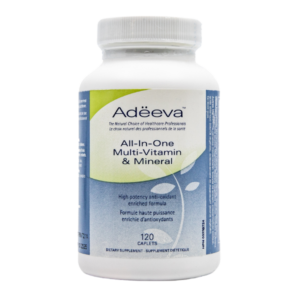
All-in-One Multi-Vitamin & Mineral

This supplement saves you having to buy 8 different vitamin and mineral supplement bottles. Read More…..

Dr. James Meschino

Dr. James Meschino

ABOUT THE AUTHOR

Dr. James Meschino, DC, MS, ROHP, is an educator, author, and researcher having lectured to thousands of healthcare professionals across North America. He holds a Master’s Degree in Science with specialties in human nutrition and biology and is recognized as an expert in the field of nutrition, anti-aging, fitness, and wellness as well as the author of numerous books.

Posted on

LMU 230 – The Prostate Predicament: Can Diet and Lifestyle Make a Difference?

LMU 30

LMU 230 - The Prostate Predicament: Can Diet and Lifestyle Make a Difference?

Source: Food Science Biotechnology Journal (2019)

Lifestyle Medicine Update (February 8, 2022)

Introduction:

Prostate issues are often perceived as an inevitable part of aging, but emerging research reveals dietary and natural approaches to protect and restore prostate health. Saw palmetto, with its DHT-blocking properties, stands out as a promising remedy. Learn how this natural ally, along with a holistic approach and other supplements, can help maintain prostate health.

The Secrets of Prostate Health

Prostate enlargement, a condition affecting nearly all men by the age of 80, is often perceived as an inevitable consequence of aging. However, emerging research suggests that the destiny of one’s prostate may not be entirely sealed by the passage of time. Dietary and lifestyle factors have taken center stage in the quest to fend off prostate enlargement, reverse its effects, and safeguard the prostate from undesirable outcomes.

Understanding the Prostate Enlargement Puzzle

As men age, a pivotal transformation unfolds within their prostate glands. Prostate cells undergo an alteration in which testosterone is converted into dihydrotestosterone (DHT), a hormone responsible for accelerating the division of prostate cells. This increased cell proliferation leads to prostate enlargement, clinically known as Benign Prostatic Hyperplasia (BPH). Unfortunately, an enlarged prostate places pressure on the urethra, causing symptoms such as a weakened urine stream, difficulty initiating urination, and incomplete bladder emptying, often resulting in more frequent trips to the bathroom.

Saw Palmetto: A Natural Guardian

In the realm of natural remedies, Saw palmetto has emerged as a promising ally in the battle against mild to moderate prostate enlargement. In several European countries, Saw palmetto is a common medical treatment for this condition. A 2019 review shed light on three crucial mechanisms through which Saw palmetto demonstrates its ability to prevent and treat BPH:

  1. Blocking DHT Production: Saw palmetto contains fatty acids and sterols that inhibit the enzyme 5-alpha-reductase responsible for the conversion of testosterone into DHT. By impeding DHT accumulation, Saw palmetto helps restrain the rapid division of prostate cells, offering relief to those with mild to moderate BPH.
  2. Inducing Cell Death: Experimental evidence suggests that certain constituents in Saw palmetto can trigger apoptosis, or programmed cell death, in human prostate cancer cells. This finding hints at Saw palmetto’s potential role in preventing the development of prostate cancer.
  3. Anti-Inflammatory Properties: Saw palmetto exhibits anti-inflammatory effects within the prostate gland, adding another layer of defence against prostate enlargement.

A Holistic Approach to Prostate Health

Soy foods, enriched with isoflavones, offer another natural avenue to counteract the conversion of testosterone into DHT in prostate cells. However, taking a supplement that combines standardized Saw palmetto extract with complementary natural agents supporting prostate health proves to be a proactive strategy. This approach combines the prowess of Saw palmetto with nutrients like beta-sitosterol, Pygeum africanum, soy extract, and stinging nettle, creating a formidable arsenal against prostate woes.

A Prescription for Prostate Health

For men aged 40 and above, proactively managing DHT concentrations in the prostate is advisable. Regular consumption of soy foods and a supplement featuring the Saw palmetto combination is a prudent choice. This preventive measure gains added significance as some of these natural agents exhibit promising anti-cancer effects in prostate research studies.

In the interest of prostate health, it’s essential for men to prioritize prevention, especially those over 40. The promising research surrounding these natural allies underscores the importance of staying informed and proactive.

Reference:

Kwon Y. Use of saw palmetto (Serena repens) extract for benign prostatic hyperplasia. Food Sci Biotechnol. 2019; 28(6): 1599-1606 [Link](https://www.ncbi.nlm.nih.gov/pmc/articles/PMC6859144/)


Eat Smart, Live Well, Look Great,

Dr. Meschino

Introduction:

Prostate issues are often perceived as an inevitable part of aging, but emerging research reveals dietary and natural approaches to protect and restore prostate health. Saw palmetto, with its DHT-blocking properties, stands out as a promising remedy. Learn how this natural ally, along with a holistic approach and other supplements, can help maintain prostate health.


The Secrets of Prostate Health

Prostate enlargement, a condition affecting nearly all men by the age of 80, is often perceived as an inevitable consequence of aging. However, emerging research suggests that the destiny of one’s prostate may not be entirely sealed by the passage of time. Dietary and lifestyle factors have taken center stage in the quest to fend off prostate enlargement, reverse its effects, and safeguard the prostate from undesirable outcomes.

Understanding the Prostate Enlargement Puzzle

As men age, a pivotal transformation unfolds within their prostate glands. Prostate cells undergo an alteration in which testosterone is converted into dihydrotestosterone (DHT), a hormone responsible for accelerating the division of prostate cells. This increased cell proliferation leads to prostate enlargement, clinically known as Benign Prostatic Hyperplasia (BPH). Unfortunately, an enlarged prostate places pressure on the urethra, causing symptoms such as a weakened urine stream, difficulty initiating urination, and incomplete bladder emptying, often resulting in more frequent trips to the bathroom.

Saw Palmetto: A Natural Guardian

In the realm of natural remedies, Saw palmetto has emerged as a promising ally in the battle against mild to moderate prostate enlargement. In several European countries, Saw palmetto is a common medical treatment for this condition. A 2019 review shed light on three crucial mechanisms through which Saw palmetto demonstrates its ability to prevent and treat BPH:

  1. Blocking DHT Production: Saw palmetto contains fatty acids and sterols that inhibit the enzyme 5-alpha-reductase responsible for the conversion of testosterone into DHT. By impeding DHT accumulation, Saw palmetto helps restrain the rapid division of prostate cells, offering relief to those with mild to moderate BPH.
  2. Inducing Cell Death: Experimental evidence suggests that certain constituents in Saw palmetto can trigger apoptosis, or programmed cell death, in human prostate cancer cells. This finding hints at Saw palmetto’s potential role in preventing the development of prostate cancer.
  3. Anti-Inflammatory Properties: Saw palmetto exhibits anti-inflammatory effects within the prostate gland, adding another layer of defence against prostate enlargement.

A Holistic Approach to Prostate Health

Soy foods, enriched with isoflavones, offer another natural avenue to counteract the conversion of testosterone into DHT in prostate cells. However, taking a supplement that combines standardized Saw palmetto extract with complementary natural agents supporting prostate health proves to be a proactive strategy. This approach combines the prowess of Saw palmetto with nutrients like beta-sitosterol, Pygeum africanum, soy extract, and stinging nettle, creating a formidable arsenal against prostate woes.

A Prescription for Prostate Health

For men aged 40 and above, proactively managing DHT concentrations in the prostate is advisable. Regular consumption of soy foods and a supplement featuring the Saw palmetto combination is a prudent choice. This preventive measure gains added significance as some of these natural agents exhibit promising anti-cancer effects in prostate research studies.

In the interest of prostate health, it’s essential for men to prioritize prevention, especially those over 40. The promising research surrounding these natural allies underscores the importance of staying informed and proactive.

Reference:

Kwon Y. Use of saw palmetto (*Serena repens*) extract for benign prostatic hyperplasia. *Food Sci Biotechnol*. 2019; 28(6): 1599-1606 [Link](https://www.ncbi.nlm.nih.gov/pmc/articles/PMC6859144/)


Eat Smart, Live Well, Look Great,

Dr. Meschino

Prostate 40 Plus

Scientific evidence suggests that men need targeted nutrient support to preserve optimal prostate health after age 40. Read More…..

Dr. James Meschino

Dr. James Meschino

ABOUT THE AUTHOR

Dr. James Meschino, DC, MS, ROHP, is an educator, author, and researcher having lectured to thousands of healthcare professionals across North America. He holds a Master’s Degree in Science with specialties in human nutrition and biology and is recognized as an expert in the field of nutrition, anti-aging, fitness, and wellness as well as the author of numerous books.
Posted on

LMU 229 – The Sunshine Vitamin’s Role in Battling COVID-19: Insights from the Experts

LMU 229

LMU 229 - The Sunshine Vitamin's Role in Battling COVID-19: Insights from the Experts

Source: Medscape Expert Panel Interview (January 10, 2022)

Lifestyle Medicine Update (February 1, 2022)

Introduction:

In an illuminating panel discussion that took place on January 10, 2022, three distinguished vitamin D experts gathered to provide insights into the profound impact of vitamin D on human health, particularly in the context of COVID-19. Dr. Pam R. Taub, a renowned cardiologist and professor of medicine at the University of California, San Diego, skilfully moderated the discussion. Dr. Michael Holick, a pioneer in vitamin D research and a professor of medicine at Boston University, and Dr. JoAnn Manson, another luminary in the field and a professor of medicine at Harvard Medical School, contributed their expertise to this enlightening conversation.

The Protective Power of Vitamin D

Dr. Taub initiated the discussion with a pressing question: “There’s a large amount of data that shows low vitamin D levels are associated with patients who have more complications from COVID-19 and are in the ICU. What are your thoughts on supplementation with vitamin D for everyone?”

Dr. Holick responded with compelling insights based on extensive research. He stated, “We initiated studies almost immediately after the pandemic began. We worked with Quest Diagnostics and looked at more than 191,000 COVID-positive patients throughout all 50 states, all ages, ethnicities, and latitudes, and showed that if you have a blood level of 25-hydroxyvitamin D of 20 ng/mL (50 nmol/L) compared with 34 ng/mL (85 nmol/L), you had a 54% higher risk of acquiring the infection.”

Dr. Holick further explained that vitamin D plays a crucial role in immunomodulation, which is pivotal in mitigating the cytokine storm associated with COVID-19. The active form of vitamin D helps to regulate cytokines, thus reducing the harmful ones and enhancing those with protective properties. In clinical studies, patients with sufficient vitamin D levels upon admission to the hospital exhibited a significant reduction in morbidity and mortality, particularly among those over the age of 40.

Dr. Manson echoed these sentiments, emphasizing that vitamin D’s potential benefits during a pandemic make it a safe and logical choice for supplementation. She cited the VITAL study, which demonstrated that daily doses of 2000 IUs of vitamin D were virtually free of adverse events over 5.3 years. Dr. Manson advocated for outdoor sun exposure, physical activity, and a daily vitamin D supplement of 1000 or 2000 IUs during the pandemic.

A Ray of Hope in Ongoing Research

Dr. Manson also shared exciting news about ongoing research. The Vitamin D for COVID-19 trial (VIVID) aims to evaluate the impact of high-dose vitamin D supplementation (10,000 IUs for two days followed by 3200 IUs daily for four weeks) on the severity of COVID-19 symptoms, hospitalization rates, and healthcare visits. The results of this trial are anticipated at the end of the year or early 2022.

Tailored Vitamin D Recommendations

Dr. Holick emphasized that following the Endocrine Society practice guidelines is a reasonable approach. For adults, a daily intake of 1500-2000 units is recommended, with consideration for higher doses in obese individuals. Dr. Manson suggested that during a pandemic, recommendations should lean towards more vitamin D intake, especially in a population-wide context, recommending 1000-2000 IUs daily.

Optimal Vitamin D Levels: A Balancing Act

Both experts acknowledged that maintaining optimal vitamin D levels is paramount in reducing the risk and severity of COVID-19. A target blood vitamin D level between 85-140 nmol/L (30-52 ng/mL) is generally recommended, often achieved through daily supplementation of 1000-2000 IUs of vitamin D. However, individual needs may vary, emphasizing the importance of consulting with healthcare professionals to determine the ideal vitamin D regimen.

In conclusion, the consensus among vitamin D experts points to the potential benefits of vitamin D in preventing COVID-19 infection and reducing its severity. While further research is underway, individuals are encouraged to maintain adequate vitamin D levels, especially during a pandemic, to bolster their immune system and safeguard their health.

Reference:

Excerpts from Medscape Interview Published January 31, 2022: Beyond Bone Health: Does Vitamin D Have a Role in Cancer, CVD, and COVID? [Link](https://www.medscape.com/viewarticle/959893?uac=342474MN&faf=1&sso=true&impID=3926885&src=wnl_tp10n_220106_mscpedit#vp_1)


Eat Smart, Live Well, Look Great,

Dr. Meschino

All-in-One Multi-Vitamin & Mineral

This supplement saves you having to buy 8 different vitamin and mineral supplement bottles.Read More…..

Dr. James Meschino

Dr. James Meschino

ABOUT THE AUTHOR

Dr. James Meschino, DC, MS, ROHP, is an educator, author, and researcher having lectured to thousands of healthcare professionals across North America. He holds a Master’s Degree in Science with specialties in human nutrition and biology and is recognized as an expert in the field of nutrition, anti-aging, fitness, and wellness as well as the author of numerous books.
Posted on

LMU 228 – Elevating HDL Cholesterol: The Art of Heart Health

LMU 228

LMU - 228 Elevating HDL Cholesterol: The Art of Heart Health

Source: International Journal of Food Sciences and Nutrition (2012)

Lifestyle Medicine Update (January 26, 2022)

Introduction:

Maintaining heart health involves a delicate balance between reducing LDL-cholesterol (the “bad” cholesterol) and raising HDL-cholesterol (the “good” cholesterol). In our recent Lifestyle Medicine Updates, we explored natural ways to boost HDL levels, recognizing that strategies for lowering LDL may not always coincide with HDL elevation. Many individuals grapple with low HDL levels, which independently heightens the risk of heart disease. The goal is to keep LDL-cholesterol low while having a high HDL-cholesterol.

Managing Cholesterol Naturally

Reducing LDL-cholesterol can often be achieved through dietary and lifestyle changes. Lowering saturated fats, trans-fats, cholesterol-rich foods, and embracing cholesterol-lowering soluble fiber sources like beans, peas, oats, and specific fruits and vegetables can be effective. Additionally, incorporating ground flaxseeds or psyllium husk fiber can aid in this endeavor. Endurance exercise and weight loss can further contribute to lowering LDL-cholesterol.

However, the journey to heart health isn’t solely about reducing LDL; it’s also about raising HDL. Achieving this can be accomplished through aerobic exercise, weight loss targeting abdominal fat, smoking cessation, increased consumption of cashews, avocados, and extra virgin olive oil. Furthermore, taking a supplement combining Gum Guggul and Artichoke Leaf Extract has demonstrated the capacity to both lower LDL and elevate HDL levels.

Unveiling the Potential of Artichoke Leaf Extract

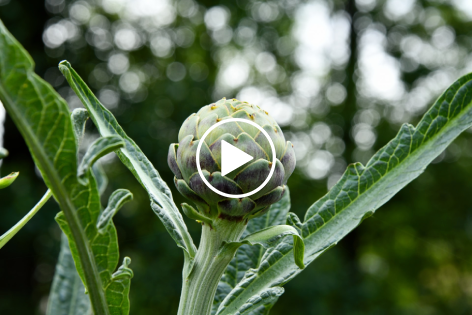
While our previous update explored the research on Gum Guggul, today, we delve into the remarkable effects of Artichoke Leaf Extract. Numerous studies, encompassing both human and animal trials, have highlighted its ability to lower LDL and raise HDL. A notable 2012 study observed ninety-two overweight participants with high LDL and low HDL. Those who consumed Artichoke Leaf Extract daily for eight weeks experienced a noteworthy increase in HDL levels, alongside a substantial reduction in LDL-cholesterol. The science suggests that components within Artichoke Leaf Extract activate a liver gene called PON1, which prompts the production of HDL-cholesterol by liver cells. HDL subsequently acts as a “cholesterol vacuum,” extracting cholesterol from artery walls and returning it to the liver, where it’s eliminated as bile. This mechanism effectively aids in reversing artery narrowing, a key factor in preventing heart disease and strokes.

A Synergistic Approach

For individuals with high LDL and/or low HDL, daily supplementation combining Gum Guggul and Artichoke Leaf Extract is a viable strategy. Each caplet typically contains:

  • Gum Guggul: 500 mg (standardized to 2.5% guggulsterone)
  • Artichoke Leaf Extract: 200 mg (standardized to 13-18% caffeoylquinic acids)

The recommended dosage is three caplets, taken twice daily with meals. This supplement can also be used in conjunction with statin drugs like Crestor or Lipitor, allowing for potential dosage reduction while further lowering LDL and increasing HDL. While including artichokes in your diet is beneficial, a supplement with concentrated medicinal ingredients offers a more potent approach to managing cholesterol effectively.

Prioritize Your Heart Health

Ultimately, maintaining low LDL and high HDL levels is a key strategy for enhancing life expectancy. It’s crucial to monitor your cholesterol levels and take necessary steps to bring them within the ideal range. By embracing natural solutions like Artichoke Leaf Extract and Gum Guggul, you can play an active role in promoting your cardiovascular health.

References:

  1. Rondanelli M et al. Beneficial effects of artichoke leaf extract supplementation on increasing HDL-cholesterol in subjects with primary mild hypercholesterolemia: A double-blind, randomized, placebo-controlled trial. International Journal of Food Sciences and Nutrition. 2012; Pages 1-15 [Link](https://www.tandfonline.com/doi/abs/10.3109/09637486.2012.700920?journalCode=iijf20)
  2. Magied M et al. Artichoke (Cynara scolymus L.) Leaves and Heads Extracts as Hypoglycemic and Hypocholesterolemic in Rats. Journal of Food and Nutrition Research. Vol. 4, No. 1, 2016, pp 60-68. [Link](http://pubs.sciepub.com/jfnr/4/1/10/index.html)
  3. Rizzi F et al. Interaction between polyphenols intake and PON1 gene variants on markers of cardiovascular disease: A nutrigenetic observational study. Journal of Translational Medicine. 2016.                                                                                                                                                   [Link](https://translational medicine.biomedcentral.com/articles/10.1186/s12967-016-0941-6#:~:text=PON1%20is%20a%20member%20of,with%20HDL%20in%20the%20circulation)
 
Eat Smart, Live Well, Look Great,
 

Dr. Meschino

Recommended Supplements

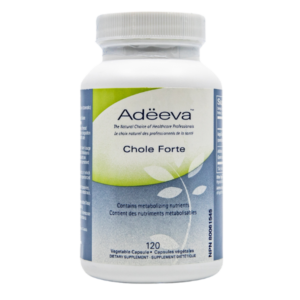
Chole-Forte

Chole Forte
 
Dr. James Meschino

Dr. James Meschino

ABOUT THE AUTHOR

Dr. James Meschino, DC, MS, ROHP, is an educator, author, and researcher having lectured to thousands of healthcare professionals across North America. He holds a Master’s Degree in Science with specialties in human nutrition and biology and is recognized as an expert in the field of nutrition, anti-aging, fitness, and wellness as well as the author of numerous books.
Posted on

LMU 227 – Optimizing Cholesterol Levels Naturally: The Role of Gum Guggul

gumguggul

LMU-227 Optimizing Cholesterol Levels Naturally: The Role of Gum Guggul

Source: Cardiovascular Drug Reviews (2007)

Lifestyle Medicine Update (January 19, 2022)

Introduction:

Cholesterol management is a pivotal aspect of maintaining cardiovascular health. While reducing LDL-cholesterol (the “bad” cholesterol) is a common focus, raising HDL-cholesterol (the “good” cholesterol) is equally important. In a previous Lifestyle Medicine Update, we explored various dietary and lifestyle changes that can help lower LDL-cholesterol. However, strategies that lower LDL don’t always have the same effect on raising HDL. This article delves into the remarkable potential of Gum Guggul, a natural supplement, to elevate HDL levels effectively.

Balancing Cholesterol: More Than Just Lowering LDL

The importance of cholesterol management cannot be overstated. High LDL-cholesterol levels contribute to the accumulation of plaque in artery walls, increasing the risk of cardiovascular disease, heart attacks, and strokes. Reducing LDL-cholesterol through dietary and lifestyle changes is essential. Still, it’s equally crucial to focus on raising HDL-cholesterol, as HDL serves as a “clean-up crew” that helps remove cholesterol from artery walls, supporting overall heart health.

While some lifestyle modifications can moderately increase HDL, individual responses vary, often due to genetic factors. However, there are promising supplements that have shown the ability to raise HDL levels in clinical trials. In this article, we’ll explore Gum Guggul, a natural agent with a remarkable track record in HDL elevation.

The Power of Gum Guggul

Studies conducted in Asia and India have revealed that Gum Guggul supplementation can lower LDL-cholesterol in 70-80% of individuals with high total cholesterol and LDL levels. On average, it reduces LDL-cholesterol by approximately 30%, a significant improvement. While roughly 20-30% of individuals may not respond to Gum Guggul due to strong genetic factors, those who do experience a welcome bonus: an average increase in HDL of 4%. This means that for many individuals, Gum Guggul not only lowers LDL-cholesterol but also raises HDL-cholesterol, a crucial dual benefit.

How Gum Guggul Works

The active ingredient in Gum Guggul, known as Guggulsterone, plays a pivotal role in cholesterol management. Guggulsterone prompts the liver to clear more LDL-cholesterol from the bloodstream. Once inside liver cells, it stimulates the conversion of LDL-cholesterol into bile acids, which are subsequently excreted through the bile duct into the intestine. From there, the body eliminates it with each bowel movement. This process effectively reduces circulating LDL-cholesterol levels.

Additionally, Gum Guggul encourages liver cells to synthesize more HDL-cholesterol, releasing it into the bloodstream. HDL then removes cholesterol from artery walls, returning it to the liver, where it can also be converted into bile acids and excreted from the body. This dual action makes Gum Guggul a potent addition to any cholesterol management strategy.

Other Benefits of Gum Guggul

Beyond its cholesterol-modifying effects, Gum Guggul offers additional health benefits. It provides anti-inflammatory effects, which can be advantageous for cardiovascular and joint health. This resin, derived from the Mukul myrrh tree in India, has demonstrated its potential to enhance overall well-being.

Side Effects and Considerations

One notable side effect of Gum Guggul is a skin rash, affecting approximately 9% of users, typically occurring within the first week to 10 days of use. Unfortunately, there is no reliable way to predict who might experience this side effect. However, discontinuing Gum Guggul resolves the rash promptly.

Comprehensive Cholesterol Management: Gum Guggul and Artichoke Leaf Extract

For a synergistic approach to improving cholesterol levels, combining Gum Guggul with Artichoke Leaf Extract can be highly effective. In the next Lifestyle Medicine Update, we will explore the benefits of Artichoke Leaf Extract in detail.

Optimal Dosage and Conclusion

To harness the cholesterol-modifying power of Gum Guggul, an effective therapeutic dosage is 3 grams per day, typically in a supplement standardized to 2.5% guggulsterone content. Incorporating Gum Guggul into your cholesterol management routine can provide a natural and effective way to lower LDL and raise HDL for many individuals.

In conclusion, Gum Guggul has emerged as a valuable tool for optimizing cholesterol levels. While lowering LDL-cholesterol is essential, raising HDL-cholesterol plays a crucial role in overall cardiovascular health. With its dual action and additional benefits, Gum Guggul is a natural choice for those seeking comprehensive cholesterol management.

Reference:

Deng R. Therapeutic effects of gum guggul and its constituent guggulsterone: cardiovascular benefits. Cardiovascular Drug Reviews. 2007;25(4):375-390. [Link](https://onlinelibrary.wiley.com/doi/pdf/10.1111/j.1527-3466.2007.00023.x)


Eat Smart, Live Well, Look Great,

Dr. Meschino

Recommended Supplements

Chole-Forte Chole Forte

 
Dr. James Meschino

Dr. James Meschino

ABOUT THE AUTHOR

Dr. James Meschino, DC, MS, ROHP, is an educator, author, and researcher having lectured to thousands of healthcare professionals across North America. He holds a Master’s Degree in Science with specialties in human nutrition and biology and is recognized as an expert in the field of nutrition, anti-aging, fitness, and wellness as well as the author of numerous books.
Posted on

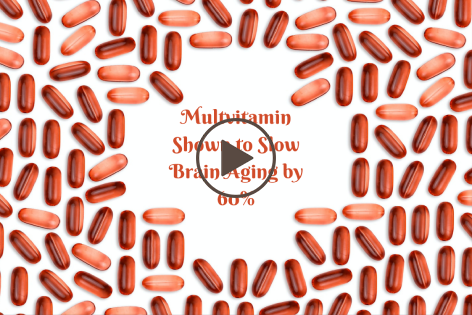
LMU 226 – Empowering Cognitive Health: Slowing Aging by 60% with Multivitamins

LMU 226 - Empowering Cognitive Health: Slowing Aging by 60% with Multivitamins

Source: COSMOS-Mind Study (Medscape January 2022)

Lifestyle Medicine Update (January 12, 2022)

Introduction:

Over the years, I have watched the media report the findings of studies suggesting that taking vitamin and mineral supplements has no positive effects on health or the prevention and management of various health conditions. These reports tend to overlook the numerous highly impressive studies that demonstrate the opposite, leaving some with the impression that the supplement industry is a giant scam. However, this is far from the truth. When you examine vitamin and mineral intake levels across the population, it becomes evident that the use of a daily multivitamin and mineral supplement can be highly beneficial for most people.

The Vitamin and Mineral Gap

To appreciate the significance of multivitamin supplements, it’s crucial to understand the widespread deficiencies that exist in our diets. According to the National Health and Examination Survey, a significant portion of the U.S. population fails to meet the recommended daily intake for several vital vitamins and minerals through dietary sources alone. The statistics are staggering: 94.3% of adults don’t consume enough vitamin D, 88.5% fall short on vitamin E, and 52.2% lack adequate magnesium. The deficiencies extend to calcium (44.1%), vitamin A (43.0%), and vitamin C (38.9%). Additionally, for nutrients without firmly established requirements, 100% of the population consumes less than the Adequate Intake level for potassium, 91.7% for choline, and 66.9% for vitamin K. These nutrients play pivotal roles in various bodily functions, including brain health.

Given these statistics, it should come as no surprise that the findings from the COSMOS-Mind Study, published on Medscape in January 2022, reinforce the importance of multivitamin supplements in our lives.

COSMOS-Mind Study: Empowering Cognitive Health

The COSMOS-Mind Study unveiled an astonishing revelation: taking a daily multivitamin for three years is associated with a remarkable 60% deceleration in cognitive aging. This effect is particularly pronounced in individuals with cardiovascular disease (CVD). The study involved 2,262 adults aged 65 and older, all of whom were dementia-free at the study’s outset. Participants underwent cognitive assessments both at the beginning of the study and annually over the subsequent three years. With an average starting age of 73, the group consisted of roughly 40% men and 60% women.

The outcomes were nothing short of astonishing. The group receiving the multivitamin and mineral supplement outperformed the placebo group or the group receiving 500 mg of cocoa flavonoids. They displayed improved global cognitive function, executive function, and memory over the three-year period, even among those with a history of cardiovascular disease. Dr. Laura Baker, a lead researcher in the study, commented, “We see a positive effect of multivitamins for the active (vitamin and mineral supplement) group relative to placebo, peaking at 2 years and then remaining stable over time.” She added, “Daily multivitamin-mineral supplementation appears to slow cognitive aging by 60% or by 1.8 years.” Her conclusion was clear: “Our study provides new evidence that daily multivitamin supplementation may benefit cognitive function in older women and men, and the multivitamin effects may be more pronounced in participants with cardiovascular disease.”

In light of these findings, it’s evident that the use of a full-spectrum multiple vitamin and mineral supplement holds considerable promise for most adults. Slowing brain aging by 60% is a remarkable outcome that deserves our earnest attention.

Conclusion: A Path to Enhanced Cognitive Health

While debates about the efficacy of supplements may persist, the evidence supporting the role of multivitamins in promoting brain health is compelling. The COSMOS-Mind Study, along with the widespread deficiencies in crucial nutrients, underscores the importance of considering a daily multivitamin and mineral supplement as a valuable addition to your wellness regimen.

As we age, our bodies require additional support to maintain cognitive function and overall health. By ensuring that we meet our nutritional needs through supplementation, we can embark on a path towards enhanced cognitive health and a brighter future.

References:

  1. Multivitamins, but not cocoa, tied to slowed brain aging. Medscape. January 10, 2022. [Link](https://www.medscape.com/viewarticle/962772uac=342474MN&faf=1&sso=true&impID=3926885&src=wnl_tp10n_220106_mscpedit#vp_1)
  2. COSMOS-Mind Study Design: [Link](https://clinicaltrials.gov/ct2/show/NCT03035201)
  3. Micronutrient inadequacies in the US population: an overview. Oregon State University. [Link](https://lpi.oregonstate.edu/mic/micronutrient-inadequacies/overview)
 
Eat Smart, Live Well, Look Great,
 

Dr. Meschino

Recommended Supplements

All-in-One-Multi-Vitamin-Mineral-1 All-in-One Multi-Vitamin & Mineral

 
  • This supplement saves you having to buy 8 different vitamin and mineral supplement bottles. Read More…..
Dr. James Meschino

Dr. James Meschino

ABOUT THE AUTHOR

Dr. James Meschino, DC, MS, ROHP, is an educator, author, and researcher having lectured to thousands of healthcare professionals across North America. He holds a Master’s Degree in Science with specialties in human nutrition and biology and is recognized as an expert in the field of nutrition, anti-aging, fitness, and wellness as well as the author of numerous books.
Posted on

LMU 225 – Boosting HDL Cholesterol: The Avocado Advantage and More

LMU 225

Boosting HDL Cholesterol: The Avocado Advantage and More

Source: American Journal of Clinical Nutrition (2018)

Lifestyle Medicine Update (January 5, 2022)

Introduction:

In the quest for heart health, we often hear about the importance of reducing LDL cholesterol—the notorious “bad cholesterol” that can clog arteries. Lowering LDL is undoubtedly crucial, but equally vital is increasing HDL cholesterol, the “good cholesterol” that acts as a cleanup crew for artery walls. In this article, we will explore how dietary and lifestyle changes can help raise HDL levels, with a special focus on the remarkable avocado.

The LDL Conundrum: A Common Concern

Over the years, many individuals have successfully improved their overall cholesterol profiles by adopting healthier dietary and lifestyle habits. These changes typically involve reducing the intake of saturated fats, trans-fats, deep-fried and pan-fried foods, as well as foods high in cholesterol. Lowering fasting blood sugar levels also plays a role in enhancing heart health. Engaging in endurance exercise and shedding excess body fat can further contribute to these improvements. In certain cases, medication may be necessary to bring LDL cholesterol into a safe range, ideally below 1.5 mmol/L (58 mg/dL).

HDL: The Unsung Hero

While much attention is given to lowering LDL, maintaining a high HDL cholesterol level is equally critical. HDL acts as a “vacuum cleaner” for cholesterol that has already nestled in artery walls. It helps reverse arterial blockages to some extent. The ideal target for HDL levels is at or above 1.6 mmol/L (60 mg/dL). However, here is the catch: the strategies that effectively lower LDL don’t always raise HDL, leaving some individuals with persistently low levels of this crucial cholesterol.

The Avocado Revelation

In 2018, the American Journal of Clinical Nutrition unveiled a promising revelation—a review of studies investigating the role of avocados in raising HDL cholesterol. The findings offered a glimmer of hope for those aiming to bolster their HDL levels. Out of the seven relevant studies conducted to date, avocado consumption was associated with a significant increase in HDL cholesterol—by 0.07 mmol/L (or 2.84 mg/dL). While this may not be a dramatic elevation, every bit counts. Notably, avocado consumption did not lower total cholesterol, LDL cholesterol, or blood sugar levels. Yet, the singular focus on raising HDL was an impressive feat.

Alternative Avenues to Boost HDL

While avocados have emerged as a heart-healthy option for raising HDL cholesterol, there are other well-established methods:

  1. Regular Endurance Exercise: Incorporating regular aerobic exercise into your routine can significantly boost HDL levels.
  2. Weight Management: Shedding excess weight, particularly around the waistline, is another effective strategy.
  3. Quitting Smoking: If you smoke, quitting can lead to an increase in HDL cholesterol, among numerous other health benefits.
  4. Extra Virgin Olive Oil: This heart-healthy oil enhances HDL’s efficiency in removing cholesterol from artery walls, although it may not directly raise HDL levels.
  5. Cashews: Consuming 30 grams (less than a ¼ cup) of cashews daily has been shown to slightly increase HDL levels and lower systolic blood pressure in individuals with type 2 diabetes.

Proceed with Caution

While some sources claim that fatty fish and omega-3 fats can elevate HDL levels, the evidence is mixed. If they do have an impact, it tends to be minimal. However, their other cardiovascular benefits make them valuable additions to a heart-healthy regimen in most cases.

The Challenge of Raising HDL

For some individuals, raising HDL cholesterol can be a challenging endeavor, possibly due to genetic factors. Nevertheless, making lifestyle changes such as reducing waist circumference, engaging in regular endurance exercise, quitting smoking, and incorporating avocado, cashews, and extra virgin olive oil into your diet can contribute to increased HDL levels.

In Conclusion: Prioritize Your Heart Health

As we conclude our exploration of HDL cholesterol and its significance, it is important to remember that heart health is a journey. Striking a balance between lowering LDL cholesterol and raising HDL cholesterol is key to achieving optimal cardiovascular health. The journey may involve making dietary choices that include avocadoes and other heart-healthy foods, along with adopting a physically active and smoke-free lifestyle. Ultimately, it is a path to a healthier heart and a longer, more vibrant life.

References

  1. Mahmassani HA et al. “Avocado consumption and risk factors for heart disease: a systematic review and meta-analysis.” Am J Clin Nutr, 2018; 107(4): 523-536 [Link](https://pubmed.ncbi.nlm.nih.gov/29635493/).
  2. WebMD: “HDL Cholesterol: the Good Cholesterol” (July 2020) [Link](https://www.webmd.com/cholesterol-management/guide/hdl-cholesterol-the-good-cholesterol).
  3. Helal O et al. “Extra-virgin olive oil consumption improves the capacity for HDL to mediate cholesterol efflux and increase ABCA1 and ABCG1 expression in human macrophages.” Br J Nutr, 2013; 109(10): 1844-1855 [Link](https://pubmed.ncbi.nlm.nih.gov/23051557/).
  4. Mohan V et al. “Cashew nut consumption increases HDL cholesterol and reduces systolic blood pressure in Asian Indians with type 2 diabetes: A 12-week randomized controlled trial.” 2018; 148(1): 63-69 [Link](https://pubmed.ncbi.nlm.nih.gov/29378038/).
  5. Neelakantan N et al. “The effect of coconut oil consumption on cardiovascular risk factors: A systematic review and meta-analysis of clinical trials.” J Circulation, 2020; 141: 803-814 [Link](https://www.ahajournals.org/doi/10.1161/CIRCULATIONAHA.119.043052).
  6. Abdelhamid AS et al. “Omega-3 fatty acids for the primary and secondary prevention of cardiovascular disease.” Cochrane Library, 2020 [Link](https://www.cochranelibrary.com/cdsr/doi/10.1002/14651858.CD003177.pub5/full).
 
Eat Smart, Live Well, Look Great,
 

Dr. Meschino

Dr. James Meschino

Dr. James Meschino

ABOUT THE AUTHOR

Dr. James Meschino, DC, MS, ROHP, is an educator, author, and researcher having lectured to thousands of healthcare professionals across North America. He holds a Master’s Degree in Science with specialties in human nutrition and biology and is recognized as an expert in the field of nutrition, anti-aging, fitness, and wellness as well as the author of numerous books.