
Posted on

LMU 144 – Navigating the Meat Dilemma: Beef Patty vs. Planet-Friendly Alternatives

LMU-144

LMU 144 – Navigating the Meat Dilemma: Beef Patty vs. Planet-Friendly Alternatives

Source: Medium: Fueled by Science

Lifestyle Medicine Update (September 20, 2019)

Introduction:

In the realm of culinary choices, the debate between traditional beef patties and plant-based alternatives like the Beyond Meat patties has sparked a revolution. This discussion extends beyond nutritional values; it encapsulates the broader impacts on the environment, greenhouse gas emissions, resource consumption, and animal welfare. Today, we delve into the comparative facts that unfold this intriguing narrative, shedding light on a spectrum of perspectives that guide our dietary decisions.

Unveiling the Environmental Conundrum

To set the stage, consider the staggering fact that our planet hosts a staggering 1.5 billion cows. Among the many ecological consequences, methane emissions from cows contribute to a colossal 7 gigatons of greenhouse gases each year. This astonishing number surpasses the greenhouse emissions generated by all global transportation systems combined, including road, air, rail, and maritime vehicles. Surprisingly, livestock, particularly cows, account for as much or even more greenhouse gas emissions than all the world’s cars, planes, trains, and ships combined—a revelation that underscores the ecological toll of conventional meat consumption.

Resource Efficiency: Beyond Meat Takes the Lead

Delving into resource consumption, a stark comparison emerges between the production of a quarter-pound beef patty and the creation of a Beyond Meat burger. Crafting the Beyond Meat patty requires a mere 1% of the water, 7% of the land, and generates 10% of the greenhouse gases that are needed for a traditional red meat patty. This efficient utilization of resources exemplifies the potential of plant-based alternatives to mitigate environmental strains.

Nutritional Perspectives: Beyond Meat Unveiled

Shifting the focus to nutritional values, a Beyond Meat Burger offers a composition distinct from traditional beef patties. The Beyond Meat patty, gluten-free and GMO-free, is primarily crafted from water, pea protein—a notable protein source—canola oil—rich in monounsaturated fat—and coconut oil. While the Beyond Meat patty matches the beef patty in terms of total protein content—20 grams—it significantly outperforms beef in fiber content. While beef patties lack fiber entirely, the Beyond Meat alternative provides 3 grams of fiber. Additionally, while the Beyond Meat burger contains 300 mg more sodium than its beef counterpart, this increment is well within safe daily sodium consumption limits. Most individuals can comfortably consume between 2,000 to 3,000 mg of sodium per day, and a Beyond Meat patty contains 380 mg.

Unravelling the Fat Dilemma: A Look at Saturated Fat

A critical point of differentiation surfaces in the realm of fat content, particularly saturated fat. A Beyond Meat patty contains 20 grams of total fat, slightly surpassing the 18 grams in a beef patty. However, the standout disparity emerges in saturated fat content—5 grams in the Beyond Meat patty versus 8 grams in the beef patty. Although some of the saturated fats in the Beyond Meat patty are medium-chained fatty acids that don’t elevate cholesterol levels, most are long-chain fatty acids that do influence blood cholesterol. This saturated fat concentration is a pivotal consideration, as high saturated fat content is a common concern in beef products and now also warrants attention in Beyond Meat alternatives. Recent studies have shown that coconut oil consumption, prominent in Beyond Meat patties, can increase total cholesterol and bad LDL-cholesterol levels.

Exploring Better Alternatives: Yves Gluten-Free Veggie Burgers

In the realm of meat alternatives, not all options present the same saturated fat challenge. Take Yves Gluten-Free Veggie Burgers, for instance. With just 6 grams of fat and 0.5 grams of saturated fat, these plant-based alternatives provide 13 grams of protein and a mere 140 total calories. This offering represents a healthier alternative for those preparing meals at home. Yves also offers a range of meat alternatives, including veggie hot dogs, versatile options for use in various dishes, veggie breakfast sausages, and deli slices. These alternatives stand out for their low fat and saturated fat content, making them an appealing option for health-conscious consumers.

Vitamins and Minerals: Navigating Plant-Based Nutrition

It’s important to note that while plant-based meat alternatives might lack certain nutrients found in meat products, fulfilling daily vitamin and mineral requirements is achievable without consuming red meat. The absence of vitamin B12 and the relatively low iron content in plant-based alternatives can be compensated through other dietary sources and supplements.

A Holistic Perspective: Beyond Meat and Sustainable Choices

In summation, the discourse between beef patties and Beyond Meat alternatives encompasses multifaceted considerations. While both options hold shared concerns regarding saturated fat, Beyond Meat presents a promising avenue for environmental conservation. Opting for plant-based alternatives that are low in fat and saturated fat, such as Yves Gluten-Free Veggie Burgers, showcases a proactive approach to health. These choices not only contribute to cholesterol reduction but also extend their positive impact to greenhouse gas reduction, preservation of vital resources, and enhanced animal welfare—a holistic approach that reverberates beyond individual plate choices.

References:

  1. https://medium.com/@chanapdavis/the-skinny-and-fat-on-wall-street-darling-beyond-meat-902b7ea85492
  2. Yves Veggie Burgers: [http://yvesveggie.com/en/products/](http://yvesveggie.com/en/products/)
Eat Smart, Live Well, Look Great
 

Dr. Meschino

Dr. James Meschino

Dr. James Meschino

ABOUT THE AUTHOR

Dr. James Meschino, DC, MS, ROHP, is an educator, author, and researcher having lectured to thousands of healthcare professionals across North America. He holds a Master’s Degree in Science with specialties in human nutrition and biology and is recognized as an expert in the field of nutrition, anti-aging, fitness, and wellness as well as the author of numerous books.

Posted on

LMU 143 – Revolutionizing Health with a Low-Fat Diet: Insights from Pioneering Study

LMU-143

LMU 143 – Revolutionizing Health with a Low-Fat Diet: Insights from Pioneering Study

Source: The Journal of Nutrition (June 2019)

Lifestyle Medicine Update (September 14, 2019)

Introduction:

In the ever-evolving landscape of dietary recommendations, a groundbreaking study emerged in June 2019, reshaping our understanding of nutrition and its profound impact on health. The Women’s Health Initiative Dietary Modification Trial, published in the Journal of Nutrition, unveiled a transformative revelation: the powerful influence of a low-fat diet on the well-being of postmenopausal women. This study not only offers a beacon of clarity amidst dietary confusion but also underscores the potent role that fat consumption plays in conditions like cancerheart diseasediabetes, and obesity.

The Study that Redefined Health

The Women’s Health Initiative Dietary Modification Trial embarked on a journey to unlock the potential of dietary choices in shaping health outcomes. This extensive study involved nearly 49,000 postmenopausal women aged 50-79, whose diets initially reflected the conventional North American pattern, with at least 32% of daily calories derived from fat. These participants were divided into two groups through randomization: one group embraced a low-fat diet comprising 20% of calories from fat, while the other persisted with the traditional high-fat North American diet.

Unveiling the Outcomes: A Path to Health

Nineteen years later, the results unveiled a remarkable transformation in the health trajectories of those who embarked on the low-fat dietary journey. Notably, women adhering to the low-fat program exhibited a 16% reduced risk of succumbing to breast cancer and a 13% decreased risk of developing diabetes necessitating insulin. Furthermore, the low-fat diet was associated with a reduced risk of heart disease-related complications. The study concluded that the transition to a low-fat diet, coupled with an increased intake of vegetables, fruits, and grains, yielded tangible benefits encompassing breast cancercoronary heart disease, and diabetes. Crucially, this shift brought about these positive changes without any adverse effects on the participants’ well-being.

Navigating the Maze of Dietary Guidance

The current nutritional landscape is rife with conflicting advice and fleeting fad diets. However, the longevity and rigor of the Women’s Health Initiative Dietary Modification Trial underscores a fundamental truth: the consumption of unhealthy fats and an excess of fat in general significantly contribute to the development of a range of health issues. This study adds to the growing body of evidence supporting the detrimental impact of dietary fat on various aspects of health.

Unlocking the Secrets of a Low-Fat Diet

Guiding individuals toward a diet comprising 20% or less of daily calories from fat is an empowering strategy with substantial health benefits. As a healthcare professional with years of experience, I’ve witnessed remarkable transformations in patients who adopted this approach. This dietary shift has consistently led to improved cholesterol levels, reduced body fat, and healthier waist circumferences. Moreover, the management of type 2 diabetes and blood sugar control is enhanced, provided that individuals also make mindful choices regarding carbohydrate and protein consumption.

Demystifying the Transition: Steps Toward a Low-Fat Diet

To embark on this transformative journey, a pivotal step involves eliminating or substantially reducing the consumption of certain foods. These culprits of excessive fat intake include:

  • Cakes, excluding Angel Food Cake due to its frosting’s high saturated fat content
  • Donuts and various pastries
  • Some muffins, which can contain excessive saturated fat
  • Multiple types of biscuits
  • Pancakes and certain preparations of French toast
  • Red meat, including beef, pork, and lamb
  • Organ meats
  • Butter and lard
  • Cream and ice cream
  • High-fat dairy products, such as cheese and yogurt
  • Foods with palm oil and coconut oil
  • Shortening
  • Some breakfast cereals
  • High-fat snacks like potato chips and certain cheeses
  • Foods containing cream sauces, tahini, or creamy dressings

Embracing Healthier Alternatives

Transitioning to a low-fat diet involves incorporating healthier fats into your meals, including:

The Journey to Transformation: Embracing a Low-Fat Lifestyle

The path to optimal health and well-being is within reach through a low-fat diet. By adhering to a diet that limits fat consumption to 20% or less of daily calories, you can trigger significant improvements in your health profile, reduce your risk of various diseases, and positively reshape your body composition. This transformative approach encapsulates the essence of proactive wellness and has the potential to spark a profound positive change in your life.

References:

Prentice RL, Aragaki AK, Howard BV, Chlebowski RT, Thompson CA et al. Low-fat dietary pattern among postmenopausal women influences long-term cancercardiovascular disease, and diabetes outcomes. The Journal of Nutrition. 2019. 149 (9):1565-1574. [https://academic.oup.com/jn/article/149/9/1565/5512736](https://academic.oup.com/jn/article/149/9/1565/5512736)

Eat Smart, Live Well, Look Great,

Dr. Meschino

Introduction:

In the ever-evolving landscape of dietary recommendations, a groundbreaking study emerged in June 2019, reshaping our understanding of nutrition and its profound impact on health. The Women’s Health Initiative Dietary Modification Trial, published in the Journal of Nutrition, unveiled a transformative revelation: the powerful influence of a low-fat diet on the well-being of postmenopausal women. This study not only offers a beacon of clarity amidst dietary confusion but also underscores the potent role that fat consumption plays in conditions like cancer, heart disease, diabetes, and obesity.

The Study that Redefined Health

The Women’s Health Initiative Dietary Modification Trial embarked on a journey to unlock the potential of dietary choices in shaping health outcomes. This extensive study involved nearly 49,000 postmenopausal women aged 50-79, whose diets initially reflected the conventional North American pattern, with at least 32% of daily calories derived from fat. These participants were divided into two groups through randomization: one group embraced a low-fat diet comprising 20% of calories from fat, while the other persisted with the traditional high-fat North American diet.

Unveiling the Outcomes: A Path to Health

Nineteen years later, the results unveiled a remarkable transformation in the health trajectories of those who embarked on the low-fat dietary journey. Notably, women adhering to the low-fat program exhibited a 16% reduced risk of succumbing to breast cancer and a 13% decreased risk of developing diabetes necessitating insulin. Furthermore, the low-fat diet was associated with a reduced risk of heart disease-related complications. The study concluded that the transition to a low-fat diet, coupled with an increased intake of vegetables, fruits, and grains, yielded tangible benefits encompassing breast cancer, coronary heart disease, and diabetes. Crucially, this shift brought about these positive changes without any adverse effects on the participants’ well-being.

Navigating the Maze of Dietary Guidance

The current nutritional landscape is rife with conflicting advice and fleeting fad diets. However, the longevity and rigor of the Women’s Health Initiative Dietary Modification Trial underscores a fundamental truth: the consumption of unhealthy fats and an excess of fat in general significantly contribute to the development of a range of health issues. This study adds to the growing body of evidence supporting the detrimental impact of dietary fat on various aspects of health.

Unlocking the Secrets of a Low-Fat Diet

Guiding individuals toward a diet comprising 20% or less of daily calories from fat is an empowering strategy with substantial health benefits. As a healthcare professional with years of experience, I’ve witnessed remarkable transformations in patients who adopted this approach. This dietary shift has consistently led to improved cholesterol levels, reduced body fat, and healthier waist circumferences. Moreover, the management of type 2 diabetes and blood sugar control is enhanced, provided that individuals also make mindful choices regarding carbohydrate and protein consumption.

Demystifying the Transition: Steps Toward a Low-Fat Diet

To embark on this transformative journey, a pivotal step involves eliminating or substantially reducing the consumption of certain foods. These culprits of excessive fat intake include:

  • Cakes, excluding Angel Food Cake due to its frosting’s high saturated fat content
  • Donuts and various pastries
  • Some muffins, which can contain excessive saturated fat
  • Multiple types of biscuits
  • Pancakes and certain preparations of French toast
  • Red meat, including beef, pork, and lamb
  • Organ meats
  • Butter and lard
  • Cream and ice cream
  • High-fat dairy products, such as cheese and yogurt
  • Foods with palm oil and coconut oil
  • Shortening
  • Some breakfast cereals
  • High-fat snacks like potato chips and certain cheeses
  • Foods containing cream sauces, tahini, or creamy dressings

Embracing Healthier Alternatives

Transitioning to a low-fat diet involves incorporating healthier fats into your meals, including:

  • Olive oil and other oils rich in monounsaturated fats
  • Avocado
  • Fish and fish oil supplements (1,000 – 3,000 mg per day)
  • Flaxseed oil
  • Nuts and olives (in moderation)
  • Peanut butter
  • Hummus made from chickpeas, sesame seed oil, olive oil, garlic, lemon juice, and salt

The Journey to Transformation: Embracing a Low-Fat Lifestyle

The path to optimal health and well-being is within reach through a low-fat diet. By adhering to a diet that limits fat consumption to 20% or less of daily calories, you can trigger significant improvements in your health profile, reduce your risk of various diseases, and positively reshape your body composition. This transformative approach encapsulates the essence of proactive wellness and has the potential to spark a profound positive change in your life.

References:

Prentice RL, Aragaki AK, Howard BV, Chlebowski RT, Thompson CA et al. Low-fat dietary pattern among postmenopausal women influences long-term cancer, cardiovascular disease, and diabetes outcomes. The Journal of Nutrition. 2019. 149 (9):1565-1574. [https://academic.oup.com/jn/article/149/9/1565/5512736](https://academic.oup.com/jn/article/149/9/1565/5512736)

Eat Smart, Live Well, Look Great,

Dr. Meschino

Dr. James Meschino

Dr. James Meschino

ABOUT THE AUTHOR

Dr. James Meschino, DC, MS, ROHP, is an educator, author, and researcher having lectured to thousands of healthcare professionals across North America. He holds a Master’s Degree in Science with specialties in human nutrition and biology and is recognized as an expert in the field of nutrition, anti-aging, fitness, and wellness as well as the author of numerous books.

Posted on

LMU 142 – Unlocking Heart Health: The Significance of Waist Circumference

LMU-142

LMU 142 – Unlocking Heart Health: The Significance of Waist Circumference

Source: North American Menopause Society (NAMS)-2019, and the Journal of the American Heart Association-2018

Lifestyle Medicine Update (September 5, 2019)

Introduction:

Have you ever thought about the size of your waist? It turns out that this seemingly simple measurement holds a key to understanding your heart health and risk for chronic diseases. Emerging evidence is shedding light on the powerful predictive value of waist circumference in relation to heart attacks, heart disease, and even type 2 diabetes. In this article, we’ll delve into the intriguing link between waist circumference and these health outcomes, emphasizing the importance of accurate measurement and proactive wellness.

The Hidden Indicator: Waist Circumference’s Role in Heart Health

Surprisingly, the measurement of your waist circumference can unveil significant insights about your cardiovascular health. The American Diabetic Association highlights the compelling role that waist circumference plays as a robust and independent predictor of various health risks, including type 2 diabetes, coronary heart disease, and overall mortality. Recent studies, such as the one featured in the Journal of the American Heart Association in 2018 and another in the journal Menopause in 2019, underscore the profound association between excessive abdominal fat and heightened risks of heart disease and heart attacks.

Gender Matters: Belly Fat and Heart Health

The impact of waist circumference on heart health is particularly pronounced in women. Scientific evidence reveals that fat accumulation in the abdominal area poses a substantially higher risk for heart attacks compared to fat stored in other regions such as the buttocks, pelvis, or legs. In essence, having a pear-shaped body with fat legs or a larger buttock size might not necessarily elevate heart disease or diabetes risk. However, the accumulation of belly fat is a key driver of these health concerns.

Defining the Safe Zone: Ideal Waist Circumference

So, what is the ideal waist circumference that promotes heart health? While experts may slightly differ in their recommendations, a general consensus suggests that women should aim for a waist circumference no greater than 33 inches (83 cm), while men should target a circumference not exceeding 36 inches (90 cm). The Heart Foundation advocates for even lower values, suggesting that the safest waist circumference for women should be at or below 31.5 inches (80 cm), and for men, it should be below 37 inches (94 cm). According to the National Heart, Lung, and Blood Institute, a woman’s waist circumference surpassing 35 inches, and a man’s exceeding 40 inches, significantly elevates the risk of heart attack.

Measuring the Future: Accurate Waist Circumference Assessment

The journey to improved heart health begins with precise waist circumference measurement. To measure it accurately:

  1. Have a friend or family member measure the circumference around your waist at the level of your belly button after you exhale.
  2. Stand upright with bare feet, both feet touching, and arms hanging freely.
  3. Ensure the tape measure used is non-stretchable.
  4. Take three consecutive measurements after exhaling to ensure accuracy.

Taking Control: Strategies for Reducing Waist Circumference

If your waist circumference exceeds the recommended values, taking proactive steps toward reducing it can significantly improve your heart health. A modest calorie reduction of 100 calories per day coupled with an additional 100 calories burned through physical activity can lead to a loss of 24 pounds of body fat over a year. Engaging in simple exercises like walking, where an extra 100 calories can be burned in a 20–30-minute session, can pave the way for effective weight management. A brisk walk of 130 steps per minute or a jog at 140 steps per minute can provide optimal cardiovascular benefits.

Conclusion: A Telling Measure of Heart Health

In a world dominated by modern health concerns, understanding the role of waist circumference in predicting heart health is paramount. Recent studies underscore its significance as a predictor of heart attacks, heart disease, and diabetes. For women, especially, the location of fat storage in the abdominal area carries higher risks. Monitoring waist circumference, aiming for the ideal range, and adopting strategies for healthy weight management can significantly contribute to reducing heart disease risk and promoting overall well-being.

References:

  1. Jun-Hwan Cho, Hack-Lyoung Kim, Myung-A Kim, Sohee Oh, Mina Kim, Seong Mi Park, Hyun Ju Yoon, Mi Seung Shin, Kyung-Soon Hong, Gil Ja Shin, Wan-Joo Shim. Association between obesity type and obstructive coronary artery disease in stable symptomatic postmenopausal women. Menopause, 2019. obesity-type-and-risk-of-cardiovascular-disease-8-28-19.pdf
  2. The Journal of the American Heart Association (2019) [https://www.ahajournals.org/doi/full/10.1161/JAHA.117.008507](https://www.ahajournals.org/doi/full/10.1161/JAHA.117.008507)
  3. The Heart Foundation [https://www.heartfoundation.org.au/your-heart/know-your-risks/healthy-weight/waist-measurement](https://www.heartfoundation.org.au/your-heart/know-your-risks/healthy-weight/waist-measurement)
  4. The American Diabetic Association: [https://care.diabetesjournals.org/content/30/6/1647](https://care.diabetesjournals.org/content/30/6/1647)
Eat Smart, Live Well, Look Great
 

Dr. Meschino

Dr. James Meschino

Dr. James Meschino

ABOUT THE AUTHOR

Dr. James Meschino, DC, MS, ROHP, is an educator, author, and researcher having lectured to thousands of healthcare professionals across North America. He holds a Master’s Degree in Science with specialties in human nutrition and biology and is recognized as an expert in the field of nutrition, anti-aging, fitness, and wellness as well as the author of numerous books.
Posted on

LMU 141 – Reducing Heart Disease Risk: The Hidden Dangers of Saturated Fats

LMU-141

LMU 141 – Reducing Heart Disease Risk: The Hidden Dangers of Saturated Fats

Source: Gov. UK Scientific Advisory Committee on Nutrition (August 2019)

Lifestyle Medicine Update (August 30, 2019)

Introduction:

In the pursuit of healthier living, we often encounter warnings about reducing the intake of trans-fats, deep-fried foods, and excessive refined sugar. While these concerns are valid and well-founded, the discussion around another dietary villain tends to slip under the radar: saturated fats. A comprehensive review published on August 1st, 2019, by the UK’s Scientific Advisory Committee on Nutrition (SACN) in collaboration with Public Health England shed light on the undeniable connection between saturated fats and health. This article dives into the core findings of the SACN report, highlighting the impact of saturated fats on cholesterol levels, heart health, and overall wellbeing.

The SACN Report: Unveiling the Truth

The SACN report was a landmark effort that consolidated insights from 47 systematic reviews and meta-analyses to unravel the intricate relationship between saturated fats and human health. The culmination of this rigorous analysis led the Advisory Committee to reach several crucial conclusions:

  1. Higher consumption of saturated fats is directly linked to elevated blood cholesterol levels.
  2. Increased intake of saturated fats escalates the risk of heart disease.
  3. A prudent dietary choice involves substituting saturated fats with healthier unsaturated fats.
  4. The current advice, advocating for saturated fat consumption not exceeding 10% of daily food energy, remains valid.

The significance of these findings lies in their potential to reshape dietary habits, potentially curbing the prevalence of heart disease and its associated complications.

The Pathway to Heart Health: Understanding Saturated Fats

When you indulge in saturated fats, an intricate biochemical journey unfolds within your body. These fats traverse from the gut to the liver, where they stimulate cholesterol production. This cholesterol is indispensable for transporting saturated fats through the bloodstream, where they are either utilized as an energy source by muscles or stored as fat in adipose tissue. However, this process comes with its own set of complications.

Saturated fats trigger a surge in blood cholesterol levels, exceeding the limits conducive to optimal health. The surplus cholesterol eventually accumulates as plaque within arteries, initiating a gradual narrowing process that can culminate in blockages, heart attacks, ischemic strokes, and other vascular issues. Furthermore, excessive saturated fat intake renders blood stickier, elevating the risk of dangerous blood clots, which can trigger heart attacks, strokes, or potentially fatal deep vein thrombosis. Additionally, saturated fats promote inflammation by activating specific receptors on immune cells, contributing to the development of artery wall inflammation and escalating heart attack risk.

The Culprits: Foods High in Saturated Fats

A major challenge lies in the ubiquity of foods rich in saturated fats. The SACN report has highlighted some prominent offenders that individuals should be cautious about including in their diet:

  1.  Cakes, except for Angel Food Cake, with a particular emphasis on frosting.
  2. Pastries such as donuts, cream puffs, and chocolate eclairs.
  3. Certain muffins, often containing more than 2 grams of saturated fat.
  4. Biscuits, a common accompaniment to meals.
  5. Pancakes and French toast, depending on preparation methods.
  6. Animal products including beef, pork, and lamb.
  7. Dairy items like butter, cream, ice cream, and high-fat cheese.
  8. Oils like palm oil and coconut oil, along with shortening.
  9. Chicken legs, with skinless chicken breast being a healthier alternative.
  10. Some breakfast cereals, potato chips, and prepackaged popcorn.

Setting the Bar: Ideal Cholesterol Levels

The pursuit of heart health involves striving for specific cholesterol benchmarks. According to the SACN report, the optimal total blood cholesterol level should be at or below 3.9 mmol/L (150 mg/dl), with LDL-cholesterol (often referred to as “bad cholesterol”) maintained at or below 1.5 mmol/L (58 mg/dl). Monitoring your cholesterol levels by undergoing a blood test after a 12-hour fast can offer valuable insights into your heart disease risk.

Conclusion: Making Informed Choices for Heart Health

The SACN report underscores the undeniable impact of saturated fats on heart health and overall wellbeing. It serves as a clarion call for individuals to make informed dietary choices, emphasizing the reduction of saturated fat intake. While discussions around trans-fats and refined sugar are vital, the conversation around saturated fats should not be neglected. Armed with the knowledge of how these fats influence cholesterol levels, inflammation, and clot formation, individuals can proactively modify their diet to mitigate the risks of heart disease and related complications.

References:

  1. Gov. UK Independent Report: Saturated fats and health: SACN Report) [https://www.gov.uk/government/publications/saturated-fats-and-health-sacn-report](https://www.gov.uk/government/publications/saturated-fats-and-health-sacn-report)
  2. Full Downloadable Report SACN: [SACN_report_on_saturated_fat_and_health.pdf](SACN_report_on_saturated_fat_and_health.pdf)
Eat Smart, Live Well, Look Great,
 

Dr. James Meschino

Dr. James Meschino

Dr. James Meschino

ABOUT THE AUTHOR

Dr. James Meschino, DC, MS, ROHP, is an educator, author, and researcher having lectured to thousands of healthcare professionals across North America. He holds a Master’s Degree in Science with specialties in human nutrition and biology and is recognized as an expert in the field of nutrition, anti-aging, fitness, and wellness as well as the author of numerous books.

Posted on

LMU 140 – Unveiling the Power of Choline: Nourishing Memory and Cognitive Vitality

LMU-140

LMU 140 – Unveiling the Power of Choline: Nourishing Memory and Cognitive Vitality

Source: American Journal of Clinical Nutrition (July 2019)

Lifestyle Medicine Update (August 22, 2019)

Introduction:

Step into the realm of cognitive health, where the elements of choline and phosphatidylcholine weave a tale of memory, cognition, and vitality. Our journey takes us through the pages of science, unravelling the delicate connection between brain chemistry and the foods we consume.

Choline: The Architect of Memory

Intriguingly, the brain crafts a memory elixir known as “acetylcholine” from the building blocks of choline and phosphatidylcholine. These components, nestled within a range of foods, hold the power to shape memory and cognitive function. A fascinating revelation surfaces—when choline levels in the brain decline, so does acetylcholine, ushering in a decline in memory capabilities.

A Glimpse into Research: Choline and Cognitive Health

A monumental study, housed within the archives of the “American Journal of Clinical Nutrition” in 2019, paints a vivid portrait of choline’s impact on cognitive health. This scholarly endeavor unearthed a groundbreaking insight—a link between dietary phosphatidylcholine intake and the risk of dementia as we traverse the journey of aging. Moreover, the study unveiled an enchanting connection—a higher phosphatidylcholine intake correlated with enhanced cognitive performance.

The Finnish Men and Their Journey: Unravelling the Tale

The study’s narrative commences with approximately 2,500 Finnish men, aged 42 to 60. These subjects opened the door to their dietary habits, lifestyles, and health journeys. The canvas broadened—hospital records, causes of death, medication reimbursement records—all intricately woven into a tapestry of data, spanning 22 years.

Cognition Under the Microscope: Insights Unveiled

Four years into the study’s initiation, nearly 500 men undertook tests designed to measure memory and cognitive processing. The journey’s plot deepened—337 men encountered dementia. A revelation emerged—the risk of dementia stood 28% lower in those who embraced a diet rich in phosphatidylcholine. As the curtains unveiled their story, men with elevated phosphatidylcholine intake showcased not just a shield against dementia but also mastery over memory and linguistic prowess.

The Key to Cognitive Well-being: Choline in Focus

Choline emerged as the star of this cognitive saga. A treasure trove of memory preservation and cognitive vigor, it weathered meticulous scrutiny. The study’s canvas encompassed a spectrum of factors, ranging from lifestyle to nutrition—a thorough examination of dementia’s risk factors. Even the enigmatic APOE4 gene, a sentinel of Alzheimer’s predisposition, found its place in the narrative, revealing no significant sway over the findings. The researchers’ verdict resounded—higher phosphatidylcholine intake offered a fortress against dementia, ushering in a symphony of cognitive brilliance in Eastern Finnish men.

The Choline Quandary: A Glance at the American Reality

Across the ocean, the American tale unfolds, casting a spotlight on choline consumption. Startling facts emerge—most adults fall short of the recommended choline intake, prescribed by the US Food and Nutrition Board. The decree stands—550 mg daily for men and 425 mg for women. The canvas offers a portrait—average daily choline intake in adults spans 402 mg in men and 278 mg in women.

Charting the Course to Cognitive Health: Foods Rich in Choli

A chart surfaces, adorned with the bounty of choline found in common, healthful foods. Beef, egg yolk, and beef liver beckon from the high choline ranks, yet caution flags arise due to their links with health issues. A symphony of alternatives emerges—soybeans, chicken breast, Atlantic cod, shiitake mushrooms, and more—each harboring respectable choline content.

A Personal Approach: Nourishing Cognitive Wellness

On a personal note, the journey veers towards a daily ritual—an intake of 1-2 lecithin capsules, each harboring 1200 mg of lecithin. In this elixir of wellness, phosphatidylcholine thrives, nurturing the cognitive garden.

Epilogue: Nurturing Cognitive Brilliance

As the narrative reaches its culmination, the tapestry of choline’s impact emerges in vivid hues. A testament to memory, cognition, and the quest for a vibrant mind, this tale is etched with the threads of scientific exploration. Yet, wisdom’s voice reverberates—consult the guide, the physician, for personalized steps towards cognitive well-being.

References:

Main Reference

Maija P T Ylilauri, Sari Voutilainen, Eija Lönnroos, Heli E K Virtanen, Tomi-Pekka Tuomainen, Jukka T Salonen, Jyrki K Virtanen. Associations of dietary choline intake with risk of incident dementia and with cognitive performance: the Kuopio Ischaemic Heart Disease Risk Factor Study. The American Journal of Clinical Nutrition, 2019, https://academic.oup.com/ajcn/advance-article-abstract/doi/10.1093/ajcn/nqz148/5540729?redirectedFrom=fulltext
Choline Requirements and Average Intake: National Institutes of Health – Office of Dietary Supplements https://ods.od.nih.gov/factsheets/Choline-HealthProfessional/


Eat Smart, Live Well, Look Great,

Dr. Meschino

Introduction:

Step into the realm of cognitive health, where the elements of choline and phosphatidylcholine weave a tale of memory, cognition, and vitality. Our journey takes us through the pages of science, unravelling the delicate connection between brain chemistry and the foods we consume.

Choline: The Architect of Memory

Intriguingly, the brain crafts a memory elixir known as “acetylcholine” from the building blocks of choline and phosphatidylcholine. These components, nestled within a range of foods, hold the power to shape memory and cognitive function. A fascinating revelation surfaces—when choline levels in the brain decline, so does acetylcholine, ushering in a decline in memory capabilities.

A Glimpse into Research: Choline and Cognitive Health

A monumental study, housed within the archives of the “American Journal of Clinical Nutrition” in 2019, paints a vivid portrait of choline’s impact on cognitive health. This scholarly endeavor unearthed a groundbreaking insight—a link between dietary phosphatidylcholine intake and the risk of dementia as we traverse the journey of aging. Moreover, the study unveiled an enchanting connection—a higher phosphatidylcholine intake correlated with enhanced cognitive performance.

The Finnish Men and Their Journey: Unravelling the Tale

The study’s narrative commences with approximately 2,500 Finnish men, aged 42 to 60. These subjects opened the door to their dietary habits, lifestyles, and health journeys. The canvas broadened—hospital records, causes of death, medication reimbursement records—all intricately woven into a tapestry of data, spanning 22 years.

Cognition Under the Microscope: Insights Unveiled

Four years into the study’s initiation, nearly 500 men undertook tests designed to measure memory and cognitive processing. The journey’s plot deepened—337 men encountered dementia. A revelation emerged—the risk of dementia stood 28% lower in those who embraced a diet rich in phosphatidylcholine. As the curtains unveiled their story, men with elevated phosphatidylcholine intake showcased not just a shield against dementia but also mastery over memory and linguistic prowess.

The Key to Cognitive Well-being: Choline in Focus

Choline emerged as the star of this cognitive saga. A treasure trove of memory preservation and cognitive vigor, it weathered meticulous scrutiny. The study’s canvas encompassed a spectrum of factors, ranging from lifestyle to nutrition—a thorough examination of dementia’s risk factors. Even the enigmatic APOE4 gene, a sentinel of Alzheimer’s predisposition, found its place in the narrative, revealing no significant sway over the findings. The researchers’ verdict resounded—higher phosphatidylcholine intake offered a fortress against dementia, ushering in a symphony of cognitive brilliance in Eastern Finnish men.

The Choline Quandary: A Glance at the American Reality

Across the ocean, the American tale unfolds, casting a spotlight on choline consumption. Startling facts emerge—most adults fall short of the recommended choline intake, prescribed by the US Food and Nutrition Board. The decree stands—550 mg daily for men and 425 mg for women. The canvas offers a portrait—average daily choline intake in adults spans 402 mg in men and 278 mg in women.

Charting the Course to Cognitive Health: Foods Rich in Choli

A chart surfaces, adorned with the bounty of choline found in common, healthful foods. Beef, egg yolk, and beef liver beckon from the high choline ranks, yet caution flags arise due to their links with health issues. A symphony of alternatives emerges—soybeans, chicken breast, Atlantic cod, shiitake mushrooms, and more—each harboring respectable choline content.

A Personal Approach: Nourishing Cognitive Wellness

On a personal note, the journey veers towards a daily ritual—an intake of 1-2 lecithin capsules, each harboring 1200 mg of lecithin. In this elixir of wellness, phosphatidylcholine thrives, nurturing the cognitive garden.

Epilogue: Nurturing Cognitive Brilliance

As the narrative reaches its culmination, the tapestry of choline’s impact emerges in vivid hues. A testament to memory, cognition, and the quest for a vibrant mind, this tale is etched with the threads of scientific exploration. Yet, wisdom’s voice reverberates—consult the guide, the physician, for personalized steps towards cognitive well-being.

References:


Main Reference

  1. Maija P T Ylilauri, Sari Voutilainen, Eija Lönnroos, Heli E K Virtanen, Tomi-Pekka Tuomainen, Jukka T Salonen, Jyrki K Virtanen. Associations of dietary choline intake with risk of incident dementia and with cognitive performance: the Kuopio Ischaemic Heart Disease Risk Factor Study. The American Journal of Clinical Nutrition, 2019,  https://academic.oup.com/ajcn/advance-article-abstract/doi/10.1093/ajcn/nqz148/5540729?redirectedFrom=fulltext
  2. Choline Requirements and Average Intake: National Institutes of Health – Office of Dietary Supplements https://ods.od.nih.gov/factsheets/Choline-HealthProfessional/
Eat Smart, Live Well, Look Great,
 

Dr. Meschino

Dr. James Meschino

Dr. James Meschino

ABOUT THE AUTHOR

Dr. James Meschino, DC, MS, ROHP, is an educator, author, and researcher having lectured to thousands of healthcare professionals across North America. He holds a Master’s Degree in Science with specialties in human nutrition and biology and is recognized as an expert in the field of nutrition, anti-aging, fitness, and wellness as well as the author of numerous books.

Posted on

LMU 139 – Harnessing Vitamin C for Immune Power: Unveiling the Dynamic Link

LMU-139

LMU 139 – Harnessing Vitamin C for Immune Power: Unveiling the Dynamic Link

Source: Journal “Nutrients” (Nov 2017)

Lifestyle Medicine Update (August 17, 2019)

Introduction:

Embark on a journey that delves deep into the realms of human health and immunity, guided by the beacon of vitamin C. Our tale begins with a fascinating review nestled within the pages of the “Nutrients” journal, published in November 2017. Prepare to unravel the remarkable connection between vitamin C, immune strength, and the intricate dance of health and deficiency.

Vitamin C: A Deficiency Lurking

A revelation surfaces—vitamin C deficiency, a silent adversary, ranks as the fourth most prevalent nutrient insufficiency in the United States. A threshold, quantified at 11 micromoles per liter (11umol/L), demarcates the realm of deficiency. Widespread causes emerge—a palette of poor dietary choices, coupled with our body’s limited reservoir for storing vitamin C. A symphony of factors elevates the stakes—air pollution, smoking, second-hand smoke, alcohol, and even stress. The need for vitamin C heightens when battling infections, weathering stress, and confronting diseases laced with oxidative and inflammatory traits.

Vitamin C: A Shield for Immunity

Immune cells, sentinels of defence, harbor an insatiable appetite for vitamin C. These guardians, particularly neutrophils, hoard vitamin C at levels 50-100 times beyond the bloodstream’s store. In this dance of defence, the narrative unfolds—adequate vitamin C is the key. The journey towards immune strength traverses paths of migration to infection sites, the orchestration of microbe destruction, and the containment of inflammation. The script unfurls—vitamin C arms immune cells with the tools to navigate, annihilate, and restore order amidst the battleground of infections.

Pinnacle of Health: Vitamin C Supplementation

Studies weave a tapestry of insights, whispering the magic of 250 mg daily vitamin C intake in bolstering immune prowess. The crescendo echoes—attaining a blood level exceeding fifty umol/L becomes the hallmark of success, attainable with 100-250 mg daily. Yet, this symphony presents a paradox—food alone struggles to weave this tale, beckoning vitamin C supplementation into the limelight. The years write a new verse—with age, immunity falters, beckoning higher doses. A potion of 1,000 mg vitamin C alongside 200 IU of vitamin E becomes the elixir for those treading beyond sixty.

Battling the Common Cold: A Healing Tale

A chapter unfolds, chronicling the battle against the common cold. The pages divulge a remedy—200 mg daily vitamin C, reducing the cold’s severity and duration. A twist in the tale surfaces—the common cold’s frequency bows before the might of vitamin C when blood levels dipped below 45 umol/L. A revelation stands—the surge to 1,000 mg daily guards against the erosion of vitamin C within immune cells during infection.

Vitamin C and Healing: A Saga Unveiled

Lungs echo a tale—pneumonia, lung infections, and healing find a companion in vitamin C. In the corridors of research, a voice emerges, echoing the impact. A study’s essence encapsulated—vitamin C, a savior for pneumonia’s severity. The narrative deepens—500-1600 mg daily steers a 36% reduction in hospital stay, a symphony of recovery orchestrated by vitamin C’s touch.

Immunity and Allergies: A Dance Unveiled

Histamine, the orchestrator of allergies, takes center stage. Vitamin C emerges—a beacon of hope for allergic souls. A range of 125-2,000 mg daily quells histamine’s surge, soothing allergic turmoil. The crescendo peaks—an infusion of 7,500 mg embarks on a transformative journey, quelling histamine’s storm within immune cells—eosinophils, basophils, and mast cells.

Type 2 Diabetes and Beyond: A Chronicle of Healing

Type 2 diabetes unveils its nexus with vitamin C—a dance of suppressed inflammation, balanced blood sugar, and renewed healing. The script inscribed—500 mg twice daily, a symphony to mend not just blood sugar, but also immunity.

Epilogue: Weaving Immunity’s Tapestry

As we conclude this voyage, a tapestry of wisdom adorns our path. Immunity’s guardian, vitamin C, threads through our tale, its impact echoing through studies and revelations. An ode to health and longevity, a chorus that weaves a life enriched by immune strength, stands as the testament of our choices. Yet, wisdom whispers—consult your guide, your physician, as the path towards health weaves through a nuanced landscape.

References:

Carr A and Maggin S. Vitamin C and immune function. Nutrients. 2017 Nov.9(11):1211 [Link](https://www.ncbi.nlm.nih.gov/pmc/articles/PMC5707683/)


Eat Smart, Live Well, Look Great,

Dr. James Meschino

Introduction:

Embark on a journey that delves deep into the realms of human health and immunity, guided by the beacon of vitamin C. Our tale begins with a fascinating review nestled within the pages of the “Nutrients” journal, published in November 2017. Prepare to unravel the remarkable connection between vitamin C, immune strength, and the intricate dance of health and deficiency.

Vitamin C: A Deficiency Lurking

A revelation surfaces—vitamin C deficiency, a silent adversary, ranks as the fourth most prevalent nutrient insufficiency in the United States. A threshold, quantified at 11 micromoles per liter (11umol/L), demarcates the realm of deficiency. Widespread causes emerge—a palette of poor dietary choices, coupled with our body’s limited reservoir for storing vitamin C. A symphony of factors elevates the stakes—air pollution, smoking, second-hand smoke, alcohol, and even stress. The need for vitamin C heightens when battling infections, weathering stress, and confronting diseases laced with oxidative and inflammatory traits.

Vitamin C: A Shield for Immunity

Immune cells, sentinels of defence, harbor an insatiable appetite for vitamin C. These guardians, particularly neutrophils, hoard vitamin C at levels 50-100 times beyond the bloodstream’s store. In this dance of defence, the narrative unfolds—adequate vitamin C is the key. The journey towards immune strength traverses paths of migration to infection sites, the orchestration of microbe destruction, and the containment of inflammation. The script unfurls—vitamin C arms immune cells with the tools to navigate, annihilate, and restore order amidst the battleground of infections.

Pinnacle of Health: Vitamin C Supplementation

Studies weave a tapestry of insights, whispering the magic of 250 mg daily vitamin C intake in bolstering immune prowess. The crescendo echoes—attaining a blood level exceeding fifty umol/L becomes the hallmark of success, attainable with 100-250 mg daily. Yet, this symphony presents a paradox—food alone struggles to weave this tale, beckoning vitamin C supplementation into the limelight. The years write a new verse—with age, immunity falters, beckoning higher doses. A potion of 1,000 mg vitamin C alongside 200 IU of vitamin E becomes the elixir for those treading beyond sixty.

Battling the Common Cold: A Healing Tale

A chapter unfolds, chronicling the battle against the common cold. The pages divulge a remedy—200 mg daily vitamin C, reducing the cold’s severity and duration. A twist in the tale surfaces—the common cold’s frequency bows before the might of vitamin C when blood levels dipped below 45 umol/L. A revelation stands—the surge to 1,000 mg daily guards against the erosion of vitamin C within immune cells during infection.

Vitamin C and Healing: A Saga Unveiled

Lungs echo a tale—pneumonia, lung infections, and healing find a companion in vitamin C. In the corridors of research, a voice emerges, echoing the impact. A study’s essence encapsulated—vitamin C, a savior for pneumonia’s severity. The narrative deepens—500-1600 mg daily steers a 36% reduction in hospital stay, a symphony of recovery orchestrated by vitamin C’s touch.

Immunity and Allergies: A Dance Unveiled

Histamine, the orchestrator of allergies, takes center stage. Vitamin C emerges—a beacon of hope for allergic souls. A range of 125-2,000 mg daily quells histamine’s surge, soothing allergic turmoil. The crescendo peaks—an infusion of 7,500 mg embarks on a transformative journey, quelling histamine’s storm within immune cells—eosinophils, basophils, and mast cells.

Type 2 Diabetes and Beyond: A Chronicle of Healing

Type 2 diabetes unveils its nexus with vitamin C—a dance of suppressed inflammation, balanced blood sugar, and renewed healing. The script inscribed—500 mg twice daily, a symphony to mend not just blood sugar, but also immunity.

Epilogue: Weaving Immunity’s Tapestry

As we conclude this voyage, a tapestry of wisdom adorns our path. Immunity’s guardian, vitamin C, threads through our tale, its impact echoing through studies and revelations. An ode to health and longevity, a chorus that weaves a life enriched by immune strength, stands as the testament of our choices. Yet, wisdom whispers—consult your guide, your physician, as the path towards health weaves through a nuanced landscape.

References:

Carr A and Maggin S. Vitamin C and immune function. Nutrients. 2017 Nov.9(11):1211 [Link](https://www.ncbi.nlm.nih.gov/pmc/articles/PMC5707683/)


Eat Smart, Live Well, Look Great,

Dr. James Meschino

Introduction:

Embark on a journey that delves deep into the realms of human health and immunity, guided by the beacon of vitamin C. Our tale begins with a fascinating review nestled within the pages of the “Nutrients” journal, published in November 2017. Prepare to unravel the remarkable connection between vitamin C, immune strength, and the intricate dance of health and deficiency.

Vitamin C: A Deficiency Lurking

A revelation surfaces—vitamin C deficiency, a silent adversary, ranks as the fourth most prevalent nutrient insufficiency in the United States. A threshold, quantified at 11 micromoles per liter (11umol/L), demarcates the realm of deficiency. Widespread causes emerge—a palette of poor dietary choices, coupled with our body’s limited reservoir for storing vitamin C. A symphony of factors elevates the stakes—air pollution, smoking, second-hand smoke, alcohol, and even stress. The need for vitamin C heightens when battling infections, weathering stress, and confronting diseases laced with oxidative and inflammatory traits.

Vitamin C: A Shield for Immunity

Immune cells, sentinels of defence, harbor an insatiable appetite for vitamin C. These guardians, particularly neutrophils, hoard vitamin C at levels 50-100 times beyond the bloodstream’s store. In this dance of defence, the narrative unfolds—adequate vitamin C is the key. The journey towards immune strength traverses paths of migration to infection sites, the orchestration of microbe destruction, and the containment of inflammation. The script unfurls—vitamin C arms immune cells with the tools to navigate, annihilate, and restore order amidst the battleground of infections.

Pinnacle of Health: Vitamin C Supplementation

Studies weave a tapestry of insights, whispering the magic of 250 mg daily vitamin C intake in bolstering immune prowess. The crescendo echoes—attaining a blood level exceeding fifty umol/L becomes the hallmark of success, attainable with 100-250 mg daily. Yet, this symphony presents a paradox—food alone struggles to weave this tale, beckoning vitamin C supplementation into the limelight. The years write a new verse—with age, immunity falters, beckoning higher doses. A potion of 1,000 mg vitamin C alongside 200 IU of vitamin E becomes the elixir for those treading beyond sixty.

Battling the Common Cold: A Healing Tale

A chapter unfolds, chronicling the battle against the common cold. The pages divulge a remedy—200 mg daily vitamin C, reducing the cold’s severity and duration. A twist in the tale surfaces—the common cold’s frequency bows before the might of vitamin C when blood levels dipped below 45 umol/L. A revelation stands—the surge to 1,000 mg daily guards against the erosion of vitamin C within immune cells during infection.

Vitamin C and Healing: A Saga Unveiled

Lungs echo a tale—pneumonia, lung infections, and healing find a companion in vitamin C. In the corridors of research, a voice emerges, echoing the impact. A study’s essence encapsulated—vitamin C, a savior for pneumonia’s severity. The narrative deepens—500-1600 mg daily steers a 36% reduction in hospital stay, a symphony of recovery orchestrated by vitamin C’s touch.

Immunity and Allergies: A Dance Unveiled

Histamine, the orchestrator of allergies, takes center stage. Vitamin C emerges—a beacon of hope for allergic souls. A range of 125-2,000 mg daily quells histamine’s surge, soothing allergic turmoil. The crescendo peaks—an infusion of 7,500 mg embarks on a transformative journey, quelling histamine’s storm within immune cells—eosinophils, basophils, and mast cells.

Type 2 Diabetes and Beyond: A Chronicle of Healing

Type 2 diabetes unveils its nexus with vitamin C—a dance of suppressed inflammation, balanced blood sugar, and renewed healing. The script inscribed—500 mg twice daily, a symphony to mend not just blood sugar, but also immunity.

Epilogue: Weaving Immunity’s Tapestry

As we conclude this voyage, a tapestry of wisdom adorns our path. Immunity’s guardian, vitamin C, threads through our tale, its impact echoing through studies and revelations. An ode to health and longevity, a chorus that weaves a life enriched by immune strength, stands as the testament of our choices. Yet, wisdom whispers—consult your guide, your physician, as the path towards health weaves through a nuanced landscape.

References:

Carr A and Maggin S. Vitamin C and immune function. Nutrients. 2017 Nov.9(11):1211 [Link](https://www.ncbi.nlm.nih.gov/pmc/articles/PMC5707683/)

Eat Smart, Live Well, Look Great,

Dr. James Meschino

Dr. James Meschino

Dr. James Meschino

ABOUT THE AUTHOR

Dr. James Meschino, DC, MS, ROHP, is an educator, author, and researcher having lectured to thousands of healthcare professionals across North America. He holds a Master’s Degree in Science with specialties in human nutrition and biology and is recognized as an expert in the field of nutrition, anti-aging, fitness, and wellness as well as the author of numerous books.
Posted on

LMU 138 – The Evolutionary Link Between Red Meat and Heart Health: Unveiling the Neu5Gc Connection

LMU-138

LMU 138 – The Evolutionary Link Between Red Meat and Heart Health: Unveiling the Neu5Gc Connection

Source: Proceedings of the National Academy of Sciences (July 22, 2019)

Lifestyle Medicine Update (August 10, 2019)

Introduction:

Embark on a voyage tracing back millions of years, unravelling the intricate tapestry of human evolution. A revelation emerges—a protein named Neu5Gc, encoded by the elusive CMAH gene, fades into obscurity within the annals of history. Millennia ago, our ancestors witnessed a genetic twist, bestowing them with a shield against a specific strain of malaria. This transformative shift resonates through the ages, ushering Neu5Gc into modern times, as a hidden player in the tale of red meat and heart health.

Neu5Gc: The Hidden Protein

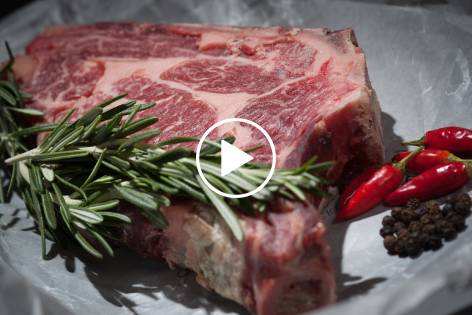
Red meat, a culinary delight, harbours a secret guest—Neu5Gc. As we savor beef, pork, or lamb, this protein finds its way into our bodies. Strikingly, our system perceives Neu5Gc as foreign—a trigger that awakens our immune response. The consequence is the emergence of systemic inflammation, a catalyst for heart attacks, cancer, and type 2 diabetes—a trio of adversaries that threaten our well-being.

Unravelling the Web: Red Meat and Health

In this intricate dance between red meat and health, the threads of epidemiological studies intertwine, weaving a compelling narrative. A surge of evidence emerges, revealing a stark correlation between red meat consumption and a host of ailments. Carcinomas loom large—especially liver cancer—alongside the shadows of atherosclerosistype 2 diabetes, and even mortality’s embrace. The link between red meat and heart attacks stands resolute, echoing in the disparity between humans and Neu5Gc-producing mammals.

A Unique Human Predicament: Heart Health and Neu5Gc

Amongst the symphony of heart health and Neu5Gc, a poignant melody resonates—Naturally occurring heart attacks remain alien in the world of mammals. Chimpanzees, akin to us, share parallel risk factors, yet the script of atherosclerosis eludes them. A revelation unfurls—red meat emerges as the elusive catalyst, stoking inflammation, impairing blood vessel function, and painting the backdrop for heart attacks.

The Dawn of Discovery: Unveiling the Link

A pivotal moment unfolds, etched in the annals of discovery—July 22, 2019, marked a milestone. A tale of mice, genes, and red meat unveils itself. The canvas of the Proceedings of the National Academy of Sciences bears witness—a single gene deletion ignites a twofold surge in atherosclerosis. The narrative deepens as red meat’s role takes center stage—those feasting on Neu5Gc-rich diets experience an exponential 2-4-fold surge, a story untold by cholesterol, triglycerides, or sugars.

Inflammation and Beyond: The Quest for Heart Health

The echoes of research resound a clarion call to embrace a holistic approach to heart health. A chapter of wisdom unfurls—red meat, a villain in this tale, emerges as an independent risk factor for heart attacks. A choice lingers—will the symphony of health be led by the strains of red meat or the rhythm of longevity? As the pages of research turn, a chorus rises, inviting us to consider, to adapt, and to transcend—an ode to well-being, carved through the choices we make.

Conclusion: A New Chapter of Wellness

As we bid adieu to this exploration, a door ajar invites reflection. The tale of Neu5Gc, red meat, and heart health remains incomplete—a narrative awaiting our choices, our strides towards a life of vibrancy. The journey towards well-being extends beyond the plate, unfurling the script of longevity—one where red meat, limited or omitted, emerges as a cornerstone. In the symphony of health, may our notes resonate, guiding us towards a crescendo of wellness.

References:

Kunio Kawanishi, Chirag Dhar, Raymond Do, Nissi Varki, Philip L. S. M. Gordts, Ajit Varki. Human species-specific loss of CMP-N-acetylneuraminic acid hydroxylase enhances atherosclerosis via intrinsic and extrinsic mechanisms. Proceedings of the National Academy of Sciences, 2019; 201902902 10.1073/pnas.1902902116
Samraj AN, Pearce PM, Laubli H, Crittenden AN, Bergfeld AK, Banda K, et al. A red meat-derived glycan promotes inflammation and cancer progression. Proc Natl Acad Sci USA. 2015 Jan 13: 112(2): 542-547. [Link](https://www.ncbi.nlm.nih.gov/pmc/articles/PMC4299224/)


Eat Smart, Live Well, Look Great,

Dr. Meschino

Introduction:

Embark on a voyage tracing back millions of years, unravelling the intricate tapestry of human evolution. A revelation emerges—a protein named Neu5Gc, encoded by the elusive CMAH gene, fades into obscurity within the annals of history. Millennia ago, our ancestors witnessed a genetic twist, bestowing them with a shield against a specific strain of malaria. This transformative shift resonates through the ages, ushering Neu5Gc into modern times, as a hidden player in the tale of red meat and heart health.

Neu5Gc: The Hidden Protein

Red meat, a culinary delight, harbours a secret guest—Neu5Gc. As we savor beef, pork, or lamb, this protein finds its way into our bodies. Strikingly, our system perceives Neu5Gc as foreign—a trigger that awakens our immune response. The consequence is the emergence of systemic inflammation, a catalyst for heart attacks, cancer, and type 2 diabetes—a trio of adversaries that threaten our well-being.

Unravelling the Web: Red Meat and Health

In this intricate dance between red meat and health, the threads of epidemiological studies intertwine, weaving a compelling narrative. A surge of evidence emerges, revealing a stark correlation between red meat consumption and a host of ailments. Carcinomas loom large—especially liver cancer—alongside the shadows of atherosclerosis, type 2 diabetes, and even mortality’s embrace. The link between red meat and heart attacks stands resolute, echoing in the disparity between humans and Neu5Gc-producing mammals.

A Unique Human Predicament: Heart Health and Neu5Gc

Amongst the symphony of heart health and Neu5Gc, a poignant melody resonates—Naturally occurring heart attacks remain alien in the world of mammals. Chimpanzees, akin to us, share parallel risk factors, yet the script of atherosclerosis eludes them. A revelation unfurls—red meat emerges as the elusive catalyst, stoking inflammation, impairing blood vessel function, and painting the backdrop for heart attacks.

The Dawn of Discovery: Unveiling the Link

A pivotal moment unfolds, etched in the annals of discovery—July 22, 2019, marked a milestone. A tale of mice, genes, and red meat unveils itself. The canvas of the Proceedings of the National Academy of Sciences bears witness—a single gene deletion ignites a twofold surge in atherosclerosis. The narrative deepens as red meat’s role takes center stage—those feasting on Neu5Gc-rich diets experience an exponential 2-4-fold surge, a story untold by cholesterol, triglycerides, or sugars.

Inflammation and Beyond: The Quest for Heart Health

The echoes of research resound a clarion call to embrace a holistic approach to heart health. A chapter of wisdom unfurls—red meat, a villain in this tale, emerges as an independent risk factor for heart attacks. A choice lingers—will the symphony of health be led by the strains of red meat or the rhythm of longevity? As the pages of research turn, a chorus rises, inviting us to consider, to adapt, and to transcend—an ode to well-being, carved through the choices we make.

Conclusion: A New Chapter of Wellness

As we bid adieu to this exploration, a door ajar invites reflection. The tale of Neu5Gc, red meat, and heart health remains incomplete—a narrative awaiting our choices, our strides towards a life of vibrancy. The journey towards well-being extends beyond the plate, unfurling the script of longevity—one where red meat, limited or omitted, emerges as a cornerstone. In the symphony of health, may our notes resonate, guiding us towards a crescendo of wellness.

References:

  1. Kunio Kawanishi, Chirag Dhar, Raymond Do, Nissi Varki, Philip L. S. M. Gordts, Ajit Varki. Human species-specific loss of CMP-N-acetylneuraminic acid hydroxylase enhances atherosclerosis via intrinsic and extrinsic mechanisms. Proceedings of the National Academy of Sciences, 2019; 201902902 10.1073/pnas.1902902116
  2. Samraj AN, Pearce PM, Laubli H, Crittenden AN, Bergfeld AK, Banda K, et al. A red meat-derived glycan promotes inflammation and cancer progression. Proc Natl Acad Sci USA. 2015 Jan 13: 112(2): 542-547. [Link](https://www.ncbi.nlm.nih.gov/pmc/articles/PMC4299224/)
Eat Smart, Live Well, Look Great
 

Dr. Meschino

Dr. James Meschino

Dr. James Meschino

ABOUT THE AUTHOR

Dr. James Meschino, DC, MS, ROHP, is an educator, author, and researcher having lectured to thousands of healthcare professionals across North America. He holds a Master’s Degree in Science with specialties in human nutrition and biology and is recognized as an expert in the field of nutrition, anti-aging, fitness, and wellness as well as the author of numerous books.

Posted on

LMU 137 – Breathing Easier: Unveiling the Potential of NAC in COPD Management

LMU-137

LMU 137 – Breathing Easier: Unveiling the Potential of NAC in COPD Management

Source: Egyptian Journal of Chest Diseases and Tuberculosis (2013)

Lifestyle Medicine Update (July 26, 2019)

Introduction:

COPD, or chronic obstructive pulmonary disease, stands as a formidable adversary—a lung disease that orchestrates chronic obstruction of airflow, robbing its victims of the simple act of breathing. The terminology once distinct, like chronic bronchitis, asthma, and emphysema, has now found its common ground within the umbrella of COPD. With an unyielding progression, this ailment takes hold, etching its mark as the fourth leading cause of death in the U.S. While cigarette smoking looms large as the culprit in 80% of COPD cases, the remaining 20%—including asthmatics—bear witness to a different narrative.

A Two-Fold Approach: Beyond Symptomatic Relief

As the battle against COPD unfolds, the weaponry at hand often focuses on alleviating symptoms. Yet, a broader perspective has emerged—one that seeks to unearth the root causes fuelling the relentless progression of airway obstruction. In the wake of this pursuit, a natural ally steps forth—N-acetyl cysteine, affectionately known as NAC. Recognizing the potency of NAC in quelling the very factors that nurture COPD’s growth, researchers delve into studies that merge standard drug therapy with NAC supplementation. The promise lies in NAC’s ability to wield its influence, taming the flames of inflammation, curbing free radical damage, and dismantling stubborn lung mucus.

NAC: A Shield Against Inflammation and Damage

Enlightened by the intricate dance between inflammation and COPD progression, researchers turn to NAC for answers. Their experimental studies unravel a truth—the potential of NAC to subdue the elements that embolden COPD’s march. The curtain rises on NAC’s multifaceted prowess: it not only curbs free radical damage to lung tissue but also quashes lung inflammation. Most intriguingly, NAC’s repertoire includes the power to disentangle lung mucus, disarming its role as a breeding ground for bacteria and viruses.

A Glimpse into the Future: The Clinical Trial That Speaks

A pivotal moment emerges in 2013—a clinical trial that casts NAC in the spotlight. The stage is set with 45 acute exacerbation COPD patients, each a testament to the gravity of the disease. The journey commences with a dosage of 1,200 mg per day of NAC, administered in three divided doses of 400 mg each. As the days unfold, the trial weaves a tale of transformation. For those embracing NAC, a symphony of change reverberates—lung inflammatory markers diminish, free radical markers retreat, and the realm of pulmonary function basks in improvement. Pulmonary function tests (FEV1, FVC, and FEV1/FVC) echo the triumphant cadence, as the partial pressure of oxygen in the blood (PaO2) surges. In just 10 days, the metamorphosis is palpable—breathing eases, and oxygen’s embrace deepens, a testament to NAC’s potential in the battle against COPD.

The Potential Unveiled: A Glimpse into NAC’s Reach

The pages of this study hold a revelation—a testament to NAC’s embrace as a pivotal companion in the journey against COPD. As the curtain falls, a truth resonates—NAC’s role extends beyond mere supplementation. Its synergy with standard drug therapy opens new vistas of hope, poised to halt, and even reverse, the hallmarks of this ailment.

Conclusion: NAC’s Resounding Echo

The stage is set, the spotlight cast—NAC steps forward, offering solace to those ensnared by COPD’s grip. The melody of inflammation retreats, the symphony of free radical damage recedes, and the fortress of mucus crumbles under NAC’s touch. With each breath, a tale of transformation unfolds—one where NAC, alongside conventional therapy, charts a course towards relief and resilience. As the journey against COPD continues, NAC’s echo reverberates—a powerful ally, a beacon of hope, and a pathway towards breathing easier.

Reference:

Hafiz AM, Wakeel LM, Hady, Mourad AR. High dose N-acetylcysteine improves inflammatory response and outcome in patients with COPD exacerbations. Egyptian Journal of Chest Diseases and Tuberculosis. 2013, 62 (1): 51-57 [Link](https://www.sciencedirect.com/science/article/pii/S0422763813000253)

Eat Smart, Live Well, Look Great,

Dr. Meschino

Dr. James Meschino

Dr. James Meschino

ABOUT THE AUTHOR

Dr. James Meschino, DC, MS, ROHP, is an educator, author, and researcher having lectured to thousands of healthcare professionals across North America. He holds a Master’s Degree in Science with specialties in human nutrition and biology and is recognized as an expert in the field of nutrition, anti-aging, fitness, and wellness as well as the author of numerous books.
Posted on

LMU 136 – Unlocking Relief: Curcumin’s Promise for Osteoarthritis Pain

LMU-136

LMU 136 – Unlocking Relief: Curcumin's Promise for Osteoarthritis Pain

Source: Journal “Nutrients” (2019)

Lifestyle Medicine Update (July 19, 2019)

Introduction:

In the realm of joint healthosteoarthritis emerges as a relentless foe that targets the knees and hips with unrelenting pain, swelling, and stiffness. The aftermath of this battle often robs individuals of mobility and the joy of physical activities. While anti-inflammatory drugs have traditionally taken the spotlight in combating this ailment, a new contender steps onto the stage—a natural hero named curcumin. Embracing the fight against osteoarthritis, curcumin offers a beacon of hope, ushering in relief without the harsh side effects that plague conventional treatments.

Beyond the Pill: The Pursuit of Natural Relief

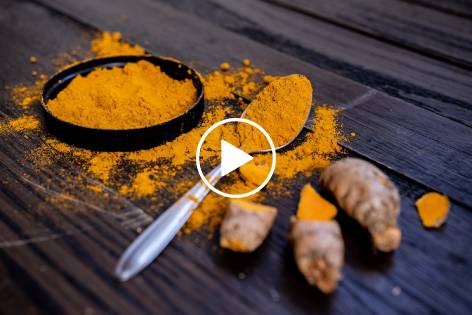
As the tide turns towards nature’s embrace, researchers embark on a quest for alternatives—agents that can quell osteoarthritis symptoms without the toll of adverse effects. A standout amongst these contenders is curcumin, an ingredient hailing from the vibrant tapestry of turmeric. Encompassing a lineage of natural anti-inflammatory prowess, curcumin steps into the limelight, carrying the promise of reduced pain, swelling, and stiffness for those grappling with osteoarthritis.

Curcumin’s Resounding Triumph: Human Clinical Studies Speak

Resonating through the annals of clinical science, curcumin’s triumph emerges through twelve human clinical studies—a testament to its profound anti-inflammatory impact. As the spotlight shines on these studies, a symphony of relief unfolds, orchestrating the alleviation of osteoarthritis symptoms and unveiling an improved quality of life for patients. This revelation raises curcumin to the ranks of pharmaceutical giants like ibuprofen and diclofenac (Voltaren)—a natural counterpart in the pursuit of relief.

A Symphony of Healing: Curcumin’s Mechanism of Action

Curcumin’s healing symphony unfolds through a two-fold melody. First, it targets Nuclear Factor – kappa beta (NFk-beta)—a conductor orchestrating the cacophony of inflammation and osteoarthritis. By tempering NFk-beta’s fervor, curcumin quells the flames of inflammation that ravage joints. Secondly, curcumin halts the release of inflammatory cytokines, and deftly blocks enzymes (phospholipase A2 and lipoxygenase) that kindle the fiery process, both in osteoarthritis and autoimmune joint afflictions like rheumatoid arthritis.

Embracing Curcumin’s Potential: The Pathway to Relief

For those seeking solace in curcumin’s embrace, a clear pathway emerges—a dosage of 1,000 -1,200 mg per day, divided into smaller portions such as 400 mg thrice daily. The key to curcumin’s efficacy lies in its absorption, best harnessed when accompanied by food—preferably food containing some fat. This journey hinges on the choice of curcumin supplement, spotlighting a grade of 90% curcumin, derived from the Indian treasure trove of turmeric. With these navigational stars in place, curcumin becomes a beacon of potential for those yearning for relief.

A Glimpse into the Future: The Healing Touch of Curcumin

Embarking on this journey, curcumin emerges as a healing touch, offering relief from the clutches of osteoarthritis. Personal anecdotes echo the sentiment as curcumin, along with its natural allies, enacts a tale of reduced swelling, pain, and stiffness amongst arthritic patients. If you find yourself in the grip of arthritis, curcumin’s promise may beckon—a partner in your treatment journey, with the caveat of consulting your doctor.

Conclusion: Curcumin’s Ode to Relief

As the curtain falls on the realm of osteoarthritis, curcumin’s symphony of relief resounds—a melodic overture that promises an alternative to traditional treatments. Amidst the pages of clinical studies and patient experiences, curcumin’s role unfurls—a natural ally in the battle against inflammation, pain, and stiffness. In the quest for osteoarthritis relief, curcumin emerges as a beacon—a bridge between nature’s healing embrace and the search for a life unburdened by the shackles of pain.

References:

Journal Nutrients (2019): [Link](https://www.ncbi.nlm.nih.gov/pubmed/31052496)
Journal of Medicinal Food (2016) [Link](https://www.ncbi.nlm.nih.gov/pmc/articles/PMC5003001/)


Eat Smart, Live Well, Look Great,

Dr. Meschino

Introduction:

In the realm of joint health, osteoarthritis emerges as a relentless foe that targets the knees and hips with unrelenting pain, swelling, and stiffness. The aftermath of this battle often robs individuals of mobility and the joy of physical activities. While anti-inflammatory drugs have traditionally taken the spotlight in combating this ailment, a new contender steps onto the stage—a natural hero named curcumin. Embracing the fight against osteoarthritis, curcumin offers a beacon of hope, ushering in relief without the harsh side effects that plague conventional treatments.

Beyond the Pill: The Pursuit of Natural Relief 

As the tide turns towards nature’s embrace, researchers embark on a quest for alternatives—agents that can quell osteoarthritis symptoms without the toll of adverse effects. A standout amongst these contenders is curcumin, an ingredient hailing from the vibrant tapestry of turmeric. Encompassing a lineage of natural anti-inflammatory prowess, curcumin steps into the limelight, carrying the promise of reduced pain, swelling, and stiffness for those grappling with osteoarthritis.

Curcumin’s Resounding Triumph: Human Clinical Studies Speak

Resonating through the annals of clinical science, curcumin’s triumph emerges through twelve human clinical studies—a testament to its profound anti-inflammatory impact. As the spotlight shines on these studies, a symphony of relief unfolds, orchestrating the alleviation of osteoarthritis symptoms and unveiling an improved quality of life for patients. This revelation raises curcumin to the ranks of pharmaceutical giants like ibuprofen and diclofenac (Voltaren)—a natural counterpart in the pursuit of relief.

A Symphony of Healing: Curcumin’s Mechanism of Action

Curcumin’s healing symphony unfolds through a two-fold melody. First, it targets Nuclear Factor – kappa beta (NFk-beta)—a conductor orchestrating the cacophony of inflammation and osteoarthritis. By tempering NFk-beta’s fervor, curcumin quells the flames of inflammation that ravage joints. Secondly, curcumin halts the release of inflammatory cytokines, and deftly blocks enzymes (phospholipase A2 and lipoxygenase) that kindle the fiery process, both in osteoarthritis and autoimmune joint afflictions like rheumatoid arthritis. 

Embracing Curcumin’s Potential: The Pathway to Relief

For those seeking solace in curcumin’s embrace, a clear pathway emerges—a dosage of 1,000 -1,200 mg per day, divided into smaller portions such as 400 mg thrice daily. The key to curcumin’s efficacy lies in its absorption, best harnessed when accompanied by food—preferably food containing some fat. This journey hinges on the choice of curcumin supplement, spotlighting a grade of 90% curcumin, derived from the Indian treasure trove of turmeric. With these navigational stars in place, curcumin becomes a beacon of potential for those yearning for relief.

A Glimpse into the Future: The Healing Touch of Curcumin

Embarking on this journey, curcumin emerges as a healing touch, offering relief from the clutches of osteoarthritis. Personal anecdotes echo the sentiment as curcumin, along with its natural allies, enacts a tale of reduced swelling, pain, and stiffness amongst arthritic patients. If you find yourself in the grip of arthritis, curcumin’s promise may beckon—a partner in your treatment journey, with the caveat of consulting your doctor.

Conclusion: Curcumin’s Ode to Relief

As the curtain falls on the realm of osteoarthritis, curcumin’s symphony of relief resounds—a melodic overture that promises an alternative to traditional treatments. Amidst the pages of clinical studies and patient experiences, curcumin’s role unfurls—a natural ally in the battle against inflammation, pain, and stiffness. In the quest for osteoarthritis relief, curcumin emerges as a beacon—a bridge between nature’s healing embrace and the search for a life unburdened by the shackles of pain.

References:

  1. Journal Nutrients (2019): [Link](https://www.ncbi.nlm.nih.gov/pubmed/31052496)
  2. Journal of Medicinal Food (2016) [Link](https://www.ncbi.nlm.nih.gov/pmc/articles/PMC5003001/)

Eat Smart, Live Well, Look Great,

Dr. Meschino

Dr. James Meschino

Dr. James Meschino

ABOUT THE AUTHOR

Dr. James Meschino, DC, MS, ROHP, is an educator, author, and researcher having lectured to thousands of healthcare professionals across North America. He holds a Master’s Degree in Science with specialties in human nutrition and biology and is recognized as an expert in the field of nutrition, anti-aging, fitness, and wellness as well as the author of numerous books.

Posted on

LMU 135 – Empowering Fertility: N-Acetyl Cysteine’s Role in Combating PCOS

LMU-135

LMU 135 – Empowering Fertility: N-Acetyl Cysteine's Role in Combating PCOS

Source: Cell Journal (April 2017)

Lifestyle Medicine Update (July 12, 2019)

Introduction:

Within the realm of women’s health, Polycystic Ovarian Syndrome (PCOS) looms as a complex enigma, impacting 5-10% of reproductive-age women. Renowned as the leading cause of anovulatory infertility, PCOS casts a shadow over the dreams of motherhood for countless women, rendering them unable to conceive. To add to the burden, PCOS unfurls a tapestry of complications—recurrent pregnancy loss and painful cyst ruptures, further entwining challenges with despair.

PCOS Unveiled: A Tangle of Challenges

Beneath the surface, PCOS orchestrates a symphony of challenges, intertwining reproductive hurdles with broader health implications. A symphony marked by a high prevalence of metabolic syndrome—a consortium of obesity, high blood pressure, glucose intolerance, elevated triglycerides, and reduced HDL-cholesterol. This ensemble paves the way for a formidable duo: type 2 diabetes and heightened blood clot risk. Consequently, the intricate dance of hormones and blood viscosity becomes a fragile balance, directly influencing fertility.

An Ovulation Enigma: Clomiphene Citrate (CC)

To dispel the shadow of infertility, the stage often welcomes a protagonist named Clomiphene Citrate (CC). This drug orchestrates the pituitary gland to conjure higher hormone levels—FSH and LH—that herald ovulation. Yet, as the curtains unveil, a sobering truth emerges: CC falters in up to 40% of women. The pursuit of conception, fraught with dashed hopes, yearns for a new dawn.

N-Acetyl Cysteine (NAC): A Ray of Hope

In the chronicles of PCOS, a natural supplement emerges as a potential ally—a beacon of hope named N-Acetyl Cysteine (NAC). Intriguingly, studies spanning from 2010 illuminate a transformative potential: the symbiosis of NAC and CC catalyzes ovulation and pregnancy rates in women previously unresponsive to CC alone.

NAC’s Fertility Forte: Unveiling Mechanisms

Amidst the fertility labyrinth, NAC wields a dual-edged sword. On one front, it dissolves the mucus barrier on the cervix—a crucial element for conception. Notably, CC’s drawback lies in its propensity to thicken this mucus layer, hindering sperm’s journey. NAC’s intervention—a mucus-loosening action—garners the potential to usher sperm towards the uterine sanctuary, igniting the spark of fertilization.

Harmonizing Hormones: NAC and Insulin

As the fertility narrative unfolds, NAC unfurls yet another layer of its tapestry—its dance with insulin receptors. NAC’s serenade sensitizes these receptors, orchestrating a harmonious interplay with insulin levels. The result? A ballet of balanced blood glucose and insulin secretion, rekindling hormonal equilibrium and bolstering fertility. This harmony, in turn, reverberates through the corridors of metabolic syndrome, deftly lowering blood glucose levels and kindling hope for those entangled in type 2 diabetes.

Antioxidant Arsenal: NAC’s Shield

NAC’s prowess extends beyond the realm of fertility, encompassing an antioxidant shield. In a dance against oxidative stress—the handmaiden of infertility in PCOS—NAC emerges as a potent defender. Armed with the ability to stifle free radical damage, NAC champions the cause of healthy reproductive terrain, where cells flourish and fertility thrives.

A Plea for Awareness: NAC’s Untapped Potential

In the intricate dance of medicine, knowledge unfurls as a transformative cadence. Yet, within the realm of PCOS, a caveat emerges—a symphony of NAC’s potential that remains shrouded to some. Amidst the pulsating beat of drug research, the cadence of natural supplements may be lost. Herein lies a call for awareness—a summons to spread the word to those whose paths are shadowed by PCOS.

Towards Fertility’s Horizon: NAC’s Guiding Light

As the journey unfurls for PCOS-afflicted women, NAC stands as a guiding light, illuminating pathways to fertility. With a daily dosage of 1,200 mg intertwined with CC, the potential for ovulation and pregnancy burgeons. The ripple effect of NAC’s intervention, like a stone cast into a pond, can transform lives that have wrestled with the spectre of infertility.

Conclusion: A New Verse in the Fertility Symphony

In the melody of life, fertility emerges as a cherished note, harmonizing with the dreams of motherhood. Amidst the challenges that PCOS presents, NAC’s resonance offers newfound hope—a resonant chord that enriches the symphony of fertility. For those grappling with PCOS, NAC unfurls as a potential verse, where science and nature coalesce, composing a harmonious ode to fertility.

References:

  1. Mokhtari V, et al. A review of various uses of N-Acetyl Cysteine. Cell J. 19(1) April 2017 [Link](https://www.ncbi.nlm.nih.gov/pmc/articles/PMC5241507/)
  2. Sekhon LH, Gupta S, Kim Y, Agarwal A. Female infertility and antioxidants. Curr Women’s Health Rev. 2010;6:84-95. [Link](https://scholar.google.com/scholar_lookup?)
  3. Nasr A. Effect of N-acetyl cysteine after ovarian drilling in clomiphene citrate-resistant PCOS women: a pilot study. Reprod Biomed Online. 2010;20(3):403–409. [Link](https://www.ncbi.nlm.nih.gov/pubmed/20089454)

Eat Smart, Live Well, Look Great,

Dr. Meschino

Dr. James Meschino

Dr. James Meschino

ABOUT THE AUTHOR

Dr. James Meschino, DC, MS, ROHP, is an educator, author, and researcher having lectured to thousands of healthcare professionals across North America. He holds a Master’s Degree in Science with specialties in human nutrition and biology and is recognized as an expert in the field of nutrition, anti-aging, fitness, and wellness as well as the author of numerous books.